What a Conveyor Carrying Bracket Does on the Line
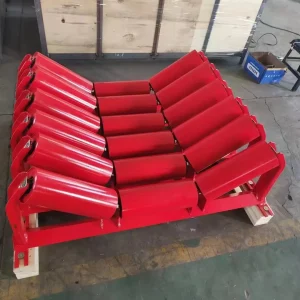
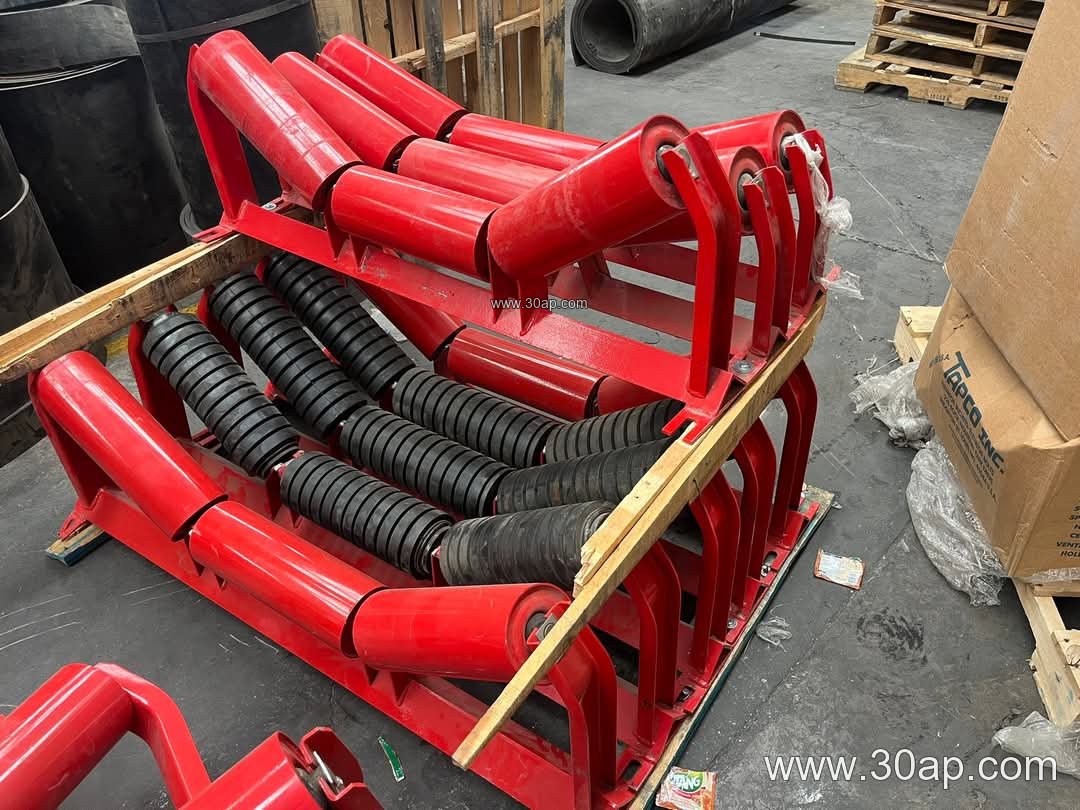
A conveyor carrying bracket is the steel frame that holds the troughing idlers in place along the load-carrying side of a belt conveyor. It sits between the stringer or frame rails and the idler roller, keeping the rolls at the correct trough angle so the belt forms a stable channel for bulk material. Without a proper carrying bracket, the idlers would shift, the belt would sag or mistrack, and spillage would climb. In a quarry, a cement plant, or a power plant coal yard, this small structural part quietly determines how well the whole carrying run behaves.
The same component is often called a carrying idler bracket, a troughing bracket, or simply a conveyor bracket. These names describe the same product. A head pulley, tail pulley, or bend pulley is a different assembly and should never be used to describe this frame.
How the Carrying Bracket Is Built
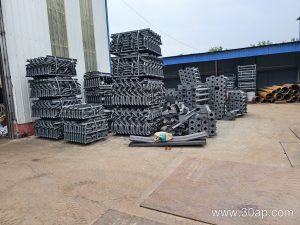
Most carrying brackets are fabricated from angle steel, channel steel, or folded steel plate. The frame carries mounting slots or holes for the idler shafts, and the angle of the side rolls is set by the bracket geometry. A fixed bracket is welded or bolted at one trough angle, while an adjustable bracket allows the operator to change the angle within a range.
- Trough angles commonly used include 20, 30, 35, and 45 degrees; adjustable versions can move between these positions.
- Idler diameters such as Ø89, Ø108, Ø133, Ø159, and Ø194 are matched to belt width and load.
- Belt widths from B500 up to B2200 appear across light and heavy conveying lines.
Mounting hole spacing and crossbeam length are not fixed numbers. They follow the belt width, the trough angle, and the idler frame design, so a bracket should always be ordered against the actual conveyor drawing.
Where It Fits in the Conveying System
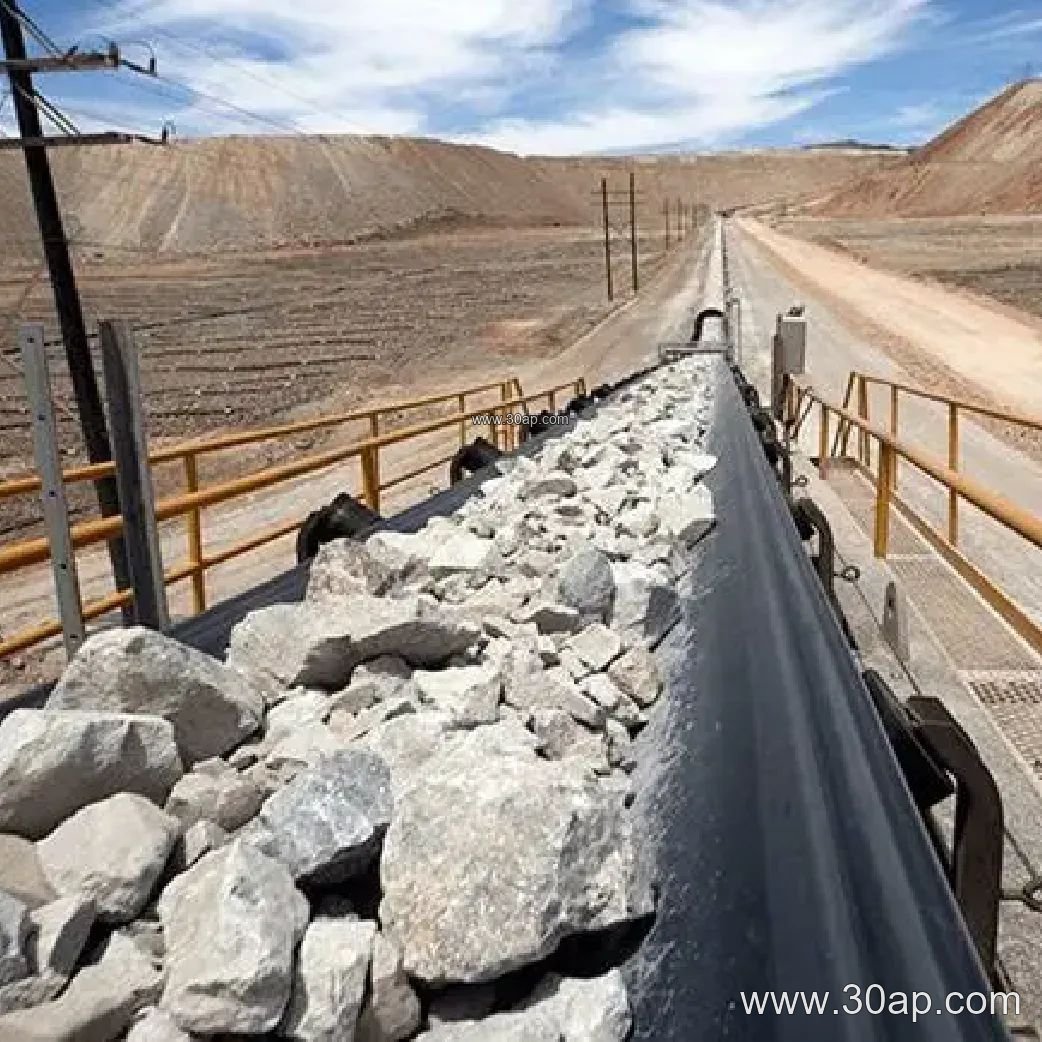
On a stone crushing line, the carrying bracket supports the upper idlers that hold a heavy-duty mining conveyor belt loaded with aggregate. In a coal washing plant, flame retardant conveyor belt and anti-static conveyor belt runs rely on well-aligned troughing frames to keep coal centered. At a port or ship loading terminal, wide belts such as a 1200mm or 1500mm conveyor belt need longer crossbeams and stronger brackets. The carrying frame works alongside the return bracket, the V-type return bracket, and the impact bracket, but each plays a different role.
Transition brackets near the tail pulley guide the belt from flat to trough shape, and self-aligning brackets help correct mistracking. These are related frame types, not replacements for the standard carrying bracket.
Matching Bracket, Idler, and Belt
A common combination might be B800, 35 degrees, and Ø108 idlers for a medium-duty sand plant, or B1200, 45 degrees, and Ø133 for a heavier ore line. These are examples, not rules. A wide belt does not force one trough angle, and belt width alone does not define the shaft diameter.
| Belt Width | Typical Trough Angle | Common Idler Diameter | Typical Use |
|---|---|---|---|
| B500 | 20 to 30 degrees | Ø89 | Small aggregate or fertilizer lines |
| B650 | 30 degrees | Ø89 to Ø108 | Sand and gravel plants |
| B800 | 30 to 35 degrees | Ø108 | Cement and crushing circuits |
| B1000 | 35 degrees | Ø108 to Ø133 | Coal handling and power plants |
| B1200 | 35 to 45 degrees | Ø133 | Iron ore and port terminals |
| B1400 to B1600 | 35 to 45 degrees | Ø133 to Ø159 | Heavy mining and steel plants |
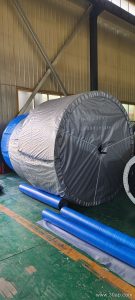
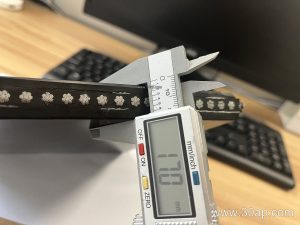
When the belt is an EP conveyor belt or an NN conveyor belt, the idler spacing and bracket strength should follow the belt tension and load. Steel cord conveyor belt lines usually call for stiffer frames and closer inspection. The bracket itself does not change belt construction, but it must suit the conveyor belt it carries.
Buyer Checklist
Before ordering, confirm the belt width, the required trough angle, the idler diameter, the mounting hole pattern, and the frame material. Ask whether a fixed or adjustable carrying bracket is preferred, and check that the bracket matches the stringer spacing on site. For corrosive or dusty locations, discuss surface treatment. For high-temperature or oil-exposed service, note the environment so the right belt and frame combination can be selected.
Inspect brackets during routine maintenance. Bent frames, worn mounting holes, and loose bolts cause belt mistracking and premature idler failure. Replacing a damaged carrying bracket early is far cheaper than repairing a torn belt or a stopped production line.