What a Heavy-Duty Impact Idler Does
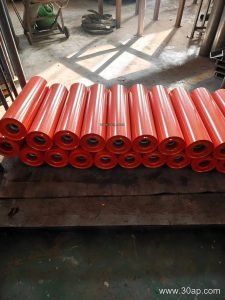
A heavy-duty impact idler is a specialized idler roller installed at conveyor transfer points where bulk material drops onto the belt. Its primary job is to absorb the kinetic energy of falling rock, ore, or aggregate, protecting the conveyor belt from cuts, gouges, and premature wear. Unlike standard carrying idlers, impact idlers feature resilient rubber rings or discs that cushion the load and reduce shock loading on the frame and bearings. In a quarry conveyor line or a coal mining conveyor system, this component often determines how long the belt survives under relentless punishment.
Construction and Key Components
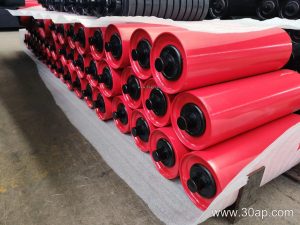
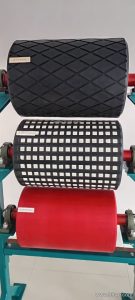
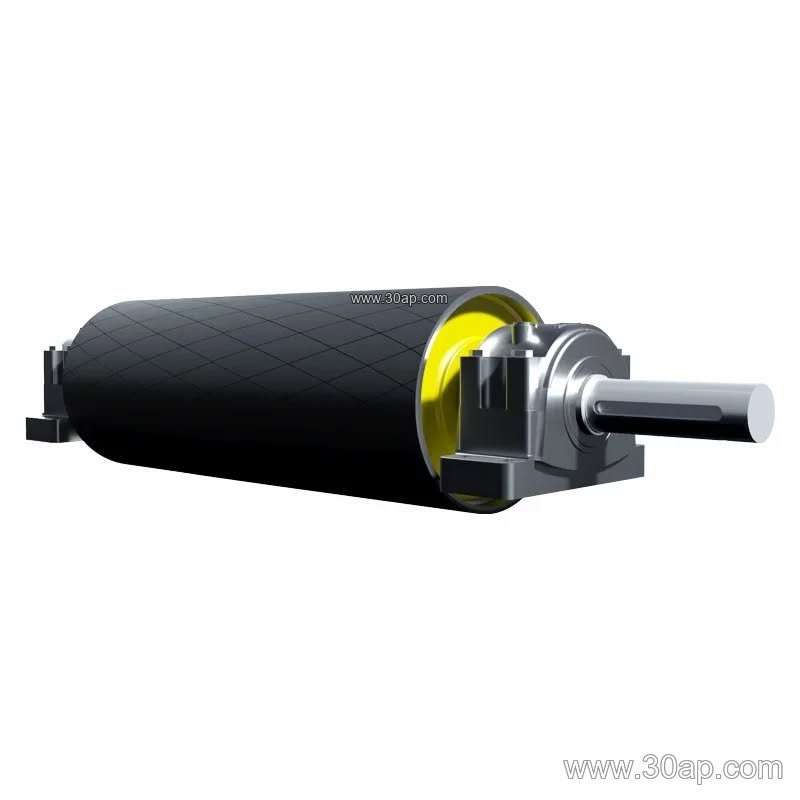
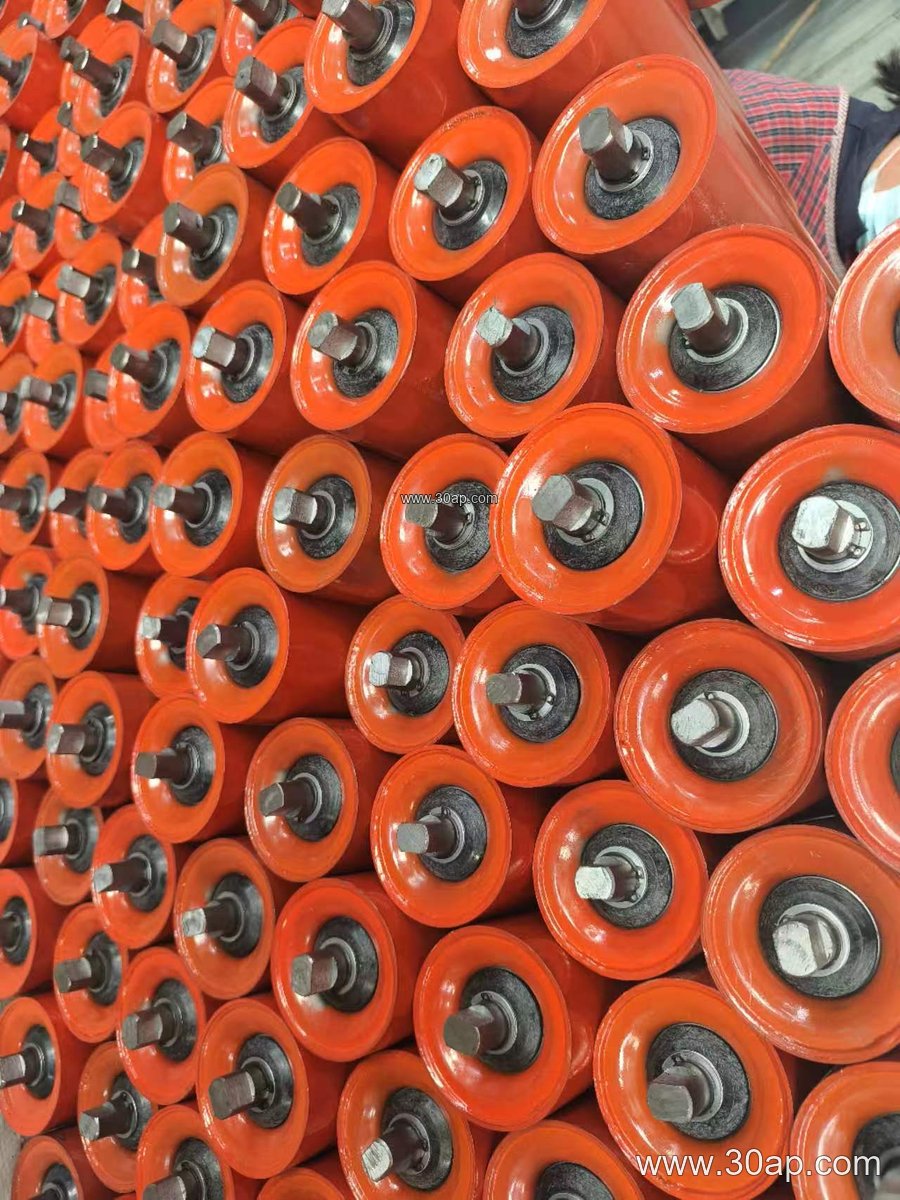
The typical heavy-duty impact idler consists of a heavy-gauge steel tube or shaft, fitted with a series of thick rubber rings or a continuous rubber sleeve. The rubber compounds are formulated for high elasticity and abrasion resistance, often matching the demands of an abrasion resistant conveyor belt. Bearings are selected for shock loads—common sizes include 6205, 6305, 6306, and 6308—and are housed in sealed, grease-filled enclosures to keep out dust and water. The idler frame is reinforced to withstand repeated impacts without bending. Roller diameters for impact idlers often range from Ø89 mm to Ø159 mm, with larger diameters providing greater strength and load capacity. The roller length is matched to the belt width and trough configuration; for example, a three-roll troughing set on a B1000 belt may use rolls around 380 mm long, while a B1400 belt might call for approximately 530 mm rolls. These are common references, not fixed pairings.
Where Impact Idlers Are Used
The most common installation point is directly beneath the loading chute, where material free-falls onto the belt. Industries such as mining, quarrying, cement plants, and power plant coal handling all rely on these idlers to maintain belt integrity. In a sand and gravel plant, a heavy-duty impact idler under the crusher discharge prevents sharp stone from punching through the belt. In a coal preparation plant, it helps manage the shock of large lumps. The idler works alongside other conveyor components like the conveyor pulley, conveyor bracket, and the belt itself—but it is not a substitute for a drive pulley or a bend pulley, which serve entirely different functions.
Selection and Sizing Notes
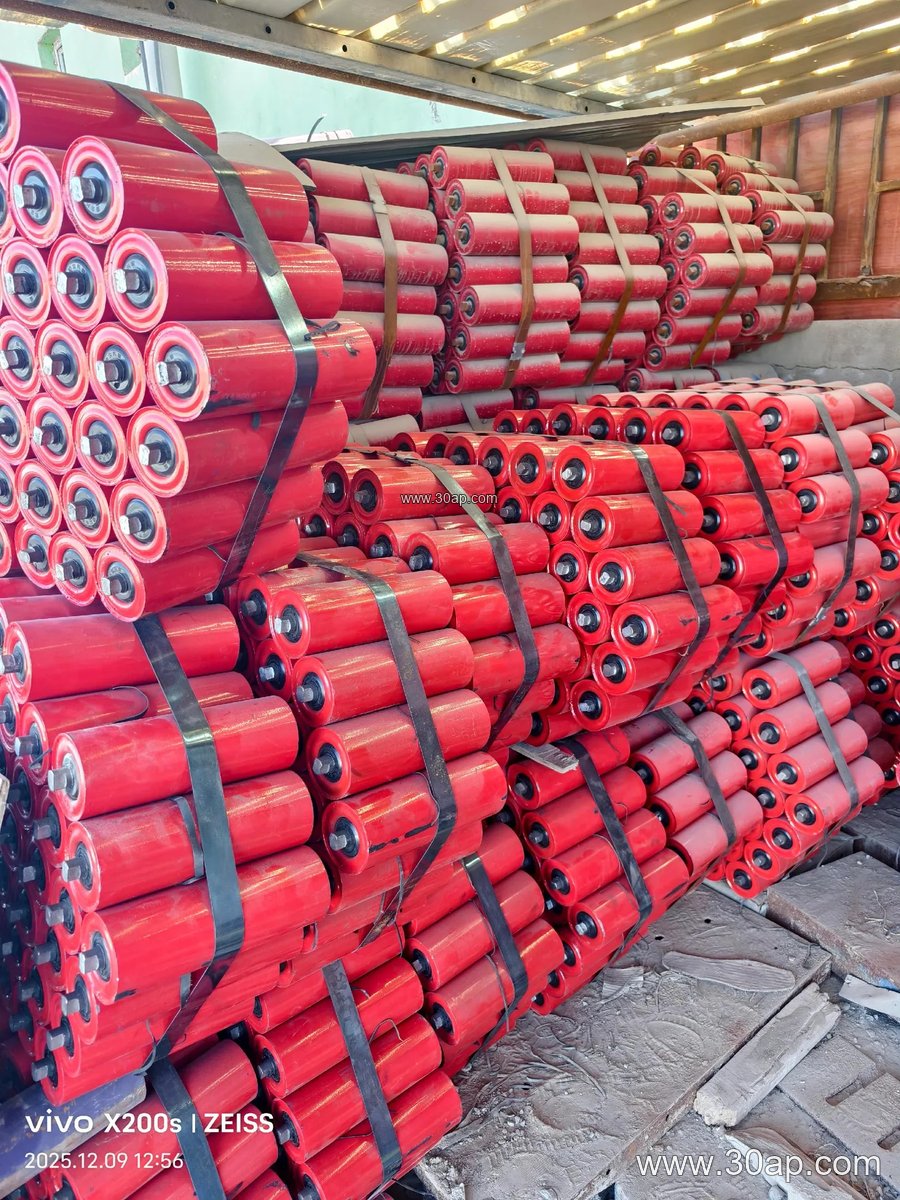
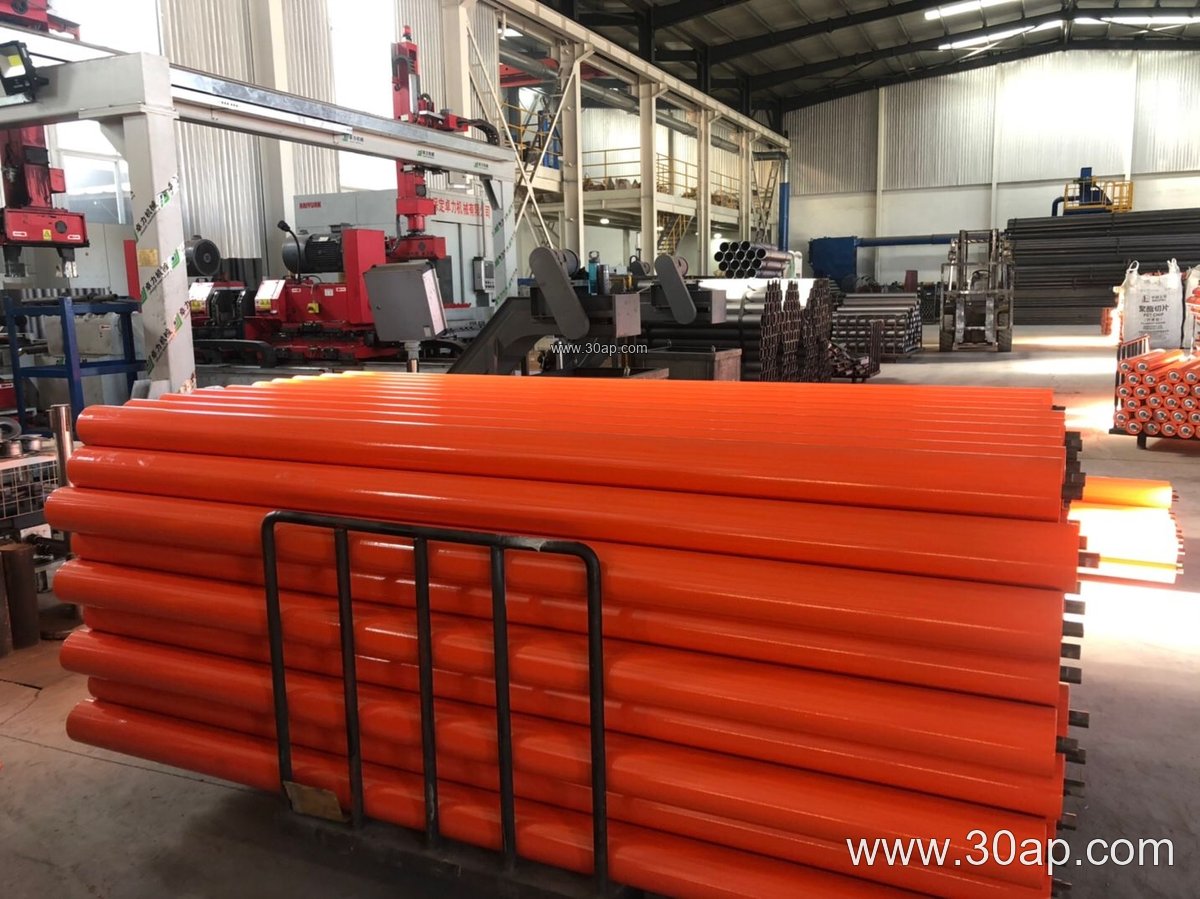
Buyers should consider the maximum lump size, drop height, and throughput rate when specifying an impact idler. The belt width and speed also influence the required roller diameter and bearing class. A common approach is to use impact idlers with a larger diameter and heavier bearings than the standard carrying idlers on the same conveyor. Trough angles of 20°, 30°, 35°, and 45° are typical, and the idler set may be two-roll or three-roll depending on the belt width and material profile. For wider belts, such as 1200mm or 1400mm, three-roll troughing sets are common. The table below lists representative dimensions for reference only; actual selection should follow the conveyor design.
| Belt Width (mm) | Common Roller Diameter (mm) | Typical Roller Length (mm) | Bearing Examples |
|---|---|---|---|
| B500 | Ø89 | 200 | 6204, 6205 |
| B650 | Ø89–Ø108 | 250 | 6205, 6305 |
| B800 | Ø108–Ø133 | 315 | 6305, 6306 |
| B1000 | Ø108–Ø159 | 380 | 6306, 6308 |
| B1200 | Ø133–Ø159 | 465 | 6308, 6310 |
| B1400 | Ø133–Ø178 | 530 | 6308, 6310 |
| B1600 | Ø159–Ø194 | 600 | 6310 |
Note that roller length varies with trough angle and roll configuration; side rolls may differ from center rolls. Bearing size is not strictly tied to roller diameter—always confirm with the manufacturer.
Maintenance and Buyer Tips
Inspect impact idlers regularly for rubber ring wear, cuts, or missing rings. Worn rings reduce cushioning and can expose the steel shell, leading to belt damage. Lubricate bearings according to the schedule, and check for frame distortion after heavy impacts. When replacing, match the idler’s load rating and dimensions to the original specification. A heavy-duty impact idler is an investment in belt longevity—especially when paired with a robust conveyor belt such as an EP conveyor belt or a steel cord conveyor belt in high-tonnage operations. For more information on conveyor components, visit our site at www.example.com/impact-idler.