What a Belt Conveyor Drive Pulley Does
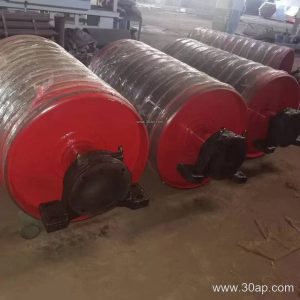
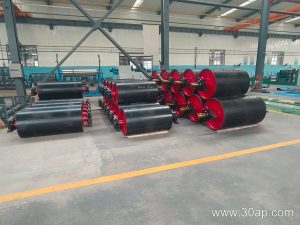
The belt conveyor drive pulley is the powered drum that transmits motion to the conveyor belt. Often called the head pulley or drive drum, it is connected to the gearbox and motor, and its friction surface pulls the belt forward. Without a reliable drive pulley, the entire conveyor system stalls. In a quarry or a coal mining operation, this component works under constant load, dust, and vibration, so understanding its construction and care is essential for uptime.
Construction and Surface Options
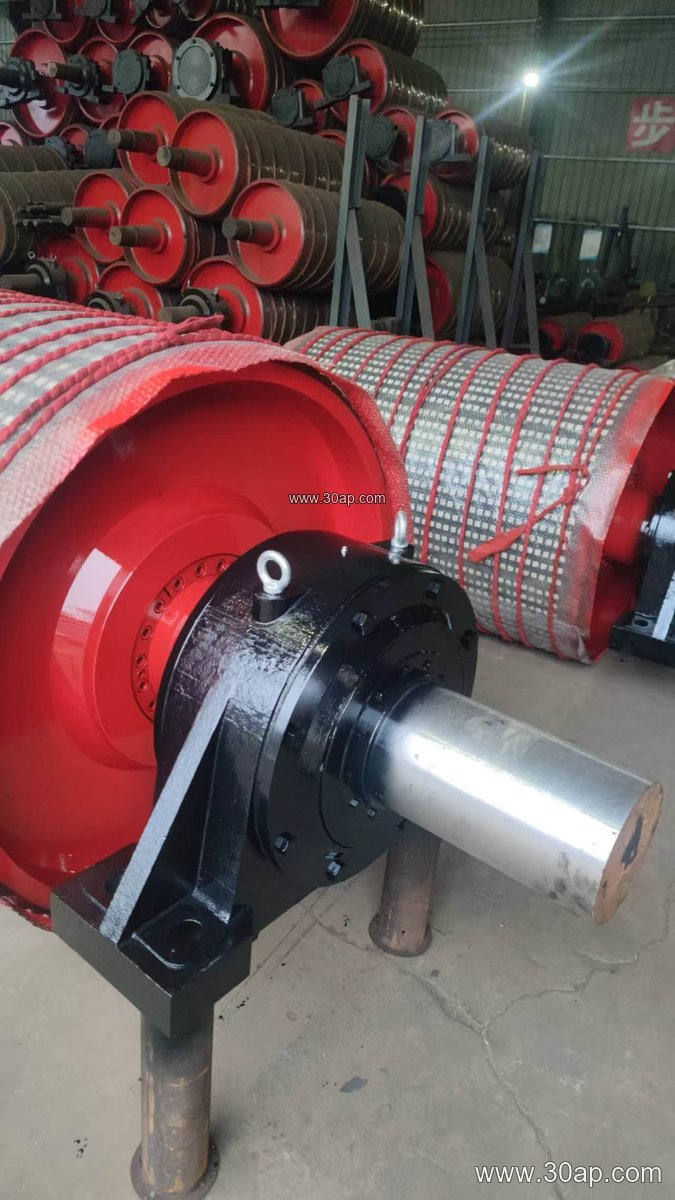
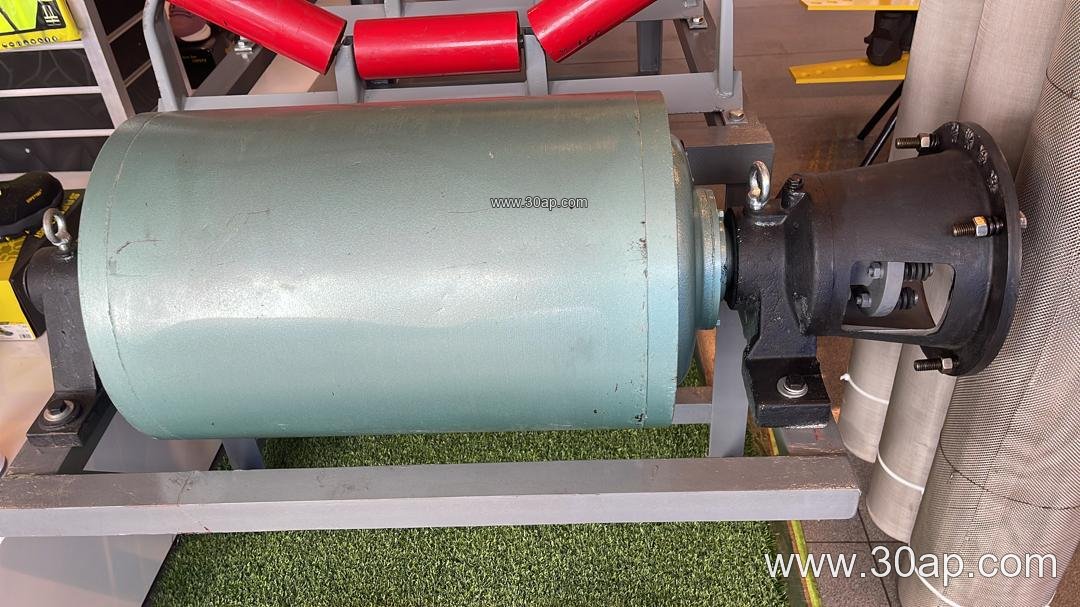
A typical drive pulley consists of a cylindrical shell, end discs, a shaft, and bearing housings. The shell is usually made from rolled steel, and the shaft is sized by torque and load, not simply by belt width. Common shaft diameters include Ø50, Ø60, Ø80, Ø100, Ø120, Ø140, Ø160, and Ø200 mm, but final selection depends on the drive calculation. Surface lagging is critical for grip. Options include plain steel, cast rubber, cold-bonded rubber, hot-vulcanized rubber, diamond pattern, herringbone, and ceramic lagging. Lagging thickness often ranges from 8 mm to 20 mm. For abrasive conditions such as iron ore or copper ore, ceramic or thick rubber lagging helps extend service life. In coal mining, flame retardant conveyor belt and anti-static properties are important, and the drive pulley should be paired with compatible belt specifications.
Common Sizes and Belt Width Matching
Drive pulleys are available in a range of diameters and face widths. The pulley face width is normally wider than the belt width to allow for mistracking. Here are typical combinations, but note that one belt width can match several pulley diameters depending on tension and space:
| Belt Width (mm) | Typical Pulley Face Width (mm) | Common Pulley Diameter (mm) |
|---|---|---|
| B400 | 500 | Ø200, Ø250, Ø315 |
| B500 | 600 | Ø250, Ø315, Ø400 |
| B650 | 750 | Ø315, Ø400, Ø500 |
| B800 | 950 | Ø400, Ø500, Ø630 |
| B1000 | 1150 | Ø500, Ø630, Ø800 |
| B1200 | 1400 | Ø630, Ø800, Ø1000 |
| B1400 | 1600 | Ø800, Ø1000, Ø1250 |
| B1600 | 1800 | Ø1000, Ø1250, Ø1400 |
| B1800 | 2000 | Ø1250, Ø1400, Ø1600 |
| B2000 | 2200 | Ø1400, Ø1600, Ø1800 |
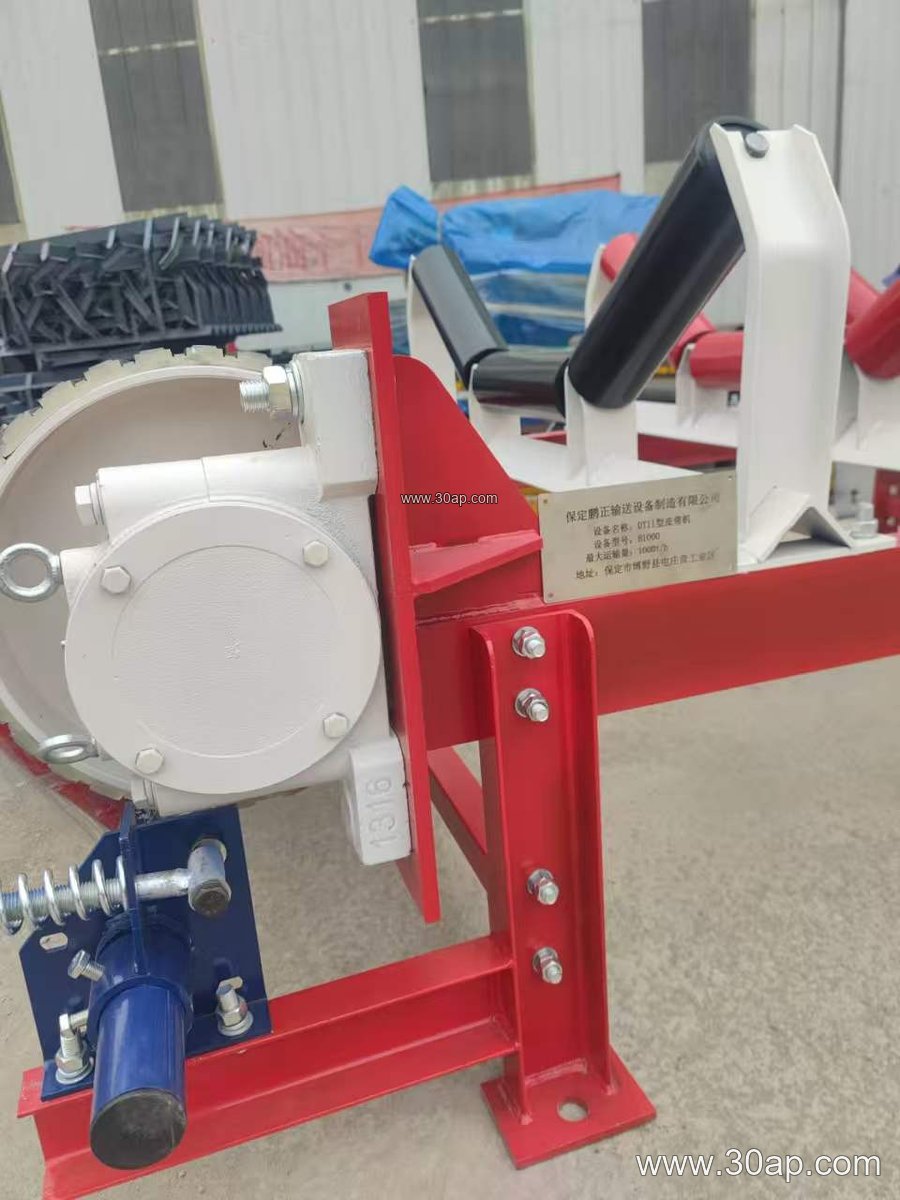
Larger diameters are often used on high-tension drives to reduce belt bending stress. For example, a B1200 conveyor with an EP1000 belt might use a Ø1000 drive pulley, while a B800 system with a shorter center distance could use a Ø500 pulley. Always confirm with the conveyor designer.
Where It Is Used
Drive pulleys appear in most bulk handling industries. In a cement plant, they power clinker and raw material belts. In a power plant coal yard, they drive the main coal conveyor. Sand and gravel operations rely on them for aggregate transport. Port bulk terminals use large drive pulleys on ship loading conveyors. The drive pulley is not interchangeable with a tail pulley or bend pulley: the tail pulley is usually unpowered and located at the loading end, while a bend pulley changes belt direction. Each has a distinct role.
Buyer Checklist
Before ordering a belt conveyor drive pulley, gather the following:
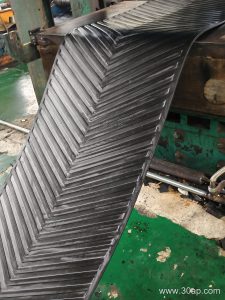
- Belt width and type (e.g., EP conveyor belt, steel cord conveyor belt, or chevron conveyor belt)
- Required diameter and face width
- Shaft diameter and bearing size
- Lagging type and thickness
- Operating environment (abrasive, corrosive, or high temperature)
- Motor power and speed
Also consider the conveyor pulley bracket and idler roller compatibility. A well-matched drive pulley reduces belt slip and wear. For harsh conditions like gold mining or underground coal mining, specify flame retardant and anti-static properties for both belt and lagging. Regular inspection of lagging wear and shaft alignment prevents unplanned stops. For more information on conveyor components, visit our site at www.example.com/conveyor-pulley.