What a Crusher Conveyor Belt Does in the Crushing Circuit
A crusher conveyor belt is the heavy-duty link between the primary crusher, screens, and stockpiles. It carries blasted rock, ore, and aggregate at high tonnage, often with sharp edges and impact loads that would destroy a general-purpose belt. In mines, quarries, cement plants, and power stations, this belt must survive constant abrasion, occasional lumps, and dusty or wet conditions. It is not simply a rubber loop; it is a engineered component selected for the duty point, the material, and the conveyor geometry.
The same product is also called a stone crusher conveyor belt or a rock conveyor belt. These names describe the same heavy-duty fabric or steel-cord belt used after crushing. Other subtypes such as heat resistant, oil resistant, or chevron belts serve different purposes and should not be confused with the standard crusher duty belt.
Construction and Key Components
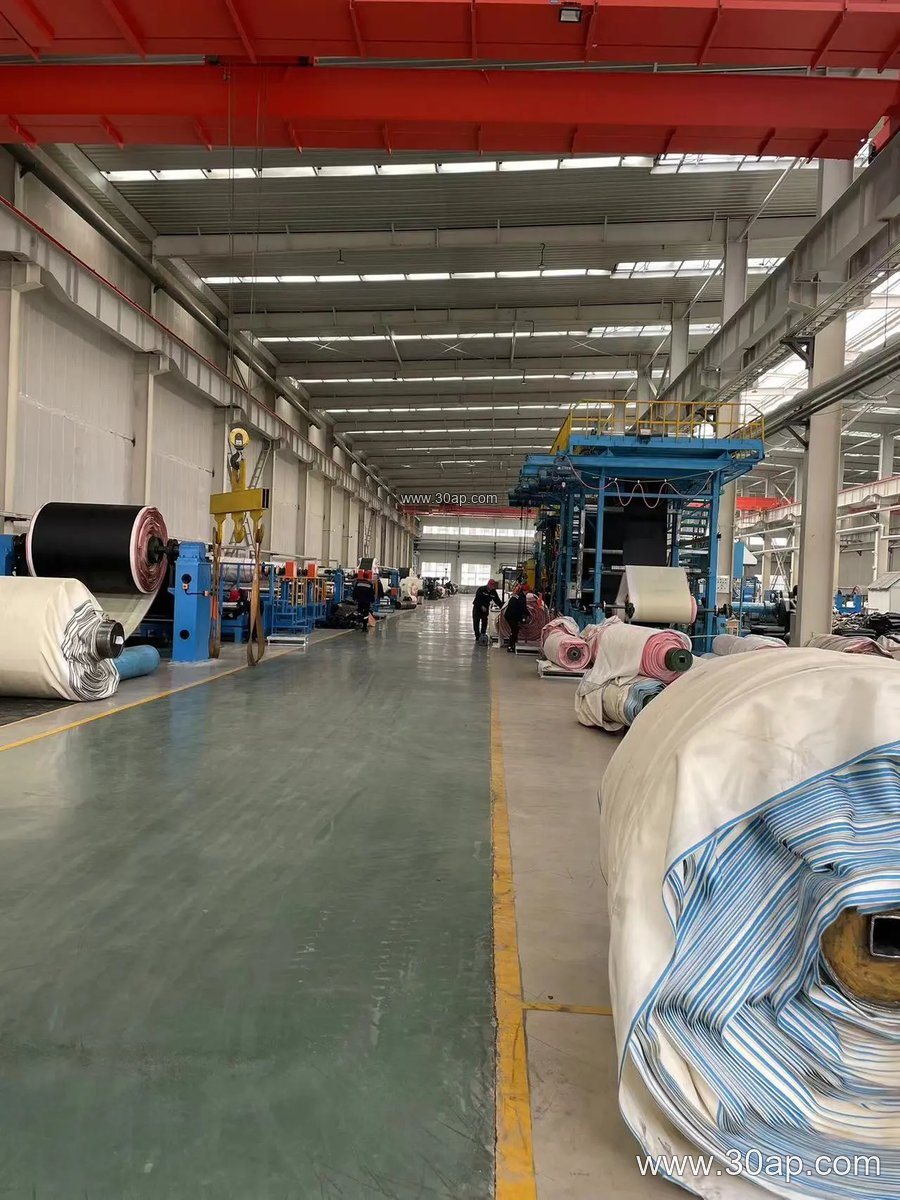
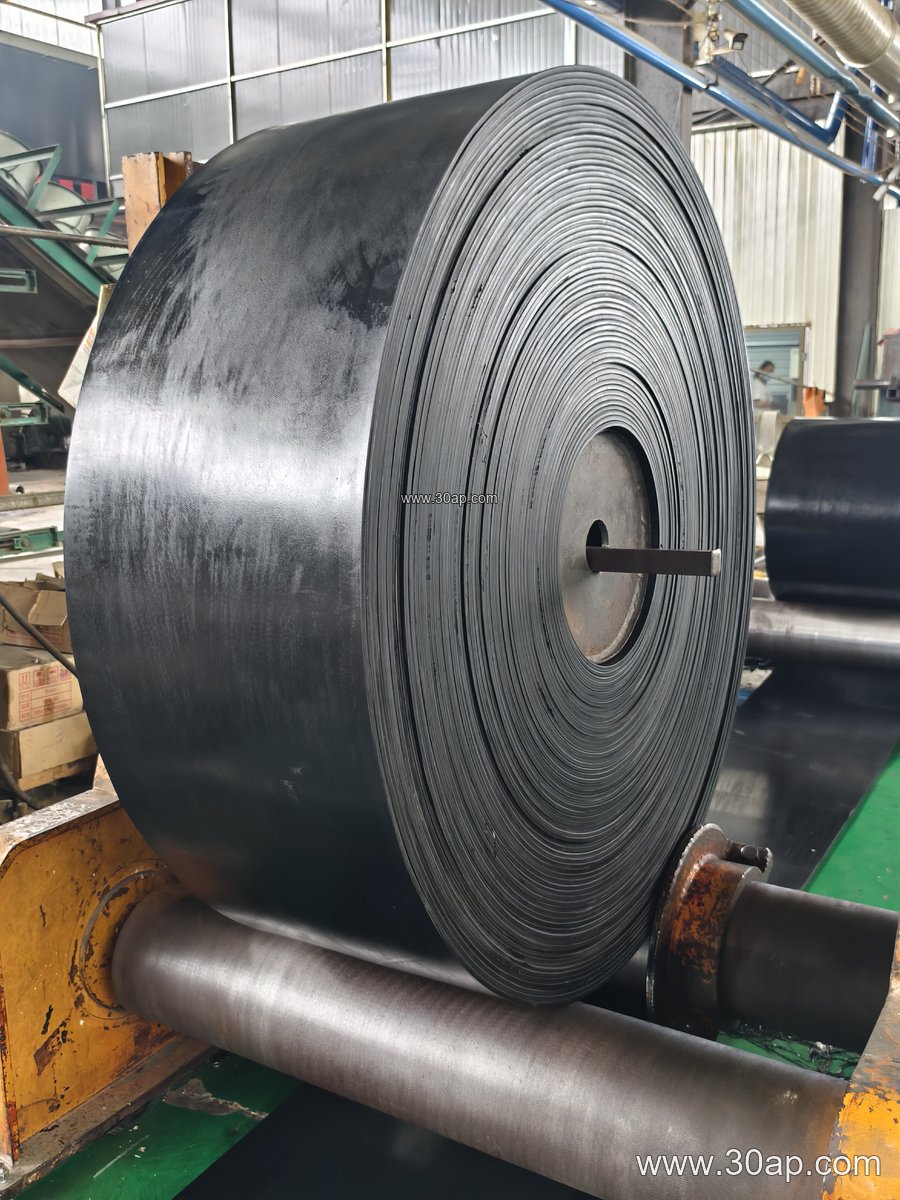
A typical crusher conveyor belt uses a fabric core or steel cord carcass covered with rubber. The carcass provides strength and resistance to elongation, while the cover compounds protect against abrasion and impact. EP conveyor belt (polyester/nylon) and NN conveyor belt (nylon/nylon) are common fabric-core choices. For very high tension and long distances, steel cord conveyor belt is used. Multi-ply fabric core conveyor belt with two to six plies is also common in aggregate plants.
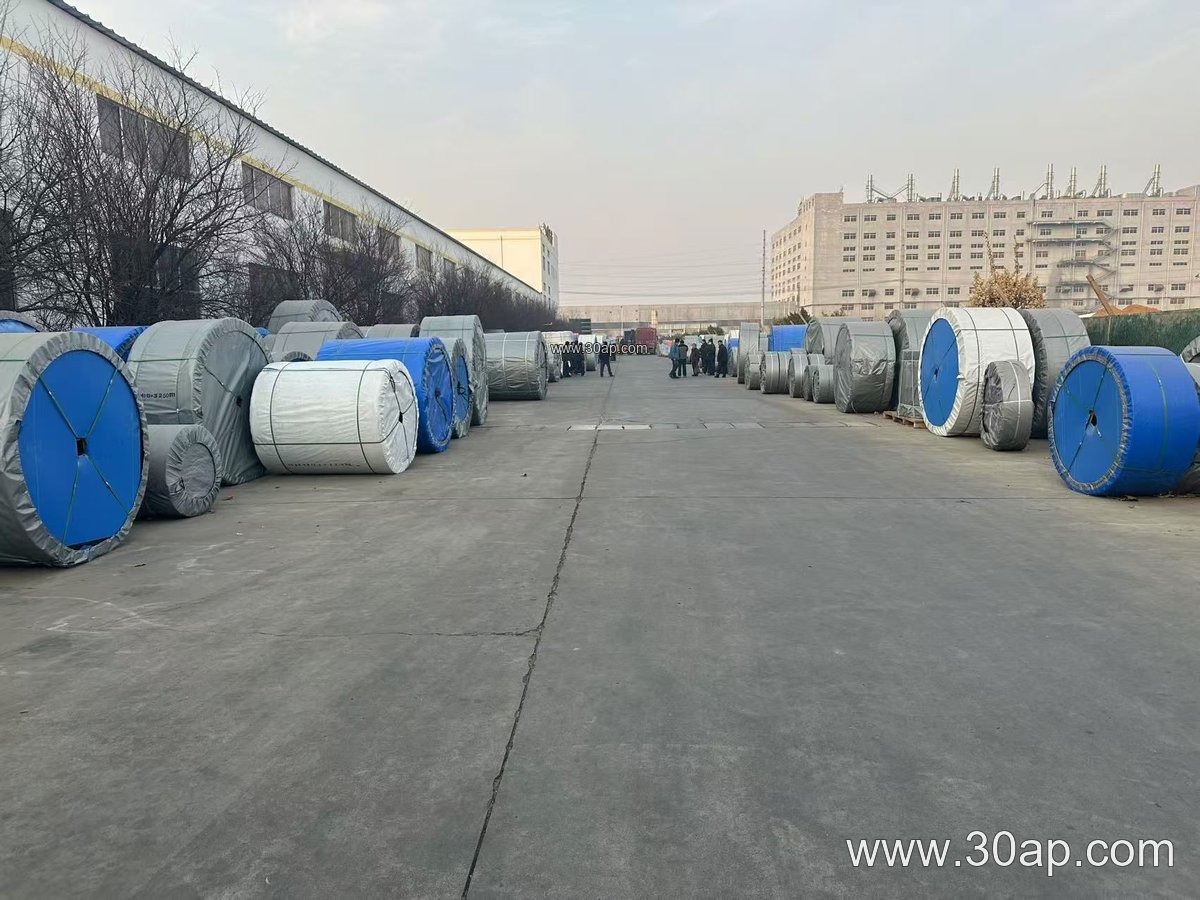
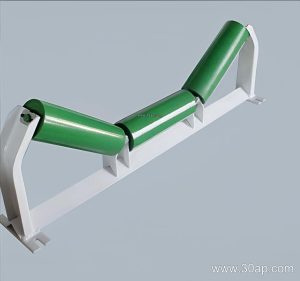
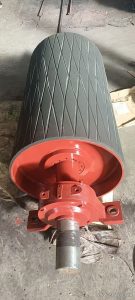
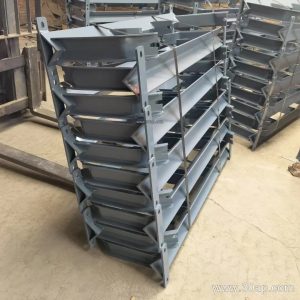
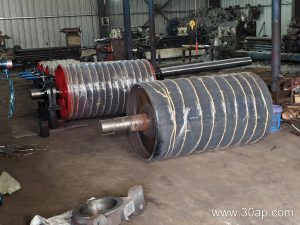
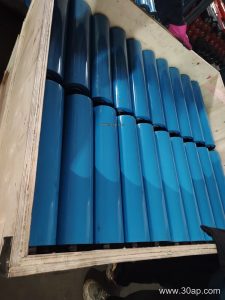
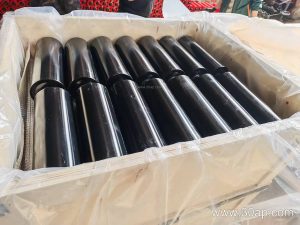
The belt runs over conveyor pulleys and idler rollers supported by conveyor brackets. Drive, tail, and bend pulleys each have a distinct role and are not interchangeable. The drive pulley transmits power, the tail pulley returns the belt, and bend pulleys change direction. Idler rollers support the belt and material load. Proper alignment of these components extends belt life.
Common Specifications and Surface Forms
Belt width and strength are selected by design, not by a fixed rule. Common widths include B500, B650, B800, B1000, B1200, B1400, B1600, B1800, and B2000. Strength grades for EP belts often range from EP200 to EP2000, while steel cord grades may include ST1000 to ST3150. Cover thickness might be 3+1.5 mm, 4+2 mm, 5+2 mm, 6+2 mm, or 8+3 mm depending on abrasion and impact. These values are reference data; actual selection depends on the conveyor design and material characteristics.
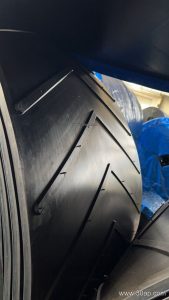
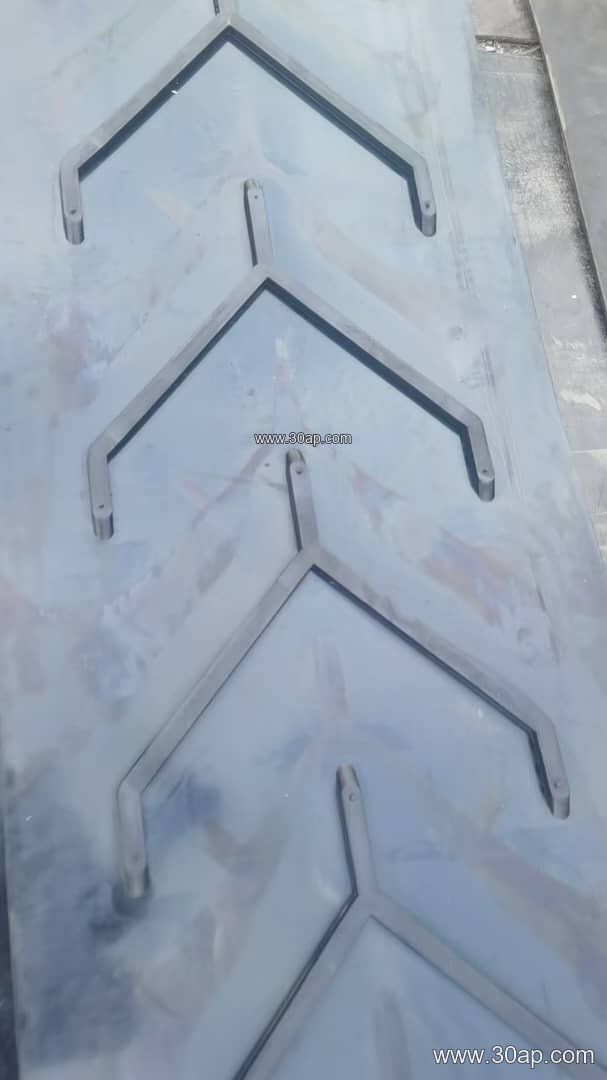
Surface forms matter in specific zones. Chevron conveyor belt or corrugated sidewall belt can help on inclines, but they are not replacements for the main crusher belt. Skirted conveyor belt may be used to contain material at transfer points. Flame retardant and anti-static grades are relevant in coal mining and underground operations, while heat resistant belt is used in cement or clinker handling.
Where Crusher Conveyor Belts Are Used
These belts appear in mining conveyor systems for iron ore, copper ore, and gold mining, as well as in coal mining conveyor belts where flame retardant properties are required. Quarries and sand making plants use them to move crushed stone and aggregate. Cement plants rely on them for limestone and clinker transport. Power plants and steel plants use them for bulk material handling. Ports and ship loading facilities also use heavy-duty belts for rapid transfer.
In every case, the belt must match the material: abrasive rock calls for high abrasion resistant conveyor belt, hot material calls for heat resistant conveyor belt, and oily conditions may require oil resistant conveyor belt. Cold resistant and acid resistant grades exist for special environments.
Buyer Checklist for Crusher Conveyor Belt Selection
- Define the material type, lump size, and temperature range.
- Confirm the required belt width and strength grade with the conveyor designer.
- Choose the carcass type: EP, NN, or steel cord, based on tension and distance.
- Select cover thickness and compound for abrasion, impact, heat, or oil resistance.
- Check compatibility with existing pulleys, idler rollers, and brackets.
- Consider flame retardant and anti-static requirements for underground coal mining.
- Review splicing method and available maintenance resources.
Because crusher conveyor belts are critical to uptime, buyers should request test data and reference profiles from suppliers. At www.example.com/crusher-conveyor-belt, further technical notes on belt construction and selection are available. For related components such as conveyor belt, idler roller, and conveyor pulley, consult the conveyor system provider to ensure a coordinated design.