Why the Conveyor Bracket Defines System Stability
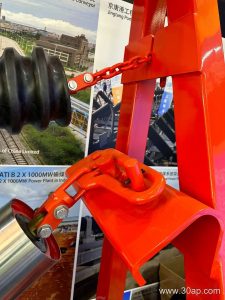
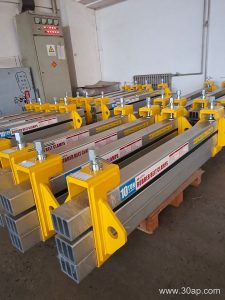
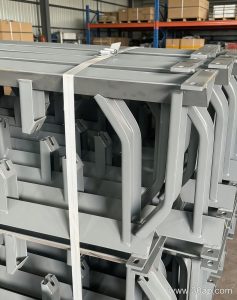
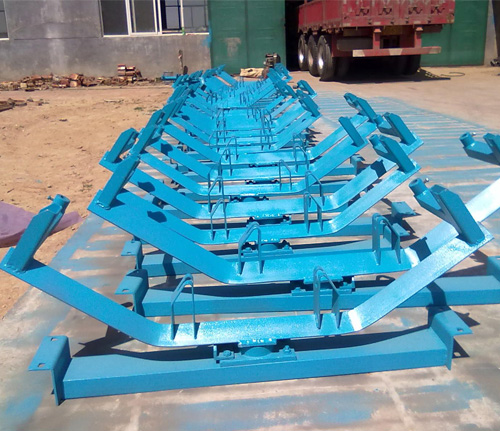
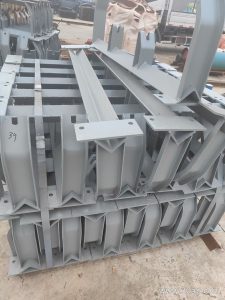
The conveyor bracket is the unsung structural anchor of any belt line. It aligns idlers, absorbs dynamic shock, and prevents belt misalignment. Choosing the wrong bracket leads to vibration, premature wear, and costly downtime.
Key Selection Criteria
- Material match: Galvanized steel for corrosive environments; stainless for food or chemical plants; aluminum for lightweight, mobile conveyors.
- Load rating: Confirm static and dynamic capacity against your peak belt tension and material weight.
- Mounting geometry: Check slot patterns and bolt spacing to fit existing frames or plan new supports.
- Adjustability: Slotted or tiltable brackets simplify trough-angle tuning and belt tracking.
Purchasing Advice
Always request bending and weld inspection certificates. Buy from manufacturers that provide dimensional drawings and replacement guarantees. For retrofit projects, measure the existing idler roll diameter and shaft end before ordering—mismatched brackets cause immediate failure.
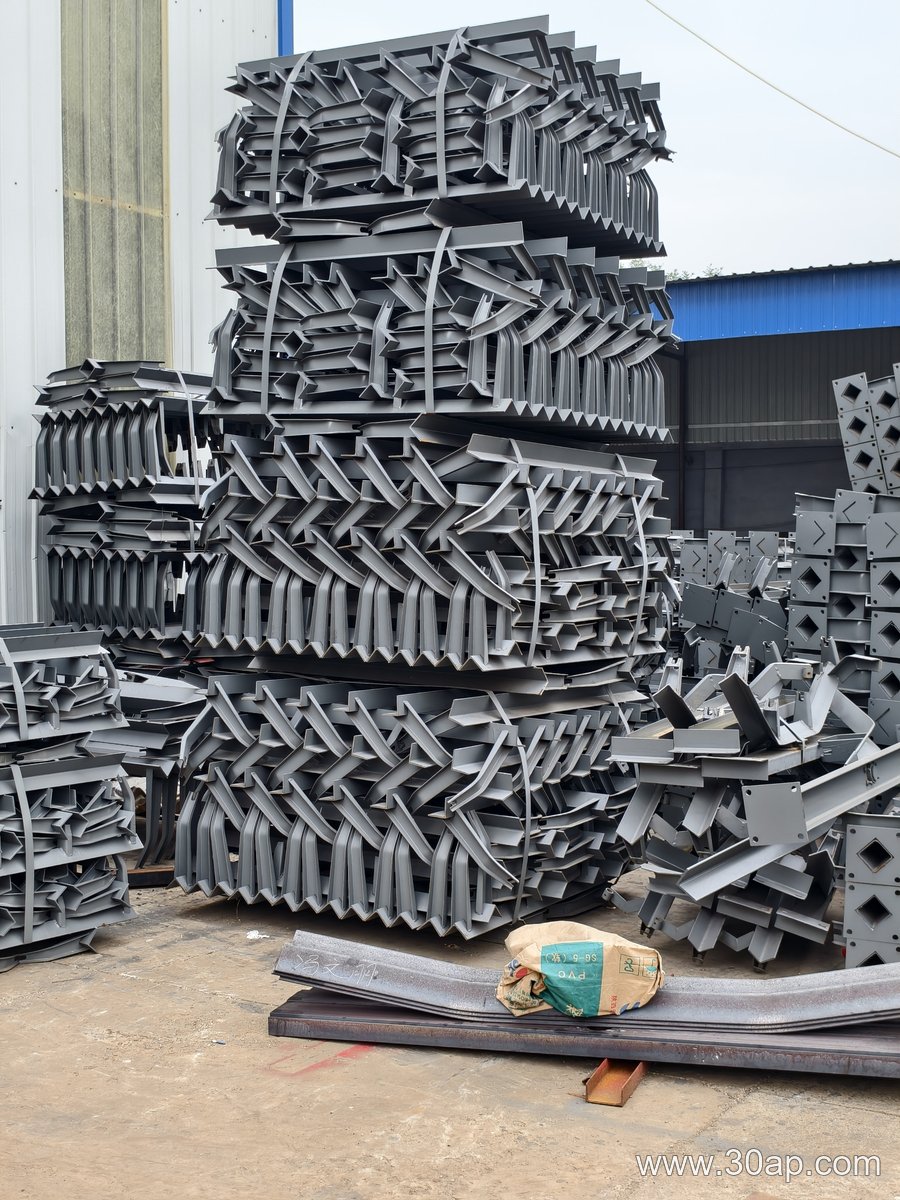
Finally, stock spare brackets for critical transfer points. A two-dollar bracket failure can halt a million-dollar production line.
Why the Conveyor Belt Remains the Backbone of Material Handling
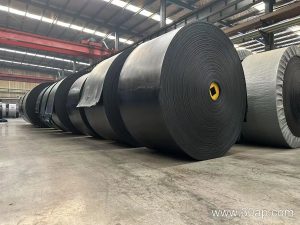
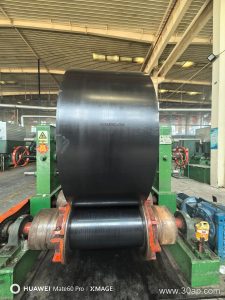
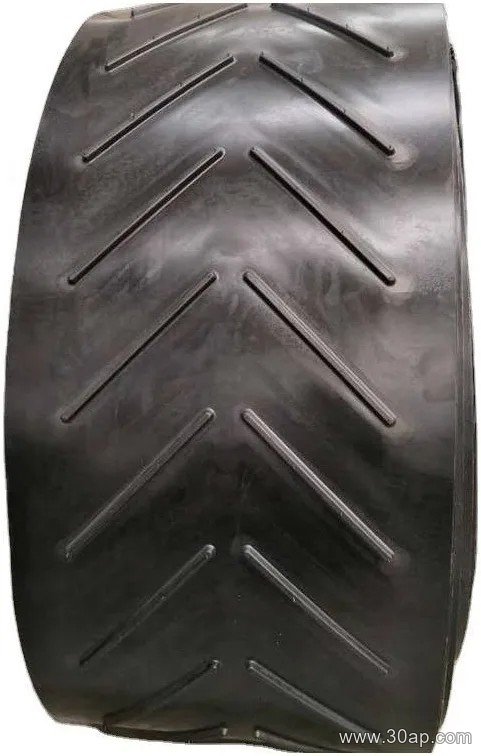
The conveyor belt is far more than a moving surface; it is a precision-engineered system that dictates throughput, safety, and operating costs. Selecting the wrong belt leads to downtime, product damage, and premature wear.
Key Selection Criteria
- Material composition: Rubber for abrasion, PVC for food-grade, metal for heat or sharp objects.
- Load and speed: Calculate peak tension and belt width to avoid sagging or slippage.
- Environment: Consider oil, chemical exposure, temperature extremes, and static discharge needs.
Purchasing Advice
Always request certified test data for tensile strength and elongation. Buy from suppliers offering splice kits and on-site vulcanizing services. For long runs, opt for a reinforced multi-ply belt; for curved paths, use flexible sidewall designs. Finally, verify that your pulley diameter matches the belt’s minimum bend radius to extend service life.
Why the Idler Roller Defines Conveyor Performance
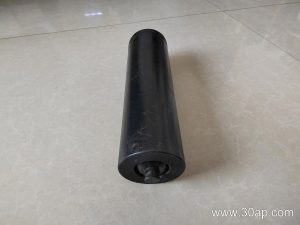
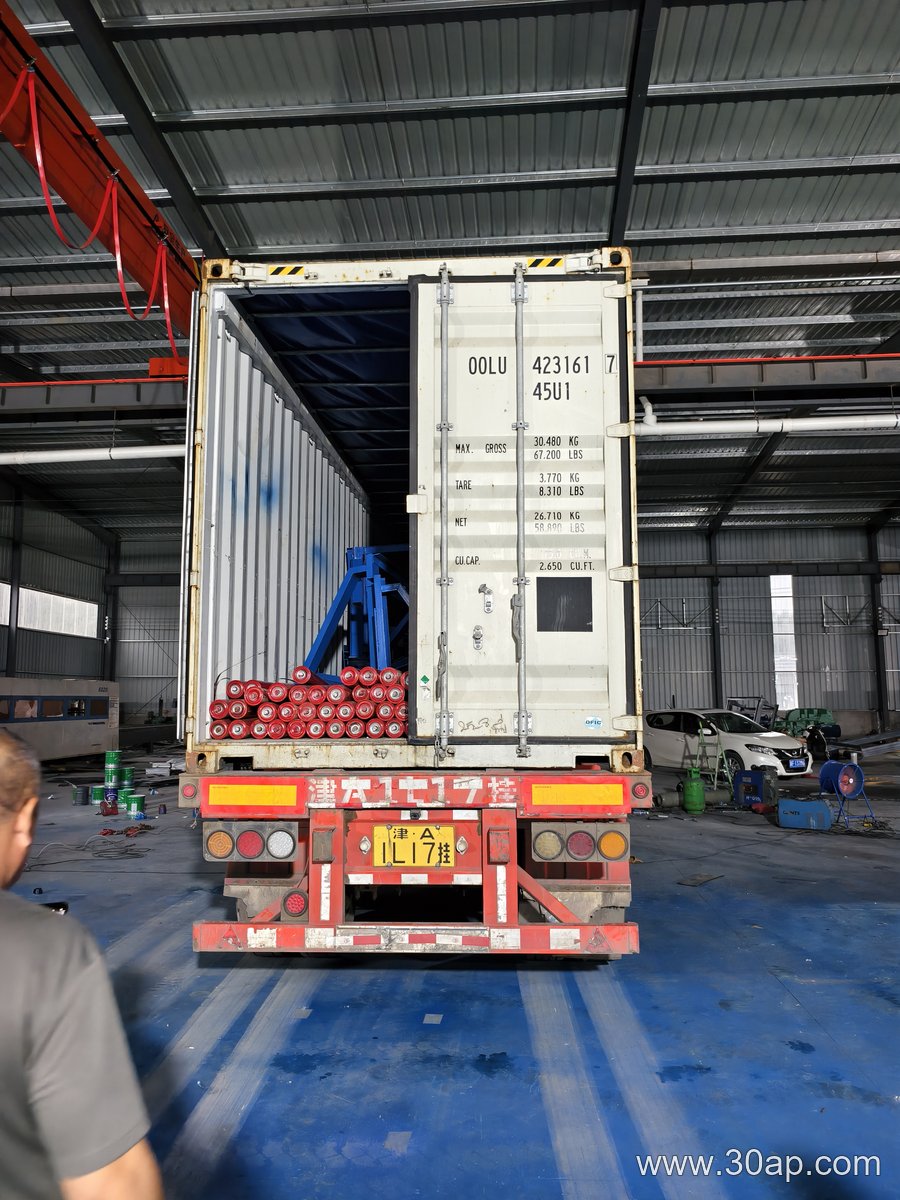
The idler roller is the unsung backbone of any bulk material handling system. It supports the belt, shapes the load, and reduces friction—yet its quality is often underestimated until downtime strikes. A poorly selected idler roller accelerates belt wear, misalignment, and energy waste.
Key Selection Criteria for Industrial Idler Rollers
- Load rating: Match the roller’s dynamic capacity to your peak tonnage, not just average flow.
- Sealing system: Choose labyrinth or contact seals based on dust, moisture, and washdown frequency.
- Roller diameter and shell thickness: Larger diameters reduce belt sag and impact stress; thicker shells resist abrasion.
- Bearing type and clearance: Use C3 or C4 clearance for high-speed or high-temperature operations.
Purchasing Advice for Long-Term Value
Always request test data for run-out and radial eccentricity—specs above 0.5 mm cause belt vibration. Verify that the idler roller’s frame geometry matches your trough angle (20°, 35°, or 45°). For corrosive environments, prefer hot-dip galvanized or stainless steel shells. Finally, buy from suppliers who offer replaceable cartridges, as this cuts maintenance cost by up to 40% over the roller’s life.
Understanding the Conveyor Pulley’s Role
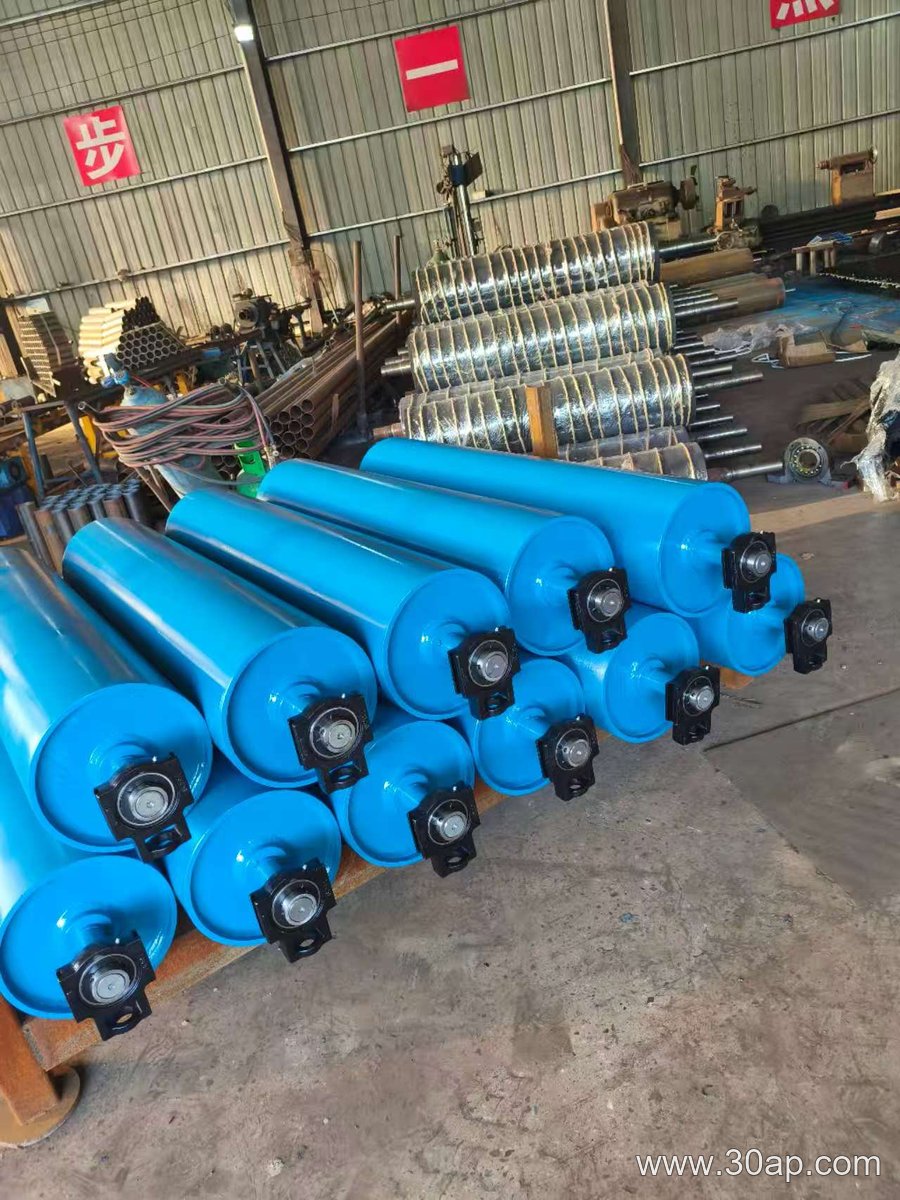
The conveyor pulley is the mechanical heart of any belt conveyor system, responsible for driving, redirecting, and tensioning the belt. Without a correctly engineered pulley, even the best belt and motor will fail prematurely. A pulley must withstand radial loads, belt wrap, and continuous abrasion while maintaining true tracking.
Key Design Parameters for Industrial Buyers
When specifying a conveyor pulley, focus on three critical factors: shaft diameter, shell thickness, and lagging type. Shaft diameter must match the applied torque and bearing spacing; shell thickness depends on belt tension and impact load; lagging (ceramic or rubber) improves friction and protects the shell from slippage.
Choosing Between Drum and Wing Pulleys
- Drum pulleys offer maximum contact area and are ideal for high-tension drive applications.
- Wing pulleys self-clean and are better for tail or take-up positions in sticky material handling.
Purchasing and Maintenance Advice
Always request a certified drawing with crown profile and balancing grade. Inspect the pulley’s hub-to-shaft connection—keyed or locking element—for easy removal. For new systems, order spare pulleys with the same bore and groove specs to avoid downtime. Finally, verify that the pulley manufacturer follows CEMA or ISO standards for weld quality and dynamic balance.