What a Fixed Conveyor Bracket Does on the Line
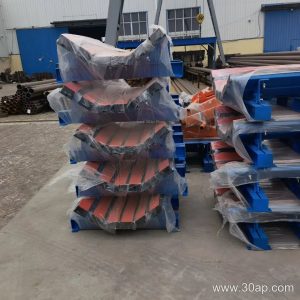
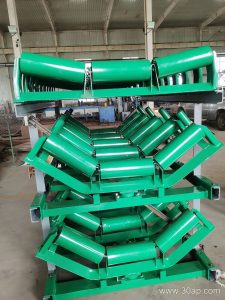
A fixed conveyor bracket is the welded or bolted frame that holds idler rolls at a set position under the belt. Unlike an adjustable bracket, it does not move once installed, so the trough angle, roll spacing and load height stay constant through the whole run. In a quarry or a crushing and screening line, this rigidity is exactly what operators want on the main haul sections where the belt profile must not drift.
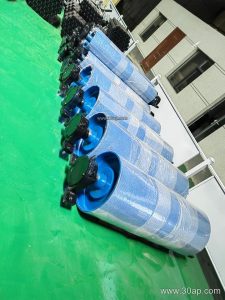
The bracket is part of the supporting structure, not the pulley set. Drive pulleys, tail pulleys and bend pulleys transmit or redirect belt tension, while the fixed bracket carries the weight of the belt and material between those points. Keeping that distinction clear helps when ordering spares for a cement plant or a power plant coal yard.
How the Bracket Is Built
Most units are fabricated from angle steel, channel steel or folded steel plate, then drilled to match the idler shaft ends. A troughing bracket usually has two or three cradle positions that set the side rolls at a fixed angle. Return brackets are flatter, and V-return forms hold two rolls in a shallow V to help center the belt on the return strand.
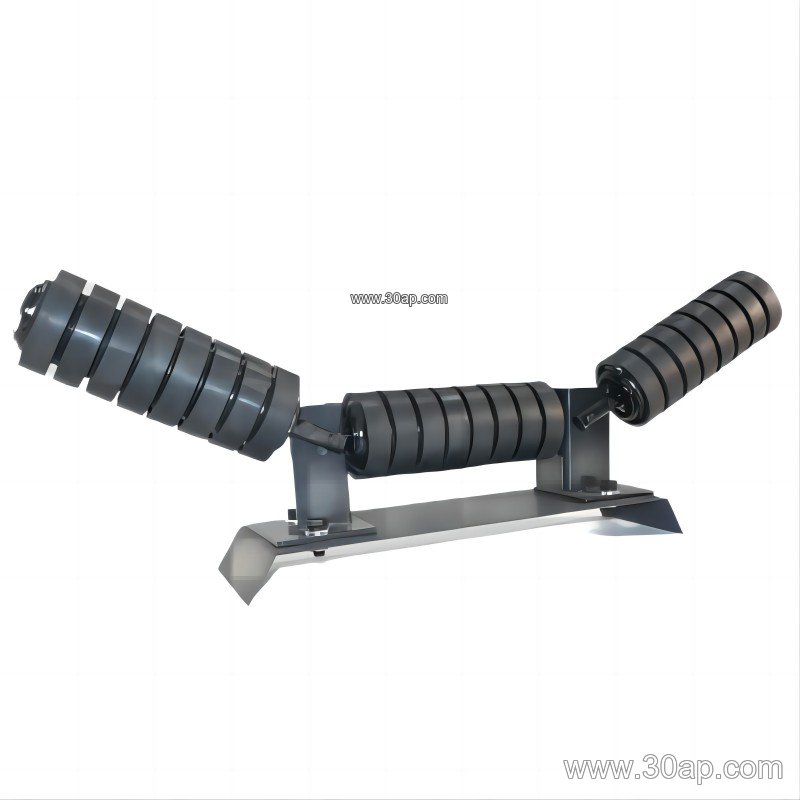
Common build details include:
- Welded crossbeam with drilled mounting holes sized to the belt width and trough angle
- Fixed cradle angle, typically 20, 30, 35 or 45 degrees, chosen at order time
- Roll seats matched to shaft diameters such as Ø89, Ø108, Ø133, Ø159 or Ø194
- Painted or galvanized finish for dusty, humid or coastal sites
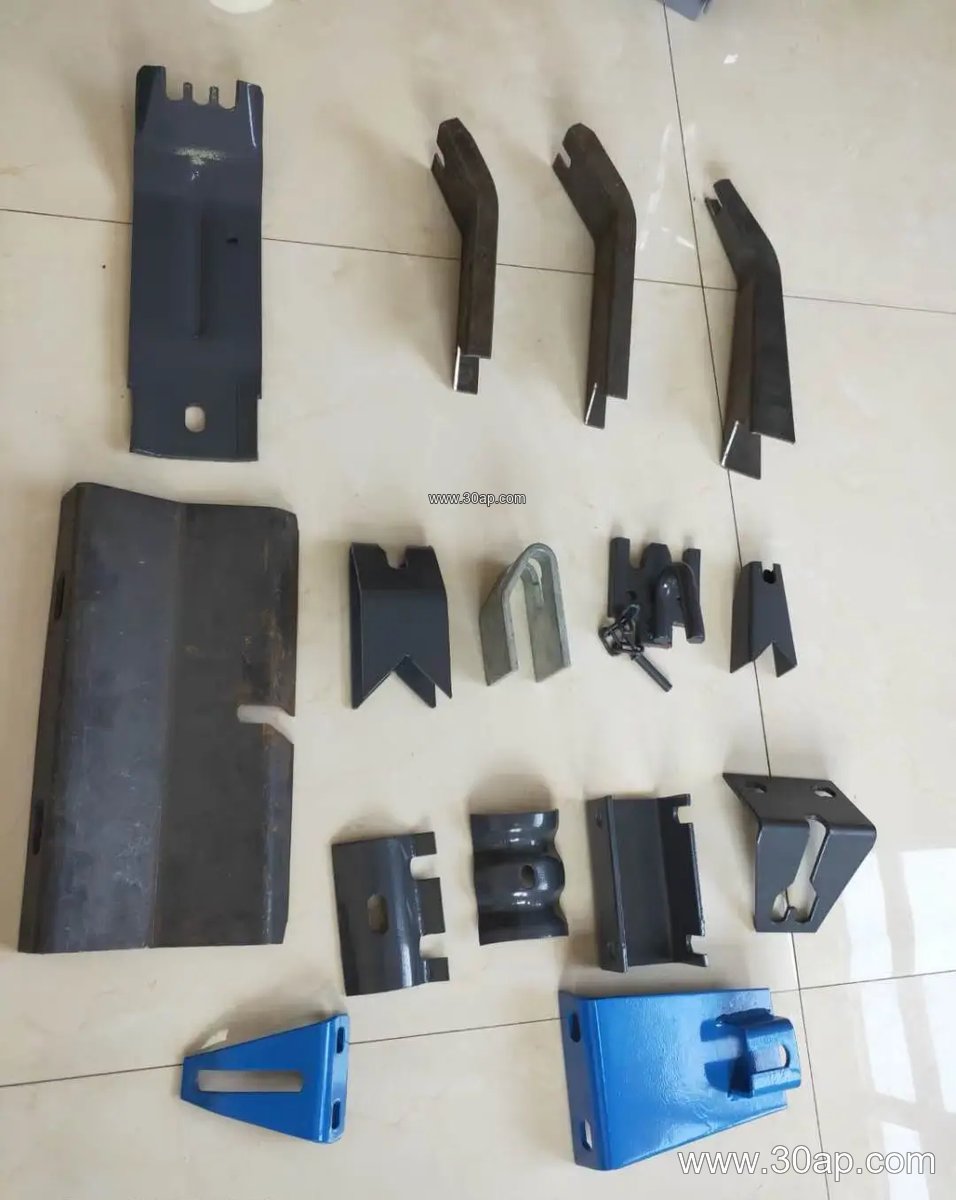
Because the angle is set in the factory, the mounting hole spacing and beam length change with belt width and trough angle. They are not universal numbers, so the bracket is normally ordered against a drawing rather than picked from a shelf.
Typical Reference Combinations
The table below shows common pairings used in design discussions. These are reference values, not fixed rules, and the final selection should follow the conveyor design.
| Belt width | Trough angle | Idler diameter | Typical duty |
|---|---|---|---|
| B500 | 20 degrees | Ø89 | Light aggregate, small sand line |
| B650 | 30 degrees | Ø89 | Sand and gravel transfer |
| B800 | 35 degrees | Ø108 | General quarry feed |
| B1000 | 35 degrees | Ø133 | Cement plant clinker |
| B1200 | 45 degrees | Ø133 | Iron ore and heavy bulk |
| B1400 | 45 degrees | Ø159 | Power plant coal conveying |
| B1600 | 35 degrees | Ø159 | Port ship loading |
| B1800 | 45 degrees | Ø194 | Large tonnage ore handling |
One belt width can serve several trough angles and roll diameters. A B1200 frame may run 35 or 45 degrees depending on the material repose angle and the required capacity, and the roll size follows load and speed rather than width alone.
Where Fixed Frames Fit Best
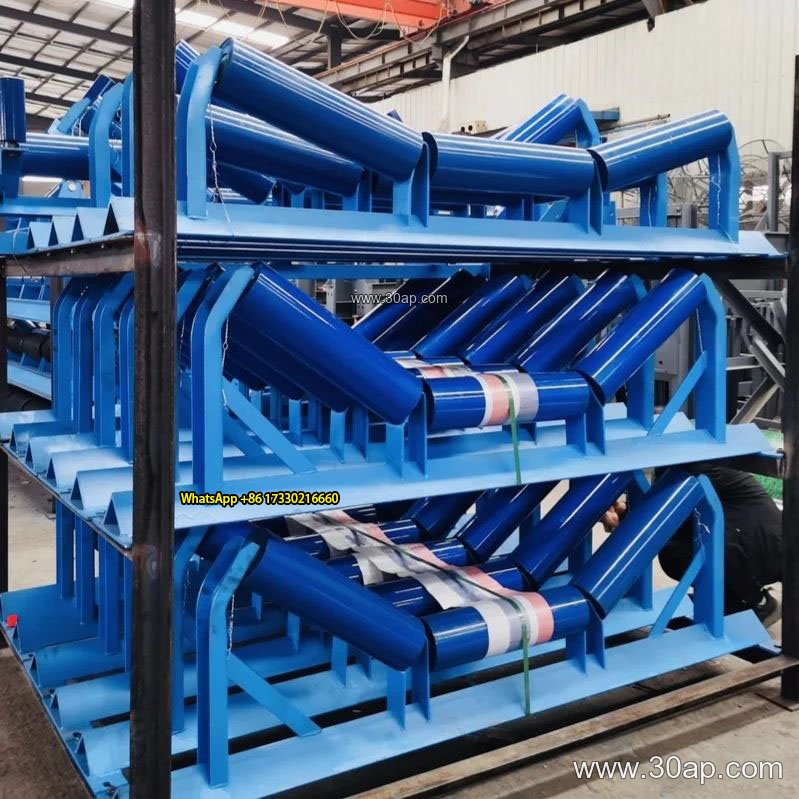
Fixed brackets suit long, straight runs where the belt line is already set. In a limestone mine or a tunnel spoil line, the main incline benefits from a rigid trough that keeps the belt edge away from the structure. The same applies on a steel plant sinter strand feed and on a fertilizer handling gallery where dust and vibration would loosen an adjustable setting over time.
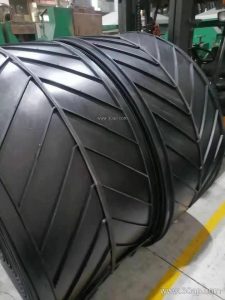
On a coal mining conveyor, a fixed bracket paired with a flame retardant conveyor belt and a well-chosen idler roller gives predictable belt tracking. Where the belt must wrap a curve or pass a transition zone, an adjustable or transition bracket is often used instead, because the angle has to be tuned on site. That is a comparison of support types, not a swap for the fixed frame on the straight sections.
For abrasive ore, a high abrasion resistant conveyor belt running on sturdy fixed cradles reduces edge wear. For hot clinker, a heat resistant conveyor belt needs brackets that keep the rolls aligned so the belt does not cup or fold.
Buyer Checklist
- Confirm belt width and the trough angle required by the conveyor design
- Match the roll seat to the actual idler shaft diameter, not to an assumed size
- State the material and environment so the finish and steel grade suit the site
- Ask for a dimension drawing showing hole spacing and beam length
- Check that the bracket works with the selected conveyor pulley layout and take-up
- Order spare cradles for high-wear zones such as loading points and crusher discharge
On impact zones, a buffer bracket with rubber rings is often preferred over a plain fixed frame, since falling rock can deform a rigid cradle. For the rest of the run, the fixed conveyor bracket remains a simple, low-maintenance way to hold the belt in a stable trough from the head end to the tail.