What a Rust-Resistant Idler Is and Why It Matters
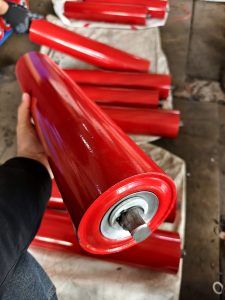
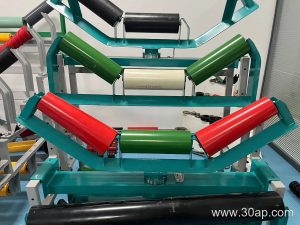
A rust-resistant idler is a conveyor idler roller built to withstand corrosion in damp, chemical-laden, or outdoor environments. Unlike standard painted steel idlers, this idler roller uses materials and coatings that inhibit rust formation, extending service life and reducing maintenance downtime. In industries such as coal mining, cement plants, power plants, and port facilities, where moisture and corrosive substances are common, a rust-resistant idler helps keep the conveyor belt running smoothly. For operations dealing with abrasive materials, pairing these idlers with an Abrasion Resistant Conveyor Belt can further enhance system durability.
Construction and Key Components
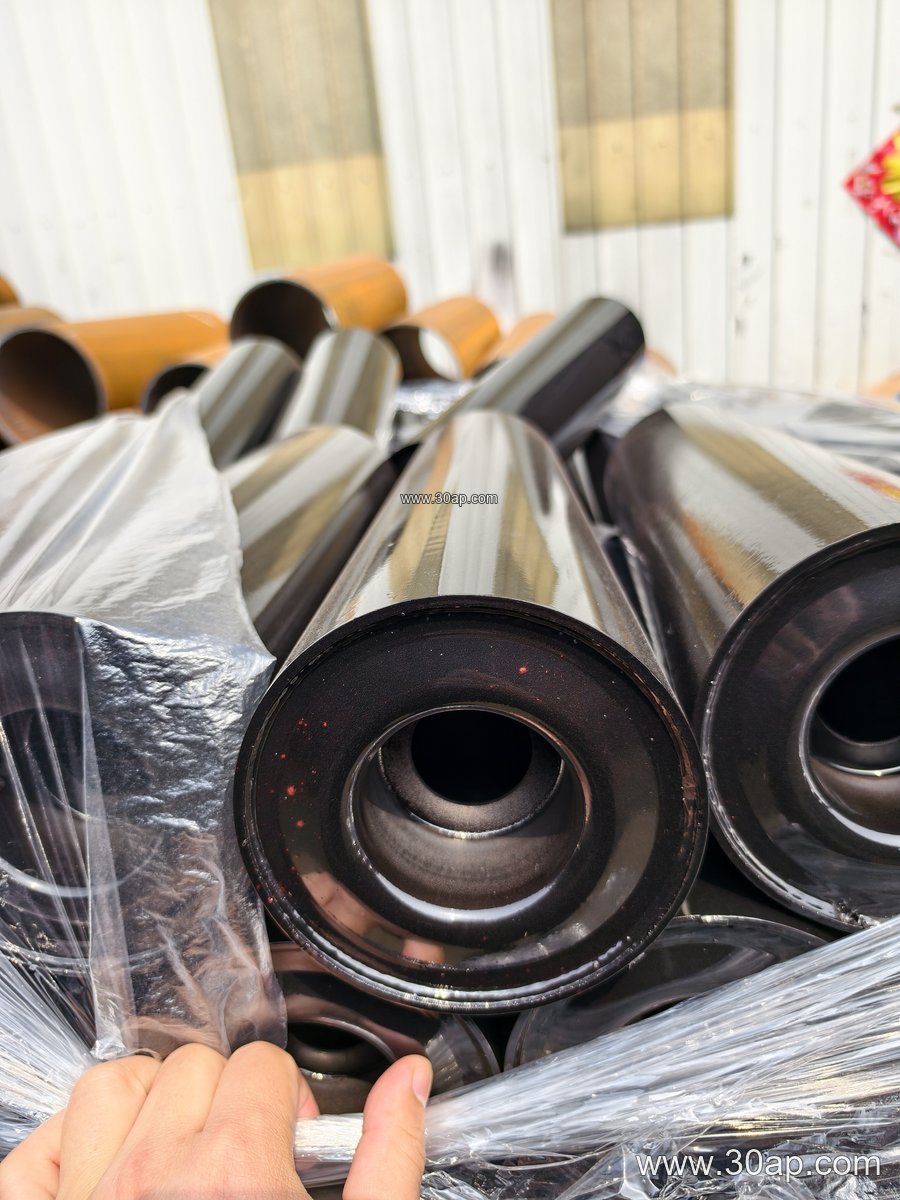
The rust-resistant idler typically features a steel tube with a protective coating or is made from corrosion-resistant materials like stainless steel or polymer. The roller surface may be plain steel, nylon, ceramic, or rubber-covered, depending on the application. Seals and bearings are critical: common bearing sizes include 6204, 6205, 6305, 6306, 6308, and 6310, selected based on load and speed requirements. The sealing system often incorporates multiple labyrinth seals to keep out moisture and dust, which are primary causes of rust and premature failure. Proper sealing also protects the bearing, ensuring smooth rotation of the idler roller.
Where Rust-Resistant Idlers Are Used
These idlers are essential in environments where humidity, water spray, or corrosive dust is present. For example, in a coal washing plant, constant exposure to water and coal fines can quickly corrode standard idlers. A rust-resistant idler extends replacement intervals and maintains proper belt support. Similarly, in a port handling bulk materials, salt-laden air accelerates rusting; here, rust-resistant idlers are a practical choice. They are also found in fertilizer plants and other chemical processing facilities where corrosive vapors exist. When conveying materials that generate static electricity, combining rust-resistant idlers with an Anti-Static Conveyor Belt ensures safe operation.
Common Types and Configurations
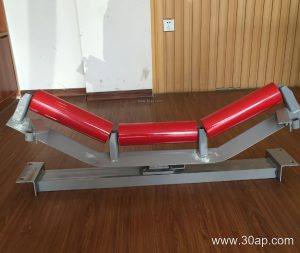
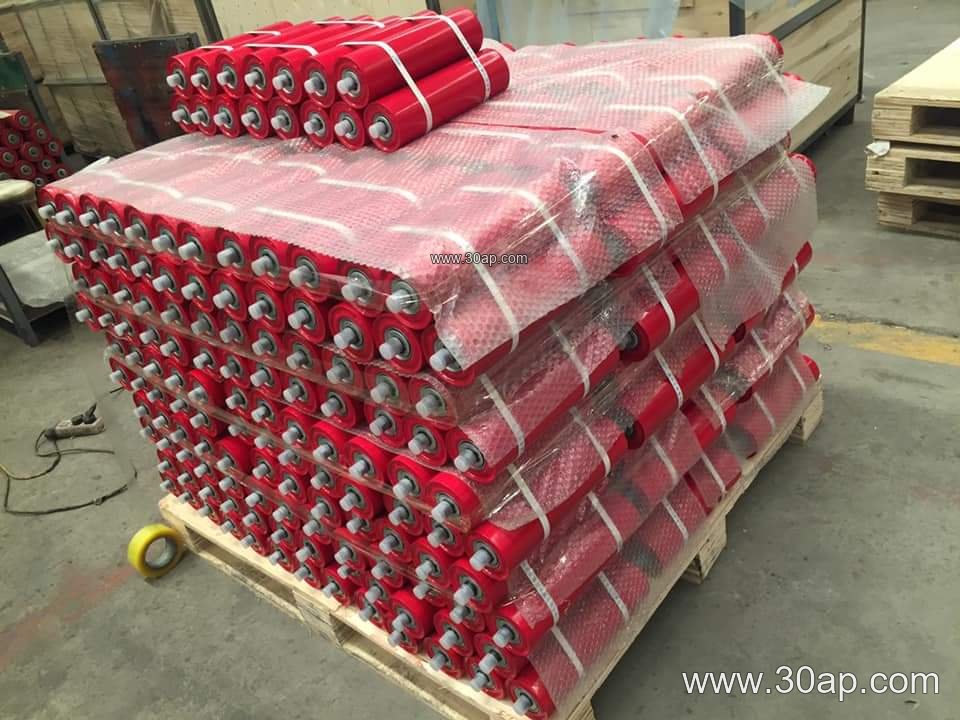
Rust-resistant idlers are available in various configurations to match the conveyor design. Troughing idlers (three-roll, two-roll, or single-roll) support the carrying side of the belt, while return idlers support the return side. Impact idlers, with rubber rings, absorb shock at loading points. Training idlers help keep the belt centered. The table below lists typical dimensions and configurations for reference; actual selection depends on belt width, load, and environment.
| Type | Common Roller Diameter (mm) | Belt Width Range (mm) | Typical Bearing |
|---|---|---|---|
| Troughing idler (3-roll) | Ø89, Ø102, Ø108, Ø127, Ø133 | B500 to B1400 | 6204, 6205, 6305 |
| Return idler (flat) | Ø89, Ø102, Ø108, Ø127 | B500 to B1200 | 6205, 6305, 6306 |
| Impact idler | Ø108, Ø127, Ø133, Ø159 | B800 to B1600 | 6306, 6308, 6310 |
| Training idler | Ø89, Ø102, Ø108, Ø133 | B650 to B1400 | 6205, 6305 |
Note that roller length varies with belt width and trough angle (20°, 30°, 35°, 45°). For instance, a three-roll troughing set for B800 might use 315 mm rolls, but this is not a fixed rule; side and center rolls can differ. Always consult the conveyor design for exact specifications.
Selection and Maintenance Tips
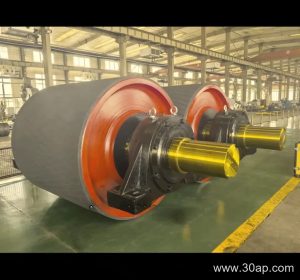
When choosing a rust-resistant idler, consider the operating environment: humidity, presence of chemicals, and temperature. The coating or material should match the corrosion severity. Bearing selection should account for load and speed; larger bearings (e.g., 6308, 6310) suit heavier loads. Regular inspection of seals and roller rotation helps detect problems early. In dusty conditions, combine with a Flame Retardant Conveyor Belt to reduce fire risk. Proper alignment and tension of the conveyor belt also extend idler life. Remember that idlers are not interchangeable with drive pulleys; each component has a specific role.
Conclusion
A rust-resistant idler is a cost-effective solution for corrosive conveyor environments. By understanding construction, types, and selection factors, buyers can make informed decisions to improve reliability and reduce maintenance. For harsh applications, consider pairing with specialized belts like Heat Resistant Conveyor Belt or Oil Resistant Conveyor Belt to optimize the entire system.