What a Bulk Material Conveyor Belt Does
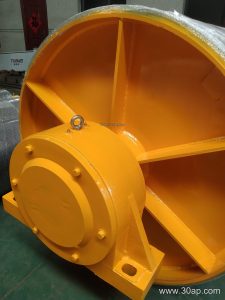
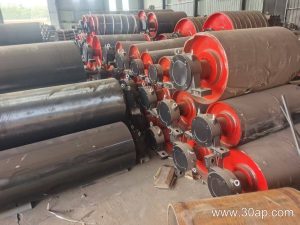
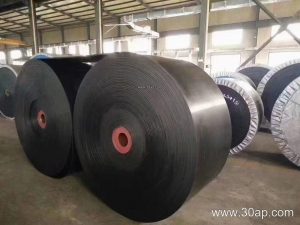
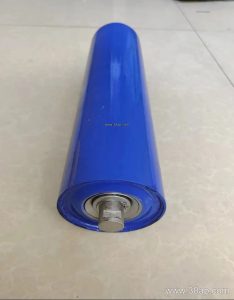
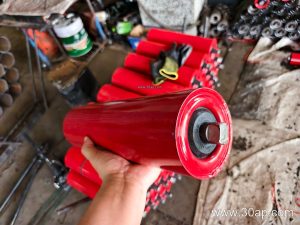
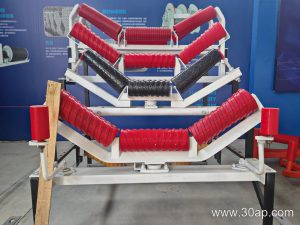
A bulk material conveyor belt is the load-carrying surface of a continuous conveying system, built to move loose materials such as crushed rock, ore, coal, clinker, sand, gravel, cement and fertilizers over long distances without interruption. Unlike a general-purpose belt used for packaged goods, this rubber conveyor belt is designed around heavy loads, sharp edges, abrasive dust and variable weather. It works together with idler rollers, conveyor pulleys and conveyor brackets to form the complete carrying line.
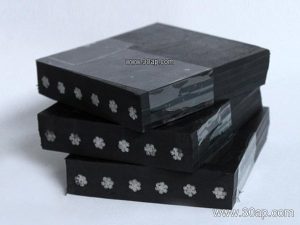
The belt is not a simple strip of rubber. It is a composite structure: a tension-bearing carcass inside, covered on both sides by protective rubber layers, with edges cut or molded to suit the application. That layered construction is what allows one product family to serve a quarry, a cement plant, a power station and an underground coal mine.
Construction and Main Subtypes
The carcass determines how much pull the belt can take and how far it can span between pulleys. Common options include:
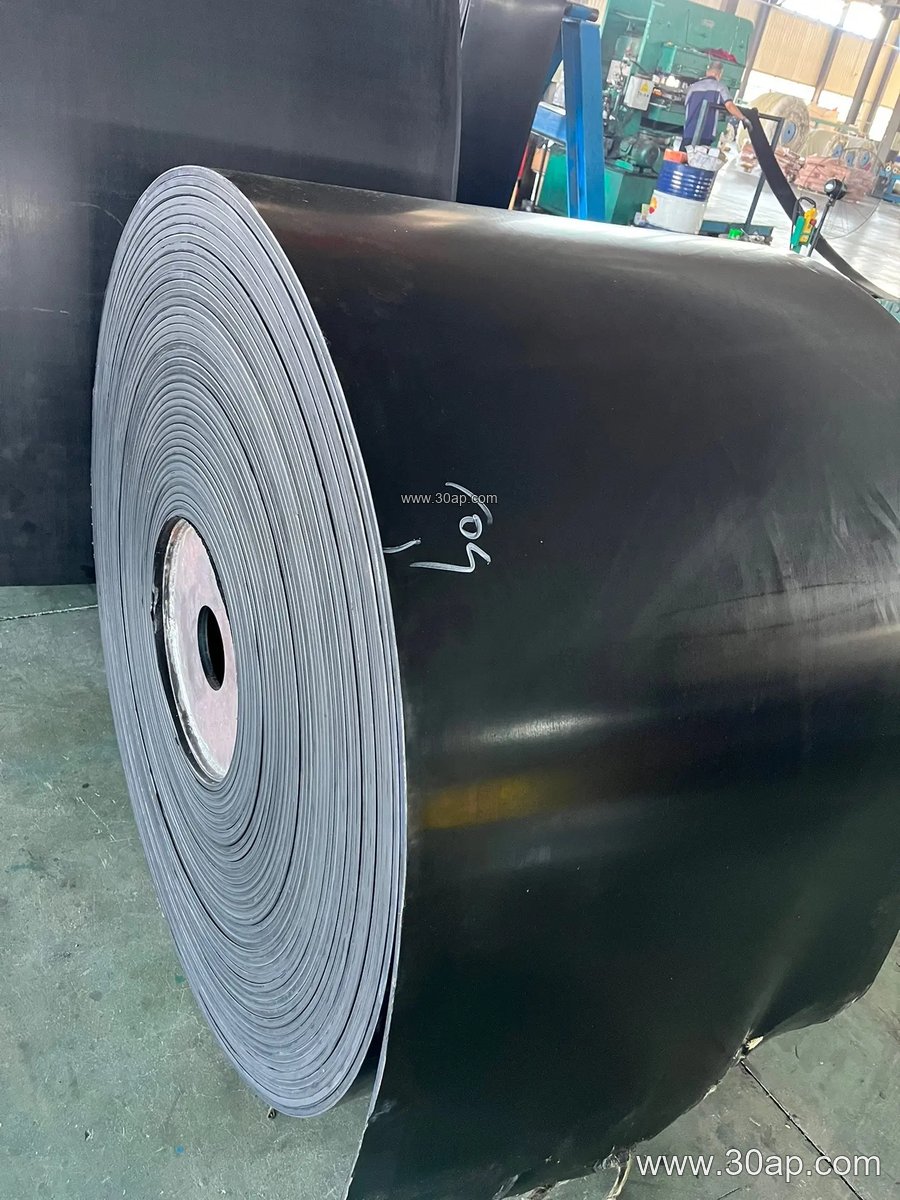
- Fabric core conveyor belt — woven fabric layers embedded in rubber. Multi-ply fabric core conveyor belt construction with two to six plies is common for medium-duty duties.
- EP conveyor belt — polyester-polyamide carcass, offering low elongation and good tension capacity. EP100, EP200, EP400, EP630 and EP1000 are frequently referenced strength grades.
- NN conveyor belt — nylon-nylon carcass, valued for flexibility and impact absorption in crusher and screen feed lines.
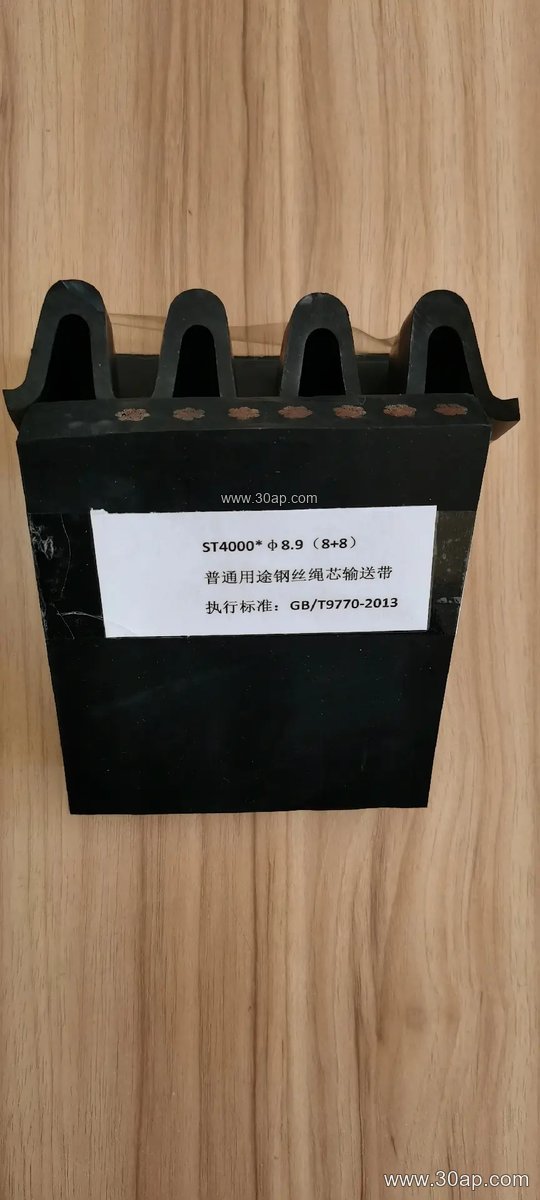
- Steel cord conveyor belt — parallel steel wires in place of fabric, used for very long runs and high tonnage. ST1000, ST1600 and ST2500 are typical designations.
- PVC and PVG conveyor belt — solid-woven or plastic-covered constructions often chosen for underground coal mining conveyor belt duties where flame resistance matters.
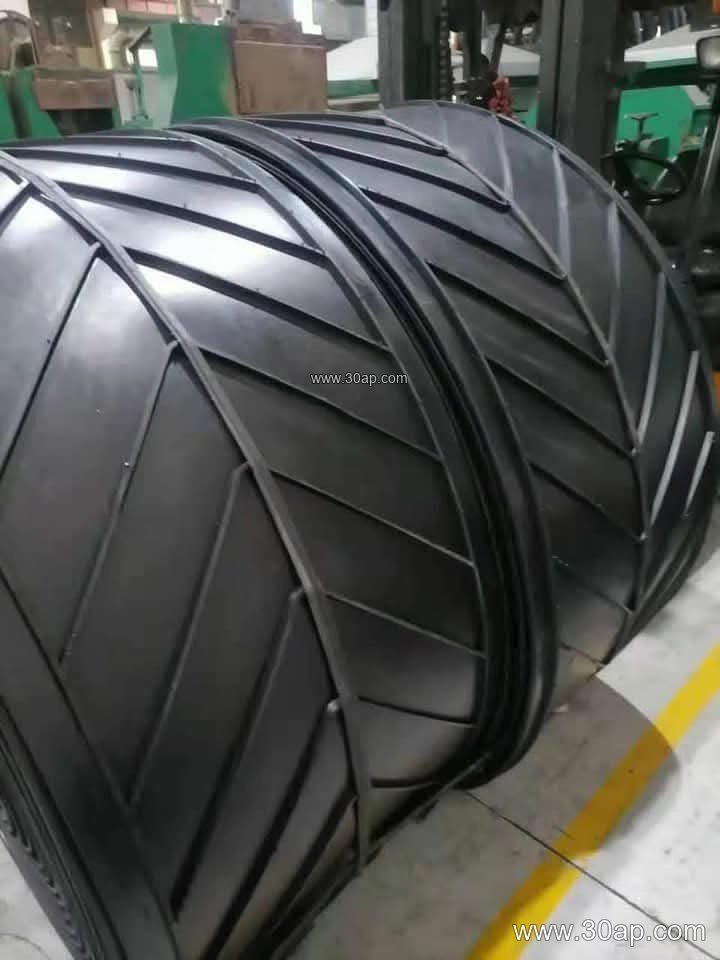
Cover rubber is selected by duty. An abrasion resistant conveyor belt handles sharp stone and ore; a heat resistant conveyor belt serves cement clinker and sinter; an oil resistant conveyor belt suits oily scrap and some mineral feeds; flame retardant and anti-static grades are specified where fire and static risk exist. Chevron conveyor belt and corrugated sidewall conveyor belt designs add grip or containment on inclined routes, while a pipe conveyor belt encloses the load to control dust and spillage.
Typical Sizes and Reference Data
Dimensions are project-specific. The values below are common reference ranges, not a mandatory match between width and pulley size. Belt width and pulley diameter are selected together with the drive design and the required shaft load.
| Parameter | Common Reference Range |
|---|---|
| Belt width | B500, B650, B800, B1000, B1200, B1400, B1600, B1800, B2000 |
| Fabric strength grade | EP200, EP315, EP400, EP500, EP630, EP800, EP1000, EP1250, EP1600, EP2000 |
| Steel cord grade | ST1000, ST1250, ST1600, ST2000, ST2500, ST3150 |
| Cover thickness | 3+1.5 mm, 4+2 mm, 5+2 mm, 6+2 mm, 8+3 mm |
| Carcass plies | Usually 2 to 6 fabric layers |
| Surface forms | Smooth, chevron, corrugated sidewall, skirted |
A 1200mm wide conveyor belt is a widespread choice in aggregate plants, while 1800mm wide or 2000mm wide belts appear in high-capacity port and mine systems. Thickness and cover grade should follow the material: a 10mm thick EP conveyor belt with 6+2 mm covers may suit one duty, while a different plant may need 8+3 mm covers and a heavier carcass.
Where It Is Used
These belts appear across mining, coal preparation, cement production, power generation, sand and gravel plants, steel works, ports and recycling facilities. In a crusher conveyor belt line, the belt receives material directly from the discharge point, so impact resistant covers and closely spaced idler rollers help absorb shock. Quarry conveyor belt routes often combine inclines and curves, where a chevron or skirted design prevents rollback and spillage. Underground coal mining conveyor belt systems usually require flame retardant and anti-static properties, and PVG800 or PVG800S constructions are often discussed for such duties. Port and ship loading conveyors favor wide, high-strength belts with reliable splice quality.
What Buyers Should Check Before Ordering
- Material profile — lump size, density, moisture, temperature, oil content and abrasiveness. These decide cover grade and carcass type.
- Route geometry — horizontal length, lift, incline angle, curve radius and transition distances. Inclines may call for a chevron conveyor belt or corrugated sidewall conveyor belt.
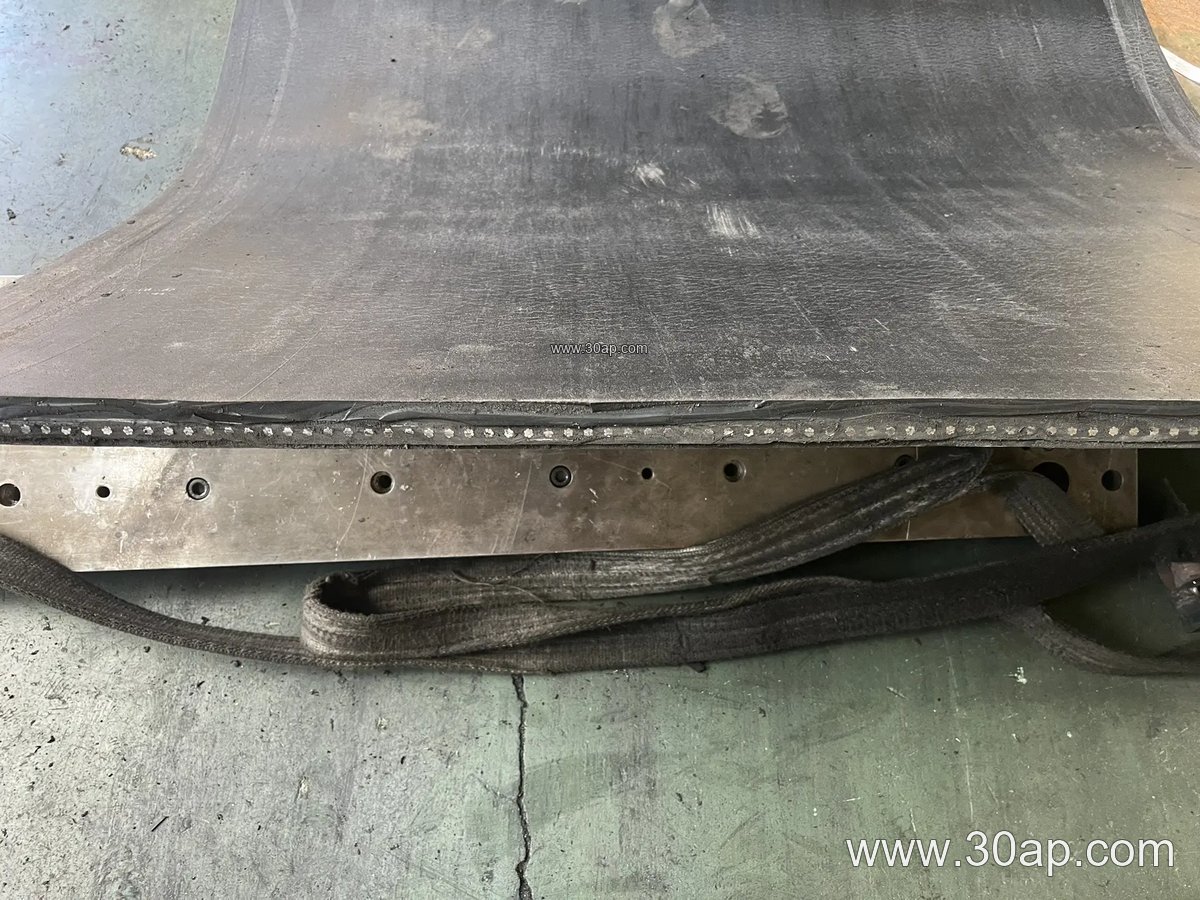
- Tension and splice — confirm the working tension, safety factor and whether a vulcanized or mechanical splice is planned. An endless conveyor belt made at the factory reduces splice risk on critical lines.
- Environmental conditions — cold resistant grades for freezing sites, heat resistant grades near kilns, and fire resistant grades in coal handling.
- Compatibility — check pulley diameters, idler roller spacing, bracket dimensions and take-up travel against the belt thickness and stiffness.
Ask for the manufacturer’s tension rating, cover grade data and recommended minimum pulley diameter rather than assuming that one belt width fits one pulley size. Request a splice plan and a tracking check procedure as part of the delivery. Buyers can review bulk material conveyor belt options and matching accessories such as idler roller and conveyor pulley assemblies at gt-belt.com before finalizing a specification.
Installation and Maintenance Notes
Correct alignment at the tail and head prevents edge damage and premature wear. Keep the belt centered through the loading zone, control material feed to reduce impact, and inspect covers for cuts and embedded metal. Clean idler rollers reduce friction and tracking faults. Store spare belts away from sunlight, oil and ozone sources, and rotate stock. A planned inspection schedule for covers, splices and edges extends service life more reliably than reacting to failures.