What an Underground Conveyor Belt Is
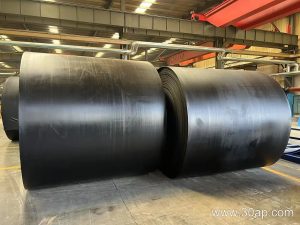
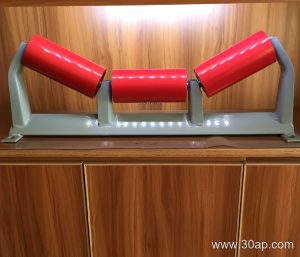
An underground conveyor belt is the load-carrying element of a belt conveyor installed in tunnels, mine roadways, and other confined below-ground works. It runs continuously over a frame fitted with idler rollers, a head or drive pulley, a tail pulley, and bend pulleys that steer the return strand. The belt itself is a composite: a tension-bearing carcass covered on both faces with rubber or PVC compounds. In practice, the same product is often called an underground mining conveyor belt or a subterranean belt conveyor belt, depending on the region and the supplier.
Because these systems operate where access is tight and ventilation is limited, the belt must combine strength, tracking stability, and fire safety in one package. That combination is what separates an underground specification from a general-purpose surface belt.
Construction and Carcass Options
The carcass carries the pull. Three families dominate below-ground duty:
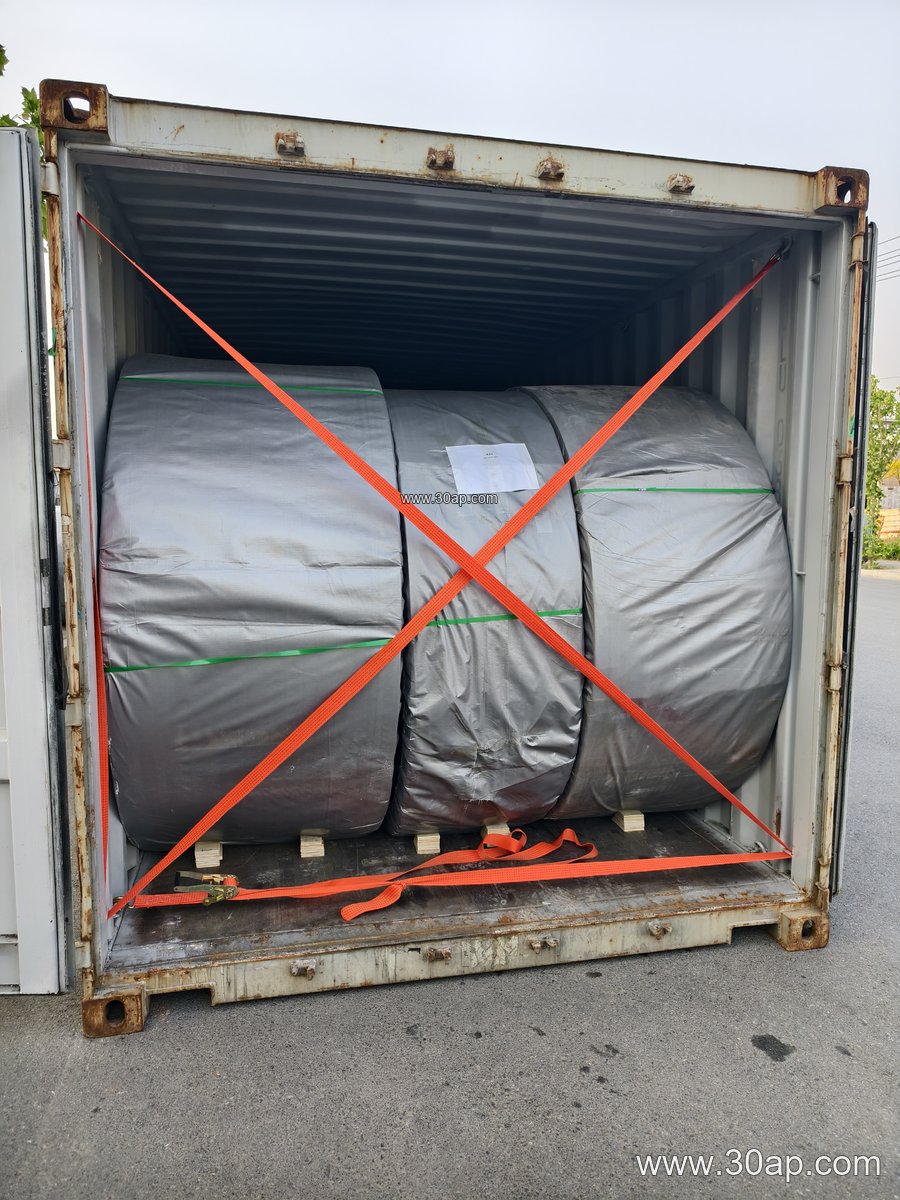
- Fabric core belts — EP conveyor belt (polyester warp, polyamide weft) and NN conveyor belt (all-nylon) are the workhorses. Multi-ply fabric core conveyor belt construction with 2 to 6 plies is common for main haulage and transfer runs. Typical strength grades include EP200, EP400, EP630, EP1000, and EP1250; higher grades such as EP1600 and EP2000 exist for demanding profiles.
- Steel cord belts — a single layer of brass-plated cables, used on long, high-tension trunk conveyors. Grades such as ST1000, ST1600, and ST2500 appear in deep mines where fabric belts would need too many splices.
- PVC and PVG belts — solid-woven or fabric-reinforced constructions with PVC covers, widely chosen for coal mining conveyor belt duty because they resist flame propagation and static buildup. PVG800S is a familiar designation in this group.
Cover compounds are matched to the cargo: abrasion resistant conveyor belt grades for ore and rock, flame retardant conveyor belt and fire resistant conveyor belt compounds for coal, oil resistant conveyor belt covers for machinery areas, and cold resistant grades for shafts with sub-zero airflow. Anti-static conveyor belt properties are usually specified together with flame resistance, not instead of it.
Common Reference Dimensions
The table below is indicative only; final values are set by design and vary between manufacturers.
| Parameter | Typical reference range |
|---|---|
| Belt width | B500, B650, B800, B1000, B1200, B1400, B1600, B1800, B2000 |
| Fabric strength grades | EP200 to EP2000; NN100 to NN400 |
| Steel cord grades | ST1000 to ST3150 |
| Cover thickness (top + bottom) | 3+1.5, 4+2, 5+2, 6+2, 8+3 mm |
| Carcass plies | 2 to 6 layers, fabric types |
Width and pulley diameter are separate decisions. A 1000mm belt may run on different pulley sizes depending on tension and splice type; no single pairing is universal.
Where It Runs
Underground coal mining conveyor belt systems move raw coal from the face to the shaft or drift. Metal mines use ore conveyor belt and iron ore conveyor belt circuits to lift crushed rock along inclined drifts. Tunneling projects employ the same belts for muck removal, often with chevron conveyor belt or corrugated sidewall conveyor belt profiles on steep gradients to stop material rollback. In cement and aggregate operations, a quarry conveyor belt may continue below ground where primary crushing is located in a pit. Power plant and steel plant operators also run enclosed belts in cable tunnels and basement transfer galleries.
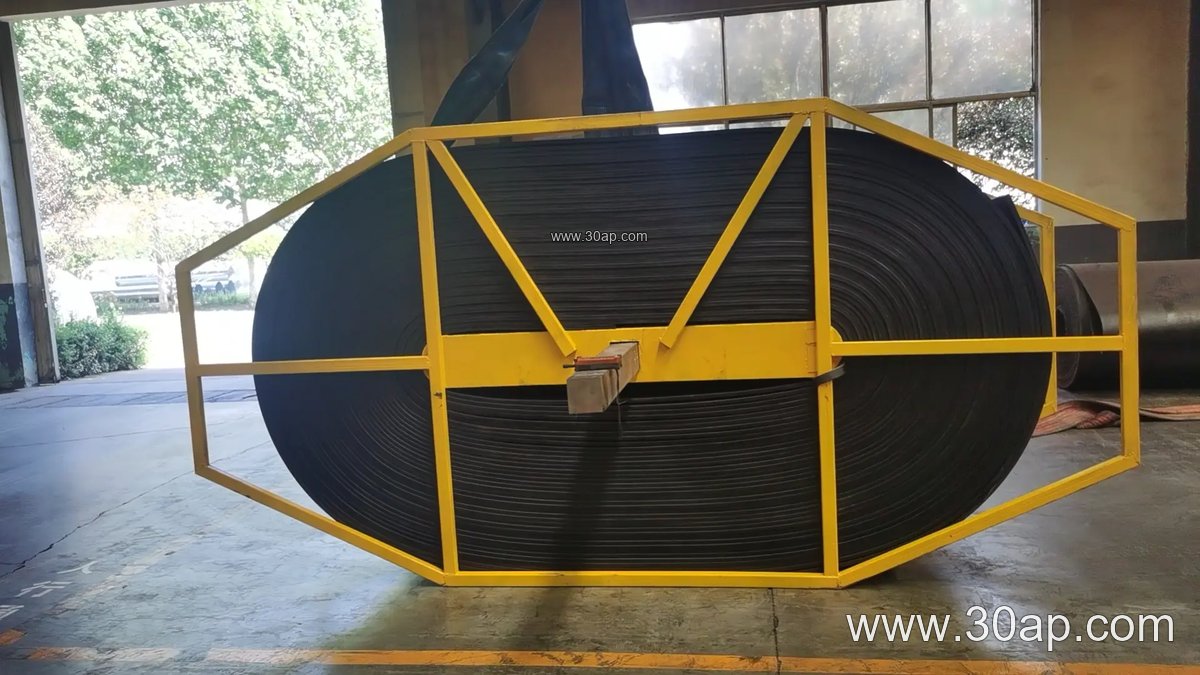
Where space is the constraint, a pipe conveyor belt can enclose the cargo and follow tight curves, but it is a different belt type and should not be treated as a drop-in substitute for a flat underground conveyor belt.
Selection Points for Buyers
- Fire and static performance first. Confirm the flame retardant and anti-static requirements for the specific roadway before comparing strength grades.
- Tension and splice method. Steel cord belt needs vulcanized splices and larger pulleys; fabric belt allows mechanical splicing in cramped conditions.
- Impact and abrasion. At transfer points below a crusher, an impact resistant or high abrasion resistant cover extends service life. Consider a crusher conveyor belt specification rather than a standard cover.
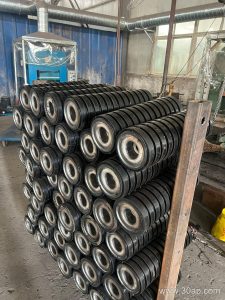
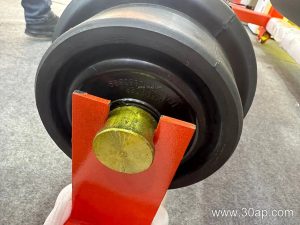
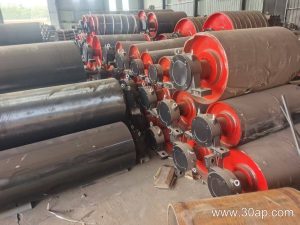
- Roller and pulley compatibility. Check that the conveyor pulley diameters, idler roller spacing, and conveyor bracket geometry suit the belt thickness and carcass stiffness.
- Environment. Wet, dusty, or oily roadways call for covers matched to the condition; a heat resistant conveyor belt is only needed near hot material sources.
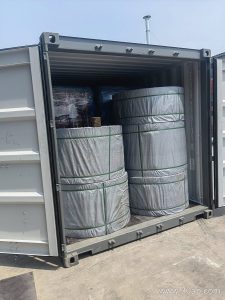
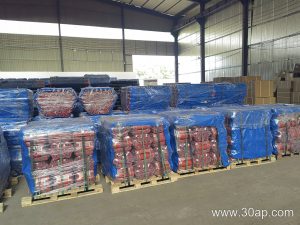
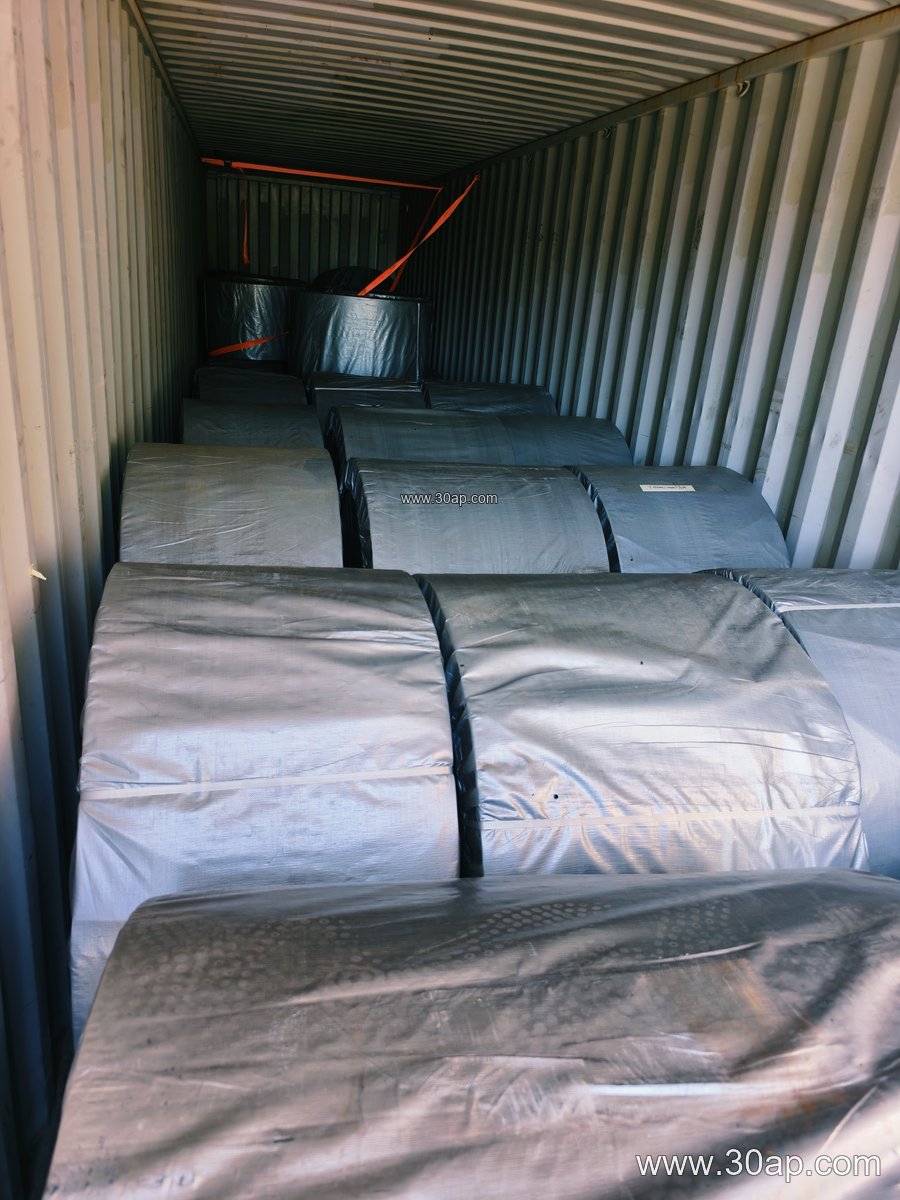
- Logistics. Coalfaces and shafts limit roll length and weight, which affects whether an endless conveyor belt is spliced on site or supplied ready-joined.
For a wider view of matching belts to frames and rollers, see the selection notes at www.zm-autoparts.com, and for heavy-duty mining conveyor belt options used in coal and ore haulage, visit www.zm-autoparts.com/conveyor-belt. Maintenance planners at www.zm-autoparts.com often pair belt inspections with idler roller and pulley checks.
Installation and Care
Tracking is the first thing to suffer underground. Misalignment usually traces back to a seized idler roller, a worn bend pulley, or uneven loading, not to the belt. Keep the tail pulley clean, verify that the drive pulley lagging still grips, and check splice integrity at every shutdown. Store spare rolls in a dry, shaded place and rotate stock so rubber does not take a permanent set.
A well-matched underground conveyor belt, correctly tensioned and kept clear of spillage, will outlast one chosen on price alone. The specification work done before purchase is what keeps the haulage running.