What the Q235 Conveyor Bracket Does
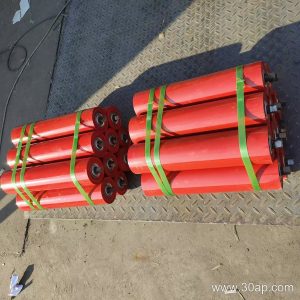
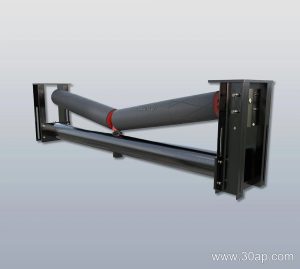
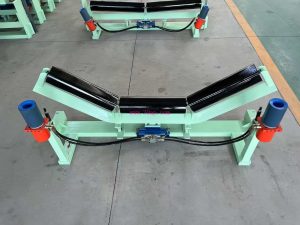
The Q235 conveyor bracket is the steel support that holds idler rollers in position along a conveyor frame. It is made from Q235 mild steel, a common structural grade chosen for its good weldability and predictable strength. In practice, the bracket connects the idler roller shaft to the main frame and fixes the trough angle, spacing and alignment that the belt needs to run smoothly. On a quarry conveyor or a cement plant transfer line, these brackets are the quiet workhorses that keep the belt profile steady under load.
The same item is also described as a Q235 conveyor support bracket or Q235 idler bracket. All three names refer to the same product, and the material grade is the defining feature.
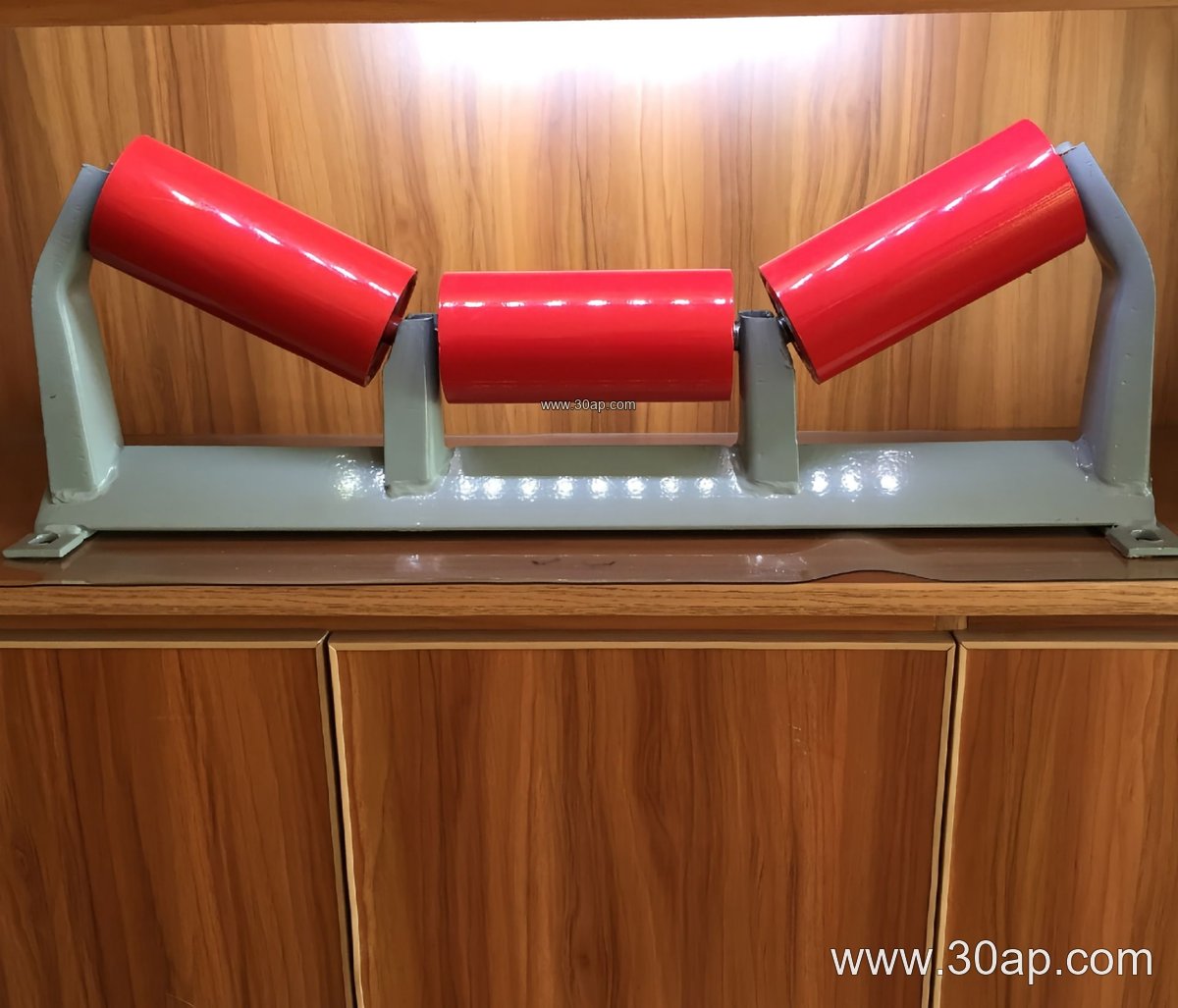
Construction and Common Forms
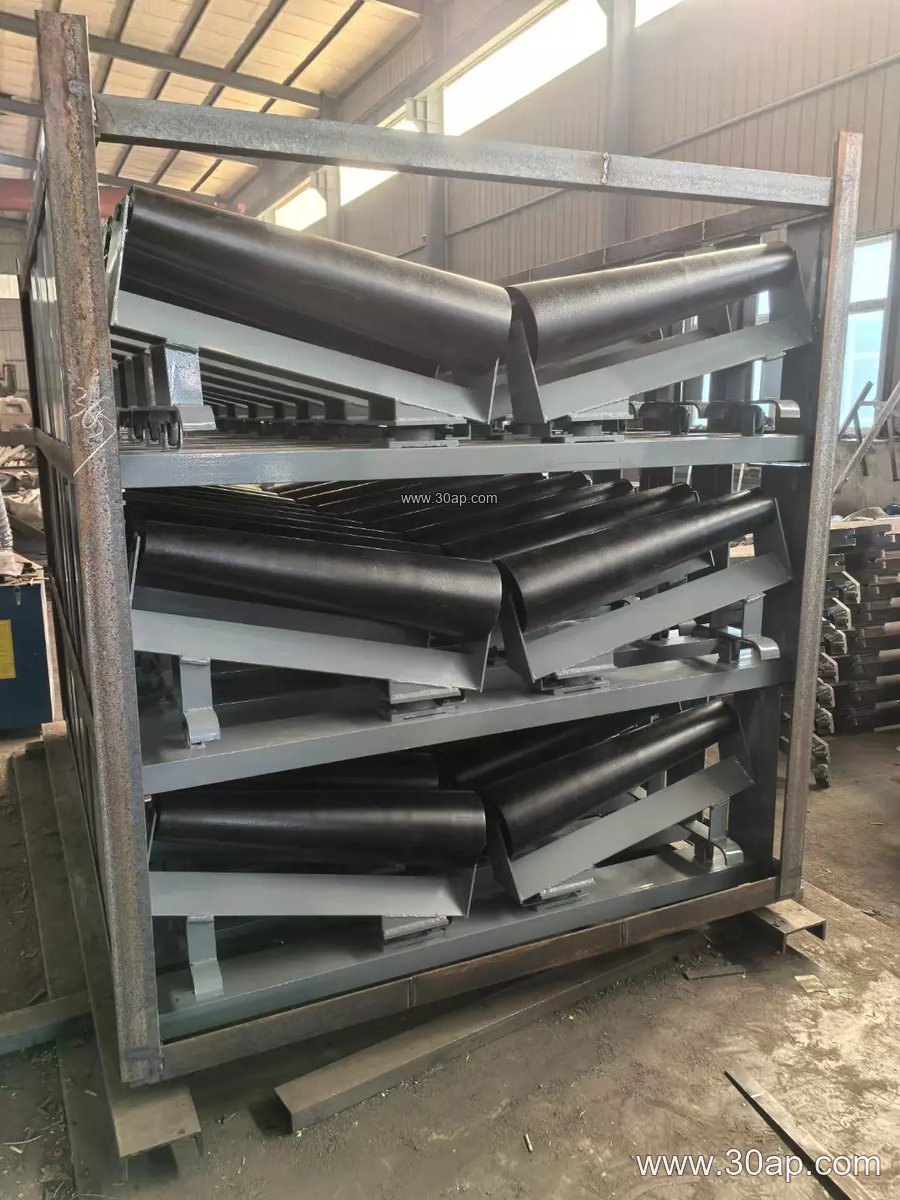
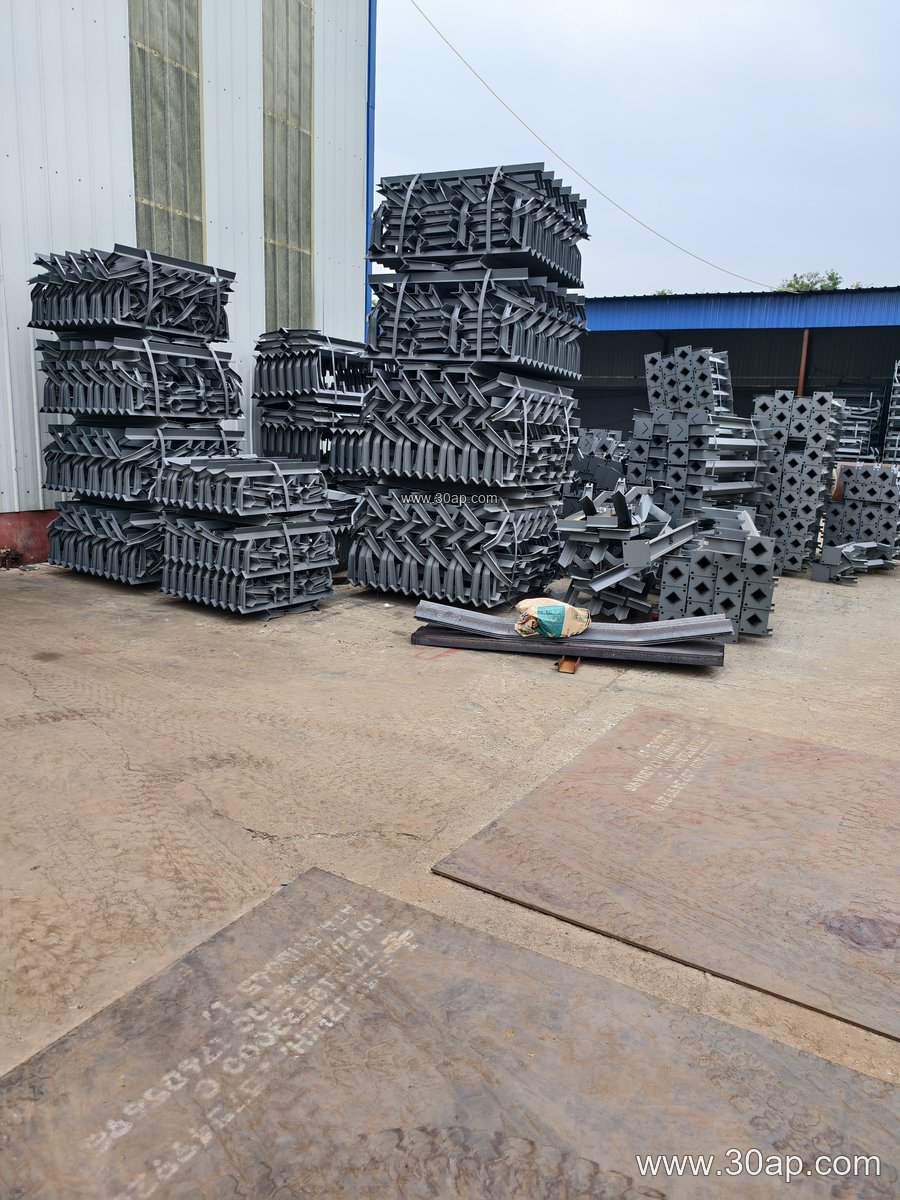
Most Q235 brackets are fabricated from angle steel, channel steel or folded steel plate. The choice of section depends on the load and the frame design. A light aggregate conveyor may use folded plate, while a heavy-duty mining conveyor bracket often uses channel or angle sections with gussets for extra stiffness.
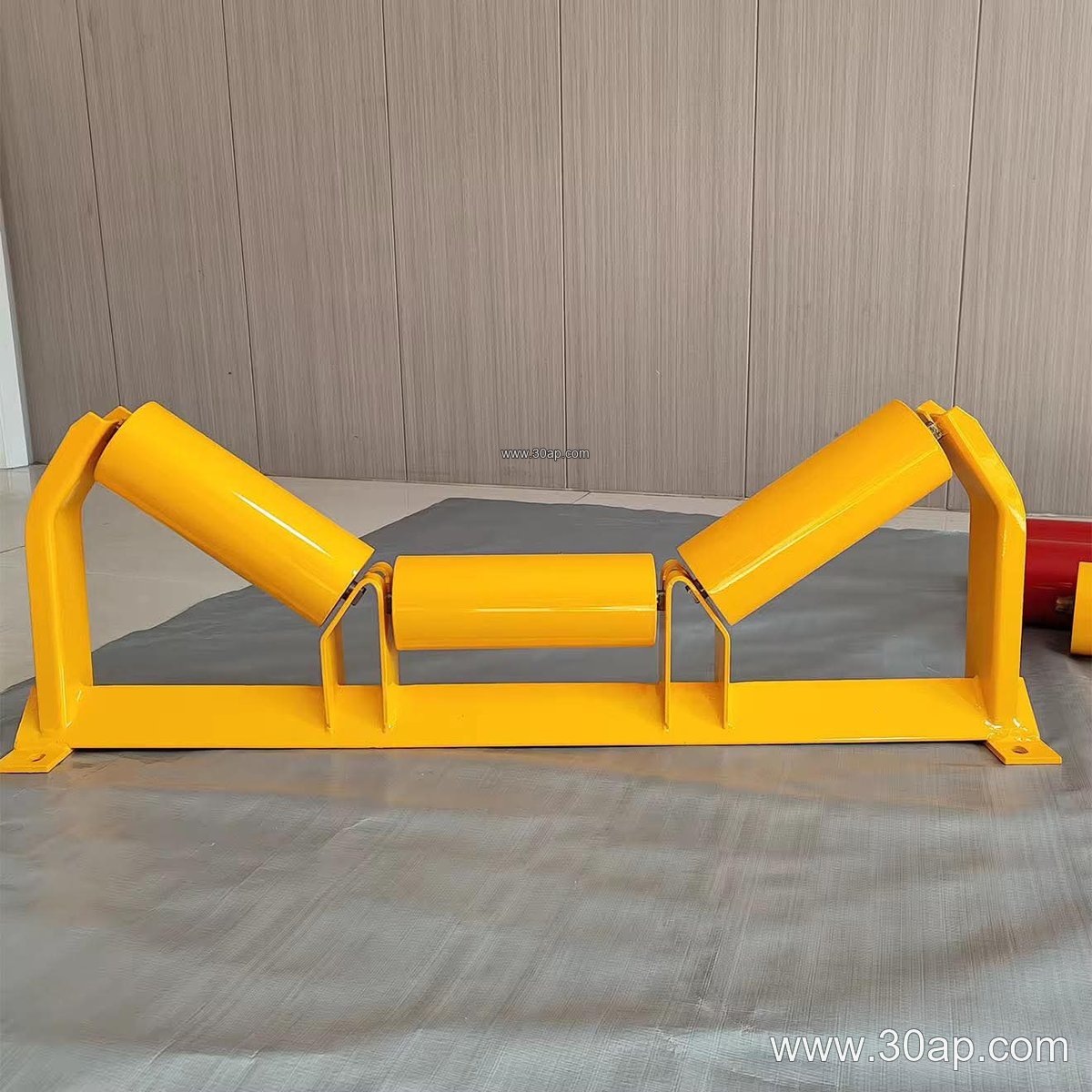
Typical configurations include:
- Troughing brackets for carrying idlers on the loaded side
- Transition brackets near pulleys and loading points
- Return brackets and V-return brackets for the empty side
- Impact brackets at transfer chutes
- Self-aligning and forward-leaning brackets for belt tracking
- Adjustable brackets that allow the trough angle to be changed
Adjustable designs usually allow setting between 20, 30, 35 and 45 degrees. Forward-leaning brackets are commonly set at about 1.5 to 2 degrees to help centre the belt. These are reference figures, and the final angle should follow the conveyor design.
Matching Bracket, Belt and Roller
A bracket is never selected in isolation. The belt width, roller diameter and trough angle work together. Common belt widths run from B500 and B650 through B800, B1000, B1200, B1400, B1600, B1800, B2000, B2200. Roller diameters are often Ø89, Ø108, Ø133, Ø159 and Ø194. A B800 frame at 35 degrees with Ø108 rollers is a familiar combination, and a B1200 line at 45 degrees with Ø133 rollers is also common, but no single belt width is tied to one angle or one roller size. Mounting hole spacing and crossbeam length change with width and angle, so they are confirmed per design rather than treated as fixed numbers.
| Parameter | Typical Range | Note |
|---|---|---|
| Material | Q235 angle, channel or folded plate | Selected by load |
| Belt width | B500 to B2200 | Common sizes only |
| Trough angle | 20, 30, 35, 45 degrees | Adjustable types vary |
| Roller diameter | Ø89 to Ø194 | Matched to belt and load |
| Finish | Painted or galvanised | Site condition dependent |
Where These Brackets Are Used
Q235 conveyor brackets appear in limestone quarries, iron ore handling, coal preparation plants and power station coal yards. They also suit sand and gravel lines, crushing and screening circuits, cement plants, steel works sinter lines, batching plants and port loading systems. On a Rubber Conveyor Belt line handling abrasive stone, a sturdy bracket keeps the trough shape stable and reduces belt wander. In a coal yard using a Flame Retardant Conveyor Belt, correct bracket alignment helps avoid edge damage and spillage.
The bracket also works together with the conveyor pulley and conveyor belt at transfer points, where transition brackets guide the belt from flat to troughed form without stressing the edges.
Buyer Checklist
Before ordering, confirm the belt width, roller diameter, trough angle and mounting hole pattern. Ask whether the frame uses angle or channel steel and whether the bracket must be adjustable. Check the surface finish for the site: a washdown area may need galvanising, while a dry cement plant may accept painted steel. Also confirm the bracket type by position, since drive, tail and bend pulleys are separate components and are not interchangeable with brackets or with each other.
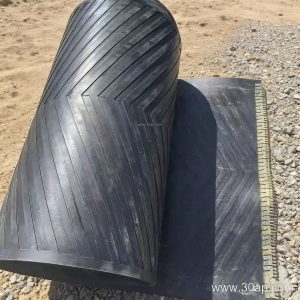
For a full line, buyers often combine Q235 brackets with an EP Conveyor Belt, a Steel Cord Conveyor Belt on long hauls, or a Chevron Conveyor Belt on inclines. Matching bracket strength to the belt and idler roller load keeps the whole conveyor reliable. For more on conveyor components, visit www.beltconveyorsystem.com for conveyor bracket and roller guidance.