What a Heavy-Load Idler Does on a Conveyor
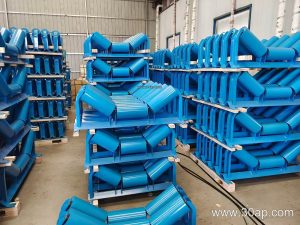
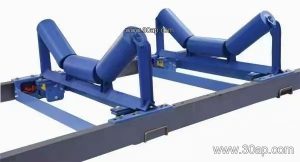
A heavy-load idler is the carrying or return roller built to survive the toughest stretch of a belt conveyor: the transfer point where rock drops from a crusher, the incline that lifts ore out of a pit, or the long overland run that never stops. In a quarry or an iron ore plant, the conveyor belt may be carrying lump material at high tonnage, and every roller under that belt takes a pounding. The heavy-load idler is designed for exactly that duty, with thicker shells, larger shafts, stronger bearings and better sealing than a standard idler roller.
The same component is often called a heavy-duty conveyor idler or heavy-duty roller. These are accurate equivalent names for the same product, not different categories. Under a crusher discharge, engineers may also place impact idlers with rubber rings to absorb shock, but that is a different subtype used for a different purpose, not a replacement for the heavy-load idler along the main carrying run.
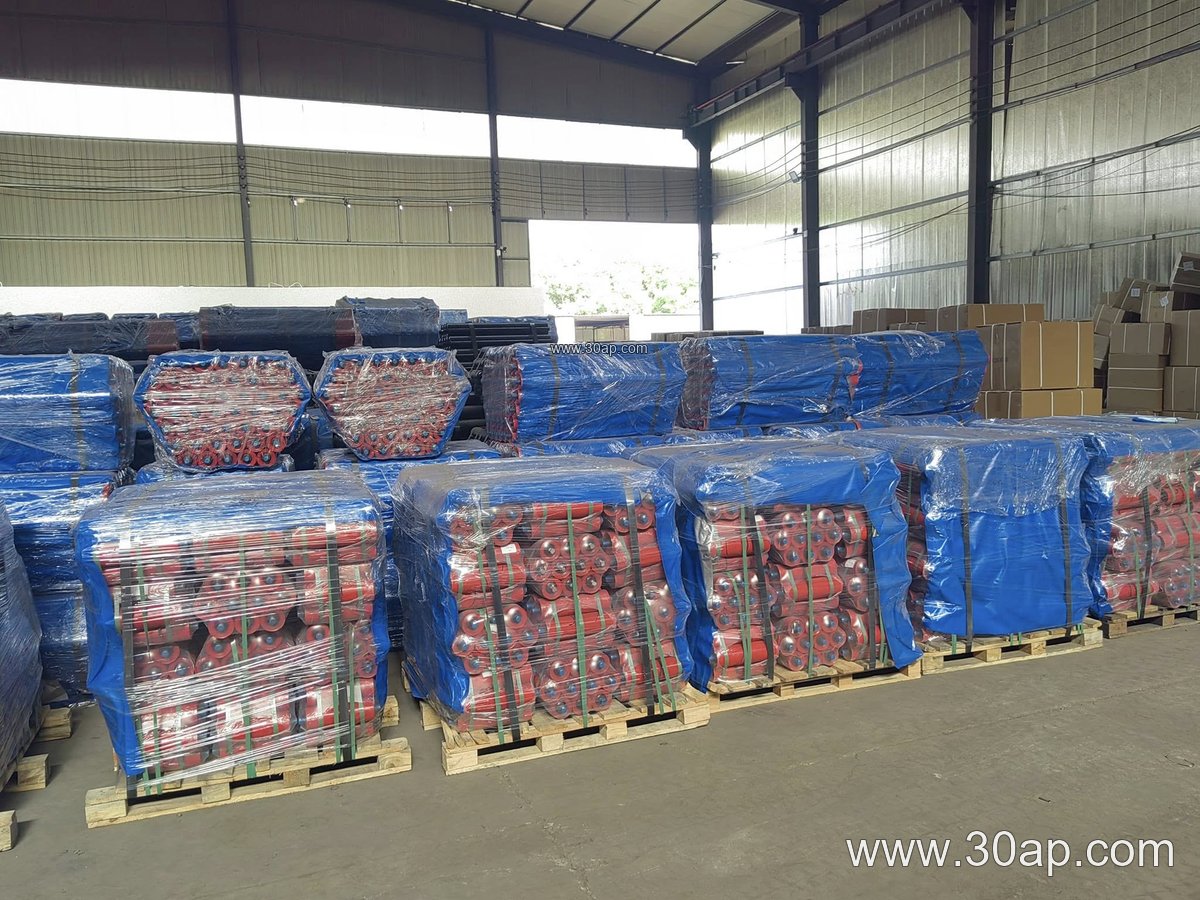
How the Roller Is Built
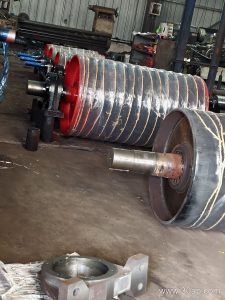
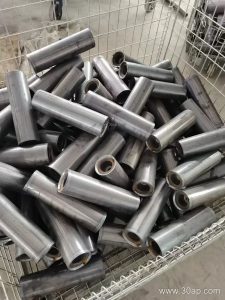
Construction starts with the shell. Heavy-load rollers usually use thick-walled steel tube, and in abrasive service the surface may be covered with rubber or ceramic to protect the pipe and improve grip. The shaft is machined from round bar and sized for the bending load, not simply matched to belt width. Bearings are selected from common sizes such as 6205, 6306, 6308 or 6310, and the seal arrangement matters as much as the bearing itself, because dust and water are what kill rollers in a coal mine or a cement plant.
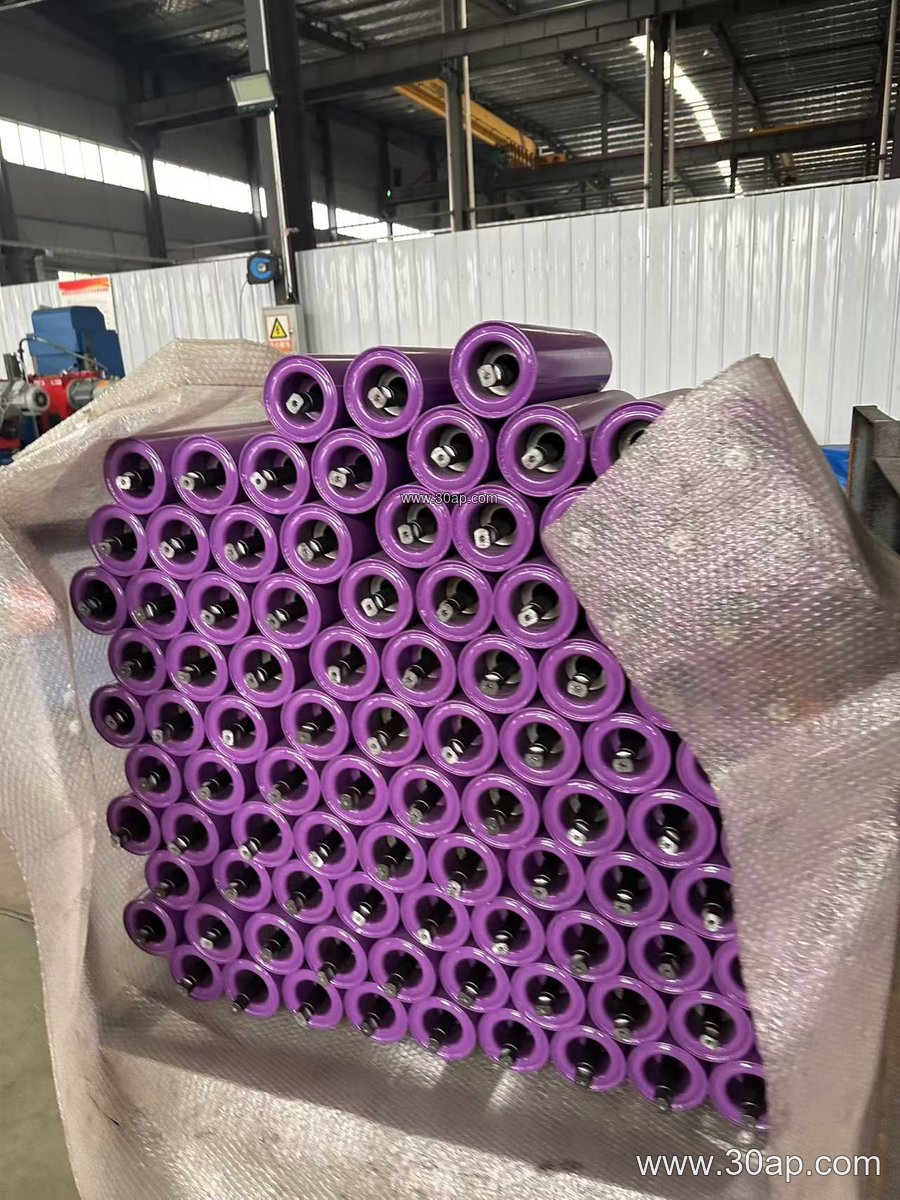
Typical reference values for heavy-load idler rollers are shown below. These are common ranges, not fixed combinations; final dimensions follow the conveyor design.
| Parameter | Common Reference Values |
|---|---|
| Roller diameter | Ø108, Ø127, Ø133, Ø159, Ø178, Ø194, Ø219 |
| Belt width | B800, B1000, B1200, B1400, B1600, B1800, B2000 |
| Trough angle | 30°, 35°, 45° |
| Roller surface | Steel tube, rubber ring, ceramic |
| Bearing | 6205, 6306, 6308, 6310 |
| Idler set form | Single roll, two-roll, three-roll trough |
On a three-roll trough set, side roller length changes with belt width. For example, B1000 commonly uses about 380 mm and B1400 about 530 mm, while the centre roller and the side rollers can differ. A heavy-load idler on a 1200mm or 1500mm wide belt will not share the same shaft diameter as one on a B650 line, and no single belt width locks in one pulley diameter or one shaft size.
Where These Rollers Are Used
The most common home for a heavy-load idler is the primary crushing area of a quarry or aggregate line, where a crusher conveyor belt receives sharp, heavy stone. From there the same roller type appears in copper ore and gold mining conveyors, in sinter and pellet lines at a steel plant, and in the coal handling system of a power plant. Long overland conveyors carrying bulk material at high capacity also rely on this class of roller, because downtime on a single flight can stop an entire mine or port operation.
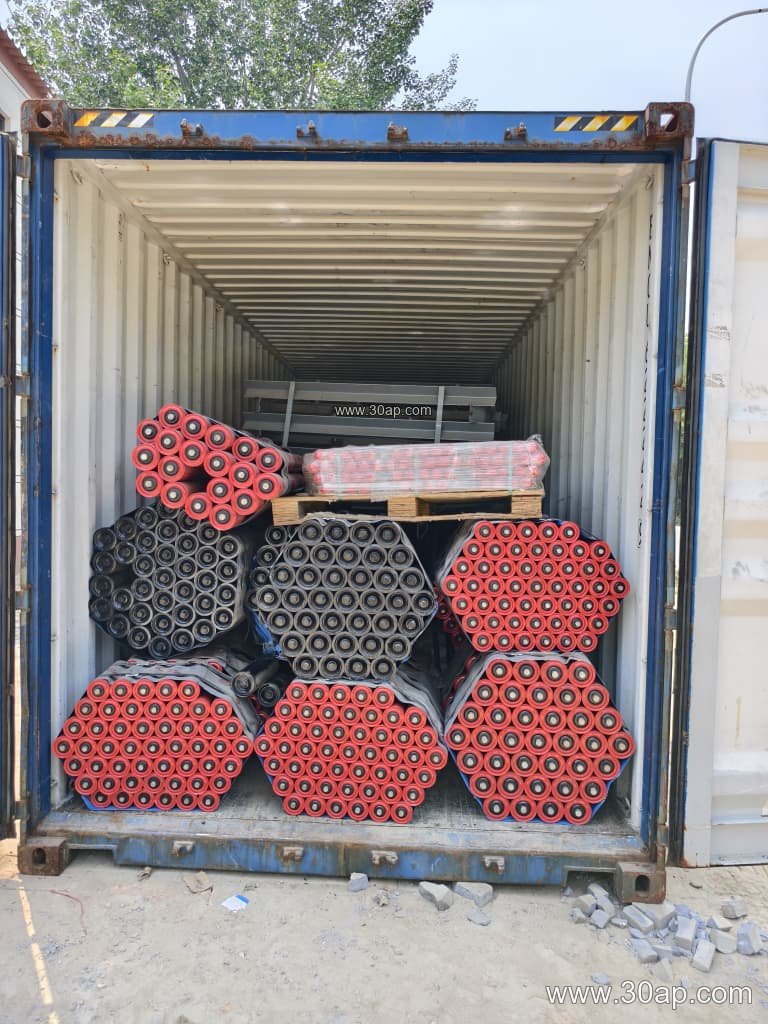
Selection should match the roller to the belt. A steel cord conveyor belt or a thick EP conveyor belt at high tension needs rollers rated for the load, and an abrasion resistant conveyor belt in a rock application benefits from rubber-covered rollers that resist wear. In a coal mining conveyor belt system, flame retardant conveyor belt and fire resistant conveyor belt specifications usually come with strict requirements for roller materials as well, so the roller supplier and belt supplier should be coordinated.
What Buyers Should Check
- Confirm the actual load per roller, including material weight, belt weight and impact at the loading point.
- Match roller diameter and bearing class to the belt speed and duty cycle, not to belt width alone.
- Ask about seal design and grease retention for dusty or wet conditions.
- Check that the roller fits the existing conveyor bracket and frame without modification.
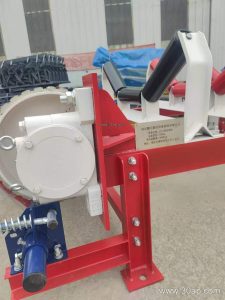
- For inclined runs, confirm the roller can handle start-up torque and any braking loads.
A heavy-load idler is a small part of the conveyor cost but a large part of its reliability. Buyers who compare shell thickness, bearing size, sealing and shaft dimensions rather than price alone usually get far better service life from the belt conveyor line.