Why the Conveyor Bracket Matters More Than You Think
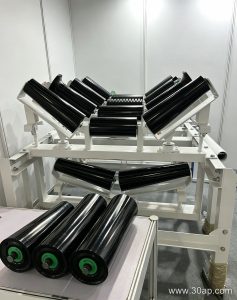
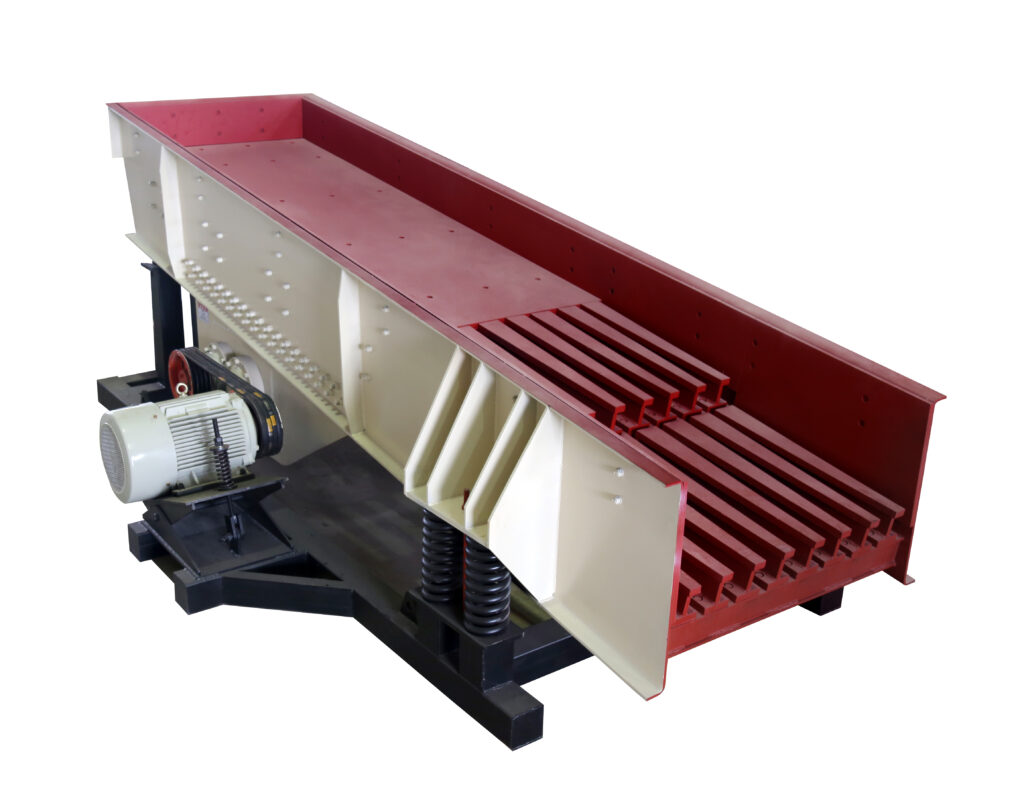
The conveyor bracket is the unsung hero of any bulk handling or assembly line. It anchors rollers, idlers, and return pulleys to the frame, absorbing dynamic loads and maintaining belt tracking. A poorly selected bracket causes vibration, misalignment, and premature belt wear.
Key Selection Criteria
- Material grade: Choose galvanized steel for corrosive environments, stainless for food-grade or washdown, and powder-coated carbon steel for general use.
- Load rating: Match the bracket’s static and dynamic capacity to your peak belt tension plus a 1.5 safety factor.
- Adjustability: Slotted mounting holes allow fine-tuning of idler height and horizontal position – critical for long conveyor runs.
- Compatibility: Verify shaft diameter, bolt pattern, and frame profile (C-channel vs. I-beam) against your existing infrastructure.
Purchasing Advice
Always request a dimensional drawing and test sample before bulk order. For retrofits, measure the actual frame spacing – not the nominal spec. Prefer brackets with welded gussets for high-impact zones, and consider quick-release clamps for frequent maintenance access.
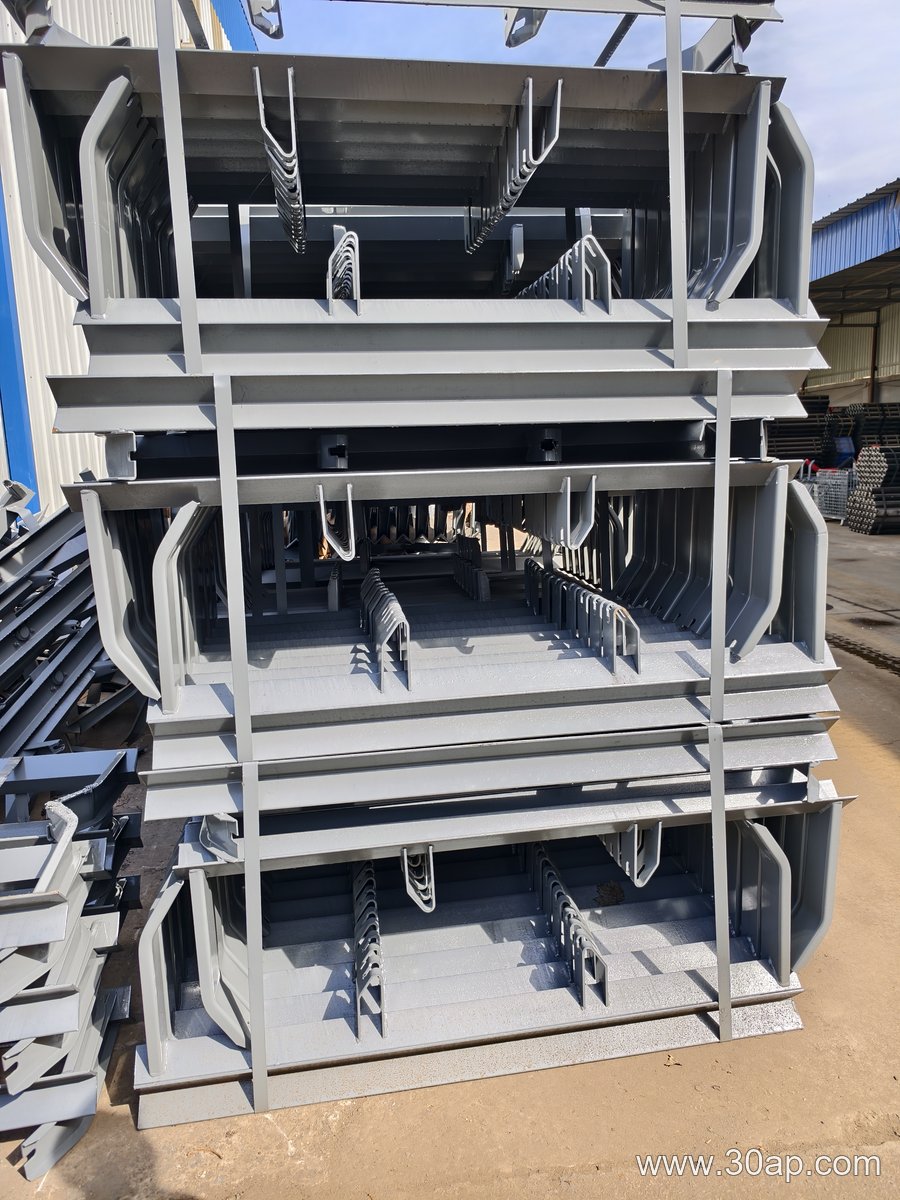
Investing in quality conveyor brackets reduces downtime, extends belt life, and ensures operator safety. Never substitute generic parts when OEM or certified equivalents are available.
Conveyor Belt Selection: Core Factors That Drive Performance
The conveyor belt remains the backbone of modern material handling, yet its performance hinges on precise specification. Selecting the wrong belt leads to downtime, product damage, and inflated operating costs. This guide focuses on the conveyor belt itself—its construction, environment, and load dynamics—so you can purchase with confidence.
Three Critical Questions Before You Buy
- What is the conveyed material? Sharp, abrasive, or hot loads demand rubber compounds with high tear and heat resistance, while food-grade belts require FDA-approved covers.
- What are the operating conditions? Outdoor use, chemical exposure, or extreme temperatures dictate the carcass material (polyester, nylon, or steel cord) and cover thickness.
- What is the belt speed and tension? Calculate the maximum working tension (kN/m) and pulley diameter to avoid premature fatigue or edge damage.
Construction and Layering: Low-Cost vs. Long-Life
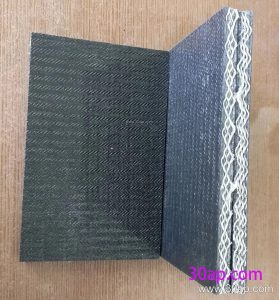
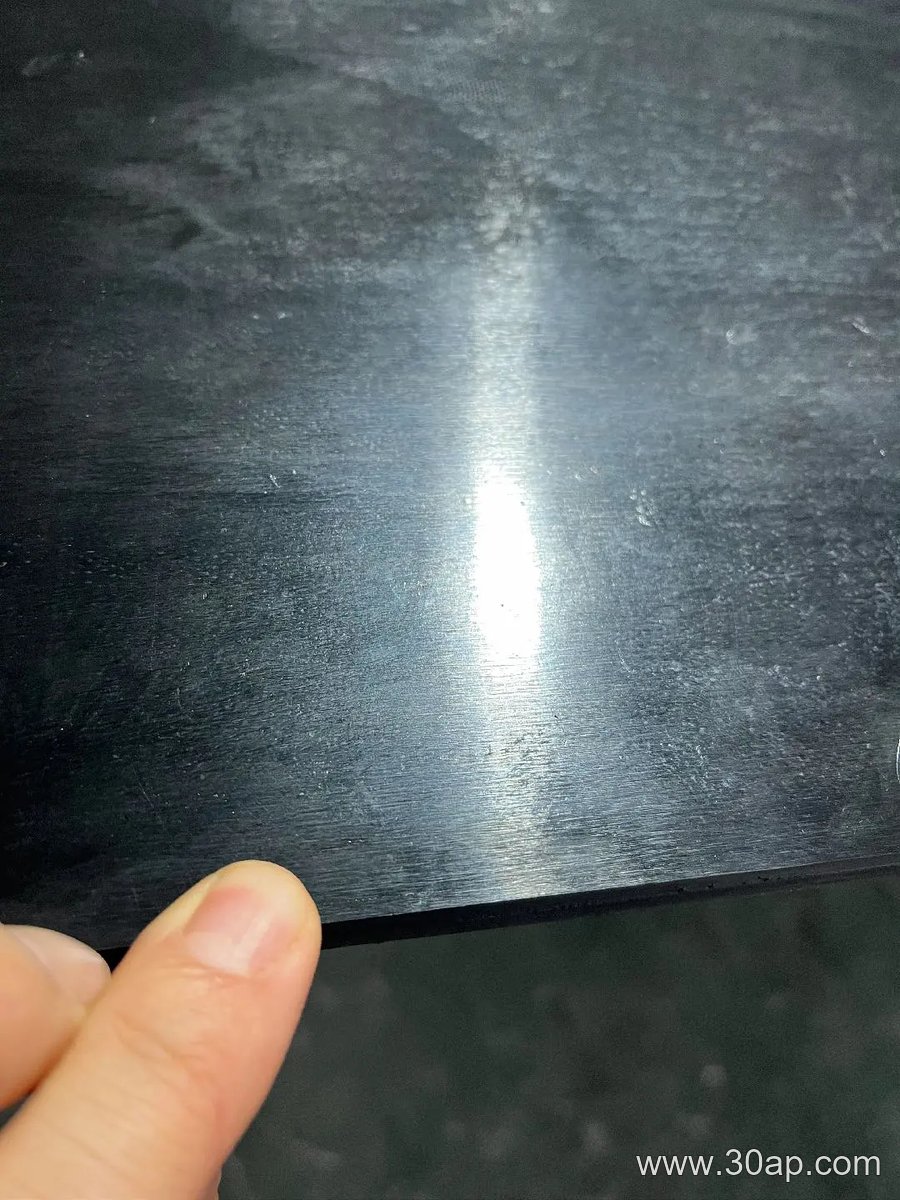
A standard 2-ply belt suits light packaging, but heavy mining operations need a 4- to 6-ply steel-reinforced belt. Always check the top and bottom cover thickness—a thicker top cover extends wear life in abrasive service, while a thinner bottom cover is acceptable for cleaner underbelt conditions.
Purchasing Advice: Match the Belt to the System
- Request a belt sample and verify its elongation at break (typical range: 1.5%–2.5% for polyester).
- Confirm splice method compatibility: mechanical fasteners for quick repairs, or vulcanized splicing for high-tension, continuous runs.
- Order spare belts with identical width, length, and countersunk holes to avoid fitting delays.
- Ask the supplier for a load-elongation curve to predict stretch under full production load.
Finally, prioritize a reputable manufacturer that offers documented quality certificates and on-site splicing support. A well-specified conveyor belt outlasts a cheaper alternative by years, directly reducing your total cost per ton moved.
Why the Idler Roller Determines System Reliability
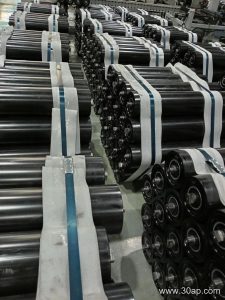
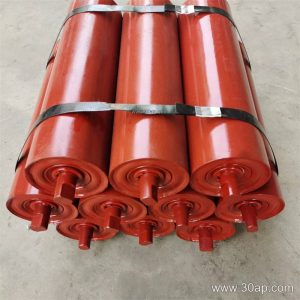
The idler roller is the unsung workhorse of any bulk material handling line. It supports the belt, shapes the load, and reduces friction — yet a poorly chosen unit can trigger belt misalignment, premature wear, and unplanned downtime. Before you order, verify three load-bearing facts: the belt width, the material bulk density, and the maximum lump size. These dictate the roller’s diameter, wall thickness, and bearing specification.
Critical Selection Criteria
- Troughing angle: Match the idler’s trough (20°, 35°, or 45°) to your belt’s carrying capacity and material repose angle.
- Sealing system: For dusty or wet environments, choose labyrinth or contact seals with a grease-for-life option.
- Roller shell material: Steel for heavy impact, HDPE for corrosive or food-grade service, and rubber-coated for high-grip zones.
Purchasing Advice That Saves Money
Never buy solely on price. A cheaper roller with thinner tubing and standard bearings often fails within 6 months, while a premium roller with CEMA-rated steel and sealed ball bearings can last 5+ years. Request a life-cycle cost comparison, and always confirm the roller’s runout tolerance (≤0.7 mm) and shaft deflection under your belt tension. Finally, ask for interchangeable mounting dimensions — this lets you retrofit without altering your existing frame.
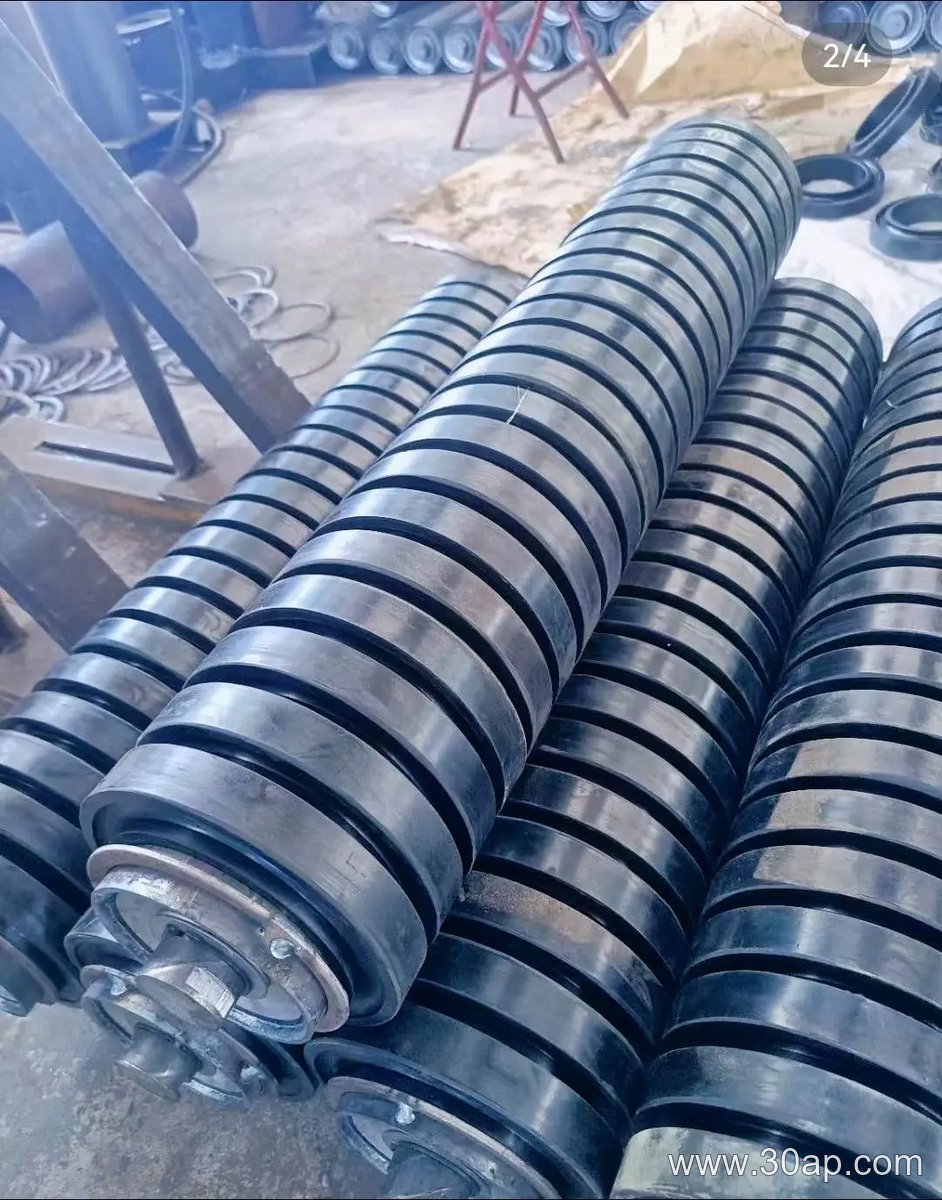
Invest a little extra time in the specification stage, and your idler roller will return dividends in uptime, energy savings, and belt longevity.
Why the Conveyor Pulley Drives System Reliability
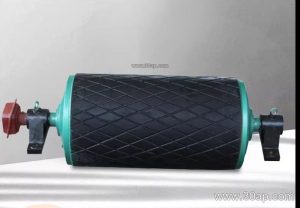
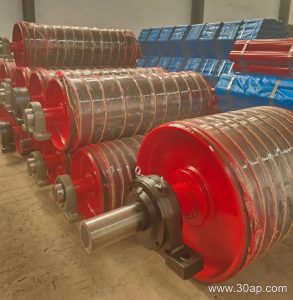
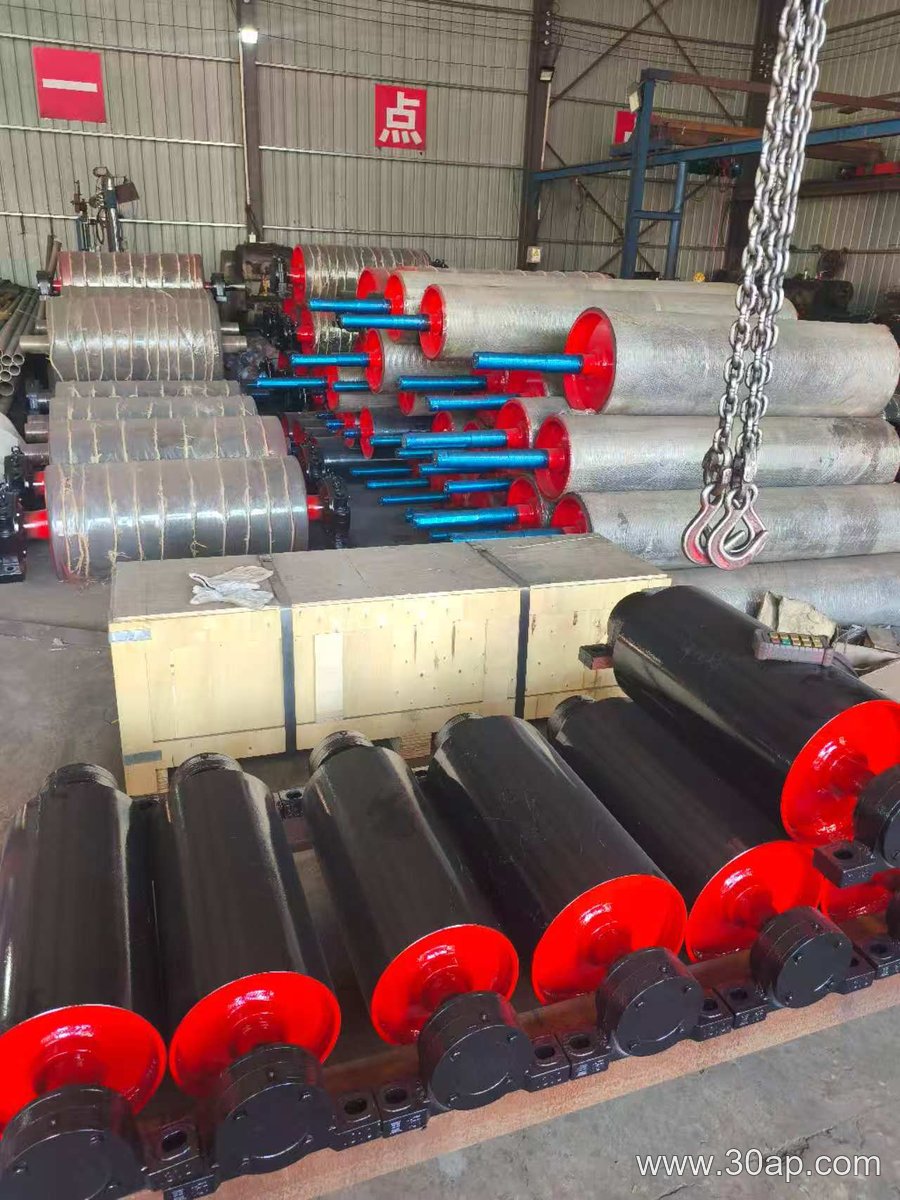
The conveyor pulley is not merely a rotating cylinder; it is the load-bearing heart of any belt conveyor. It transmits traction, maintains belt tension, and determines tracking accuracy. A poorly chosen pulley leads to belt slippage, misalignment, and costly downtime.
Key Types and Their Applications
- Drive pulley: Located at the head, it transfers motor torque to the belt. Choose a lagged surface (rubber or ceramic) for wet or high-tension applications.
- Bend pulley: Used on the return side to increase the wrap angle of the drive pulley. Opt for a smaller diameter but verify shaft deflection.
- Snub pulley: Directs the belt near the drive and improves traction. Ideal for short conveyors with limited space.
- Tension pulley: Maintains constant belt tension via gravity or screw take-up. Ensure it can handle dynamic load peaks.
Selection and Purchasing Advice
First, calculate the effective belt tension and pulley diameter based on belt width and carcass type. Insufficient diameter accelerates belt fatigue. Second, specify shaft material and bearing housing ratings for your environment—dust, corrosion, or heat. Third, request a dynamic balancing report for speeds above 2 m/s to prevent vibration. Finally, verify crown profile (rubber lagging with tapered edges) for self-centering belt tracking. Always compare cost per ton of conveyed material, not just initial price. For replacement, measure the existing pulley’s face width, shaft ends, and bolt patterns before ordering.