What the Conveyor Drive Pulley Does at the Head End
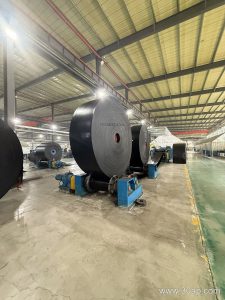
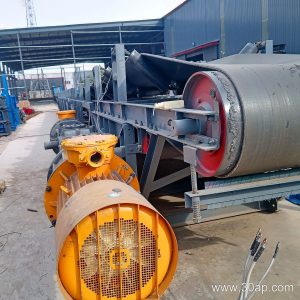
The conveyor drive pulley is the powered drum that turns the belt and moves the load. In a quarry or aggregate line it usually sits at the discharge end, coupled to a gearbox and motor through a shaft, and it transfers torque to the belt through friction between the drum surface and the belt cover. It is not a tail pulley and not a bend pulley; those drums guide or tension the belt, while the drive drum is the one that pulls it. Sizing and surface choice on this drum often decide whether a crusher conveyor belt tracks cleanly or slips under load.
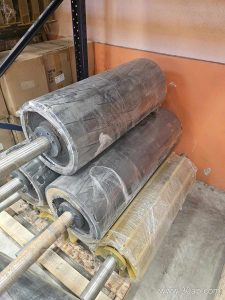
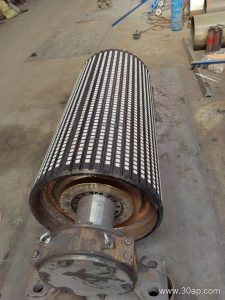
Because the drum carries the full belt tension plus the drive torque, its shell, shaft and locking arrangement are built heavier than a guide drum of the same width. A typical unit pairs a rolled or machined steel shell with welded end discs, a through shaft, bearing housings and a lagged surface.
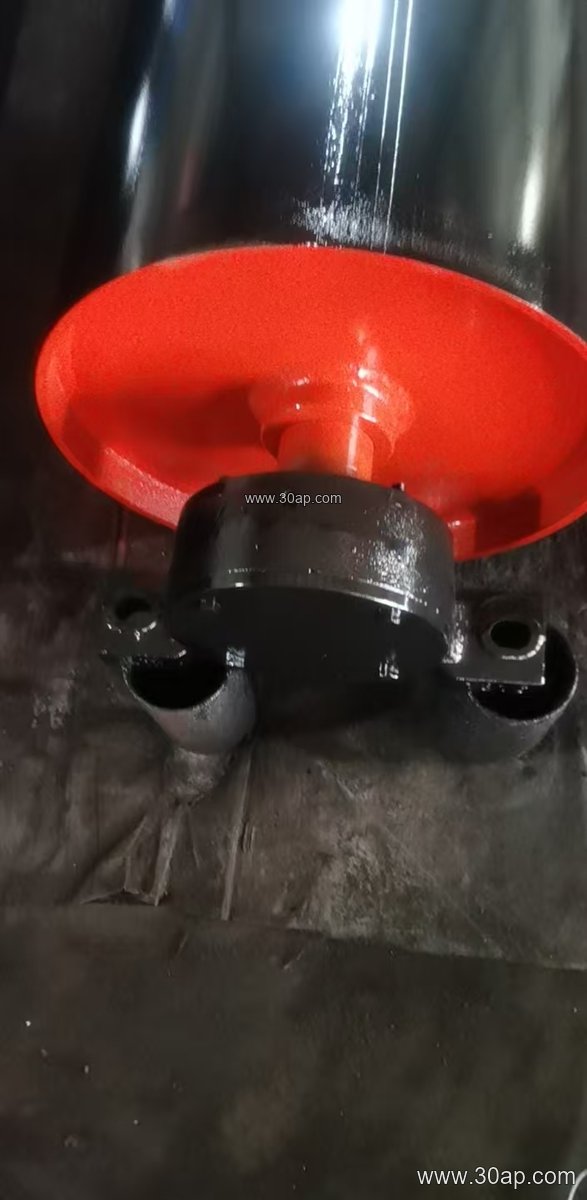
Construction and Surface Options
The shell is usually steel tube or plate, machined at the ends for concentricity. Shafts are keyed or shrink-fitted, and bearing selection follows the radial load and the tension at the head. Surface finish matters most for grip.
- Plain face for light duty and low-tension belts
- Cast or cold-bonded rubber lagging for general aggregate duty
- Hot-vulcanized rubber lagging for higher tension and wet conditions
- Diamond or herringbone grooving to shed water and fines
- Ceramic lagging where abrasive slurry or heavy slip risk exists
Lagging thickness commonly runs 8, 10, 12, 15 or 20 mm, chosen with the belt cover and the required friction coefficient. On a crusher conveyor belt handling wet stone, a grooved rubber lagging usually outperforms a plain face.
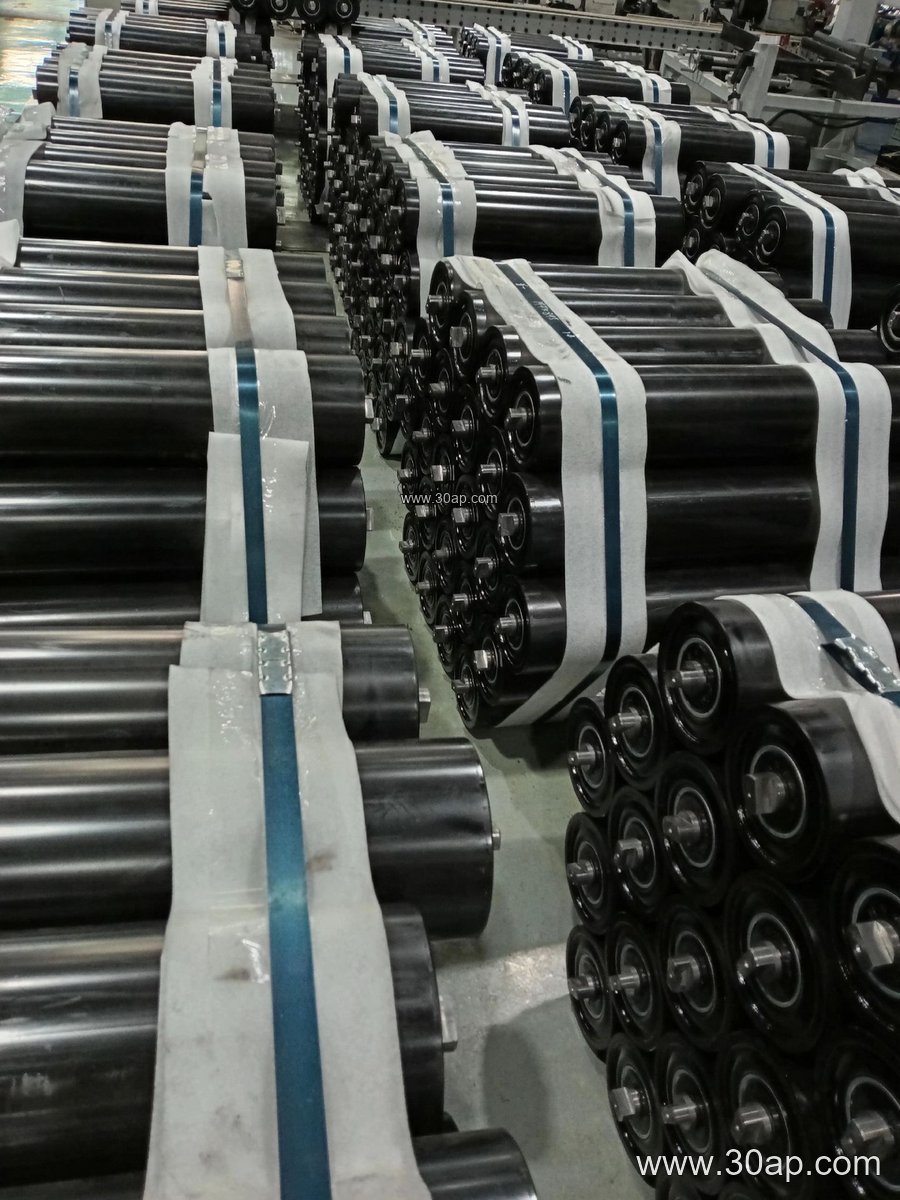
Common Size Combinations
Drum width is normally a little wider than the belt so the belt stays supported. The table below shows common reference pairings for a conveyor drive pulley; these are examples, not fixed rules.
| Belt width | Typical drum face width | Example diameter |
|---|---|---|
| B500 | about 600 mm | Ø320 to Ø500 |
| B650 | about 750 mm | Ø400 to Ø630 |
| B800 | about 950 mm | Ø500 to Ø800 |
| B1000 | about 1150 mm | Ø630 to Ø1000 |
| B1200 | about 1400 mm | Ø800 to Ø1000 |
| B1400 | about 1600 mm | Ø800 to Ø1250 |
| B1600 | about 1800 mm | Ø1000 to Ø1400 |
| B1800 | about 2000 mm | Ø1250 to Ø1600 |
Shaft diameter is set by torque and load, not by belt width alone. Common shaft sizes include Ø80, Ø100, Ø120, Ø140, Ø160 and Ø180, but the final value follows the drive calculation. A B1200 x Ø1000 drum and a B800 x Ø500 drum can both be correct for different duty.
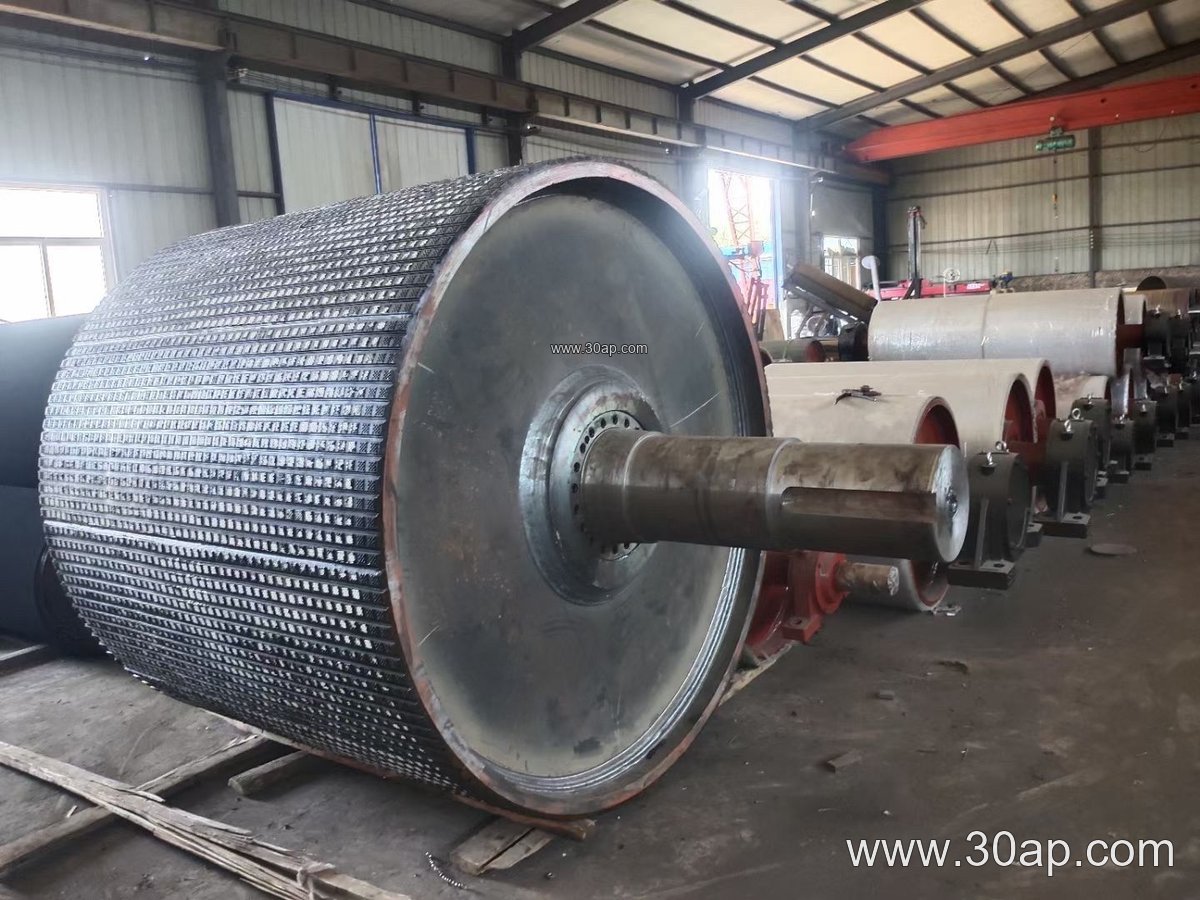
Where It Fits in the Plant
In a sand and gravel plant the drive drum often ends the primary screen discharge belt, throwing material onto the stockpile conveyor. In a cement plant it may drive clinker or raw meal belts, where heat resistant conveyor belt grades and lagging that tolerates warm fines are worth discussing. In a coal preparation plant, flame retardant conveyor belt and anti-static properties usually matter alongside the drum specification. The same drum style appears on ship loading belts at ports and on tunnel spoil lines.
Buyer Checklist
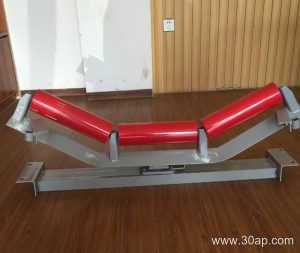
When specifying a conveyor drive pulley, confirm the belt width, the belt type (for example EP conveyor belt or steel cord conveyor belt), the belt tension and the motor power. State the required lagging type and thickness, the shaft diameter, bearing type and whether a conveyor bracket or take-up arrangement is included. Ask for the drum balance class and the concentricity check. For a heavy-duty mining conveyor belt, confirm the shell thickness and the weld detail. Also confirm that the pulley face width matches the belt and that the discharge chute does not rub the lagging.
Maintenance is mostly about lagging wear, bearing lubrication and bolt torque. A worn lagging surface reduces grip and can lead to belt slip, heat and cover damage. Re-lagging a drive drum is often cheaper than replacing the whole unit, provided the shell and shaft are still sound. Keep a spare set of bearings and check the drum alignment after any belt splice.