What an Aggregate Conveyor Pulley Does
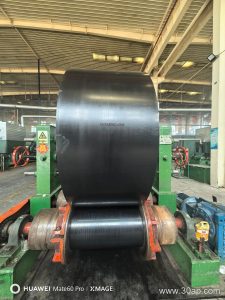
An aggregate conveyor pulley is the cylindrical drum that drives, tensions, or redirects the belt on a conveyor system handling crushed stone, sand, gravel, and other bulk materials. In a quarry or a sand and gravel plant, you will find these pulleys at the head, tail, and bend points of the conveyor. They work together with the conveyor belt, idler roller, and conveyor bracket to keep material moving from the crusher to the screening deck and stockpile. Unlike a drive pulley that transmits power, a tail pulley maintains belt tension, and a bend pulley changes the belt path. These are distinct roles, and they are not interchangeable.
Construction and Key Components
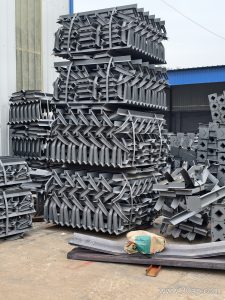
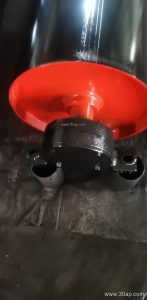
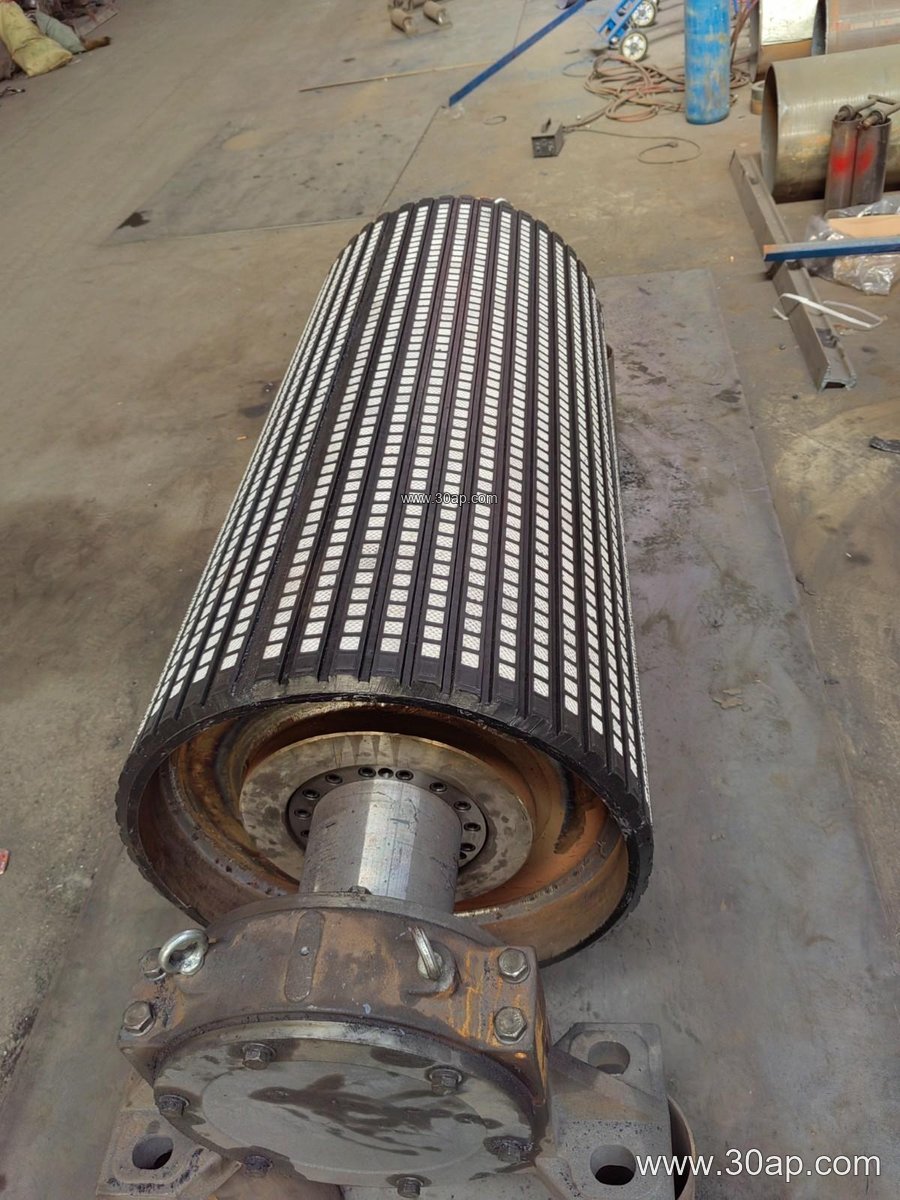
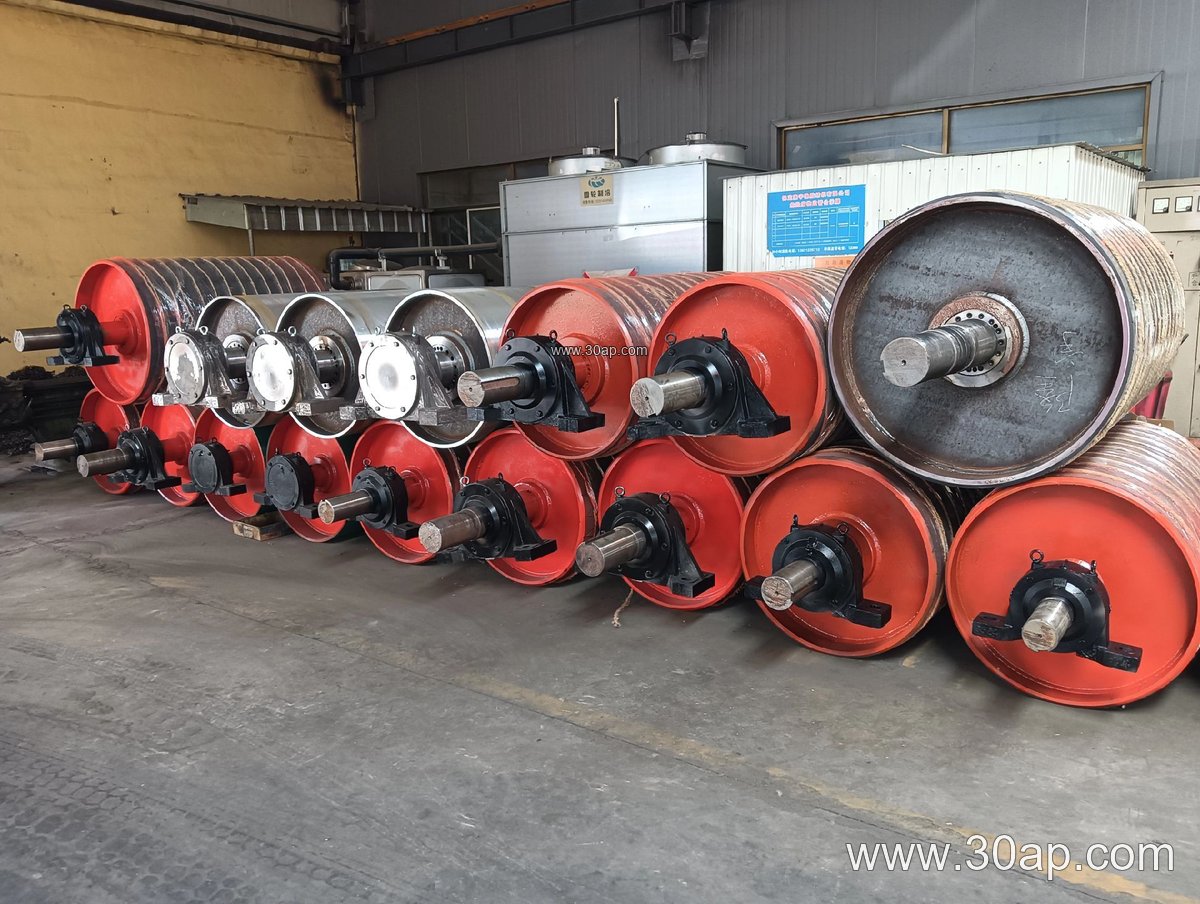
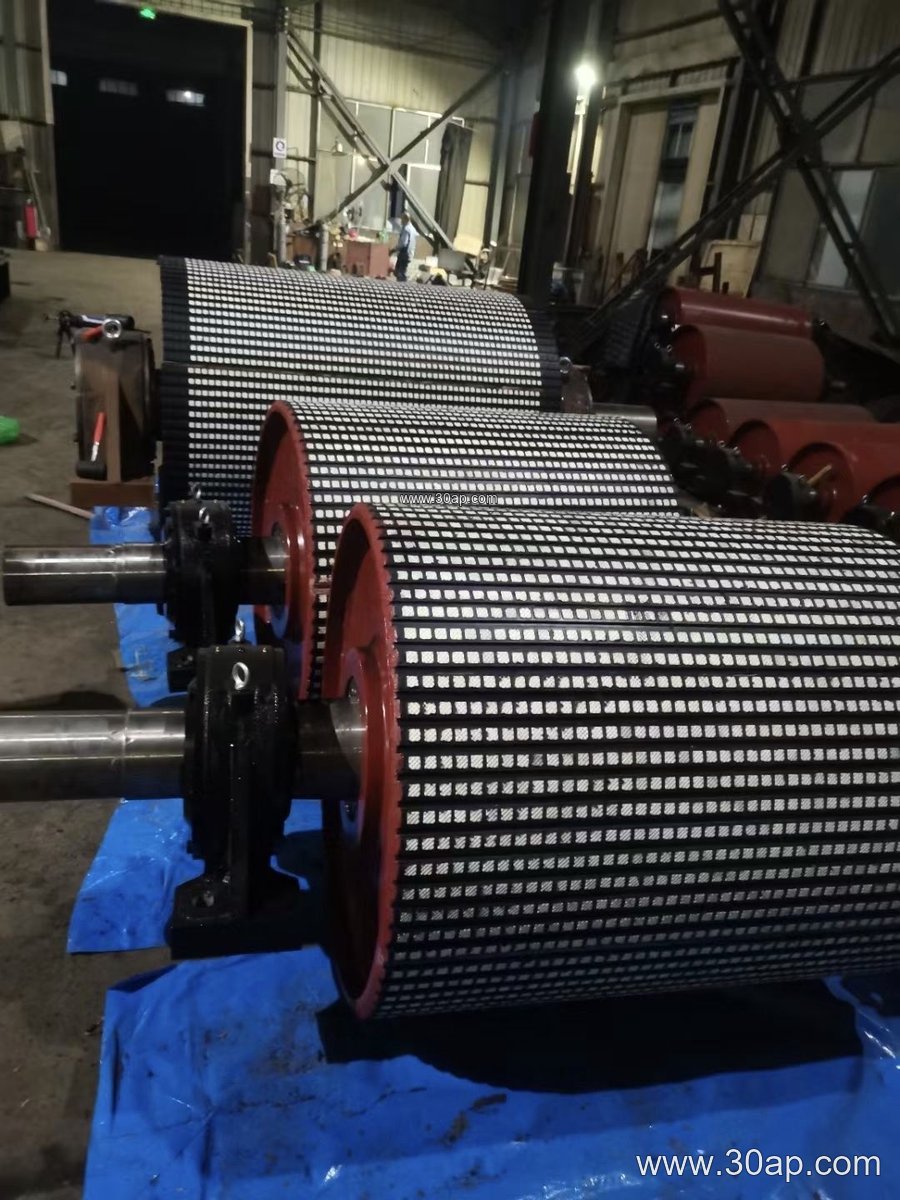
A typical aggregate conveyor pulley is built around a steel shell, with end discs welded to the shell and a shaft passing through the center. The shaft is supported by bearing housings mounted on the conveyor bracket. The shell surface may be plain, or it may carry lagging to improve grip and protect the belt. Common lagging types include rubber lagging applied by cold bonding or hot vulcanizing, diamond grooved lagging, ceramic lagging for high abrasion, and plain rubber sheet. Lagging thickness often falls in the range of 8 mm to 20 mm, depending on the duty. The pulley face width is usually wider than the belt to ensure full support. For example, a B800 belt commonly matches a pulley face around 950 mm, and a B1200 belt around 1400 mm. Diameters vary from Ø200 for small units to Ø1800 for large head pulleys. Shaft diameters such as Ø80, Ø100, Ø120, or Ø160 are selected based on torque and load, not simply on belt width.
Where It Fits in the Production Line
In a stone crushing plant, the head pulley of the main belt after the primary crusher often uses a rubber lagged surface for grip, while the tail pulley may have a plain surface to allow material spillage to fall away. A bend pulley might be used to route the belt around an obstacle or to increase wrap angle on the drive pulley. In a cement plant handling clinker, heat-resistant lagging may be considered, but the pulley itself is still an aggregate conveyor pulley. In a coal washing plant, flame retardant conveyor belts are common, and the pulleys must be compatible with those belts. The same pulley design serves in a power plant coal yard or a port bulk terminal, although the environment and maintenance schedule differ.
Selecting the Right Pulley for Your Conveyor
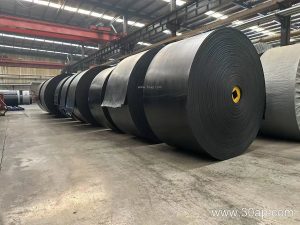
Buyers should start with the belt width and the required diameter for the application. A larger diameter reduces belt bending stress and is often used at the head position. The face width should exceed the belt width by a suitable margin. Lagging choice depends on the material being conveyed and the risk of belt slip. For abrasive aggregate, ceramic or diamond lagging can extend service life. For a belt that must not slip, hot vulcanized rubber lagging offers strong bonding. Consider the shaft diameter and bearing size based on the actual load. The pulley should be balanced for the belt speed. When replacing a pulley, match the mounting dimensions to the existing conveyor bracket. It is also wise to check that the conveyor belt, whether an EP conveyor belt, NN conveyor belt, or steel cord conveyor belt, is compatible with the pulley surface. In an aggregate operation, a heavy-duty mining conveyor belt or an abrasion resistant conveyor belt is often used, and the pulley lagging should match that belt’s friction requirements.
Maintenance and Long-Term Reliability
Regular inspection of the pulley lagging for wear or glazing helps prevent belt slip. Check bearing temperatures and listen for unusual noise. Keep the pulley surface clean; material build-up on a plain pulley can cause belt tracking problems. For a tail pulley, ensure the take-up system maintains correct tension. If the lagging wears down to the shell, re-lagging or replacement is needed. In dusty environments such as a quarry or a coal yard, use sealed bearing housings and inspect the conveyor bracket for corrosion or fatigue. A well-maintained aggregate conveyor pulley will support the belt, protect the splice, and keep the whole conveyor system running smoothly.