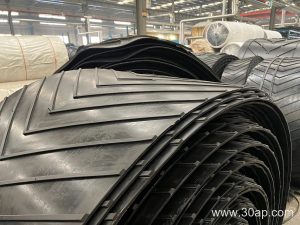
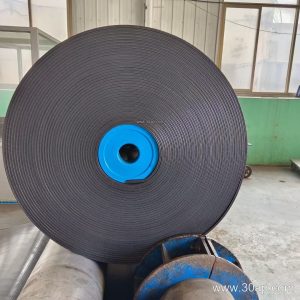
What Is an EP630 Conveyor Belt
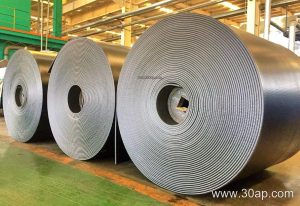
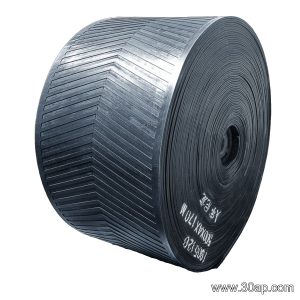
The EP630 conveyor belt is a fabric core belt built with polyester (E) and nylon (P) warp and weft yarns, rated for a tensile strength of 630 N/mm per ply. This rating places it in the mid-to-high strength range of EP fabric belts, bridging lighter EP400 constructions and heavier EP800 or EP1000 designs. In a typical plant, an EP630 conveyor belt serves as the main haulage belt on inclined or long-distance conveyors where moderate tension and good troughability are both needed.
Because the carcass uses polyester in the warp direction and nylon in the weft, the belt offers low elongation under load and excellent resistance to impact and flex fatigue. This makes it a practical choice for aggregate, cement, and coal handling circuits that see continuous loading.
Construction and Build
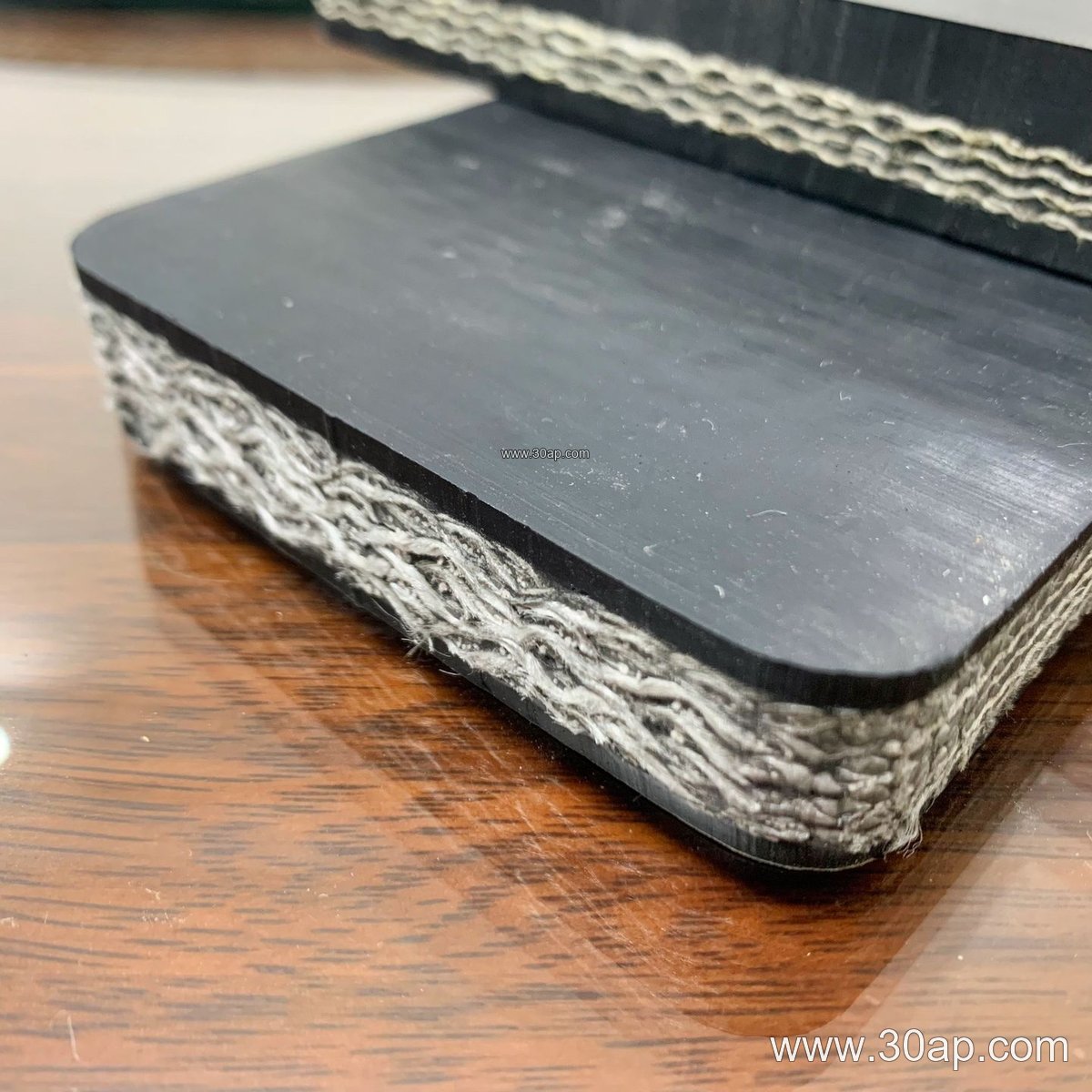
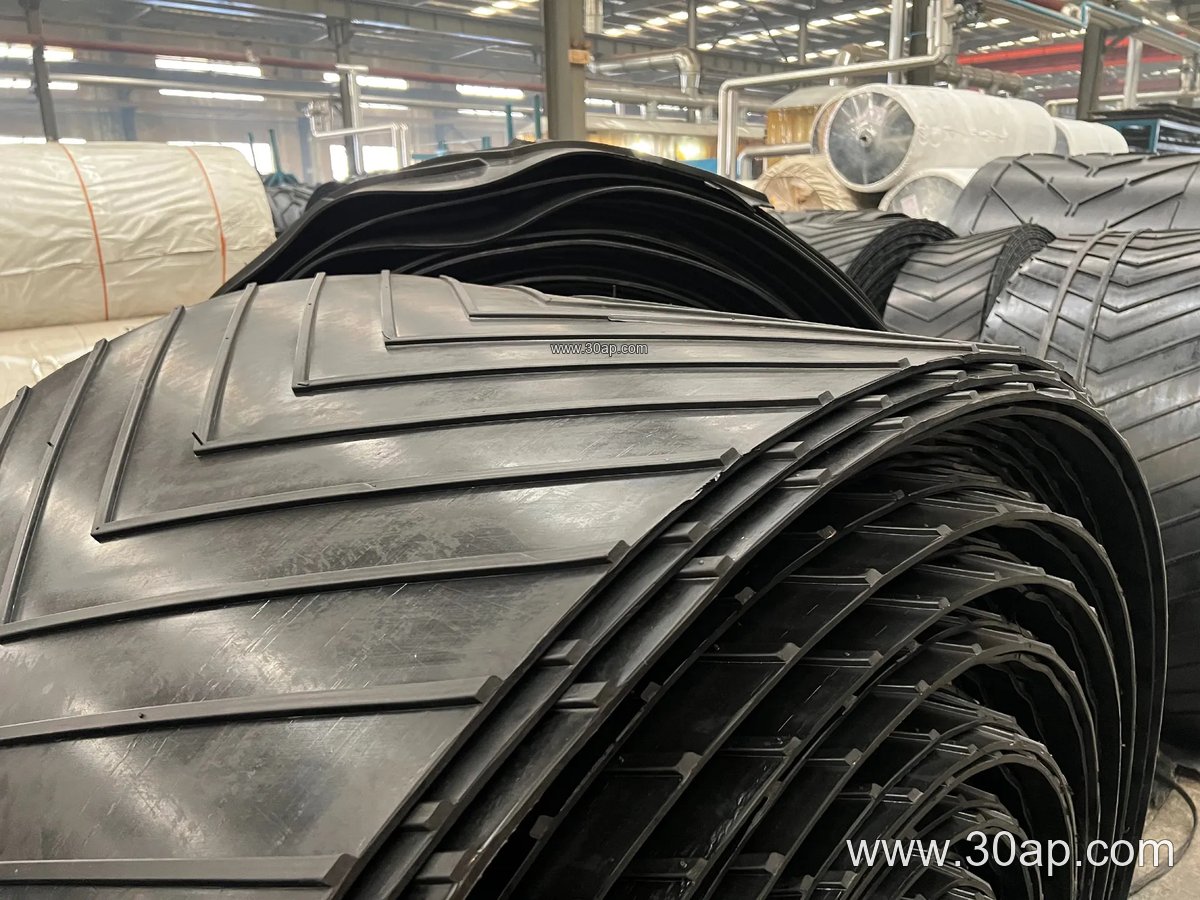
An EP630 conveyor belt is usually produced with two to five plies of EP fabric, depending on the required safety factor and the pulley diameters on the conveyor. The plies are bonded with a rubber skim compound and protected by top and bottom cover rubber. Common cover combinations include 4+2 mm, 5+2 mm, and 6+2 mm; heavier 8+3 mm covers are sometimes specified for high-abrasion service. The cover compound can be tailored for abrasion resistance, flame retardancy, oil resistance, or heat resistance, allowing the same EP630 carcass to suit different operating environments.
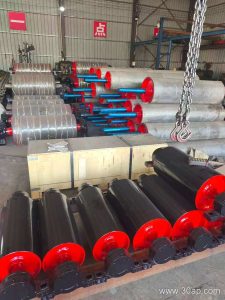
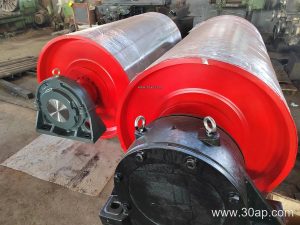
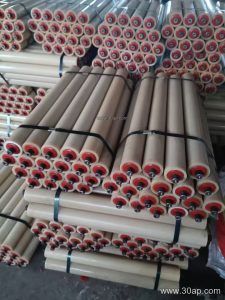
The belt edges are usually cut square or molded, and for specific applications the belt may be supplied as an endless conveyor belt, spliced on site with hot vulcanization or mechanical fasteners. Related conveyor components such as idler rollers, conveyor pulleys, and conveyor brackets must be matched to the belt width and tension rating; however, drive pulleys, tail pulleys, and bend pulleys each perform distinct roles and are not interchangeable.
Typical Applications
EP630 conveyor belts are widely used in mining, coal preparation, cement plants, power stations, quarries, and sand and gravel operations. They handle bulk materials such as crushed stone, ore, clinker, limestone, and coal. In underground mining, flame retardant and anti-static versions are often required; above ground, abrasion resistant or heat resistant grades may be selected. The belt also appears in port loading facilities and steel plants where moderate strength and long service life are priorities.
For comparison, a steel cord conveyor belt may be chosen for very high tension and long center distances, while an NN conveyor belt is a common alternative when higher elongation is acceptable. The EP630 remains a balanced option between strength, flexibility, and cost.
Key Specifications at a Glance
Buyers should confirm the following parameters with the supplier. The values below are common reference points, not universal guarantees.
| Parameter | Typical Range |
|---|---|
| Strength rating | EP630 (630 N/mm per ply) |
| Number of plies | 2 to 5 |
| Belt width | B500, B650, B800, B1000, B1200, B1400, B1600 |
| Cover thickness | 4+2 mm, 5+2 mm, 6+2 mm, 8+3 mm |
| Cover type | Abrasion resistant, flame retardant, oil resistant, heat resistant, anti-static |
Note that belt width and pulley diameter are selected together based on tension, load, and conveyor geometry; no single width dictates a specific pulley size.
Selection and Maintenance Tips
When specifying an EP630 conveyor belt, consider the maximum working tension, the minimum pulley diameters, the material lump size and temperature, and any fire or oil exposure. Check that the conveyor pulleys and idler rollers are aligned and that the conveyor brackets are secure; misalignment accelerates edge wear and cover damage. Store belts in a dry, shaded area and avoid sharp folds. During operation, monitor splices and cover wear, and adjust take-up tension to prevent slippage.
For harsh duty, an abrasion resistant conveyor belt grade of EP630 can extend service life in quarry and crusher circuits, while a flame retardant conveyor belt version is appropriate for coal mining conveyor systems. Always request the manufacturer’s data sheet to verify the actual ply count, cover thickness, and strength for your project.