What a Conveyor Belt Lagged Pulley Does
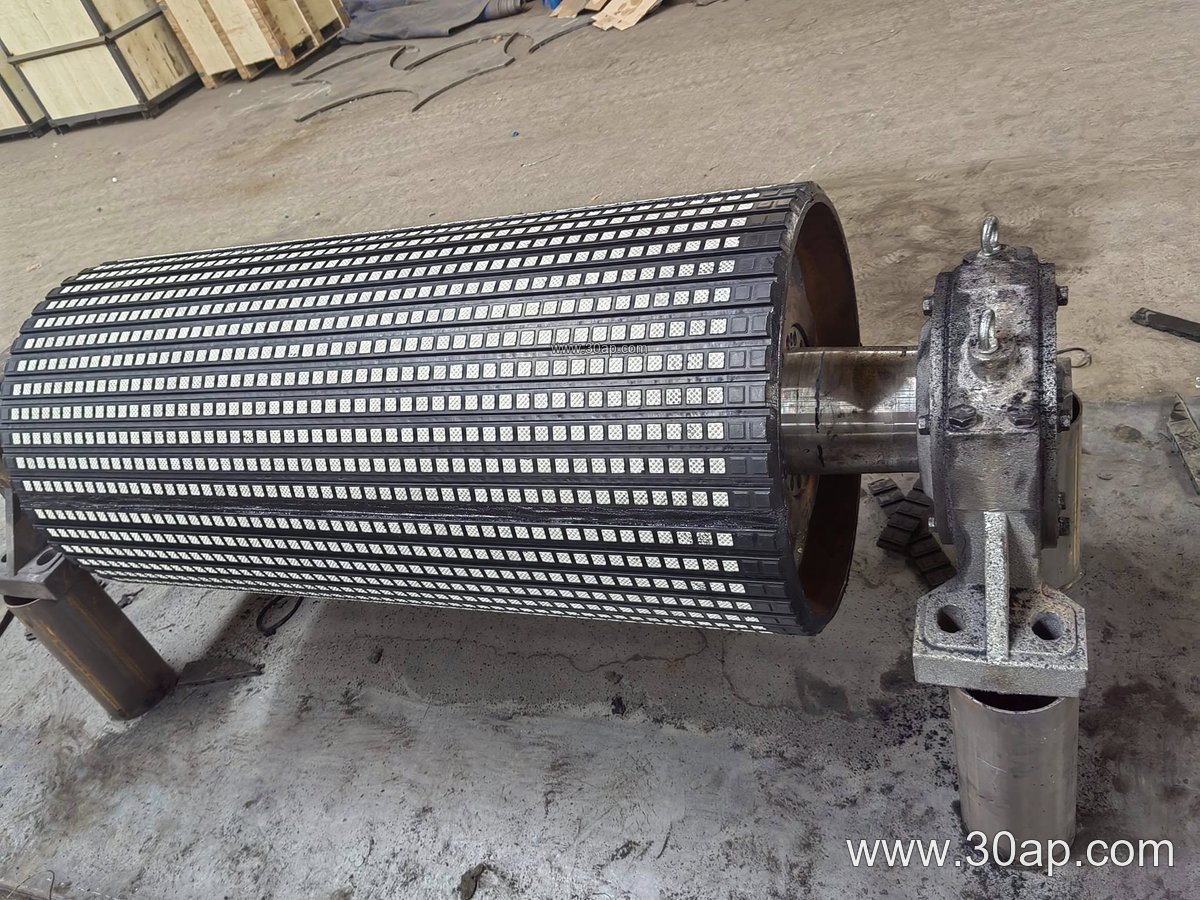
A conveyor belt lagged pulley is a conveyor pulley whose shell is covered with a rubber or ceramic lagging layer to improve friction between the drum face and the conveyor belt. The lagging is the working surface that contacts the belt, so it directly affects traction, belt tracking and wear life. This component is common on head or drive positions where the belt must be pulled without slipping, and it is also used on other drum positions where grip and protection matter.
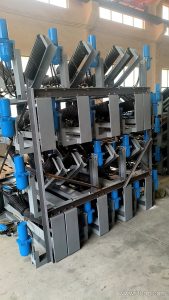
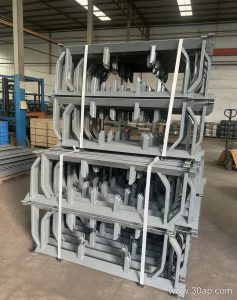
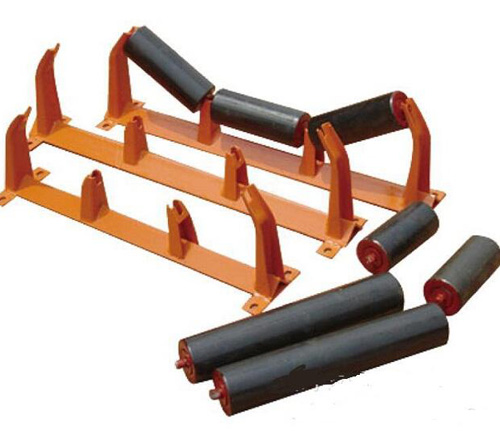
In a quarry, a limestone mine or a cement plant, a lagged drum often works with a conveyor belt, idler rollers and a conveyor bracket frame to keep material moving steadily. The pulley is not a stand-alone item; it is part of the conveyor pulley group, and its lagging must suit the belt, the load and the environment.
Construction and Surface Options
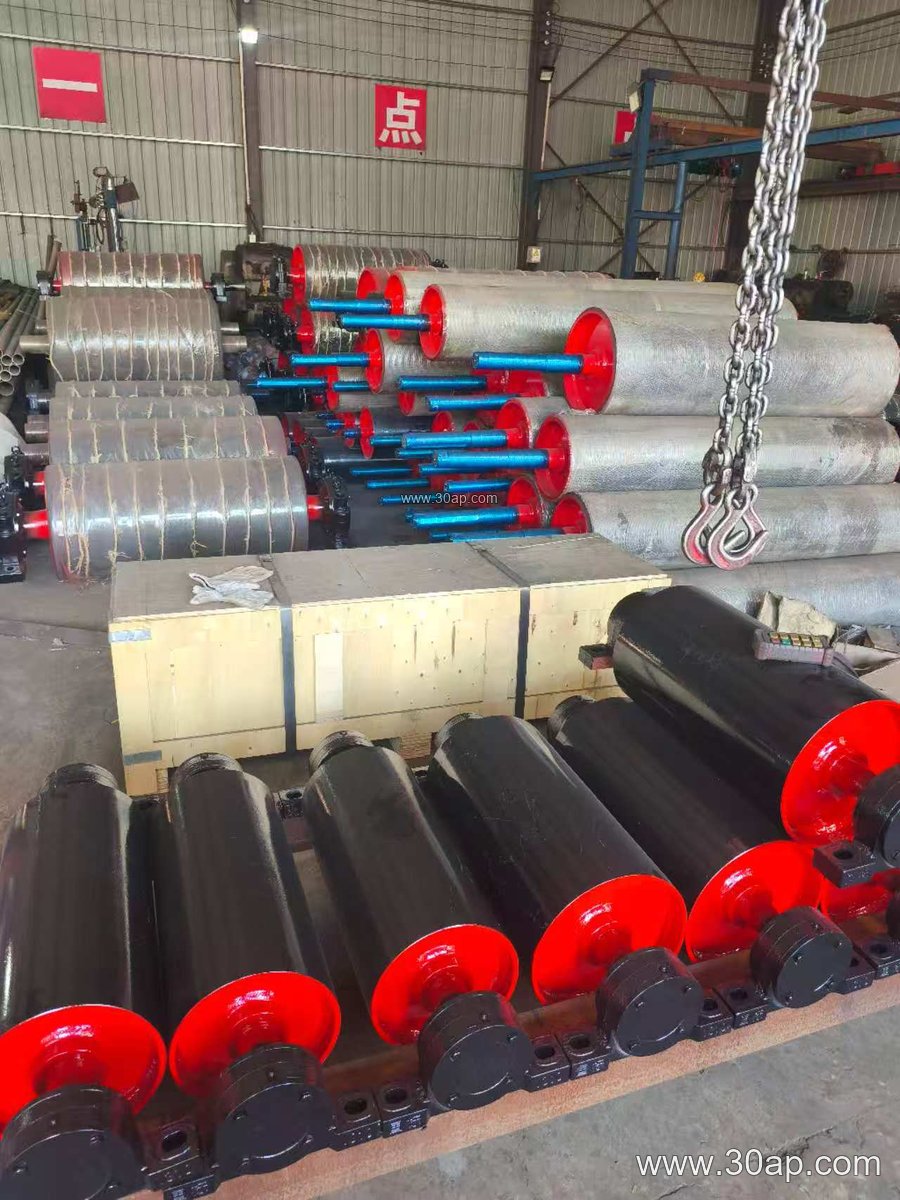
A typical lagged drum consists of a steel shell, end discs, a shaft, bearing housings and the lagging layer. The shell diameter and face width are selected for the belt and the duty. The lagging may be bonded by hot vulcanizing, cold bonding or casting, and the surface pattern can be plain, diamond, herringbone or ceramic. Common lagging thickness values include 8, 10, 12, 15 and 20 mm; the final choice depends on the contact pressure and the abrasiveness of the site.
- Plain rubber lagging gives smooth contact and is often used where the belt back is clean and dry.
- Diamond or herringbone lagging helps water and fine dust escape from the contact zone.
- Ceramic lagging is chosen for high-wear positions such as a head drum in an iron ore or copper ore operation.
The pulley face width is usually larger than the belt width. For reference, a B800 belt may use a drum face of about 950 mm, and a B1200 belt may use a face of about 1400 mm. These are common reference figures, not fixed rules. Diameter and shaft size are determined by torque, belt tension and bearing load, so a B1000 belt can be matched with different drum diameters depending on the conveyor design.
Where It Fits on the Conveyor
The main job of a lagged drum is to transmit drive force to the belt. On a drive or head pulley, the lagging raises the friction coefficient and reduces slip under load. A tail pulley, by contrast, mainly guides and supports the belt at the return end, and a bend pulley changes belt direction; these are different roles and are not interchangeable. A lagged surface may also be applied to a tension or snub position when extra grip is needed, but the function of that position remains different from the drive drum.
In a coal preparation plant or a power station coal handling line, a lagged head drum often runs with a conveyor belt that carries wet or dusty material. In a sand and gravel line, the same drum type may face abrasive fines. In a steel plant sinter line or a fertilizer handling system, the lagging choice should consider both grip and chemical exposure.
Selection Points for Buyers
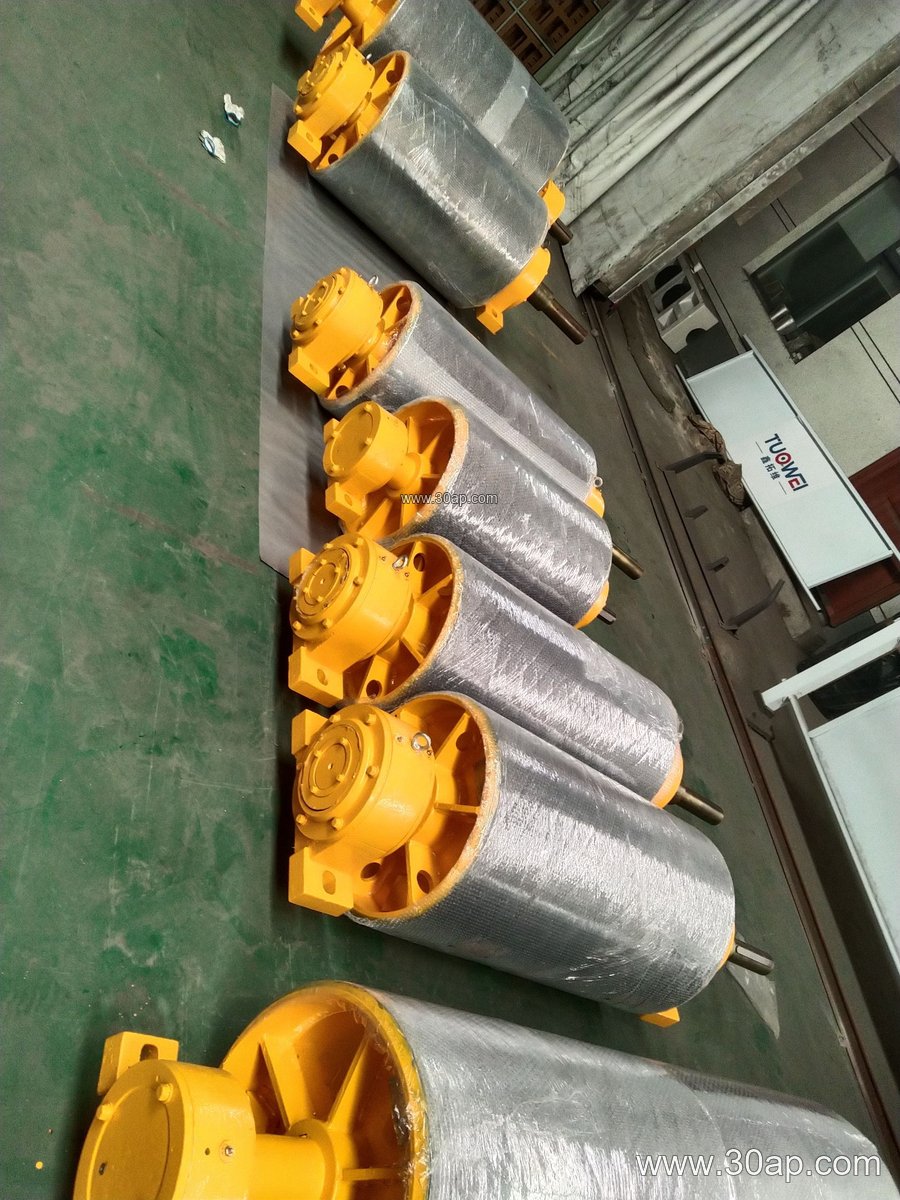
Buyers should confirm the belt width, the drum diameter, the shaft diameter, the bearing type and the lagging surface before ordering. A common reference table can help organize the data, but it should not replace the conveyor design calculation.
| Reference item | Common values |
|---|---|
| Belt width | B400, B500, B650, B800, B1000, B1200, B1400, B1600 |
| Pulley diameter | Ø200, Ø250, Ø315, Ø400, Ø500, Ø630, Ø800, Ø1000, Ø1250 |
| Lagging thickness | 8, 10, 12, 15, 20 mm |
| Shaft diameter | Ø50, Ø60, Ø70, Ø80, Ø90, Ø100, Ø120, Ø140, Ø160 |
| Surface form | Plain, diamond, herringbone, ceramic, cast rubber, hot vulcanized rubber |
Also check the pulley face width, the mounting position and the available space for the conveyor bracket. A larger diameter can improve belt wrap and reduce bending stress, but it must fit the frame. The shaft diameter should follow the torque and load calculation, not a fixed match to belt width alone.
Maintenance and Daily Checks
Inspect the lagging for cuts, glazing, uneven wear and loose edges. Keep the belt back and the drum face clean, because material buildup can cause tracking problems and vibration. Check bearing temperature and lubrication, and confirm that the belt is centered on the drum. If the lagging is worn smooth at a drive position, slip may appear under starting load, and the surface may need re-lagging. A spare conveyor pulley with the correct lagging specification can reduce downtime in a busy aggregate or coal handling plant.