Understanding the Three-Roll Idler Bracket
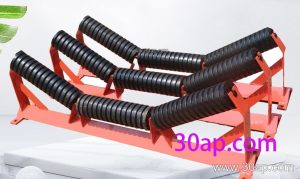
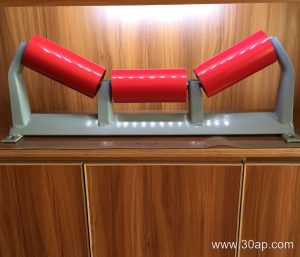
A three-roll idler bracket is the structural component that holds three idler rollers in a trough shape on the carrying side of a belt conveyor. Often called a troughing idler bracket or simply a three-roll bracket, it sets the roll spacing and trough angle that guide the conveyor belt and support the load. In quarry, cement plant, and power plant coal handling systems, this bracket is a small but critical part of keeping the belt tracking smoothly and reducing spillage.
Construction and Materials
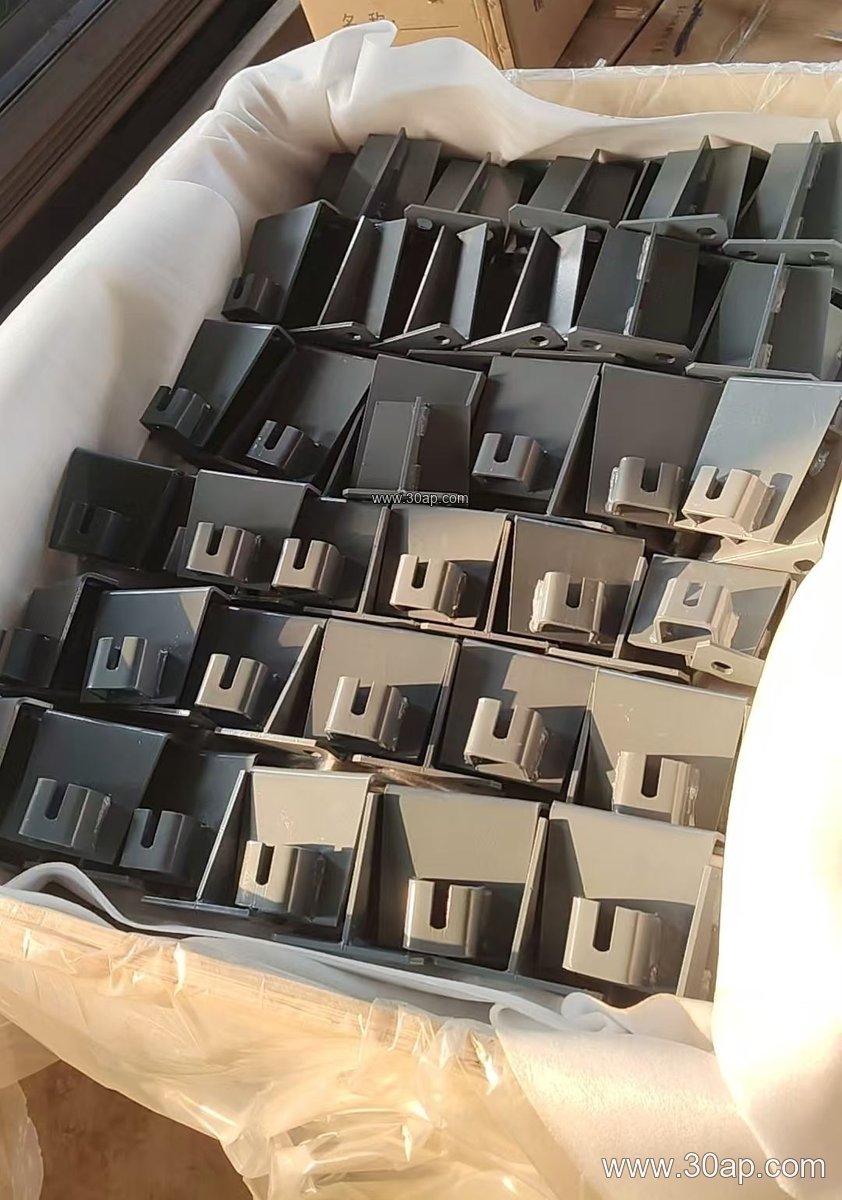
Most three-roll brackets are fabricated from angle steel, channel steel, or folded steel plate. The frame includes mounting slots or holes that align with the conveyor stringer, and the roll seats are positioned to create the desired trough profile. Common materials are mild steel with painted or galvanized finish, though stainless or special coatings may be specified for corrosive environments such as fertilizer plants or port terminals.
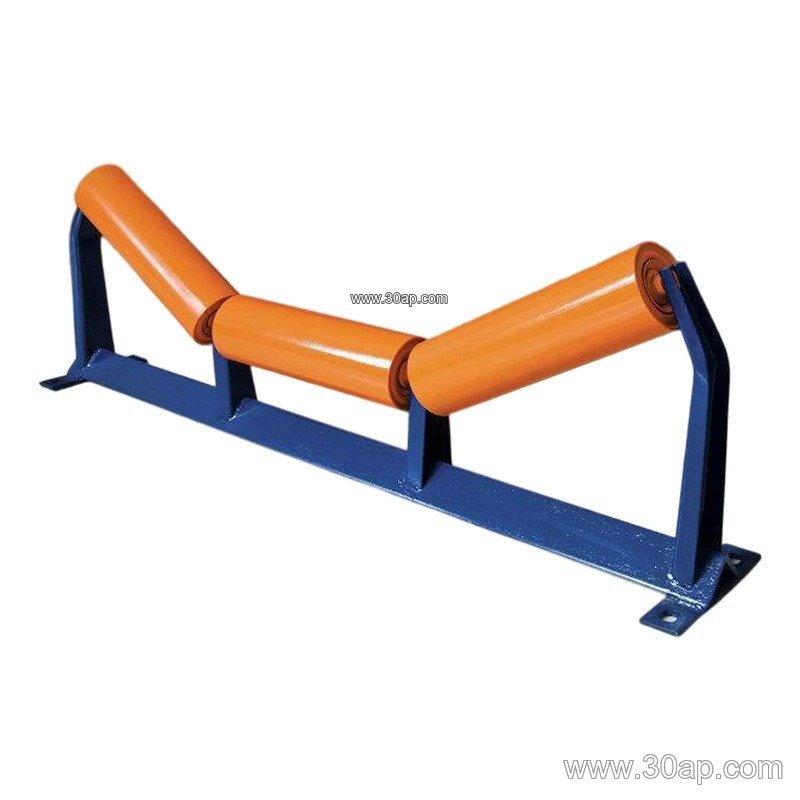
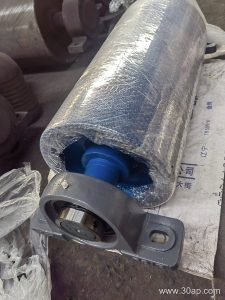
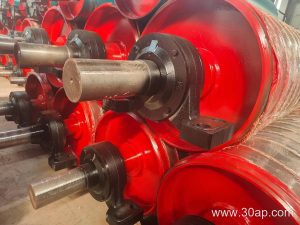
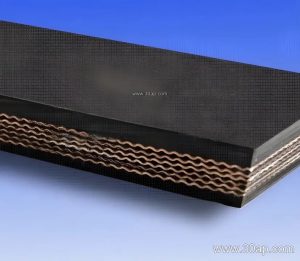
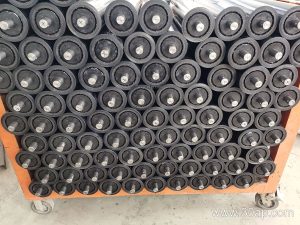
The bracket does not act alone. It works with the idler roller, the conveyor pulley at the drive and tail ends, and the conveyor belt itself. A well-aligned bracket helps prevent belt edge damage and extends roller life.
Where It Is Used
Three-roll idler brackets appear in bulk material handling across many industries. In a limestone mine or aggregate plant, they support belts carrying crushed rock. In a coal-fired power plant, they handle coal on the way to the boiler. Cement plants use them on clinker and raw meal belts, while steel plants rely on them for sinter and ore transport. The bracket is equally at home in a sand and gravel line, a tunnel spoil removal system, or a grain silo conveyor.
Key Parameters and Selection
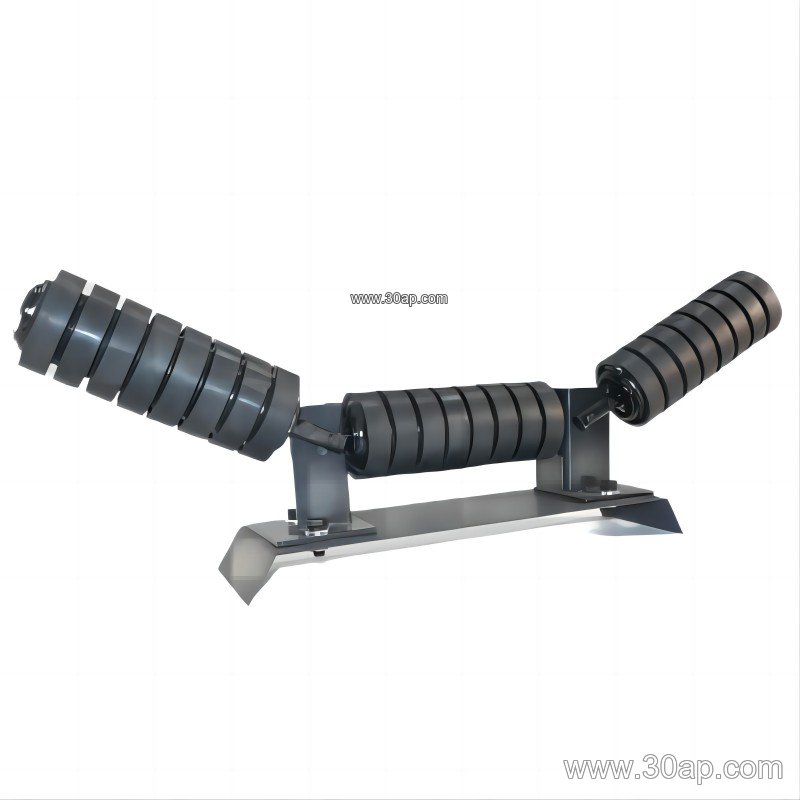
Buyers should match the bracket to the belt width, trough angle, and roller diameter. Common belt widths range from B500 to B2200, with B800, B1000, and B1200 being typical in many plants. Trough angles of 20, 30, 35, and 45 degrees are standard, and adjustable brackets allow switching between these angles. Roller diameters such as Ø89, Ø108, Ø133, Ø159, and Ø194 are available depending on load and belt speed.
The table below shows representative combinations, but these are examples only. Final selection depends on conveyor design, material lump size, and operating conditions.
| Belt Width | Trough Angle | Roller Diameter | Typical Bracket Type |
|---|---|---|---|
| B650 | 30° | Ø89 | Fixed troughing bracket |
| B800 | 35° | Ø108 | Fixed or adjustable |
| B1000 | 35° | Ø133 | Adjustable troughing bracket |
| B1200 | 45° | Ø133 | Heavy-duty bracket |
| B1400 | 35° | Ø159 | Adjustable bracket |
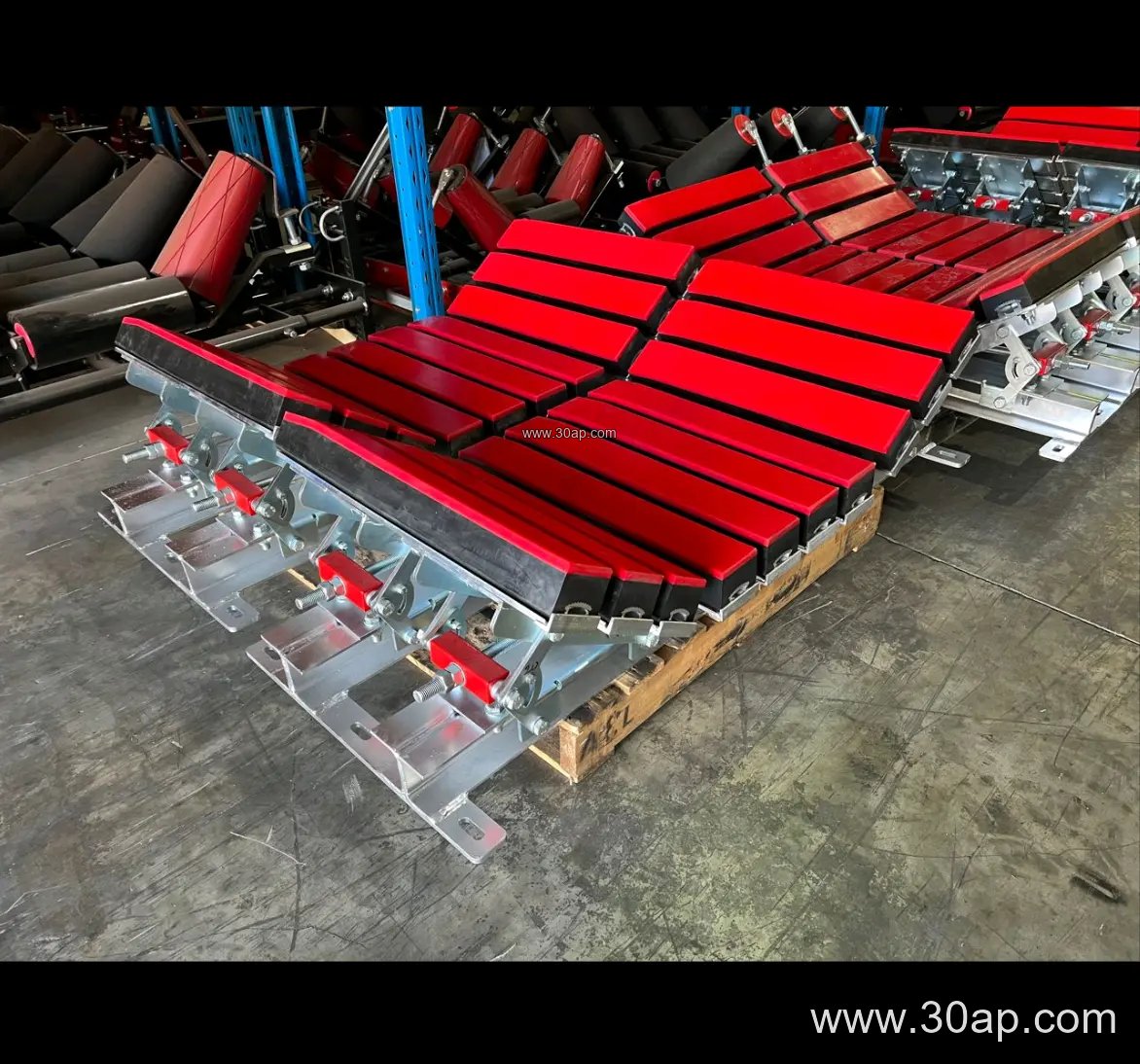
Other bracket types exist for different positions on the conveyor, such as return brackets, impact brackets, and self-aligning brackets. These are not interchangeable with the three-roll carrying bracket, but they may be used on the same conveyor system.
Buyer Checklist
- Confirm belt width and required trough angle before ordering.
- Check roller diameter and shaft size compatibility with the bracket seats.
- Decide between fixed and adjustable design based on whether you need to fine-tune the trough shape.
- Review material and finish for the site environment—dust, moisture, or corrosive exposure.
- Verify mounting hole spacing and beam length against your conveyor stringer dimensions; these vary with belt width and trough angle.
A three-roll idler bracket may seem like a simple steel frame, but its fit and alignment directly affect belt life and conveyor uptime. Taking time to match the bracket to the belt and roller specifications pays off in smoother operation and fewer maintenance stops.