What a Trough Idler Set Does on a Conveyor
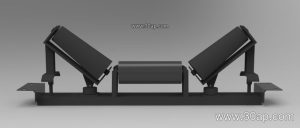
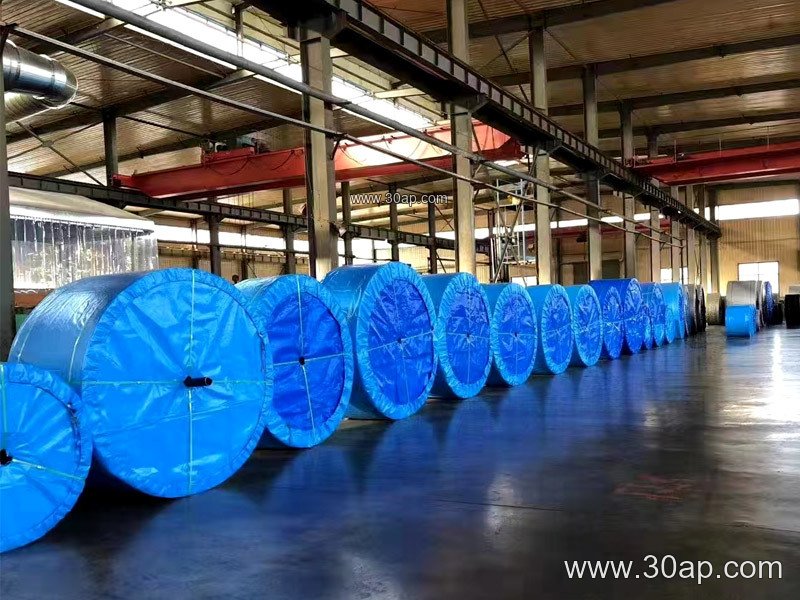
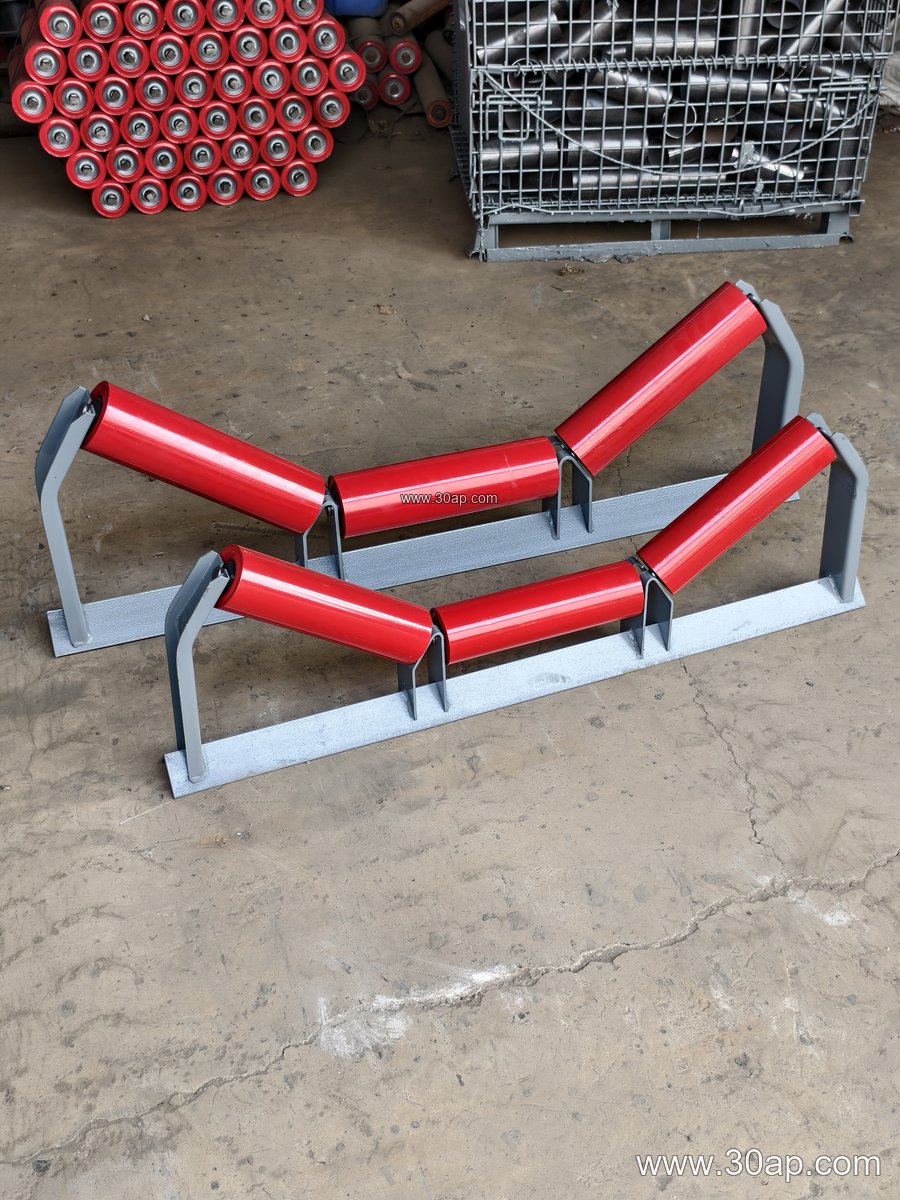
A trough idler set is the assembly of two or three idler rollers mounted on a common frame to support the carrying side of a conveyor belt. The rollers are angled to form a trough shape, which keeps bulk material centered and reduces spillage. This set is a key component in systems handling coal, ore, aggregate, cement, and other bulk materials. Unlike a drive pulley or tail pulley, which transmit power and change belt direction, the trough idler set only provides support and guidance. It is often used alongside a rubber conveyor belt or an EP conveyor belt in mining and quarry operations.
Construction and Common Configurations
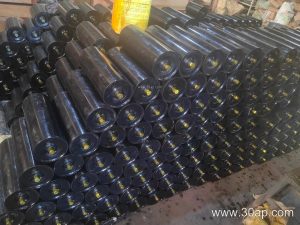
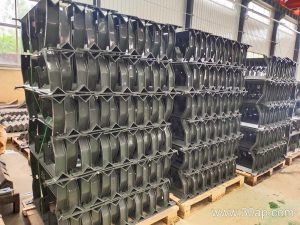
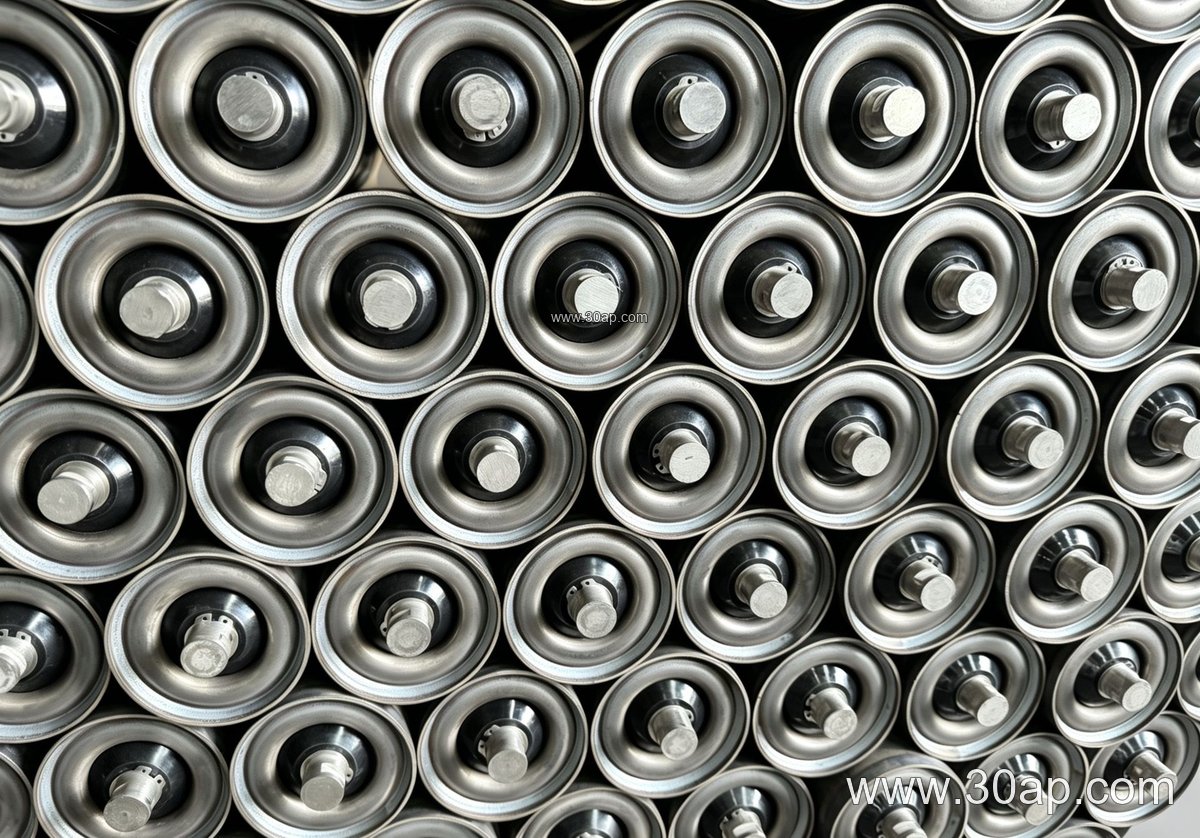
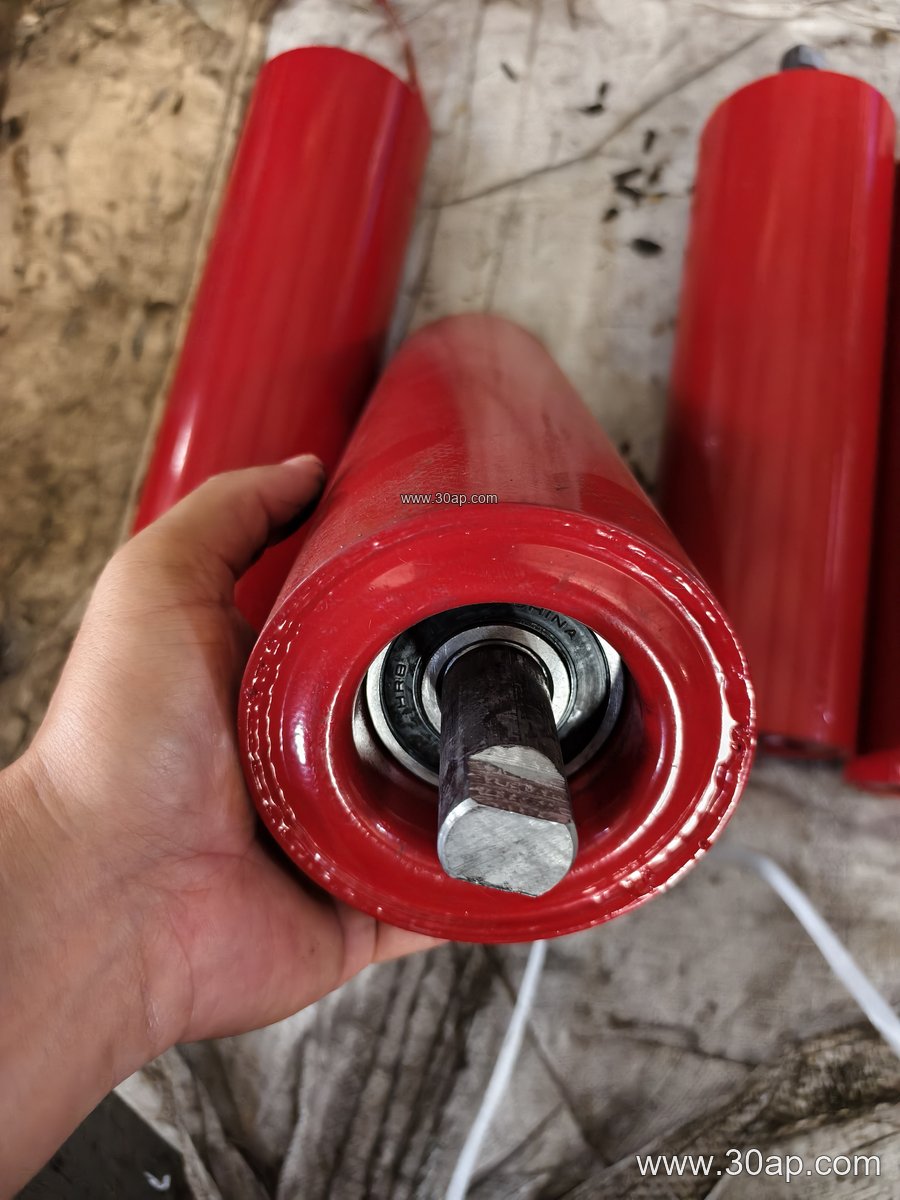
A typical trough idler set includes two or three idler rollers, a steel frame, and bearing housings. The rollers may have steel, nylon, or rubber surfaces. Common roller diameters include Ø89, Ø108, Ø127, and Ø159, while belt widths range from B500 to B2000. The trough angle is usually 20, 30, 35, or 45 degrees. A three-roll set is common for wider belts, while a two-roll set may be used for narrower belts or specific load conditions. Bearings such as 6205 or 6305 are frequently used, but the exact bearing depends on the roller diameter and load. The roller length varies with belt width and trough angle; for example, a three-roll set for B800 may use rollers around 315 mm long, but side and center rolls can differ. These values are typical examples, not fixed rules.
Where Trough Idler Sets Are Used
You will find trough idler sets in coal mines, cement plants, power plant coal handling systems, and aggregate crushing lines. In a coal mining conveyor, they support the loaded belt and help maintain a proper trough profile. In a quarry or sand and gravel plant, they keep abrasive rock and stone centered. They are also used in port bulk terminals and steel plant raw material yards. The set works with the conveyor belt to ensure smooth travel, and it is often paired with a return idler or impact idler in the same conveyor line. Proper selection of the trough angle and roller diameter helps match the belt width and material characteristics.
Selection and Maintenance Tips
When choosing a trough idler set, consider the belt width, material lump size, and operating environment. For high-abrasion service, rollers with rubber or ceramic surfaces may last longer. In dusty or wet conditions, good sealing is important to protect the bearings. Check that the frame and brackets fit your conveyor bracket spacing. Regular inspection of roller rotation and alignment prevents belt damage. Worn rollers can cause belt tracking issues, so replacing them promptly is advisable. Remember that the trough idler set is not interchangeable with a bend pulley or drive pulley; each has a distinct role. For heavy-duty mining conveyor belts, a robust idler set with adequate bearing capacity is recommended. Always follow the manufacturer’s load ratings and installation guidelines.
Typical Reference Data
| Item | Common Range or Example |
|---|---|
| Roller diameter | Ø63 to Ø219 (e.g., Ø89, Ø108, Ø127, Ø159) |
| Belt width | B400 to B2400 |
| Trough angle | 20°, 30°, 35°, 45° |
| Number of rolls | 2 or 3 (single roll for flat carry) |
| Roller length (3-roll example) | B500: about 200 mm; B800: about 315 mm; B1200: about 465 mm; B1600: about 600 mm |
| Bearing examples | 6204, 6205, 6305, 6306, 6308, 6310 |
These figures are for reference only; actual dimensions depend on the conveyor design and application. For more information on compatible conveyor components, visit our site at www.example.com/trough-idler-set or www.example.com/conveyor-idler. You can also learn about related products such as the fabric core conveyor belt and steel cord conveyor belt for your bulk handling needs.