What an Underground Mining Conveyor Belt Is
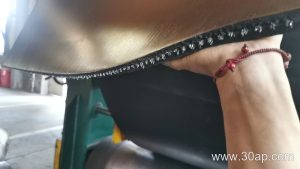
An underground mining conveyor belt is the load-carrying component of a continuous haulage system installed in tunnels, declines and shaft-adjacent roadways. It moves coal, ore, waste rock and other bulk materials from the working face to the surface or to a transfer point. Because the belt runs in a confined, often dusty and damp environment, its construction differs from a standard surface belt: the carcass and covers are chosen for tear resistance, flame retardancy and reliable tracking around drive, tail and bend pulleys.
In practice, the same product is also called an underground conveyor belt or a coal mining conveyor belt when the duty is coal transport. These are accepted equivalents for the same belt, not separate machine types.
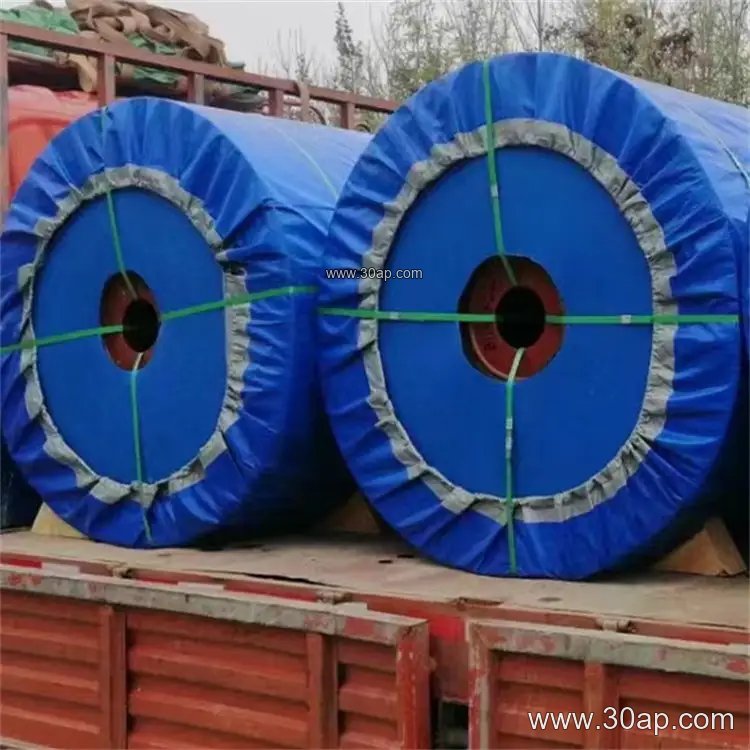
Construction and Core Components
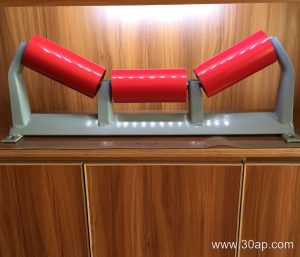
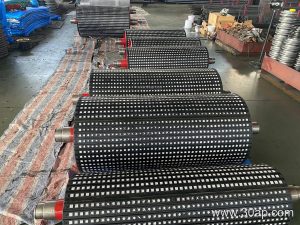
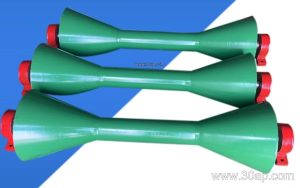
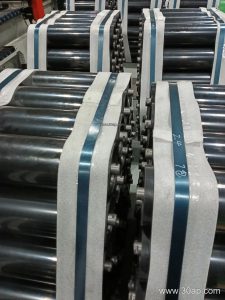
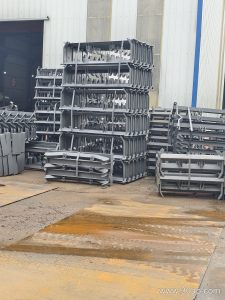
A typical belt combines a fabric or steel cord carcass with rubber covers. Fabric carcasses may use EP (polyester-cotton) or NN (nylon-nylon) plies, while high-capacity trunk conveyors often use steel cord. Cover compounds are selected for abrasion, heat, oil or fire resistance according to the material handled. The belt works together with idler rollers that support the carrying and return strands, conveyor pulleys at the head and tail, and conveyor brackets that hold the idlers in alignment.
Common carcass and cover references include:
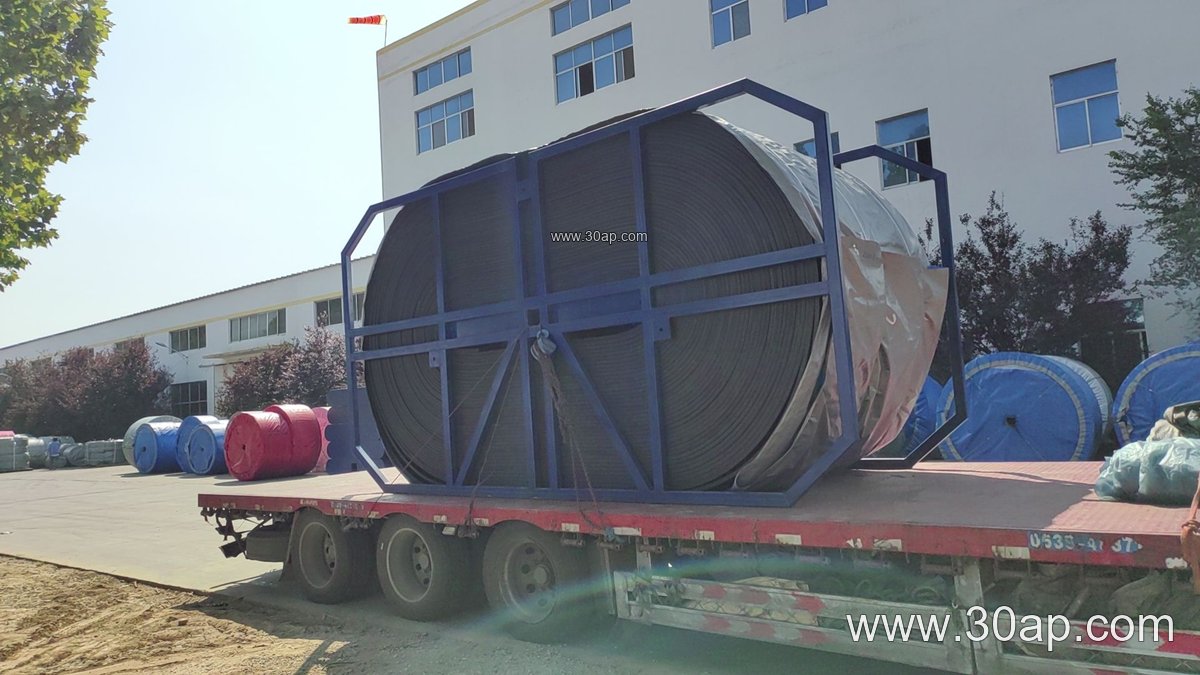
- EP200, EP315, EP400, EP500, EP630, EP800, EP1000, EP1250, EP1600 and EP2000 for fabric-core belts.
- NN100 to NN400 for nylon carcass belts.
- ST1000 to ST3150 for steel cord belts in long or high-tension runs.
- Cover gauges such as 3+1.5, 4+2, 5+2, 6+2 and 8+3 mm, with 2 to 6 plies common in fabric constructions.
Belt widths are usually stated as B500, B650, B800, B1000, B1200, B1400, B1600, B1800 and B2000. Width alone does not fix pulley diameter or shaft size; those are determined by the conveyor design, tension and pulley manufacturer.
Where It Is Used
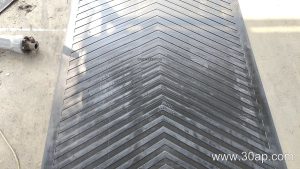
Underground mining conveyor belts appear in coal mines, metal mines, cement and aggregate operations, and tunnel projects. A flame retardant conveyor belt is common in coal mining conveyor belts, while abrasion resistant conveyor belts suit ore and rock. In dry or dusty workings, an anti-static conveyor belt helps control static build-up. For steep inclines, a chevron conveyor belt or corrugated sidewall conveyor belt may be considered, but these are different belt forms and should not be substituted for the main flat belt without a design review.
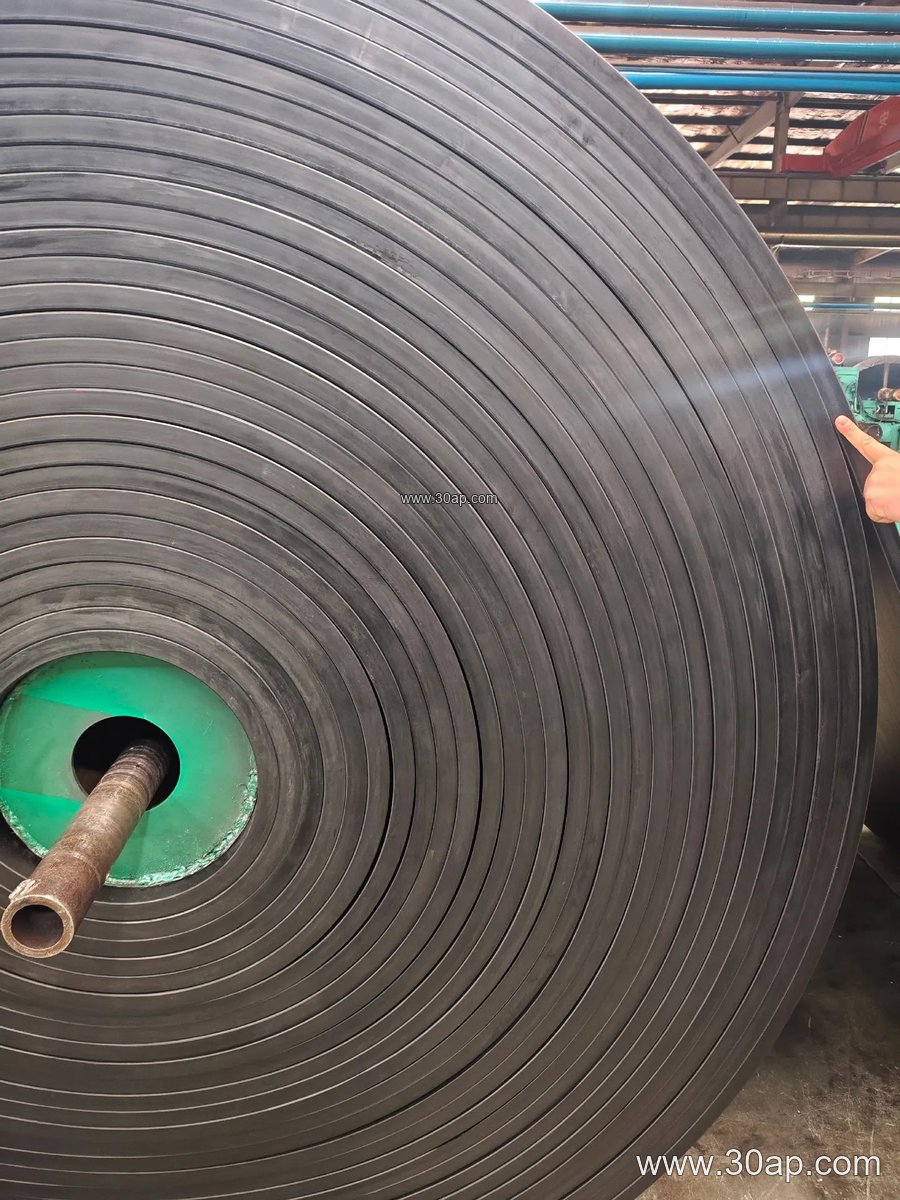
Related industries include power plants, steel plants, ports and ship loading, where a heavy-duty conveyor belt handles bulk material under similar tension and impact loads.
Buyer Checklist
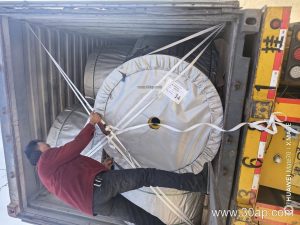
Before ordering, confirm the material type, lump size, moisture, temperature and required fire performance. Check the conveyor layout: horizontal length, lift, trough angle and the number of drive, tail and bend pulleys. Specify the belt width, carcass grade, cover thickness and any special properties such as heat resistant, oil resistant, cold resistant or acid resistant covers. Ask for the splice method and edge condition, since an endless conveyor belt may be supplied vulcanized or with mechanical fasteners.
Finally, match the belt to the idler roller spacing and pulley diameters recommended for the carcass. Do not assume one belt width matches one pulley size. A practical specification lists belt type, strength, width, cover gauge and required approvals, then leaves final pulley and shaft sizing to the conveyor designer.