What Is a Belt Conveyor Tail Pulley?
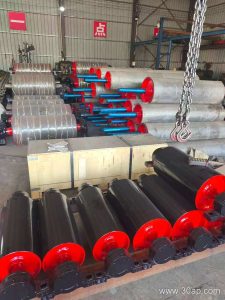
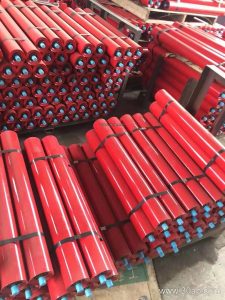
The belt conveyor tail pulley is the rotating drum at the rear end of a conveyor, where the belt loops back after discharging its load. It is also known as the tail drum or return end pulley. Unlike the drive pulley that powers the belt, or bend pulleys that redirect its path, the tail pulley primarily serves as a guiding and tensioning component, helping maintain belt alignment and proper tension. In mining, quarrying, cement plants, and power stations, this pulley works alongside idler rollers and conveyor brackets to ensure smooth operation.
Construction and Key Features
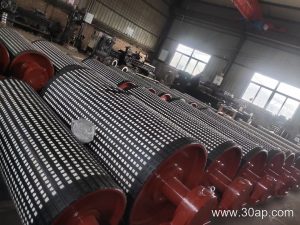
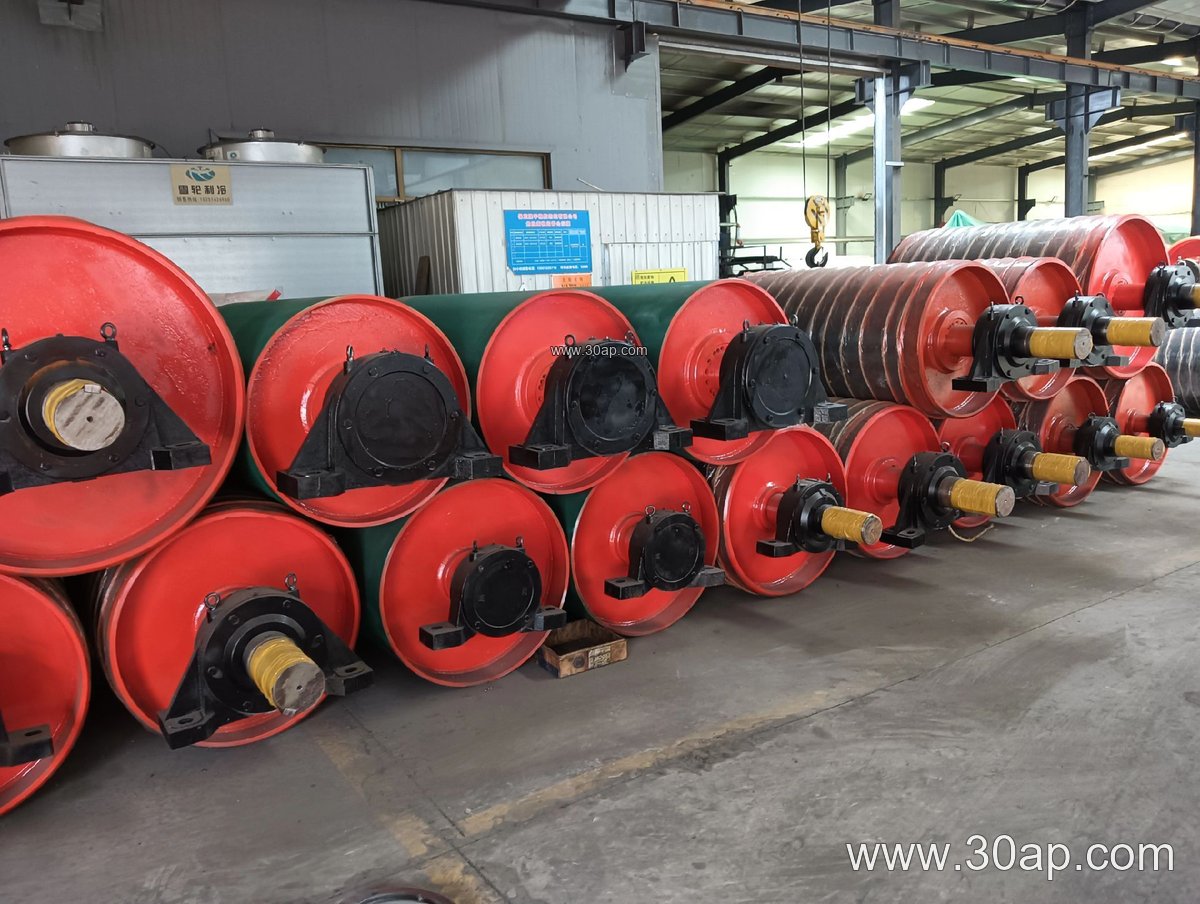
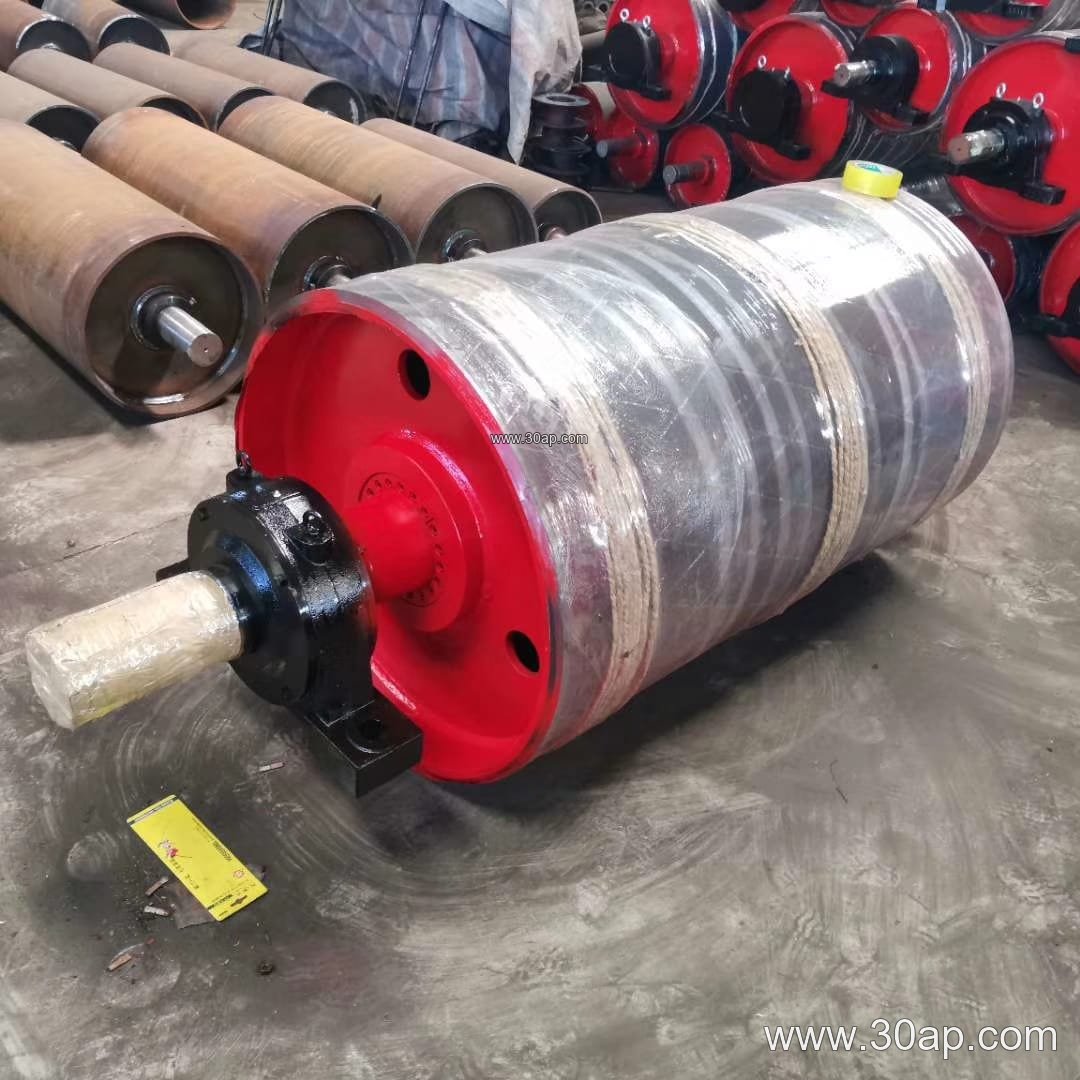
Typically built with a sturdy steel shell, the tail pulley may feature a plain or lagged surface. Lagging options include rubber, ceramic, or diamond pattern, with thicknesses commonly 8, 10, 12, 15, or 20 mm, to improve grip and reduce wear. The shaft diameter is determined by torque and load requirements, often ranging from Ø50 to Ø200 mm, and is not directly tied to belt width alone. Common diameters for tail pulleys include Ø200, Ø250, Ø315, Ø400, and up to Ø1000 mm or more, depending on conveyor design. Face widths usually exceed the belt width; for example, a 1200mm wide belt might use a pulley face of about 1400 mm. Bearings are housed in sturdy pillow blocks or flanged units, and the pulley may be fixed or mounted on a tensioning device.
Where It Is Used
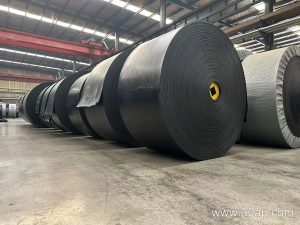
Tail pulleys are found in a wide range of bulk material handling systems. In the aggregate and quarry industry, they are crucial for conveyor lines transporting crushed stone, sand, and gravel. In coal mining and preparation plants, they help move coal reliably, often paired with flame retardant conveyor belts. Cement plants use them in clinker and raw material conveyors, while power plants rely on them for coal handling. Other applications include port bulk terminals, steel mills, and fertilizer plants. The pulley works in tandem with the conveyor belt, which might be an EP conveyor belt, steel cord conveyor belt, or heat resistant conveyor belt, depending on the material and environment.
Selection and Sizing Considerations
Choosing the right tail pulley involves matching it to the conveyor’s belt width, tension requirements, and operating conditions. While there is no universal rule that a specific belt width must pair with a particular pulley diameter, common combinations include B800 with Ø500, B1200 with Ø1000, or B1400 with Ø800, but these are examples only and final selection should be based on engineering calculations. The shaft diameter, typically Ø80, Ø100, or Ø120 mm, is determined by the torque and radial loads, not merely by belt width. Surface lagging should be selected based on the need for traction and wear resistance; for instance, ceramic lagging is often used in high-abrasion environments. Additionally, consider the pulley’s location—whether it acts as a tail pulley, tension pulley, or bend pulley—as each has distinct functional requirements. For reliable performance, ensure compatibility with the conveyor belt type, such as abrasion resistant conveyor belt or oil resistant conveyor belt, and other components like idler rollers and conveyor brackets.
Maintenance and Operational Tips
Regular inspection of the tail pulley is essential to prevent unplanned downtime. Check for lagging wear, buildup of material, and proper bearing lubrication. Misalignment can lead to belt tracking issues, so verify that the pulley is square to the conveyor frame. In harsh environments like underground mining or dusty cement plants, use sealed bearings and consider lagging that resists buildup. Always follow the manufacturer’s recommendations for tensioning and alignment to extend the service life of both the pulley and the conveyor belt.