What a High-Speed Conveyor Idler Does on a Busy Line
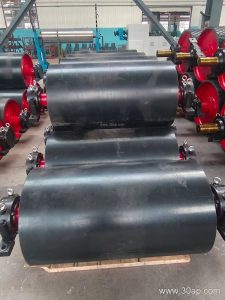
A high-speed conveyor idler is the rotating support that carries the conveyor belt at elevated belt speeds, typically found on main haulage or transfer conveyors where tonnage and velocity are both high. In a limestone quarry or a coal-fired power plant, these idlers must keep the belt tracking smoothly while enduring continuous motion, abrasive dust, and the load of material ranging from fine aggregate to lump ore. Unlike a conveyor pulley, which drives or redirects the belt at the ends, the idler roller works along the carrying and return runs. Drive, tail, and bend pulleys are not interchangeable with idlers, and each has a distinct role in the conveyor system.
Construction Details That Matter at Speed
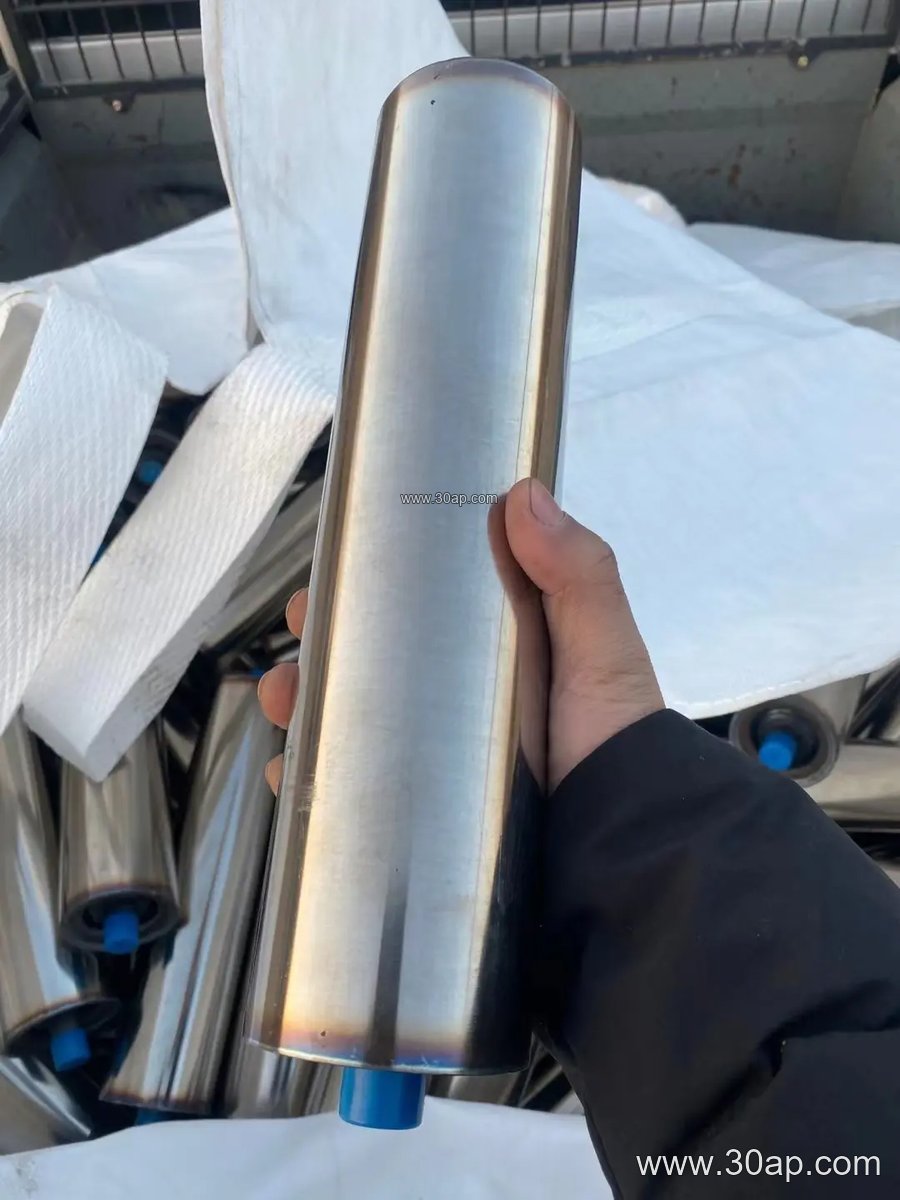
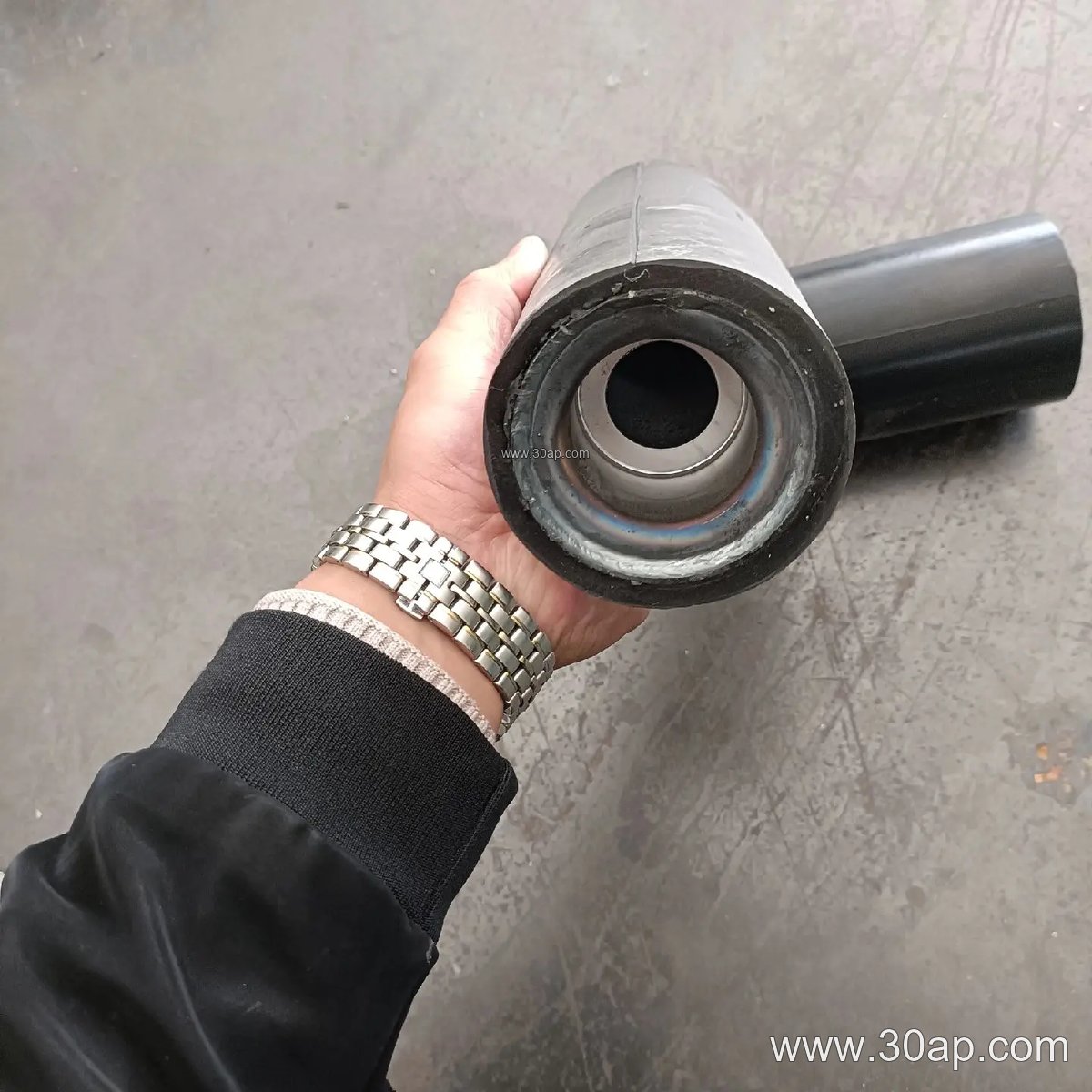
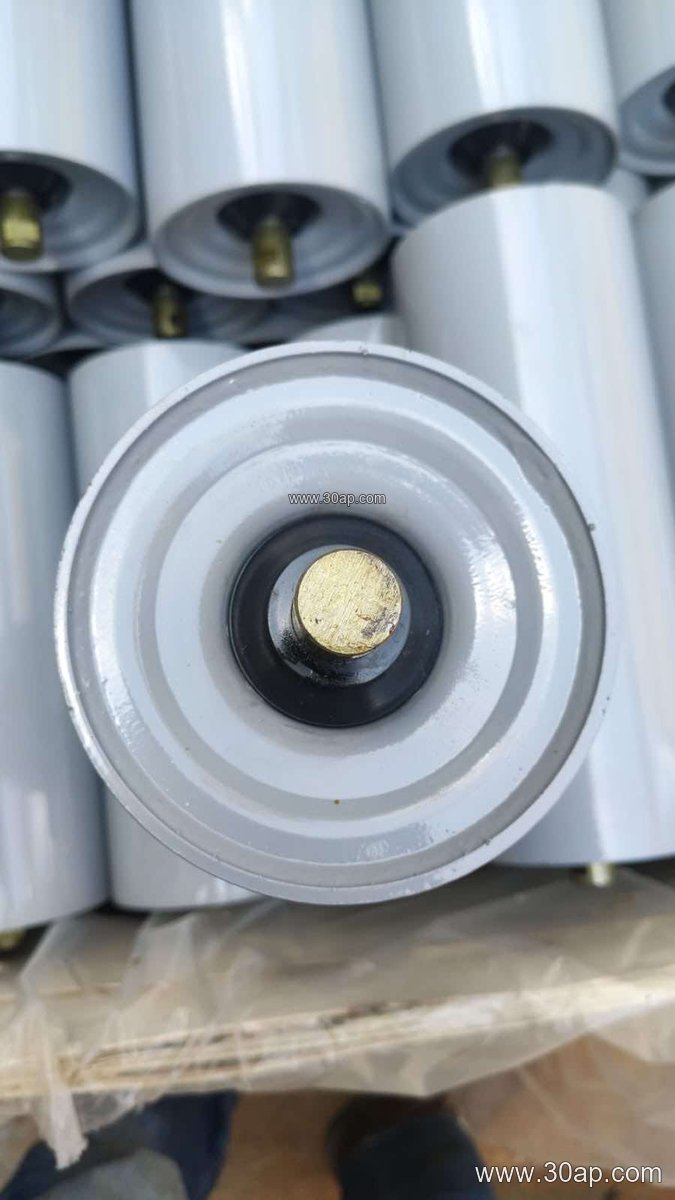
The typical high-speed conveyor idler consists of a steel tube shell, bearing housings, a shaft, and a sealing arrangement. At higher belt speeds, bearing quality and seal effectiveness become critical because heat build-up and dust ingress accelerate wear. Common bearing sizes include 6204, 6205, 6305, 6306, 6308, and 6310, matched to the idler diameter and load rating rather than to belt width alone. Roller surfaces may be plain steel, nylon, ceramic, or rubber rings; the choice depends on whether the application demands abrasion resistance, material build-up prevention, or impact absorption. A high-speed conveyor idler often uses a labyrinth seal or multi-stage seal to keep fines away from the bearing cavity.
Where High-Speed Idlers Are Used
These idlers appear in cement plants moving clinker, in iron ore and copper concentrators, in sand and gravel aggregate lines, and in port bulk terminals where belt speeds are pushed to maximize throughput. They are also common in tunnel muck removal and in fertilizer or grain handling where continuous operation is expected. In all these settings, the conveyor belt runs over a series of idlers arranged in a trough or flat configuration, and the high-speed duty means every idler must run true without vibration. A worn idler roller can cause belt mistracking, spillage, and premature cover wear, so maintenance teams pay close attention to the carrying run and return run.
Common Types and Arrangements
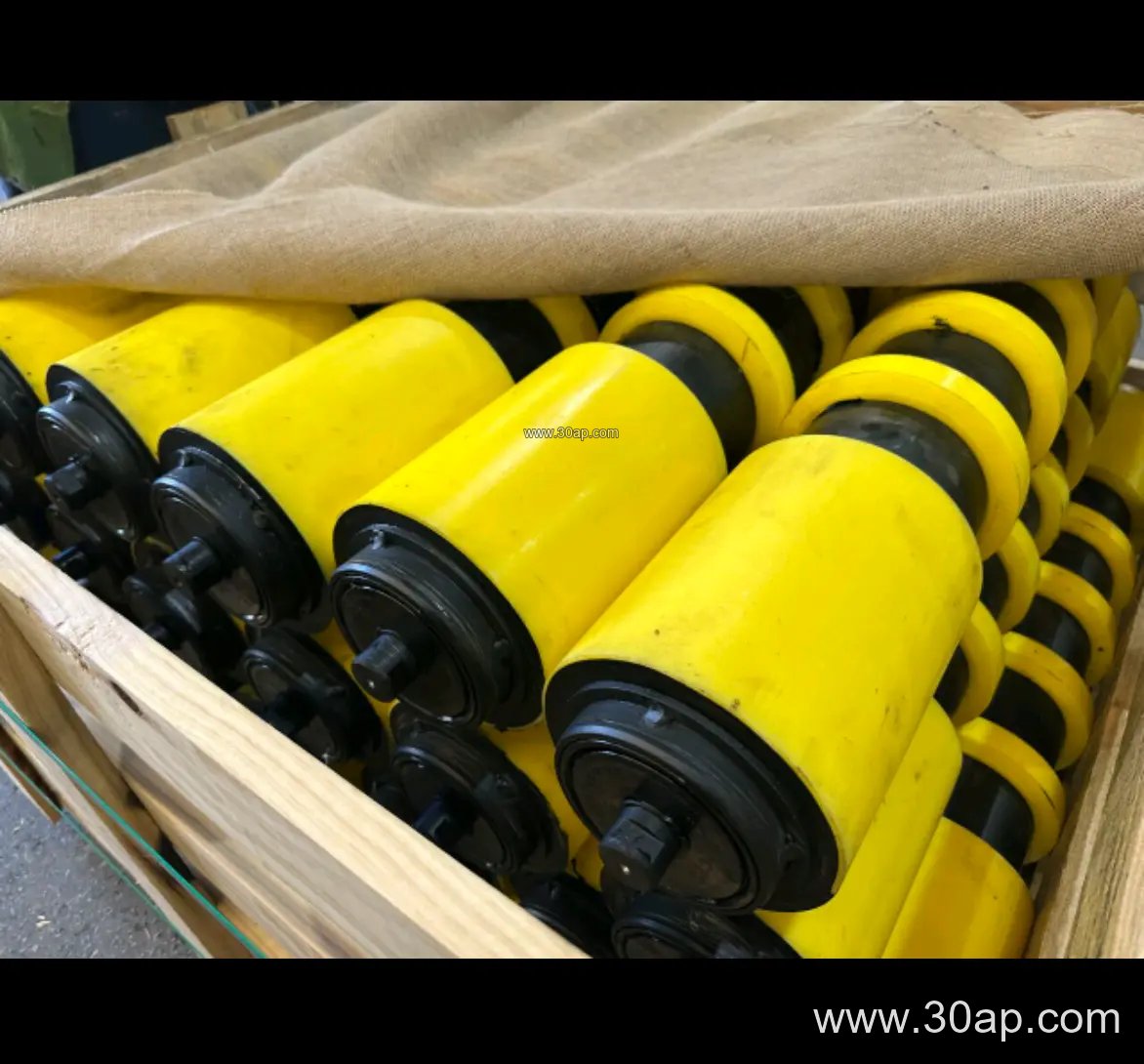
The keyword product is not a single fixed item; it is a family of idlers built for high-speed service. Troughing idlers in two- or three-roll arrangements are standard on the carrying side, while return idlers support the empty belt. For comparison, a training idler or a spiral idler may be used to correct tracking or shed sticky material, but these are different subtypes and do not replace the high-speed carrying idler. A high-speed conveyor idler may be supplied as a single-roll unit, a two-roll set, or a three-roll troughing set depending on belt width and material profile.
- Troughing idler sets with 20, 30, 35, or 45 degree trough angles
- Return idlers, including flat and V-type designs
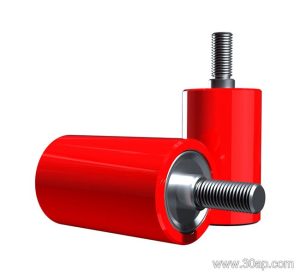
- Impact idlers with rubber rings at transfer points
- Transition idlers near pulleys to ease belt bending
Dimensions and Reference Data
Idler diameter and belt width are selected together, but no single belt width locks in one pulley diameter or one shaft size. The table below shows common reference values; actual roller length varies with trough angle and idler arrangement, and the side rolls may differ from the center roll.
| Belt Width | Common Roller Length (three-roll trough) | Typical Idler Diameter Range |
|---|---|---|
| B500 | approx. 200 mm | Ø63 to Ø89 |
| B650 | approx. 250 mm | Ø76 to Ø108 |
| B800 | approx. 315 mm | Ø89 to Ø127 |
| B1000 | approx. 380 mm | Ø102 to Ø133 |
| B1200 | approx. 465 mm | Ø108 to Ø159 |
| B1400 | approx. 530 mm | Ø127 to Ø178 |
| B1600 | approx. 600 mm | Ø133 to Ø194 |
| B1800 | approx. 670 mm | Ø159 to Ø219 |
| B2000 | approx. 750 mm | Ø178 to Ø219 |
These figures are for general reference only. A conveyor designer will confirm the exact idler roller length, shaft diameter, and bearing size based on load, speed, and the conveyor bracket used. The bracket and frame must also match the idler series to avoid misalignment.
Buyer Checklist for High-Speed Service
When specifying a high-speed conveyor idler, ask about bearing clearance, seal type, shell wall thickness, and dynamic balance. Confirm the idler diameter suits the belt speed and that the roller surface is appropriate for the material—rubber rings for impact zones, ceramic or nylon where abrasion or build-up is a concern. Check that the conveyor pulley and idler specifications are coordinated, since a drive pulley or tail pulley change may affect belt tension and idler loading. Finally, request dimensional drawings showing roller length and shaft ends so the idler fits the existing conveyor bracket without modification.