What a Rust-Resistant Idler Is
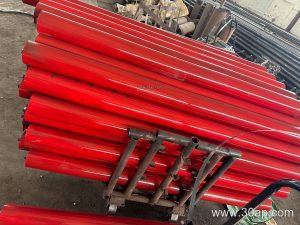
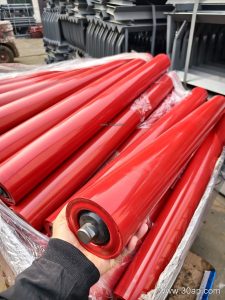
A rust-resistant idler is a carrying or return roller built to resist corrosion in wet, humid, or chemically exposed conveyor environments. Unlike a standard painted steel idler, this roller uses materials and coatings that slow oxidation on the shell, shaft, and bearing housing. The result is longer service life and less downtime in plants where moisture, washdown, or airborne salts are routine. You will often see this roller specified alongside a Rubber Conveyor Belt or an EP Conveyor Belt in material handling lines that cannot afford frequent roller changes.
Construction and Materials
The corrosion resistance comes from several design choices. The roller shell may be made of galvanized steel, stainless steel, or polymer-coated steel. The shaft is typically treated or made from a corrosion-resistant alloy. Bearing housings use sealed designs with labyrinth or contact seals to keep moisture and fine dust away from the bearing. In some versions, the end caps are plastic or composite rather than stamped steel. The roller surface can be plain steel, nylon, ceramic, or rubber-covered, depending on whether the goal is low friction, impact absorption, or material build-up resistance. For dusty aggregate lines, a sealed bearing with a nylon or rubber surface often works well with an Aggregate Conveyor Belt.
Where It Fits on the Conveyor
A rust-resistant idler can serve as a troughing idler on the carrying side, a return idler on the lower strand, or a impact idler under a loading point. It is not a substitute for a drive pulley, tail pulley, or bend pulley, which are different components with different functions. The idler supports the belt and reduces friction, while pulleys transmit power and change belt direction. In a typical three-roll troughing set, the center roll and side rolls may all be rust-resistant, or only the rolls most exposed to moisture may be upgraded. The choice depends on the water exposure pattern along the conveyor.
Typical Applications
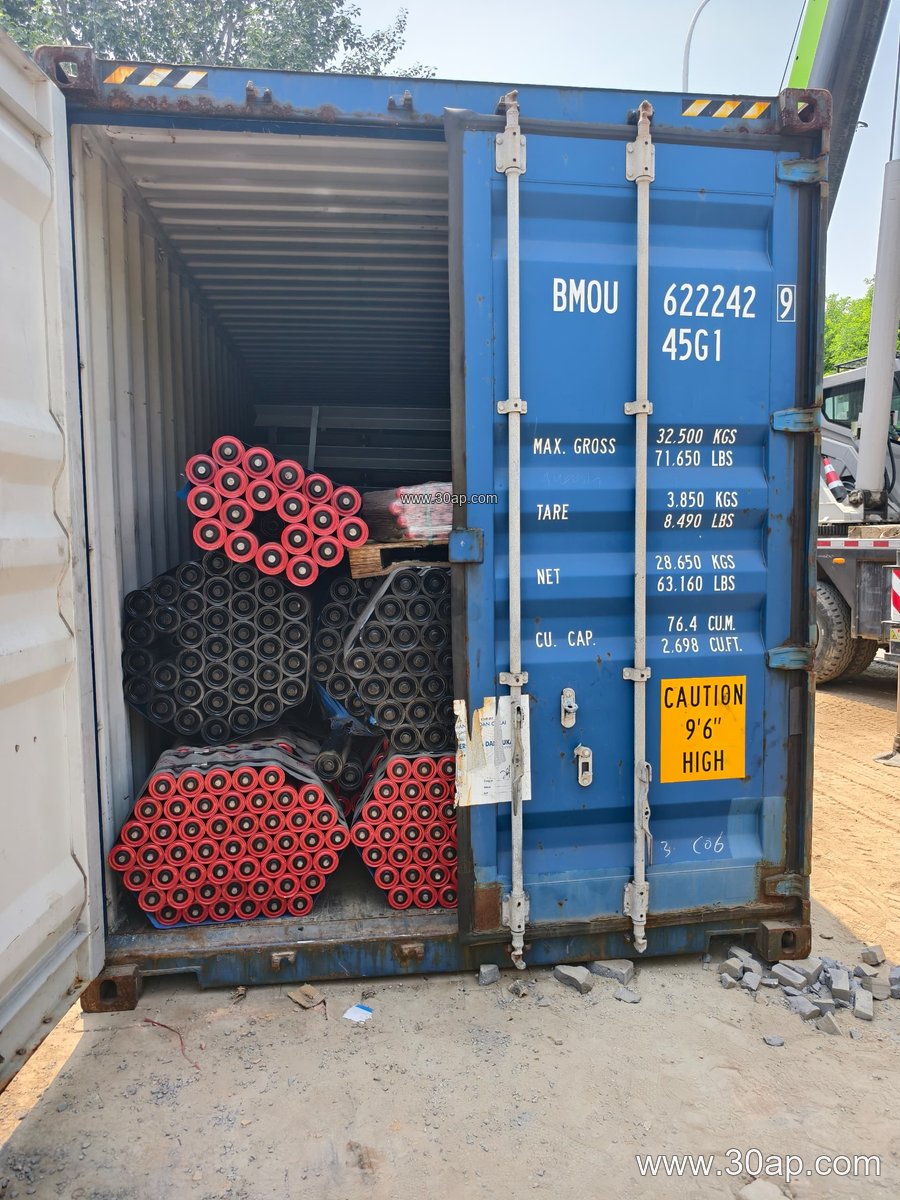
These rollers are common in coal preparation plants, port terminals, fertilizer handling, and any wash-down area in a sand and gravel plant. They also appear in power plant coal handling and in cement plants where fine dust combines with humidity. In a quarry or limestone mine, a rust-resistant return idler can outlast a standard painted roller when the conveyor runs outdoors. For heavy abrasive duty, pairing these idlers with an Abrasion Resistant Conveyor Belt helps balance wear across the system. In underground coal mining, flame retardant properties may also be required, so the idler and the Flame Retardant Conveyor Belt should be selected as a compatible set.
Dimensions and Selection Notes
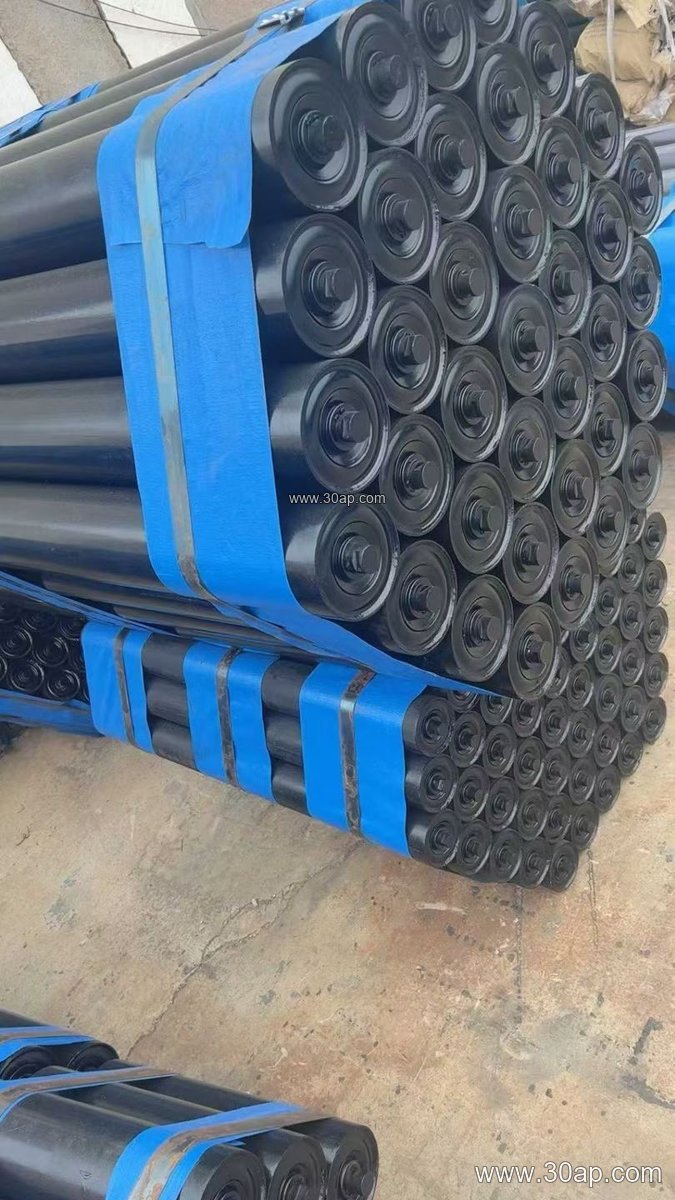
Common roller diameters for conveyor idlers include Ø63, Ø76, Ø89, Ø102, Ø108, Ø127, Ø133, Ø159, Ø178, Ø194, and Ø219 mm. Belt widths range from B400 up to B2400, and the roller length depends on belt width, trough angle, and the idler arrangement. The table below gives common examples for three-roll troughing sets; side rolls and center rolls may differ, and these are reference values rather than fixed matches.
| Belt Width | Common Roller Length (Example) |
|---|---|
| B500 | 200 mm |
| B650 | 250 mm |
| B800 | 315 mm |
| B1000 | 380 mm |
| B1200 | 465 mm |
| B1400 | 530 mm |
| B1600 | 600 mm |
| B1800 | 670 mm |
| B2000 | 750 mm |
Trough angles are commonly 20, 30, 35, or 45 degrees. Bearings such as 6204, 6205, 6305, 6306, 6308, and 6310 appear in different idler sizes, but a given bearing is not tied to a single roller diameter. Always confirm the shaft diameter, bearing type, and seal class with the idler manufacturer for the specific duty.
What Buyers Should Check
First, define the exposure: is the roller washed daily, exposed to salt air, or only occasionally wet? That answer determines whether galvanized steel is enough or stainless steel is needed. Second, check the seal design, because bearings fail long before the shell rusts through in most cases. Third, verify the roller length and trough angle against the actual conveyor bracket and belt width. Fourth, consider the belt type running on the idler; a Steel Cord Conveyor Belt may require different impact and alignment support than a fabric core belt. Finally, ask for the coating thickness or material grade rather than accepting a general rust-resistant claim. A well-matched idler set reduces belt tracking problems and keeps the conveyor bracket loads predictable.