Understanding the Belt Conveyor Bracket
A belt conveyor bracket is the structural support that holds the idler rollers in position along the conveyor frame. It determines the trough angle, the alignment of the belt, and the overall stability of the load-carrying and return sides. In quarry, cement plant, and power plant coal handling systems, the correct bracket choice directly affects belt tracking and component life. The bracket works together with the conveyor belt, idler roller, and conveyor pulley to keep material moving efficiently.
Common Types and Their Roles
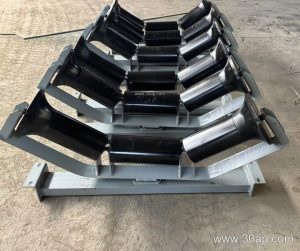
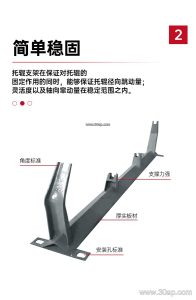
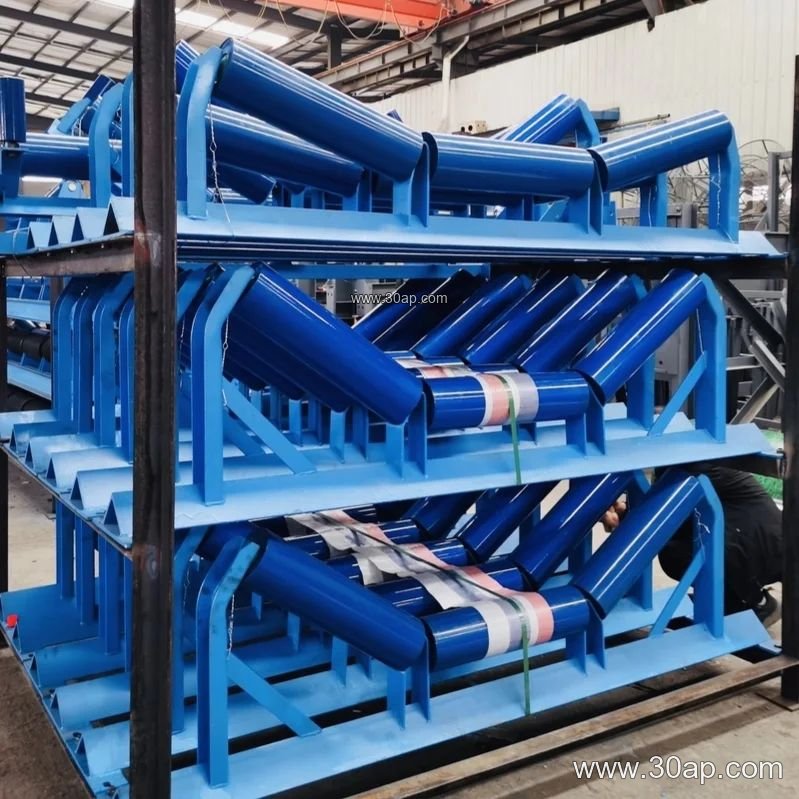
Brackets are not one-size-fits-all. The main categories include troughing brackets for the carrying side, return brackets for the lower run, and transition or impact brackets near loading points. Adjustable versions allow operators to fine-tune the trough angle on site, which is useful when a single conveyor handles different materials.
- Troughing bracket – supports three idlers at a set angle, typically 20°, 30°, 35°, or 45°.
- Return bracket – holds the return idler, often in a flat or V-shaped arrangement.
- Impact bracket – reinforced design placed under the loading zone to absorb shock.
- Transition bracket – eases the belt from flat to troughed profile near pulleys.
- Self-aligning bracket – includes pivoting features to correct belt drift.
For example, a B1200 conveyor with a 35° trough might use a heavy-duty troughing bracket with Ø133 idlers, while a B650 line could run a 30° bracket with Ø89 rollers. These are common references, not fixed rules; final selection depends on belt width, capacity, and material lump size.
Construction and Materials
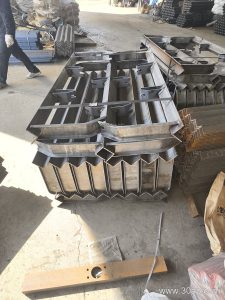
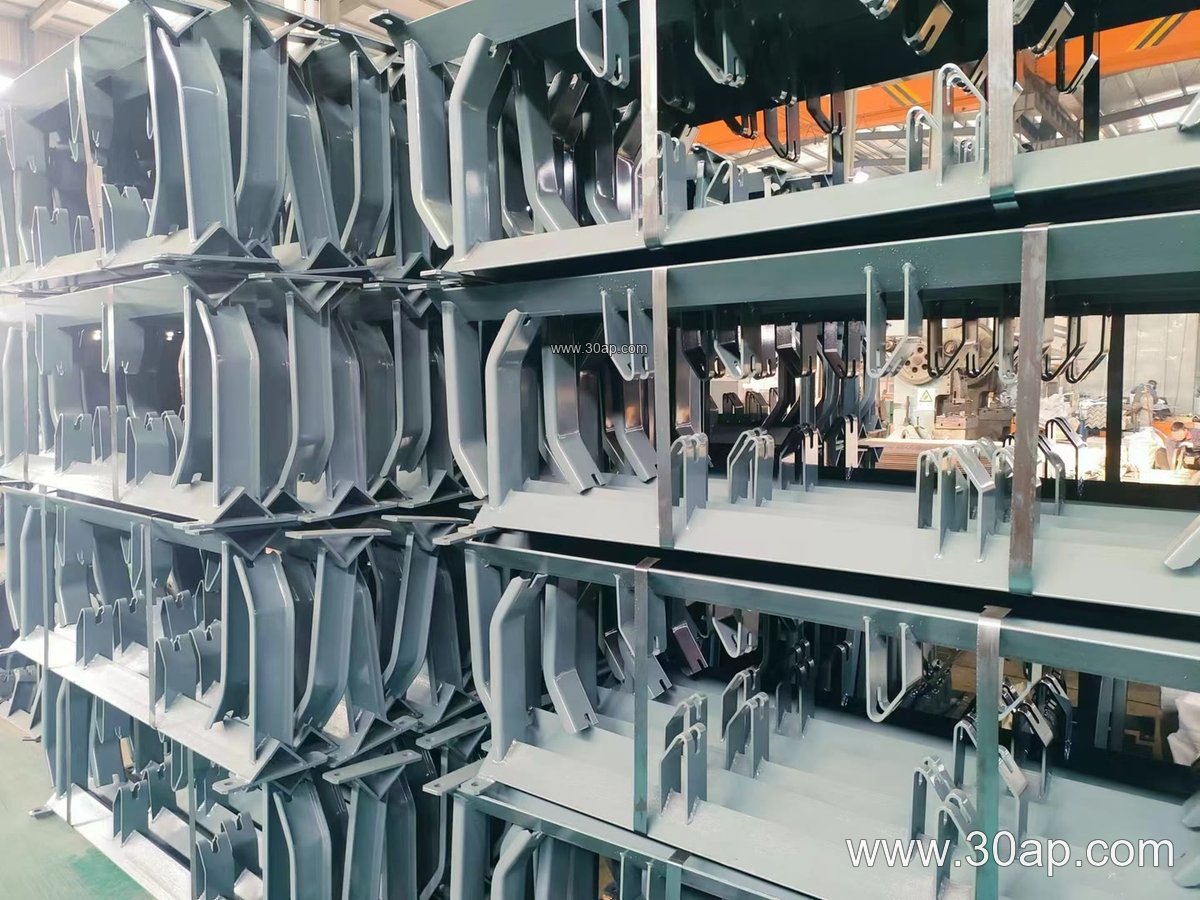
Most brackets are fabricated from angle steel, channel steel, or folded steel plate. The material thickness and welding quality matter more than a single dimension. A well-built bracket resists bending under the weight of a fully loaded belt and keeps the idlers square to the frame. Surface treatment, such as painting or galvanizing, helps in wet or dusty environments like wash plants and port terminals.
Installation hole spacing and crossbeam length vary with belt width and trough angle. Buyers should confirm these dimensions against the conveyor frame drawing rather than assuming a standard fit. The bracket must also match the shaft diameter of the idler roller it carries.
Where Brackets Are Used
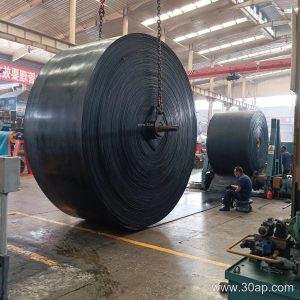
You will find belt conveyor brackets in almost any bulk handling operation. In a stone crushing plant, they support the conveyor belt that carries aggregate from the crusher to the screen. In a coal mining operation, flame retardant and anti-static belts run on brackets designed for dusty, potentially explosive atmospheres. Cement plants use them on clinker and raw meal lines, while power plants rely on them for coal feeding systems. The same bracket family also appears in fertilizer granulation lines and grain silos.
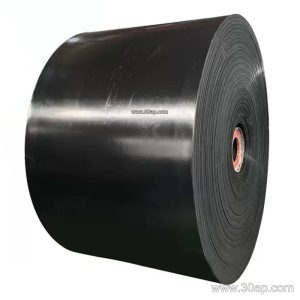
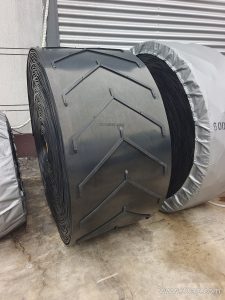
When specifying a bracket for a mining conveyor belt or a heavy-duty quarry conveyor belt, consider the load and the environment. A high abrasion resistant conveyor belt may be heavier and stiffer, which places different demands on the idler support than a thin EP conveyor belt. Similarly, a steel cord conveyor belt used on a long overland route needs brackets that hold alignment precisely to avoid edge damage.
Selection Tips for Buyers
Start with the belt width and the required trough angle. Common belt widths include B500, B650, B800, B1000, B1200, B1400, B1600, B1800, and B2000. Trough angles are usually 20°, 30°, 35°, or 45°, and adjustable brackets can cover a range of these. Match the bracket to the idler diameter: Ø89, Ø108, Ø133, Ø159, and Ø194 are typical. Do not assume that one belt width only fits one pulley diameter or one trough angle; design requirements vary.
Check the following before ordering:
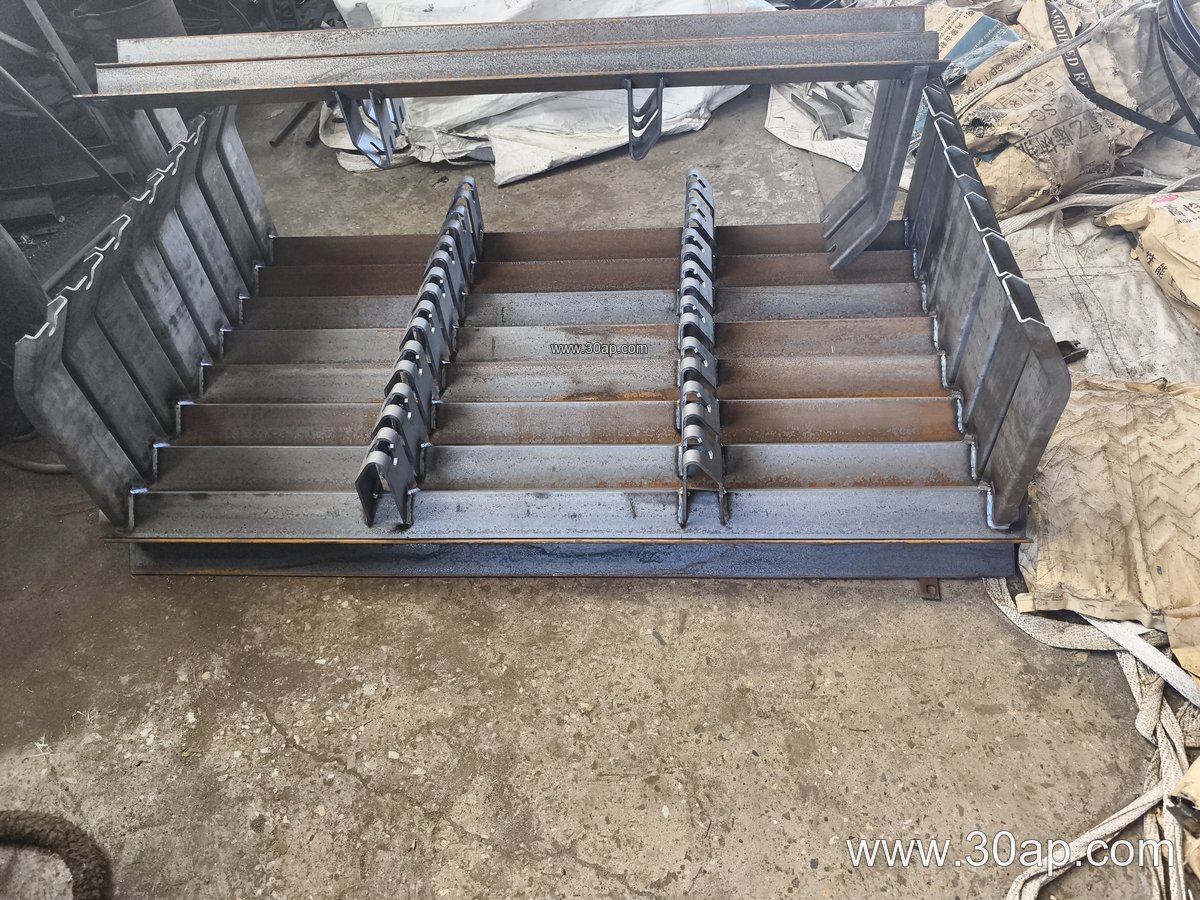
- Frame hole pattern and crossbeam length for your specific belt width and trough angle.
- Material and thickness suitable for the load and environment.
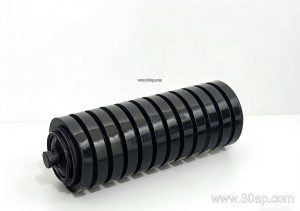
- Compatibility with your idler roller shaft and bearing housing.
- Whether fixed or adjustable trough angles are needed for operation.
- Access for maintenance and replacement of idlers.
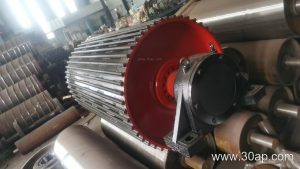
Also consider the conveyor pulley arrangement. Drive, tail, and bend pulleys are not interchangeable, and the bracket layout near each pulley must allow proper belt transition. A bracket that is too rigid or misaligned near a pulley can cause belt edge wear and tracking problems.
Maintenance and Longevity
Inspect brackets periodically for loose bolts, bent members, and corrosion. A bracket that has shifted can misalign the idler roller and lead to belt mistracking or premature wear. In dusty operations such as coal mining or aggregate handling, clean the bracket area to prevent material buildup that can push the belt off center. Replacing a worn bracket is usually straightforward, but always verify the replacement matches the original mounting dimensions and idler size.
For more information on compatible conveyor components, including conveyor bracket options and idler roller specifications, consult your supplier with the actual frame drawing and duty conditions.