What a Conveyor Bracket Is and Where It Fits
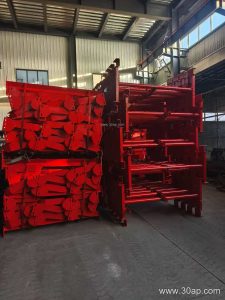
A conveyor bracket is the structural support that holds idler rollers in the correct position under the belt. In a quarry or a limestone mine, you will find these brackets bolted to the conveyor frame along the entire length of the line, carrying troughing idlers on the carrying side and return idlers underneath. The bracket itself does not move, but it decides how well everything above it performs. When buyers ask about conveyor bracket price, they are usually comparing a small welded or folded steel component that has an outsized effect on belt tracking, roller life and maintenance downtime.
Because the bracket is a fabricated part rather than a wear item like a rubber conveyor belt, its cost is driven by steel weight, forming method and the number of units required. A single bracket is inexpensive; a few hundred brackets for a long overland conveyor is a different conversation.
How the Bracket Is Built
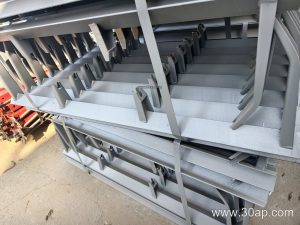
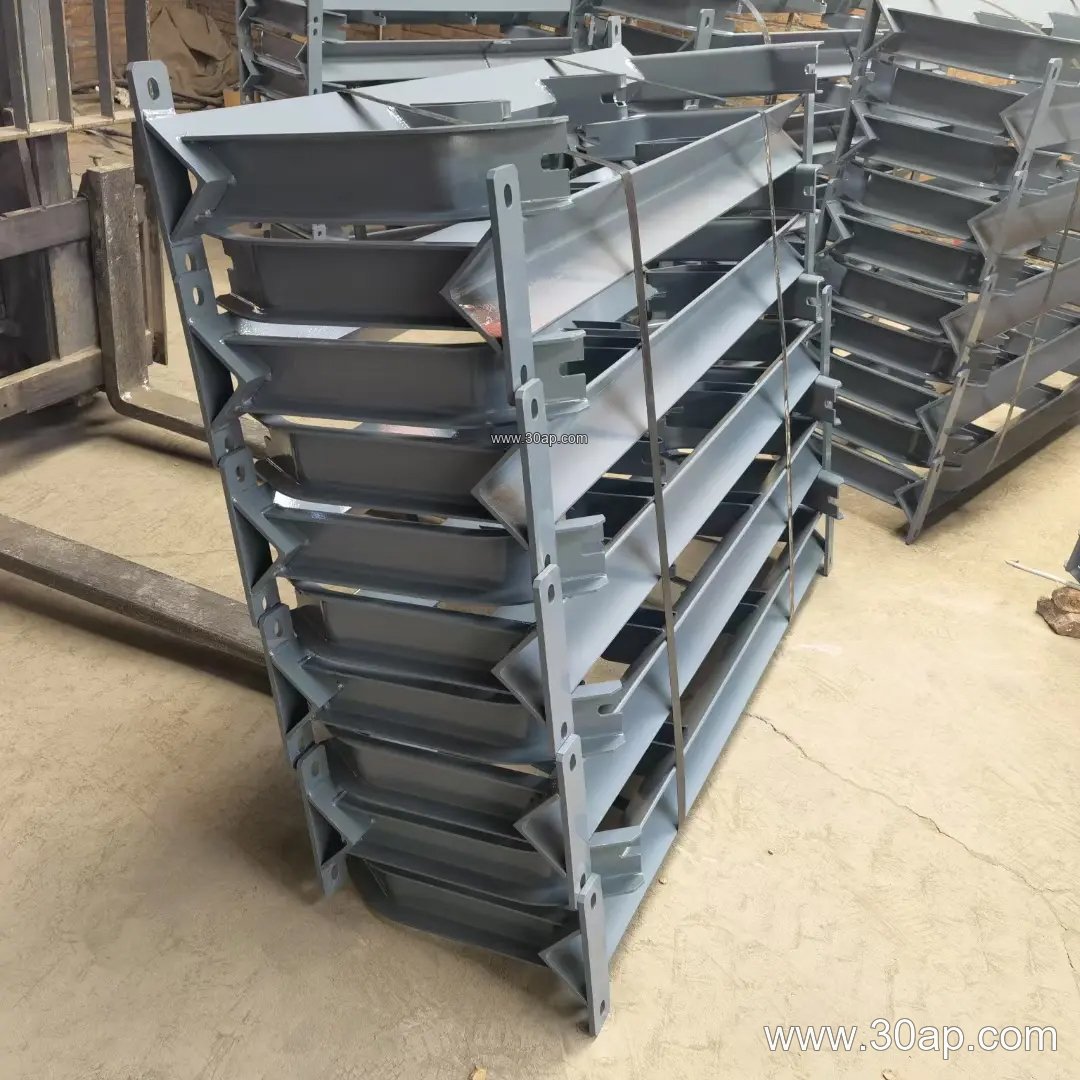
Most brackets are made from angle steel, channel steel or folded steel plate. The fabrication route matters for price. A simple folded plate bracket with punched holes is fast to produce and usually costs less than a welded assembly with machined mounting faces. Heavier channel sections add steel weight and cost, but they resist distortion better on wide conveyors or in high-impact loading zones.
Surface treatment also influences the final figure. Painted carbon steel is the common choice; hot-dip galvanized brackets cost more but suit wet or corrosive environments such as a port terminal or a wash plant. Buyers should confirm whether the quoted price includes fasteners, because mounting bolts and U-bolts are sometimes priced separately.
Types That Affect the Quotation
Bracket type changes the design, the steel content and therefore the price. The main families include:
- Troughing brackets for the carrying side, including standard, transition and impact versions
- Return brackets, flat or V-shaped, for supporting the belt on its way back
- Self-aligning and forward-tilted brackets for belt tracking control
- Adjustable brackets that allow the trough angle to be changed on site
- Suspended brackets for applications where frame space is limited
An adjustable bracket typically costs more than a fixed one because of the extra slots, pivots or bolted joints. A impact bracket with reinforced structure also carries a premium. For a crusher discharge point in a stone crushing line, that reinforcement is often worth the difference.
Common Reference Dimensions
The table below shows typical reference values used when specifying brackets. These are common ranges, not fixed rules, and actual mounting hole spacing and crossbeam length are determined by design.
| Parameter | Common Reference Values |
|---|---|
| Belt width | B500, B650, B800, B1000, B1200, B1400, B1600, B1800, B2000 |
| Trough angle | 20°, 30°, 35°, 45° |
| Idler diameter | Ø89, Ø108, Ø133, Ø159, Ø194 |
| Forward tilt | about 1.5° to 2° |
| Material | angle steel, channel steel, folded plate |
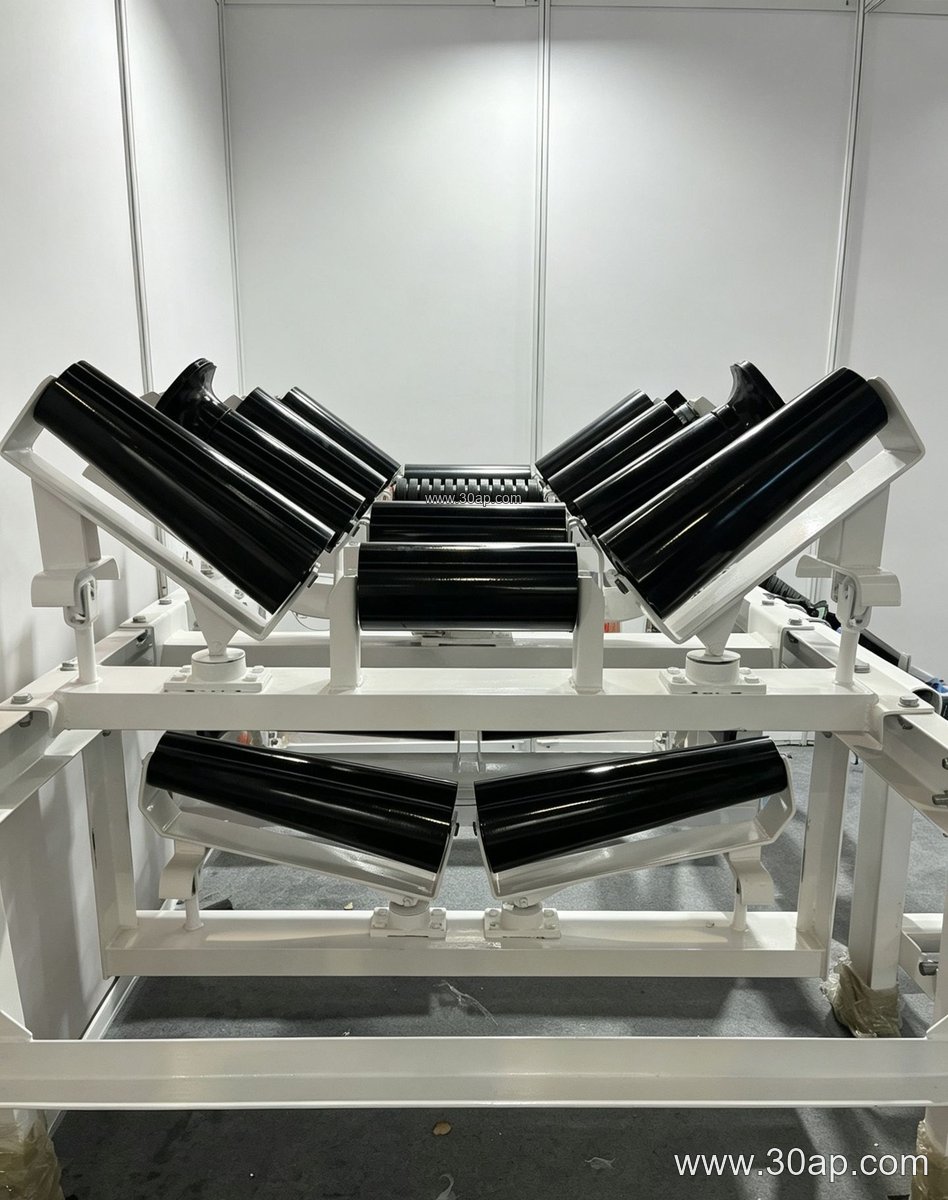
A bracket for B800 at 35° with Ø108 idlers is a common combination in aggregate plants, while a B1200 line at 45° with Ø133 idlers appears in heavier iron ore and copper ore duties. None of these pairings is mandatory. Belt width does not dictate a single trough angle or roller diameter, and shaft size must be confirmed from the idler specification, not assumed from belt width.
Applications Across Industries
In a coal mining operation, flame retardant conveyor belt runs on brackets that must hold alignment through long galleries. In a cement plant, heat resistant conveyor belt near the kiln area puts different demands on the frame, and brackets there are often checked for distortion. Power plant coal handling, sinter plants and fertilizer granulation lines all rely on the same basic component, though the steel grade and coating may differ.
Where a pipe conveyor belt or a corrugated sidewall conveyor belt is used, the bracket layout follows the panel or frame design rather than a standard trough. Buyers should always match the bracket drawing to the actual conveyor pulley and roller arrangement.
What Buyers Should Check Before Comparing Prices
Ask for the drawing, the steel section size, the hole pattern and the surface treatment. Confirm whether the price is per piece or per set, and whether idler rollers are included. For a quick budget view, the bracket cost per meter of conveyor is often more useful than the unit price, since bracket spacing varies with belt width and load. A bracket that is slightly more expensive but fits without modification usually costs less overall than a cheap part that needs rework on site.
Finally, keep spare brackets in the warehouse. Replacing a bent bracket promptly protects the conveyor belt and the idler roller, and it keeps the line running through the next maintenance window.