What a Nylon Idler Is
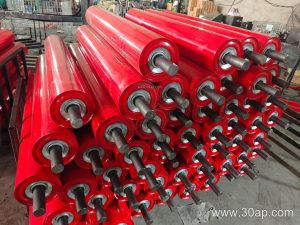
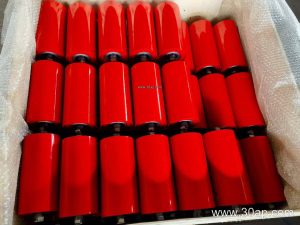
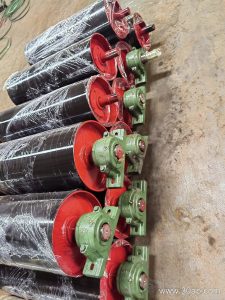
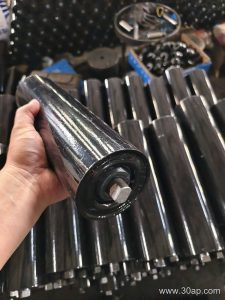
A nylon idler is a conveyor roller whose outer shell is made of nylon rather than steel or rubber. It sits under the belt and supports the moving load, reducing friction and keeping the belt tracking smoothly. In many plants, the nylon idler roller is chosen for its light weight, low noise, and resistance to wear in wet or slightly corrosive conditions. Unlike a drive pulley or tail pulley, which transmit power and change belt direction, the nylon idler is a free-rotating component that only carries the belt. It is not a bend pulley either; those have different duties and are not interchangeable with idlers.
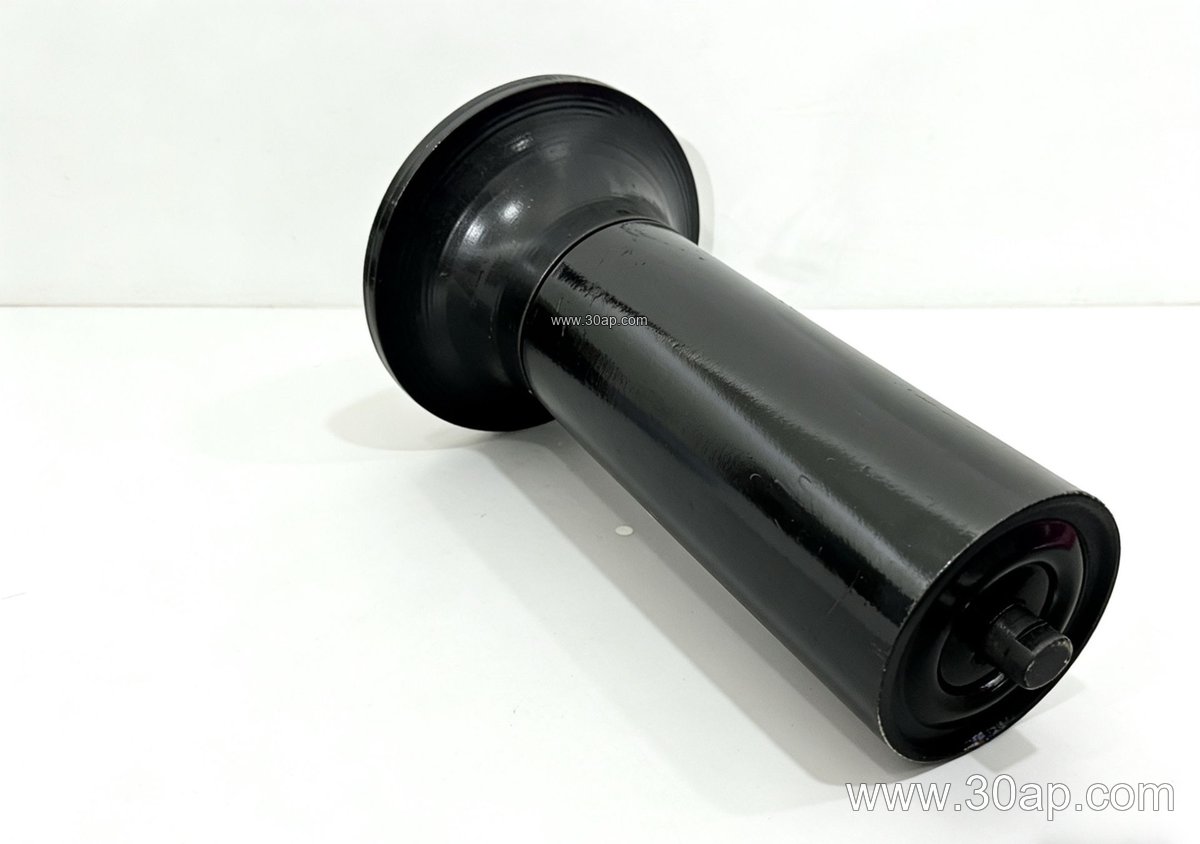
Construction and Key Parts
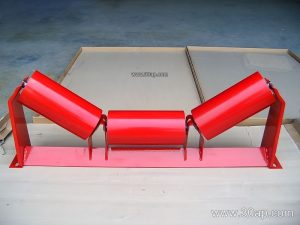
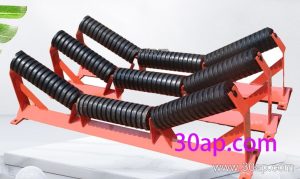
Most nylon idlers use a nylon outer tube fitted over a steel shaft, with sealed ball bearings at each end. Common bearing sizes include 6204, 6205, 6305, and 6306, though the bearing is selected by load and speed, not by belt width alone. The seal design matters in dusty or wet areas, such as a coal mining conveyor or a quarry conveyor belt line. The nylon surface can be smooth or lightly textured; it does not normally carry rubber rings, which are typical of impact idlers. A nylon idler can be supplied as a single roller for a flat return run or as part of a three-roll troughing set.
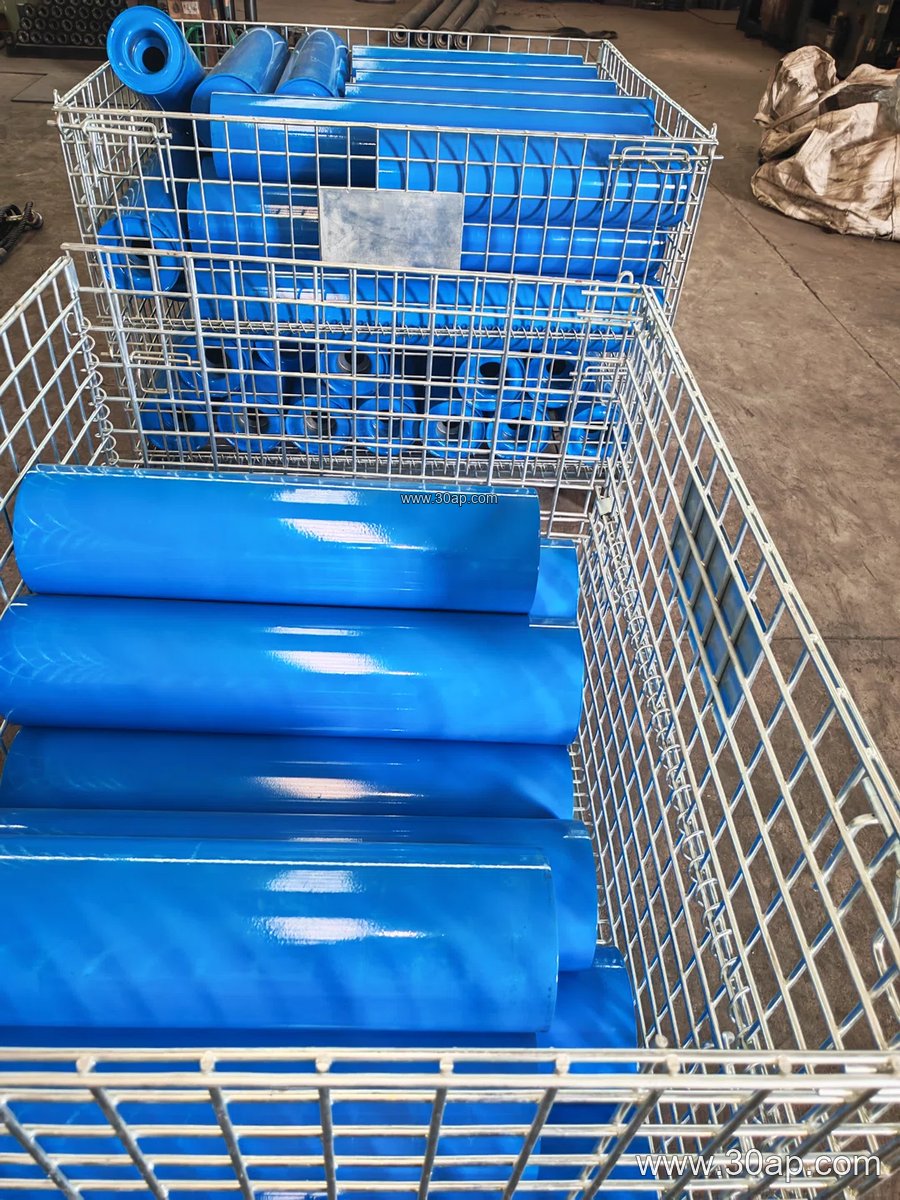
Where It Fits on the Conveyor
Nylon idlers appear on both the carrying side and the return side. On the carrying side, they are often arranged in a 20, 30, 35, or 45 degree trough. On the return side, a single nylon roller or a V-type set supports the empty belt. You might see them in a limestone mine feeding a crusher conveyor belt, in a cement plant raw material section, or in a power plant coal handling system. They are less common in extreme heat or heavy impact zones, where heat resistant conveyor belt or impact idler arrangements may be needed. For a fabric core conveyor belt or an EP conveyor belt, nylon idlers help maintain a steady belt path without adding much weight to the structure.
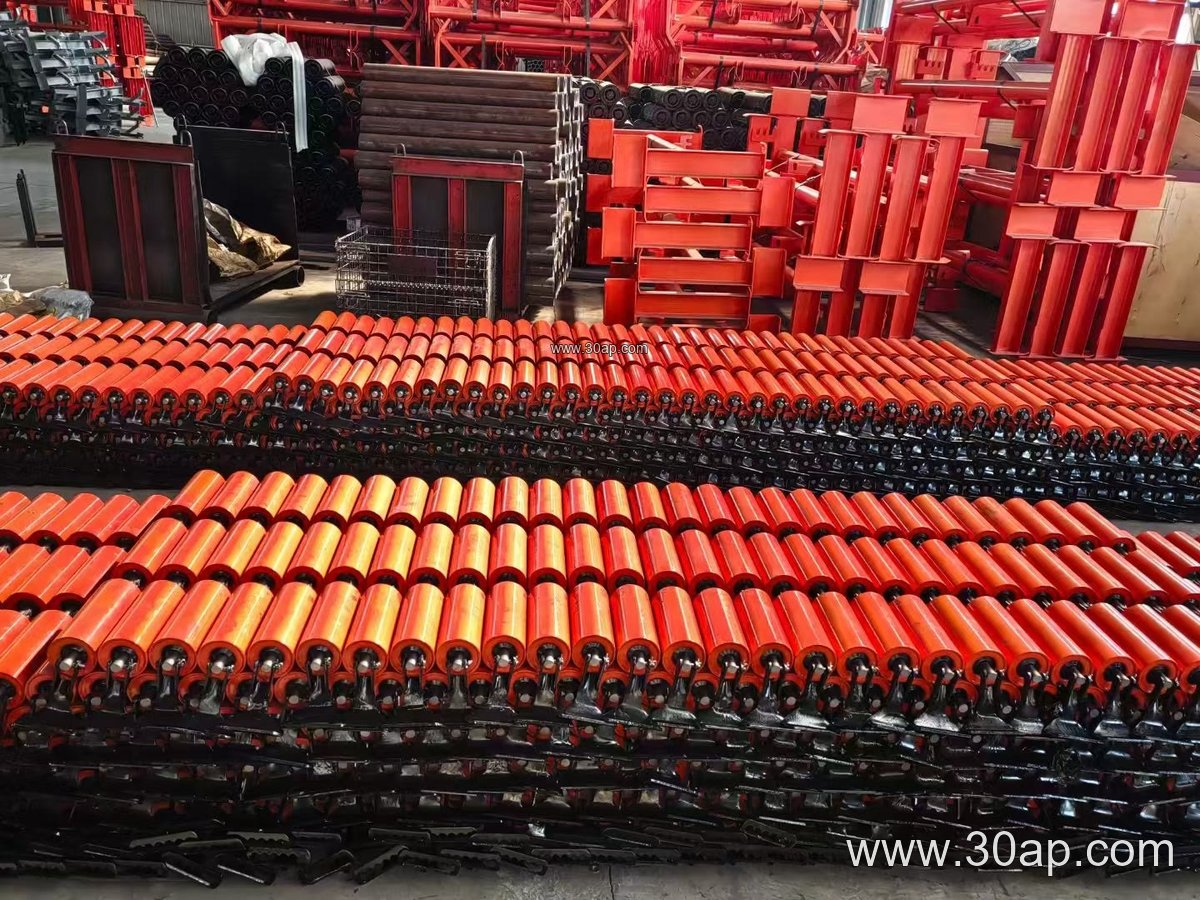
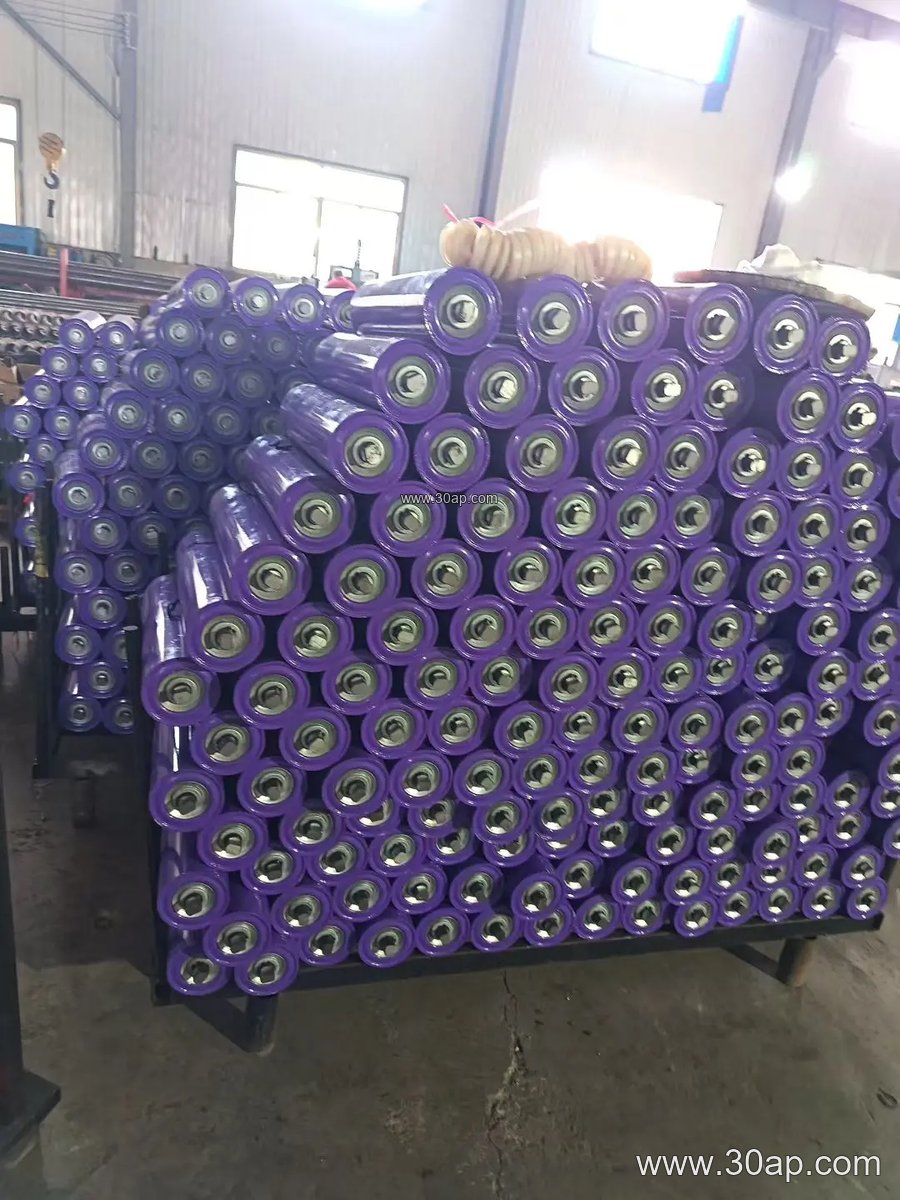
Common Sizes and Arrangements
Nylon idlers follow the usual roller diameter and belt width ranges. The table below gives examples, not fixed rules. Roll length changes with belt width, trough angle, and whether the idler is a center or side roller.
| Parameter | Common Examples |
|---|---|
| Roller diameter | Ø63, Ø76, Ø89, Ø102, Ø108, Ø127, Ø133, Ø159 mm |
| Belt width | B500, B650, B800, B1000, B1200, B1400, B1600 mm |
| Trough angle | 20°, 30°, 35°, 45° |
| Bearing | 6204, 6205, 6305, 6306, 6308 |
| Roll length (three-roll trough, example) | B500 about 200 mm; B650 about 250 mm; B800 about 315 mm; B1000 about 380 mm; B1200 about 465 mm; B1400 about 530 mm |
These values are reference data. A nylon idler for a 1200mm wide conveyor belt may use a different roll length than a 1200mm wide conveyor belt in another trough configuration. Shaft diameter is determined by load and bearing selection, not by belt width alone.
Buyer Checklist
- Confirm the belt width and trough angle before choosing roller length.
- Check the bearing size and seal type for dusty or wet service.
- Ask whether the nylon idler is for carrying or return duty; the two are not the same.
- Match the idler to the conveyor bracket and frame dimensions.
- Consider the belt type: an abrasion resistant conveyor belt may run well on nylon idlers, but a steel cord conveyor belt in a high-load zone may need a heavier roller.
Nylon idlers are not a substitute for a drive pulley, tail pulley, or bend pulley. They are a low-maintenance support component. In a sand and gravel plant or a fertilizer handling line, they can reduce noise and belt wear when selected for the actual load and environment.