What an Underground Coal Mining Conveyor Belt Does
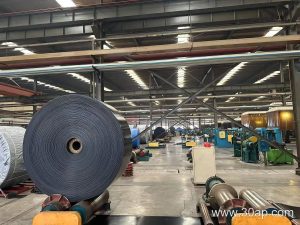
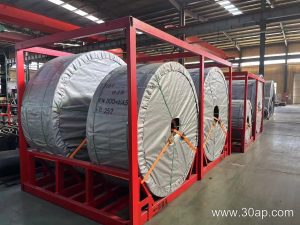
An underground coal mining conveyor belt is the load-carrying element of a continuous haulage system that moves coal from the working face through gate roads and main drifts to the surface or to a transfer point. Because the belt runs in a confined, ventilated roadway, it has to combine high tensile strength with flame resistance, anti-static behaviour, and good troughability. In practice, the belt is usually described by its carcass and cover compound: an EP Conveyor Belt or NN Conveyor Belt for moderate tension, a Steel Cord Conveyor Belt for long, high-capacity trunk lines, and PVC or PVG constructions where fire safety rules dominate. All of these fall under the wider family of Underground Mining Conveyor Belt products.
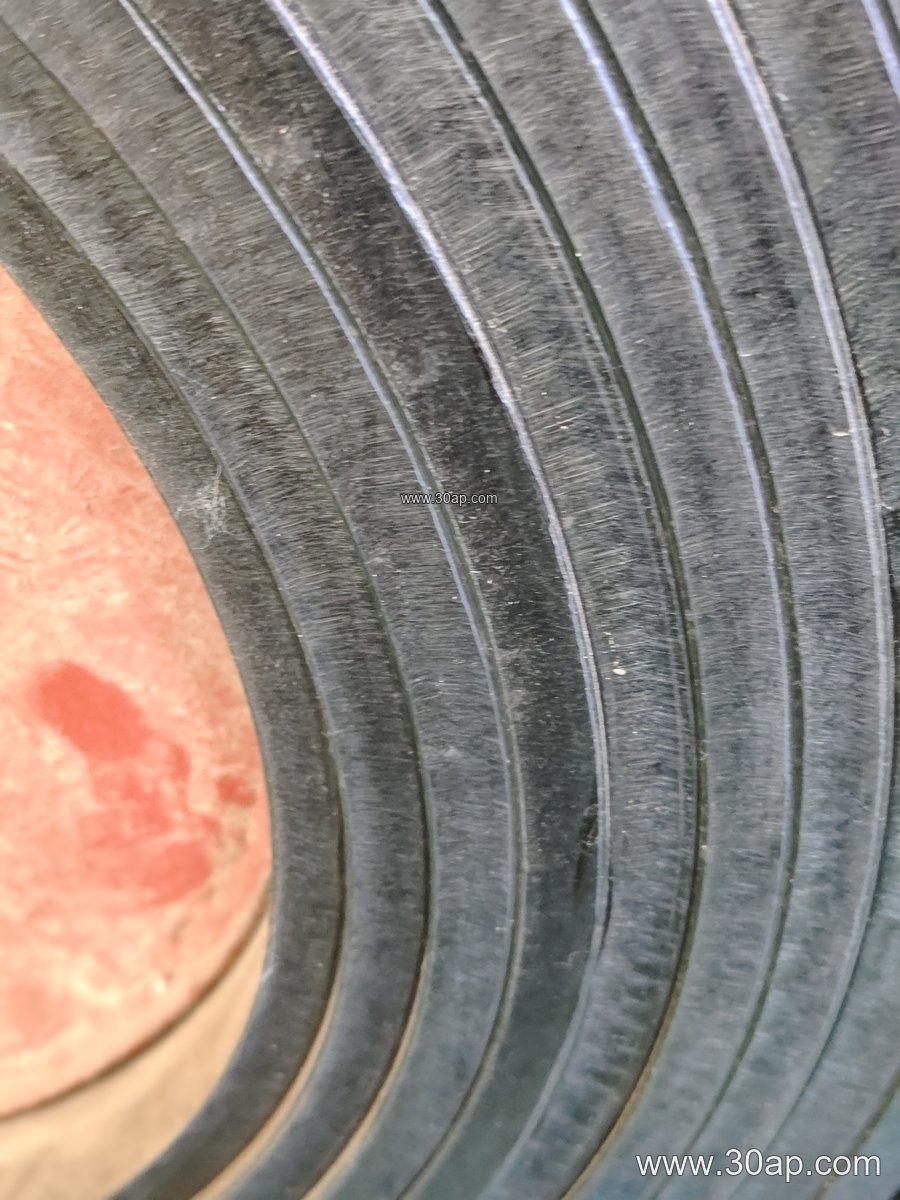
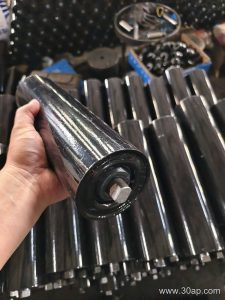
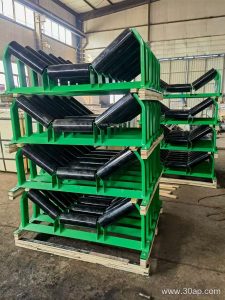
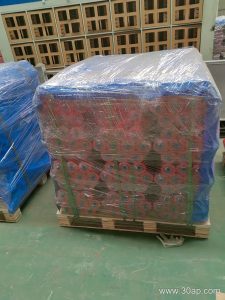
The belt is not a standalone item. It works with idler roller sets, conveyor pulleys, and conveyor bracket assemblies that set the trough angle and keep tracking stable. Drive, tail, and bend pulleys each perform a different duty and are never interchangeable; the belt must be specified with the whole station in mind.
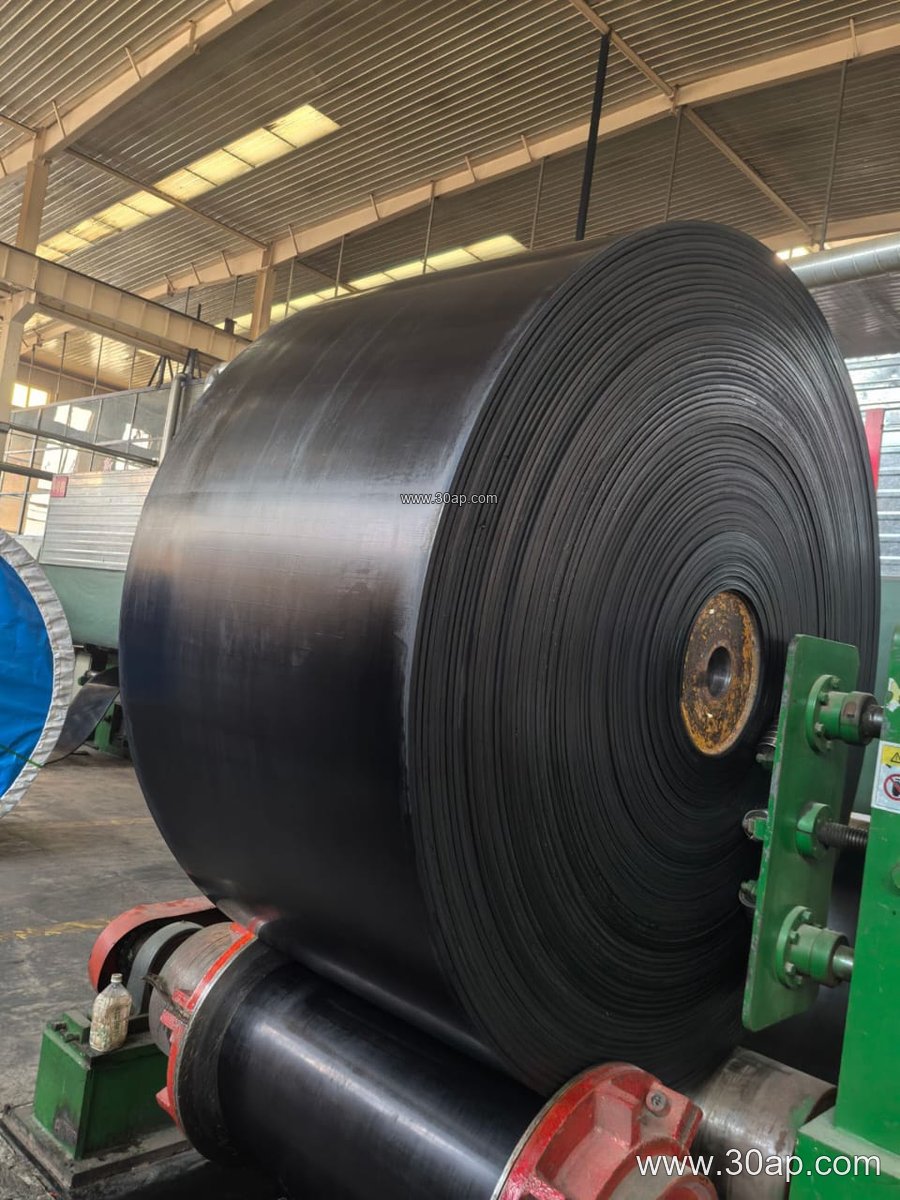
Construction and Common Specifications
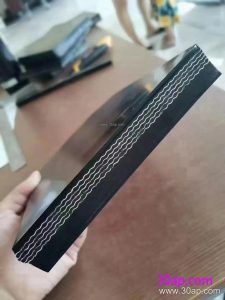
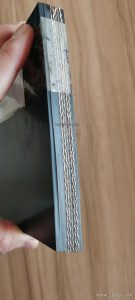
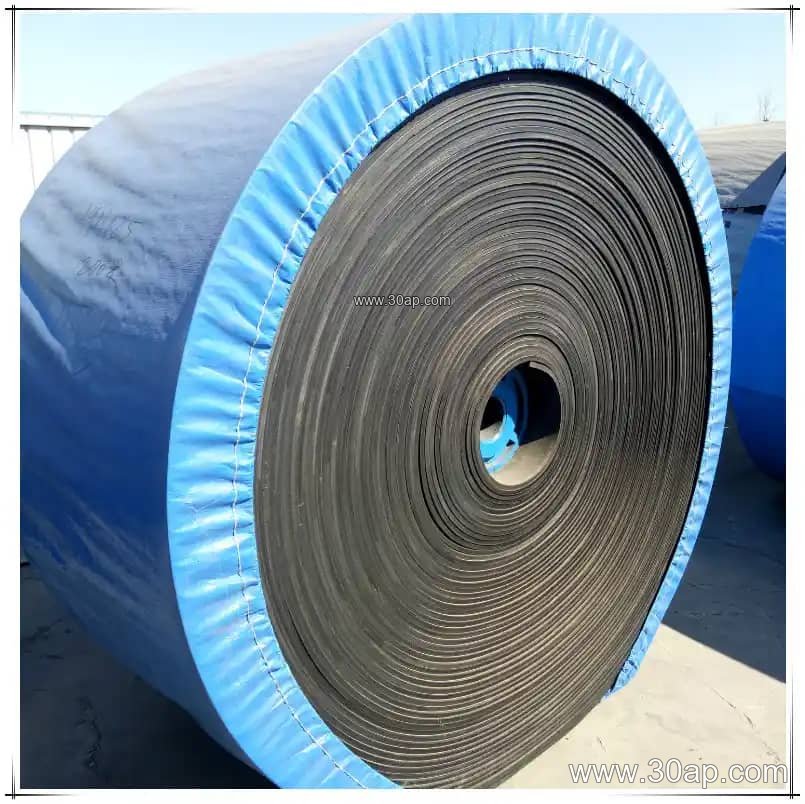
Most underground coal belts use a multi-ply fabric core or a steel cord core. Fabric carcasses are built from EP or nylon plies, while steel cord belts use brass-plated strands for very high breaking strength. Covers are usually a rubber compound, with grades selected for abrasion, heat, oil, or fire resistance. Typical reference data are shown below; treat them as design guidance, not fixed supply promises.
Reference data for belt selection
| Item | Common reference values |
|---|---|
| Carcass type | EP, NN, steel cord, PVC, PVG |
| Strength grades | EP200, EP315, EP400, EP500, EP630, EP800, EP1000, EP1250, EP1600, EP2000; ST1000 to ST3150 |
| Belt width | B500, B650, B800, B1000, B1200, B1400, B1600, B1800, B2000 |
| Cover thickness | 3+1.5, 4+2, 5+2, 6+2, 8+3 mm |
| Fabric plies | 2 to 6 layers, depending on tension |
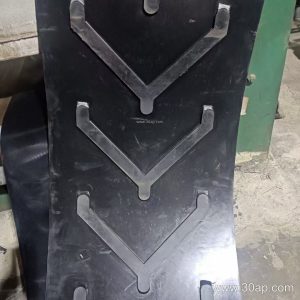
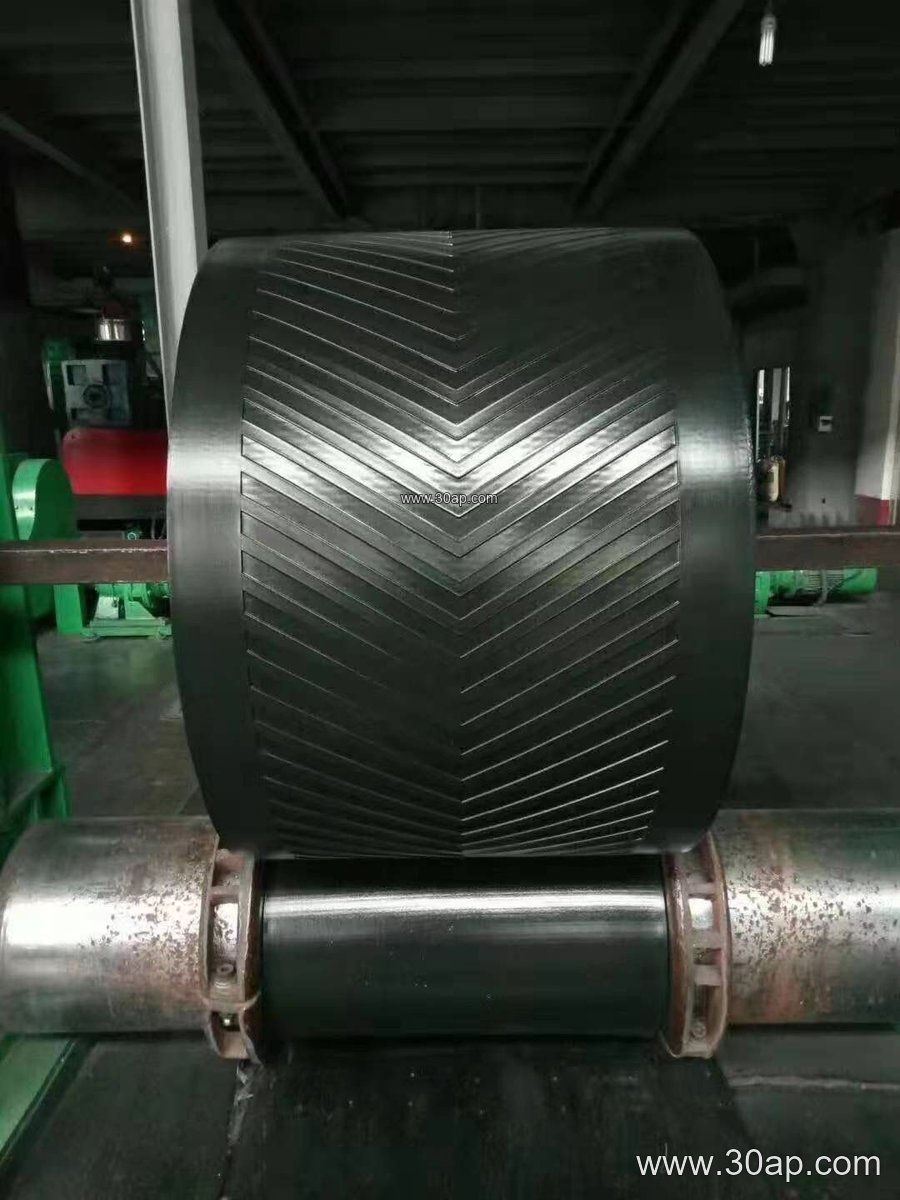
Special constructions include Chevron Conveyor Belt profiles for inclined roadways, Corrugated Sidewall Conveyor Belt for steep lifts, and Pipe Conveyor Belt for dust-tight routing. These are alternatives for particular layouts, not replacements for a standard troughed belt.
Where It Is Used
Coal is the primary cargo, but the same belt concept appears in related bulk handling. A Coal Mining Conveyor Belt may feed a crusher, a bunker, or a transfer tower. In the wider industry, Abrasion Resistant Conveyor Belt grades serve quarry and aggregate lines, while Heat Resistant Conveyor Belt and Oil Resistant Conveyor Belt grades appear in cement plants, power plants, and steel plants. A Flame Retardant Conveyor Belt is standard for underground service, and an Anti-Static Conveyor Belt helps control static charge in dusty roadways. For long overland or shaft sections, a High Strength Conveyor Belt with a steel cord carcass is often the practical choice.
Buyer Checklist
- Confirm the required strength grade and safety grade before comparing prices; EP1000 and ST1600 are different products.
- Match belt width to the troughing idlers and pulley face width, not the other way around.
- Check cover thickness against lump size and drop height; impact zones may need a thicker top cover.
- Ask for the splice method and whether an Endless Conveyor Belt is required for the installation.
- Review the pulley and idler roller layout, including conveyor bracket spacing, to avoid edge damage and mistracking.
- For inclined sections, evaluate whether a chevron or sidewall profile is needed rather than a plain belt.
Finally, keep spare belt, splicing material, and idler roller stock consistent with the original specification. A belt that is correct for one roadway may be unsuitable for another if the gradient, lump size, or fire rules differ. Buyers can review conveyor belt, idler roller, and conveyor pulley options together at www.mountconveyor.com to keep the whole haulage chain aligned.