What a 2000mm Conveyor Belt Is
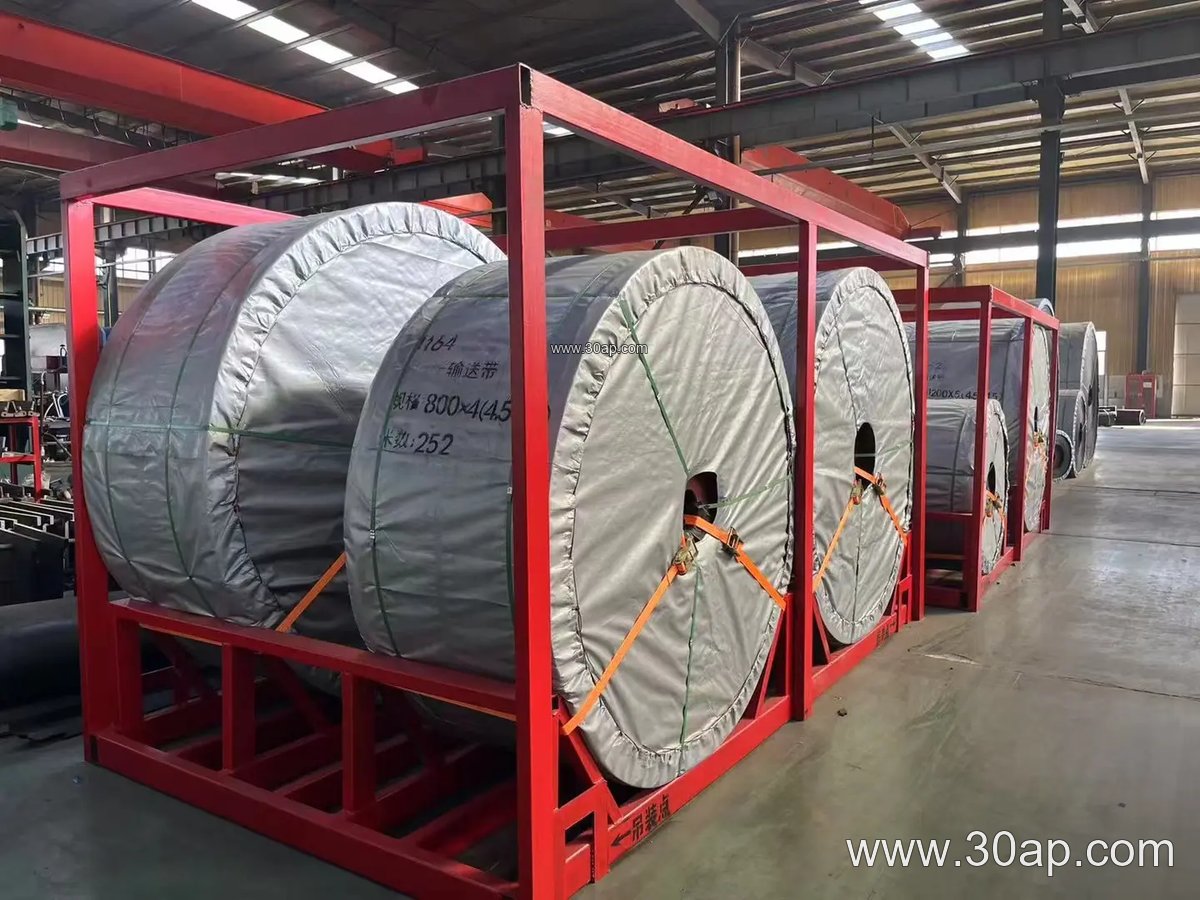
A 2000mm conveyor belt is a wide belting product with a nominal width of 2000 millimeters, often referred to as a 2-meter-wide conveyor belt. This extra-wide format is chosen when a single conveyor line must carry large volumes of bulk material, reduce the number of parallel belts, or handle lump sizes that would be unstable on narrower belting. The belt itself is the load-carrying surface of a belt conveyor system, running over idler rollers and driven by a conveyor pulley at the head end.
In heavy industries such as mining, coal preparation, cement plants, power stations, and large aggregate quarries, a 2000mm conveyor belt can be part of a high-capacity trunk conveyor. The width alone does not define the belt’s strength; the construction, carcass type, and cover grade must be matched to the duty.
Construction and Common Configurations
The 2000mm size is a width, not a belt type. Buyers can specify different carcass constructions in this width, and the choice affects tension rating, troughability, and impact resistance. Common constructions include:
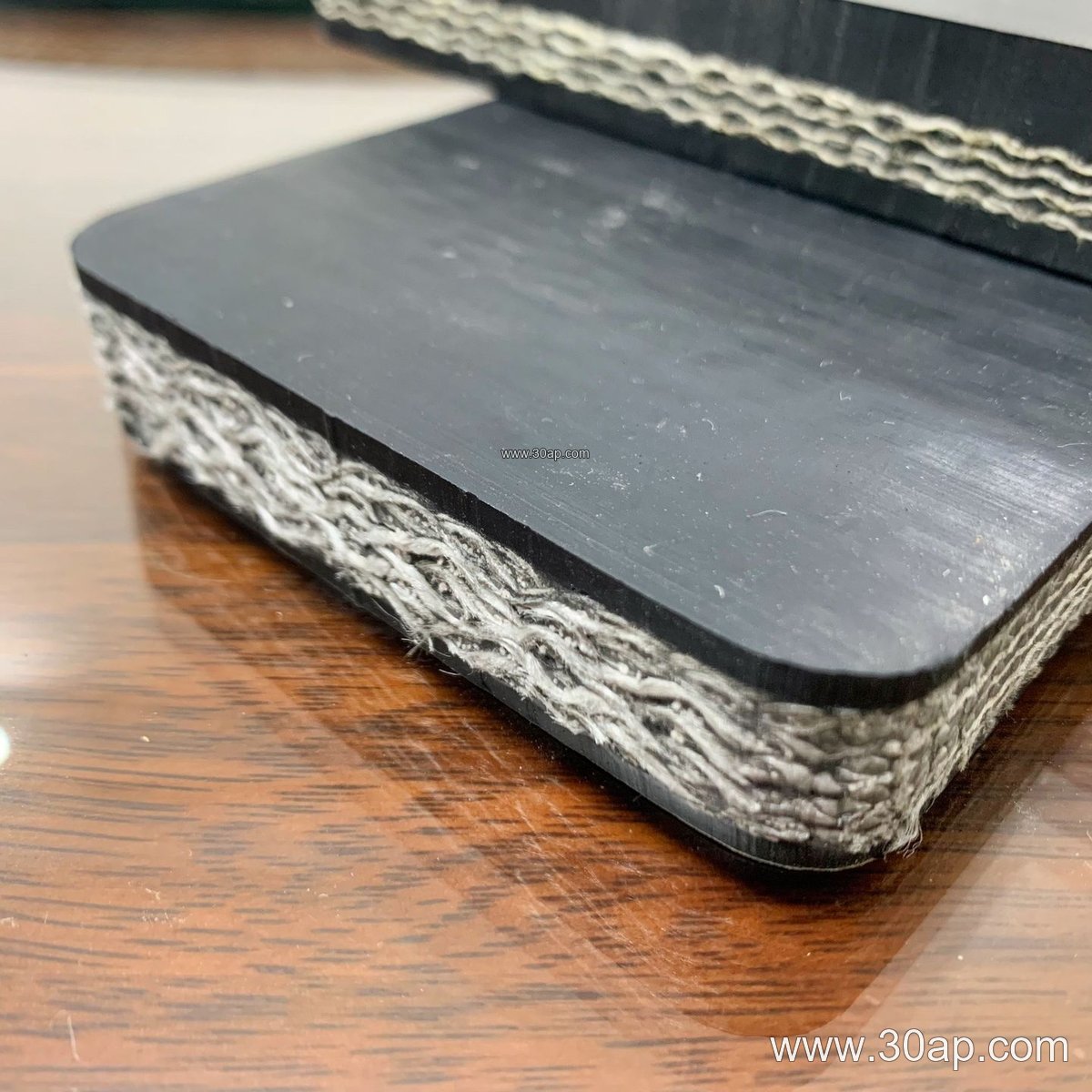
- Fabric core belts such as EP conveyor belt (polyester-cotton) and NN conveyor belt (nylon-nylon), often built as multi-ply fabric core conveyor belt with 2 to 6 plies.
- Steel cord conveyor belt for very high tension and long center distances, commonly designated by ST ratings.
- Specialty belts including heat resistant conveyor belt, oil resistant conveyor belt, flame retardant conveyor belt, abrasion resistant conveyor belt, and cold resistant conveyor belt.
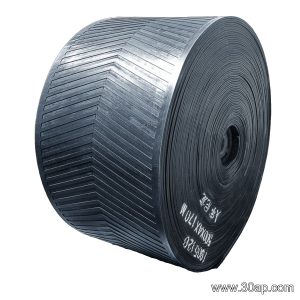
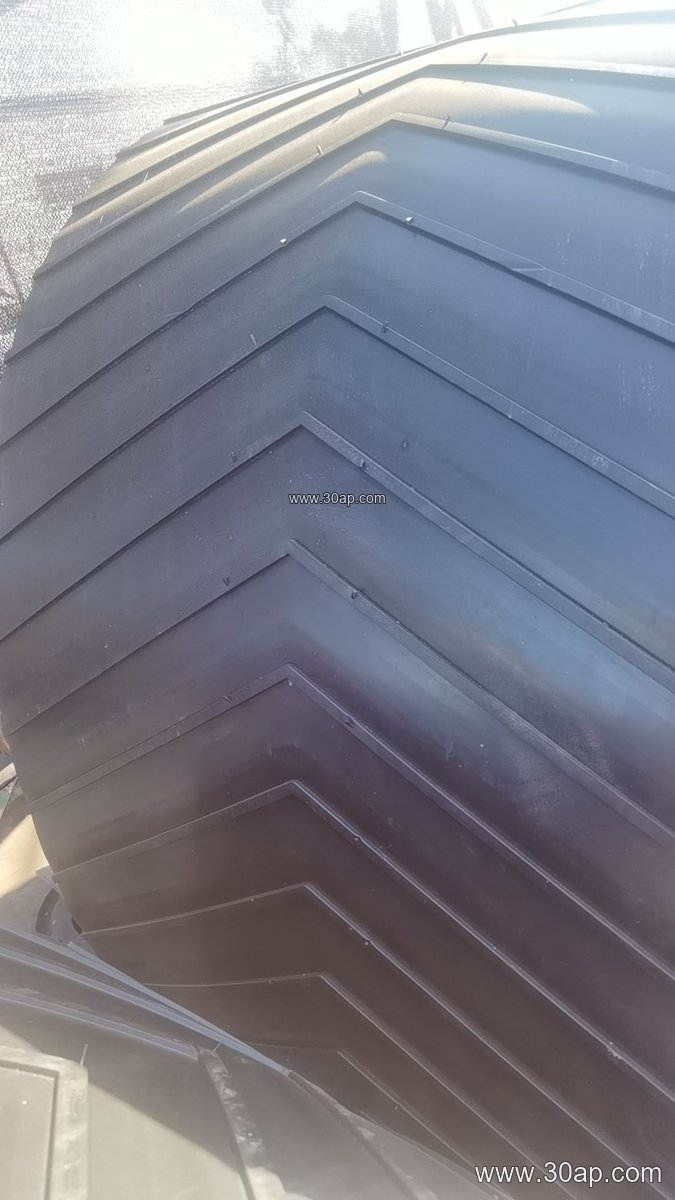
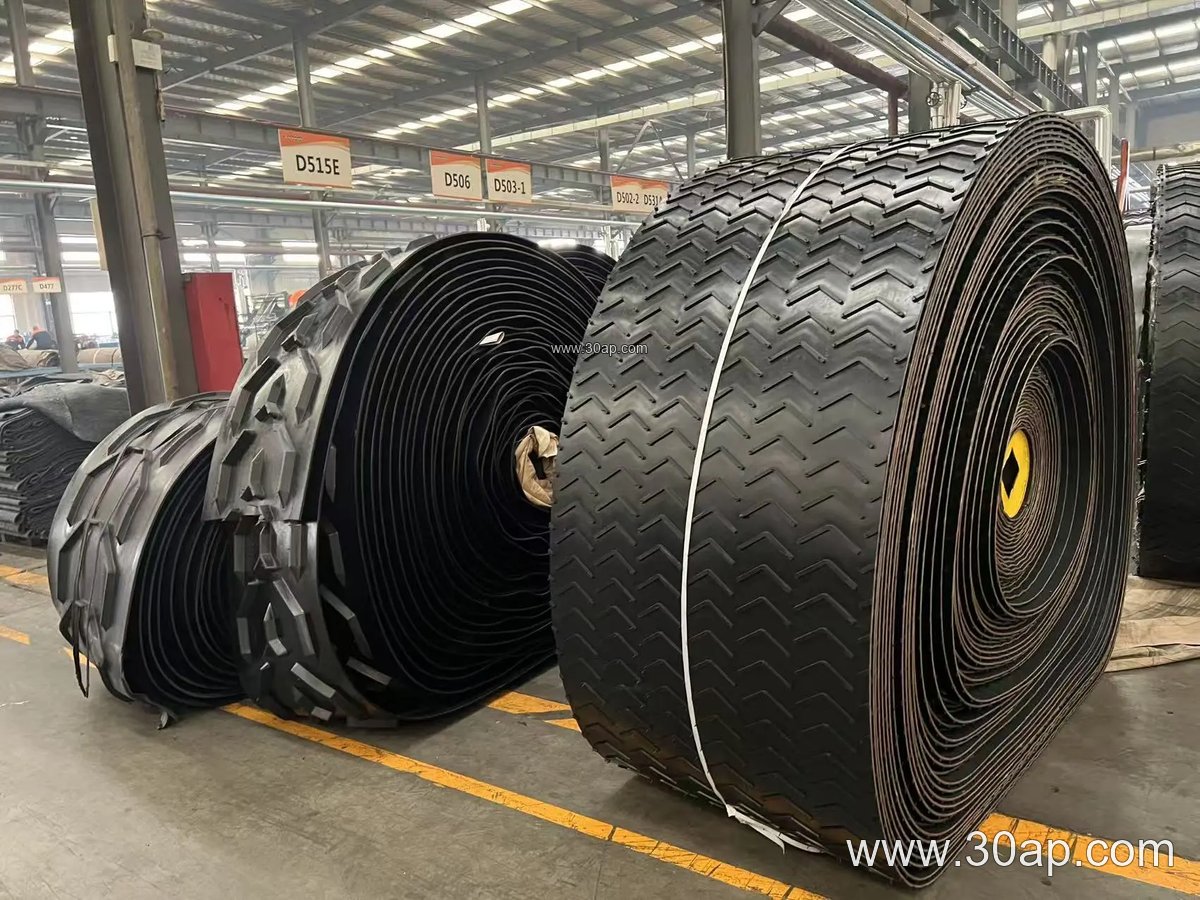
Cover rubber thickness is usually stated as top + bottom, for example 6+2 mm or 8+3 mm for heavy-duty mining conveyor belt service. A 2000mm conveyor belt may also be supplied with chevron conveyor belt profiles, corrugated sidewall conveyor belt edges, or as a skirted conveyor belt for steep inclines. These are design options, not default features.
Typical Applications
Because of its width, this belt size appears in high-tonnage flows rather than small transfer points. Typical industries include:
- Mining and ore handling, where a heavy-duty mining conveyor belt carries rock, iron ore, or copper ore.
- Coal mining and coal-fired power plants, where flame retardant and anti-static properties may be required.
- Cement plants and quarries, moving limestone, clinker, and aggregate.
- Ports and ship loading facilities, where bulk material conveyor belt systems handle large batches.
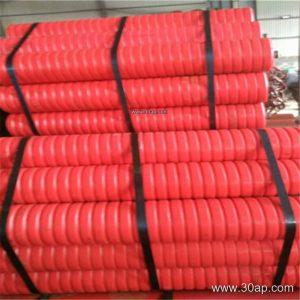
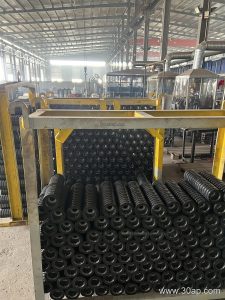
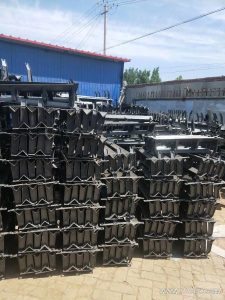
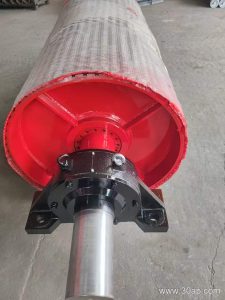
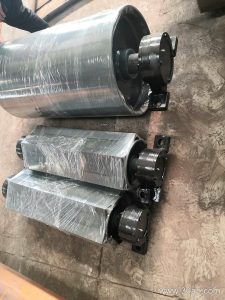
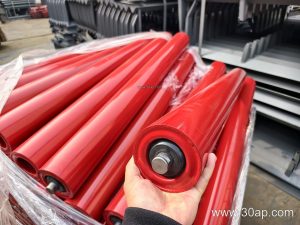
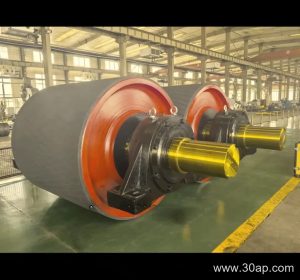
In these settings, the belt works with conveyor idler rollers, conveyor pulleys, and conveyor brackets that must be sized for the belt width and load. A 2000mm belt should not be treated as interchangeable with a 1200mm or 1800mm wide conveyor belt when replacing components; the frame, pulley face width, and idler spacing all need to match the actual belt.
Specifications and Selection Notes
When specifying a 2000mm conveyor belt, the width is only the starting point. The table below shows common reference values; actual supply should be confirmed with the manufacturer.
| Parameter | Common Reference Range |
|---|---|
| Belt width | 2000 mm (B2000) |
| Carcass type | EP, NN, steel cord |
| Fabric strength grades | EP200 to EP2000, NN100 to NN400 |
| Steel cord grades | ST1000 to ST3150 |
| Number of fabric plies | 2 to 6 |
| Cover thickness (top + bottom) | 3+1.5, 4+2, 5+2, 6+2, 8+3 mm |
Selection should consider the material lump size, bulk density, trough angle, and the tension load on the belt. A 2000mm conveyor belt running on a long overland conveyor may need a steel cord carcass, while a shorter transfer belt in a sand making plant might use an EP conveyor belt with fewer plies. The drive pulley, tail pulley, and bend pulley are separate components and must not be confused with each other when ordering spares.
Buyer Checklist
Before ordering a 2000mm conveyor belt, confirm the following with the supplier:
- Required belt type and carcass, such as EP1000 or ST1600, and whether flame retardant or anti-static properties are needed.
- Cover grade and thickness for abrasion, heat, oil, or cold resistance.
- Whether the belt will be spliced on site or supplied as an endless conveyor belt.
- Pulley face width, idler roller type, and conveyor bracket dimensions on the existing conveyor.
- Storage and handling plan, because a 2000mm belt is heavy and requires suitable lifting equipment.
For more information on wide belting and related components, visit our site pages on conveyor belt, idler roller, and conveyor pulley. A correctly specified 2000mm conveyor belt helps maintain throughput and reduces unplanned downtime in demanding bulk material operations.