What an Oil Resistant Conveyor Belt Is
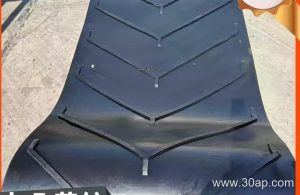
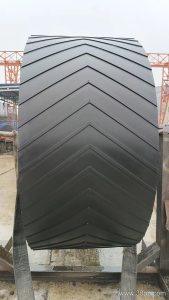
An oil resistant conveyor belt is a rubber conveyor belt built to carry materials that contain mineral oil, vegetable oil, grease, or oily residue without the cover compound swelling, softening, or cracking too quickly. In plants handling oily scrap, asphalt additives, oily sand, metal parts with cutting fluid, or food materials with edible oils, a standard rubber belt can absorb oil and lose cover strength. An oil resistant conveyor belt uses a cover compound formulated to limit that absorption and retain its mechanical properties over a longer service period.
The product is still a conveyor belt first. It must match the tension, load, and pulley layout of the conveyor as a whole. Buyers should treat oil resistance as one requirement among several, alongside abrasion, heat, and flame performance.
Construction and Cover Compound
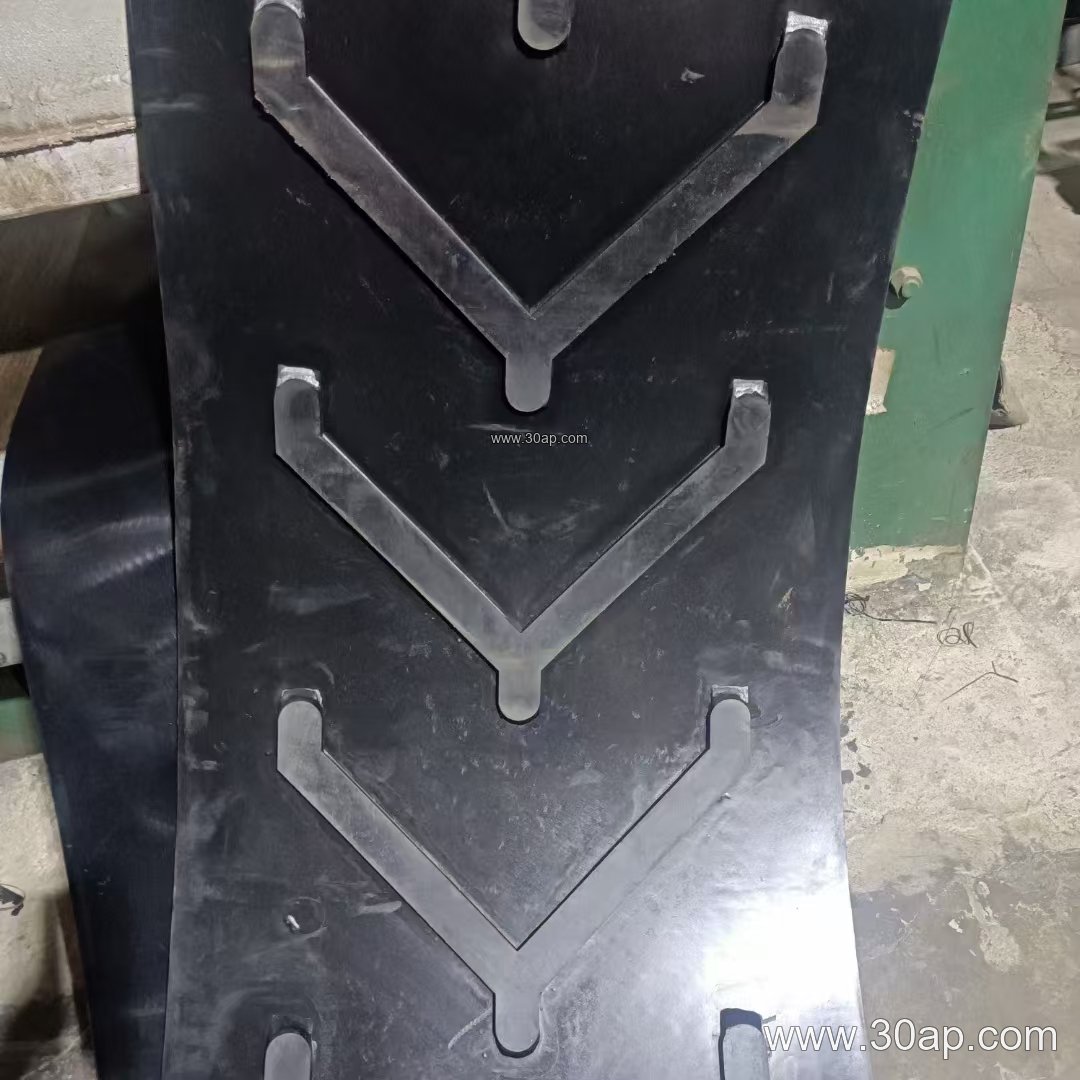
Most oil resistant belts use a fabric core, typically EP (polyester-cotton) or NN (nylon-nylon) carcass, with a protective rubber cover on both sides. The carcass carries tension, while the cover carries the oil and wear load. Skim rubber between plies helps prevent oil from migrating into the fabric core, where it could reduce ply adhesion.
Common cover grades are described by tensile strength and oil resistance class. Cover thickness is often quoted as top plus bottom, for example 4+2 mm or 6+2 mm. Fabric core belts usually have 2 to 6 plies depending on the required belt strength. Steel cord constructions are used when very high tension and long center distances are involved, but the oil resistance then depends mainly on the cover and the adhesion system.
| Parameter | Common Reference | Note |
|---|---|---|
| Strength series (EP) | EP200, EP315, EP400, EP500, EP630, EP800, EP1000, EP1250 | Selected by calculated belt tension |
| Belt width | B500, B650, B800, B1000, B1200, B1400, B1600 | Determined by lump size and capacity |
| Cover thickness | 3+1.5, 4+2, 5+2, 6+2, 8+3 mm | Heavier covers suit harsher oil and wear |
| Ply count | 2 to 6 plies | Per belt design |
These figures are reference ranges. Actual construction is confirmed by the belt manufacturer against the conveyor design.
Where It Fits in the Plant
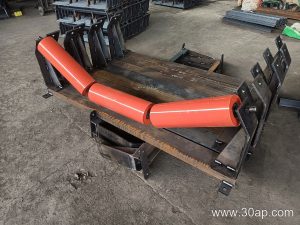
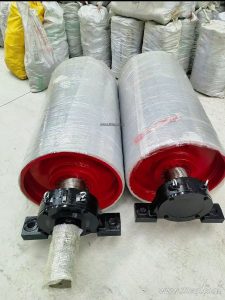
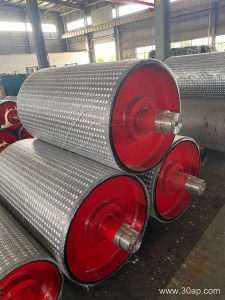
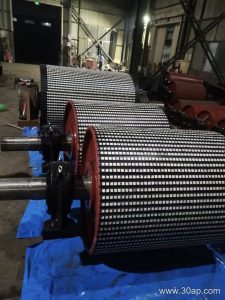
An oil resistant conveyor belt appears in scrap handling, machining and stamping lines, waste-to-energy plants, and some food processing lines. In mining and quarry operations it is used less often than an abrasion resistant conveyor belt, but it can be specified where oil-bearing rock or equipment leakage is expected. Cement plants and power plants may use it on oil-contaminated coal or ash streams. In all these cases the belt runs over conveyor pulleys, idler rollers, and conveyor brackets that must be aligned and maintained correctly, because oil on the running surface can also reduce friction at the drive pulley.
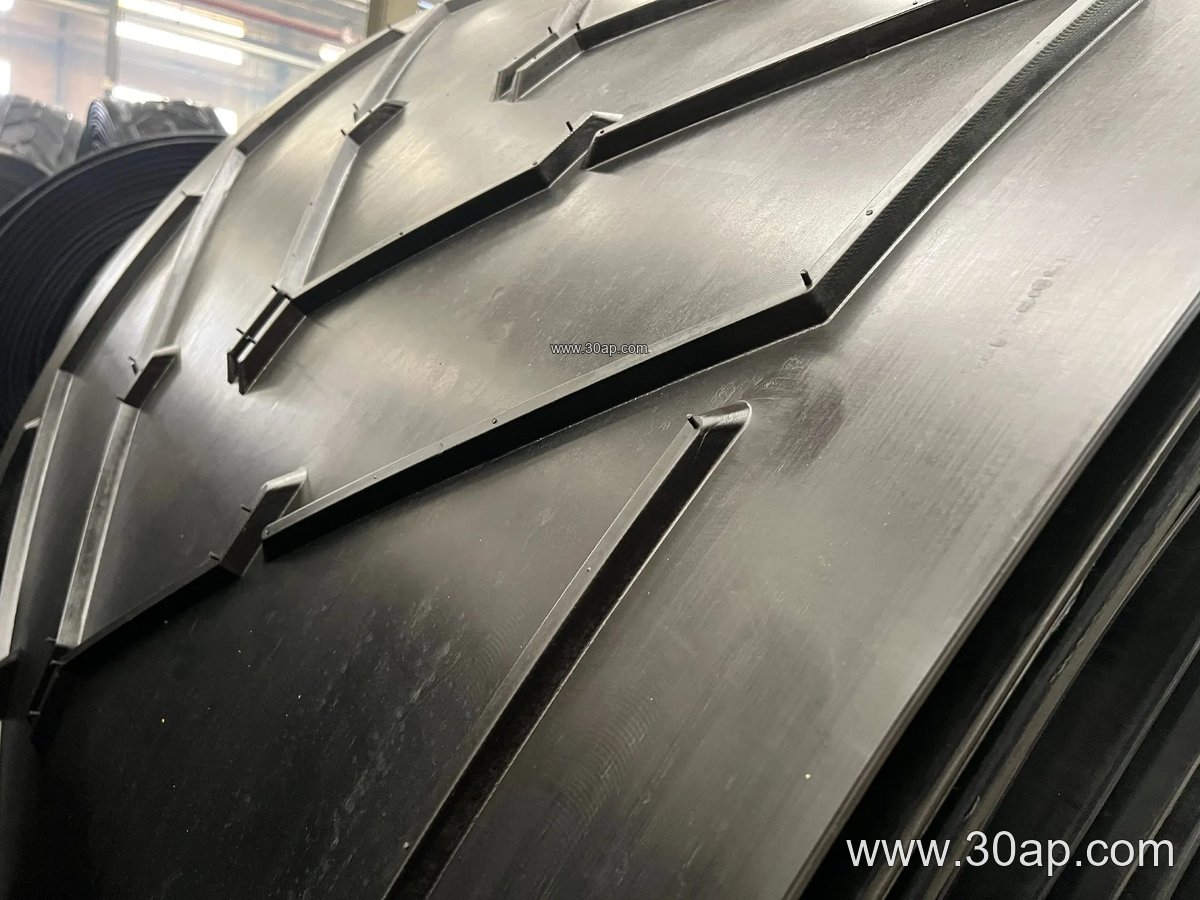
For comparison only, a heat resistant conveyor belt addresses high-temperature material, and a flame retardant conveyor belt addresses fire risk underground. Where oil and flame risk occur together, a combined grade may be needed; the buyer should confirm the exact compound with the supplier rather than assume one property covers the other.
Selection Points for Buyers
- Identify the oil type and contact time. Mineral oil, fuel oil, and vegetable oil act differently on rubber.
- Confirm the required tension and select an EP or NN carcass strength that suits the conveyor profile.
- Check whether oil resistance must be combined with abrasion resistance, flame retardancy, or anti-static properties.
- Review belt width against lump size and chute geometry, not against a single pulley diameter.
- Ask for cover hardness, tensile strength, and oil resistance test data rather than relying on a general label.
Installation and Maintenance Notes
Oil resistance does not remove the need for good belt hygiene. Clean spilled oil from the return side and from idler rollers, because pooled oil accelerates cover swelling and can cause tracking problems. Keep the drive pulley and tail pulley free of grease buildup; a slipping drive increases belt stress. Check the conveyor brackets and frame for looseness that causes edge damage. When splicing, use a splice material compatible with the oil resistant cover, otherwise the joint can fail before the belt body does.
Track cover wear at the loading point. If the cover has thinned, oil can reach the carcass more easily. Replace or repair before ply separation starts. For long conveyors, an endless conveyor belt splice made at installation can reduce joint fatigue, provided the splice system matches the belt construction.
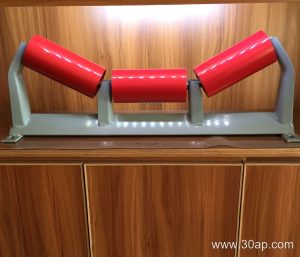
For related equipment such as idler rollers, conveyor pulleys, and conveyor brackets, keep dimensions and alignment within the conveyor design. A well-matched oil resistant conveyor belt still depends on the whole conveyor line working as one system.