What a 1800mm Wide Conveyor Belt Is
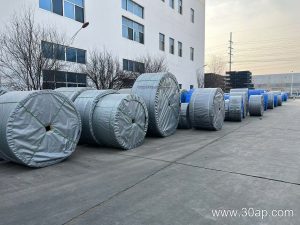
A 1800mm Wide Conveyor Belt is a heavy-duty bulk material conveyor belt with a nominal belt width of 1800 millimeters. It sits near the top of the standard width range, above common 1200mm and 1400mm belts, and is chosen when a single conveyor must move a high tonnage of material without excessive belt speed. In mining, coal preparation, cement plants, power stations, ports and large sand and gravel yards, this extra-wide belt is often the backbone of the main haulage line.
Because of the wider cross-section, the belt carries more material per meter of travel. That reduces the number of transfer points and can simplify the conveyor layout. The trade-off is that the belt, pulleys, idler rollers and support frame must all be engineered for the larger loads.
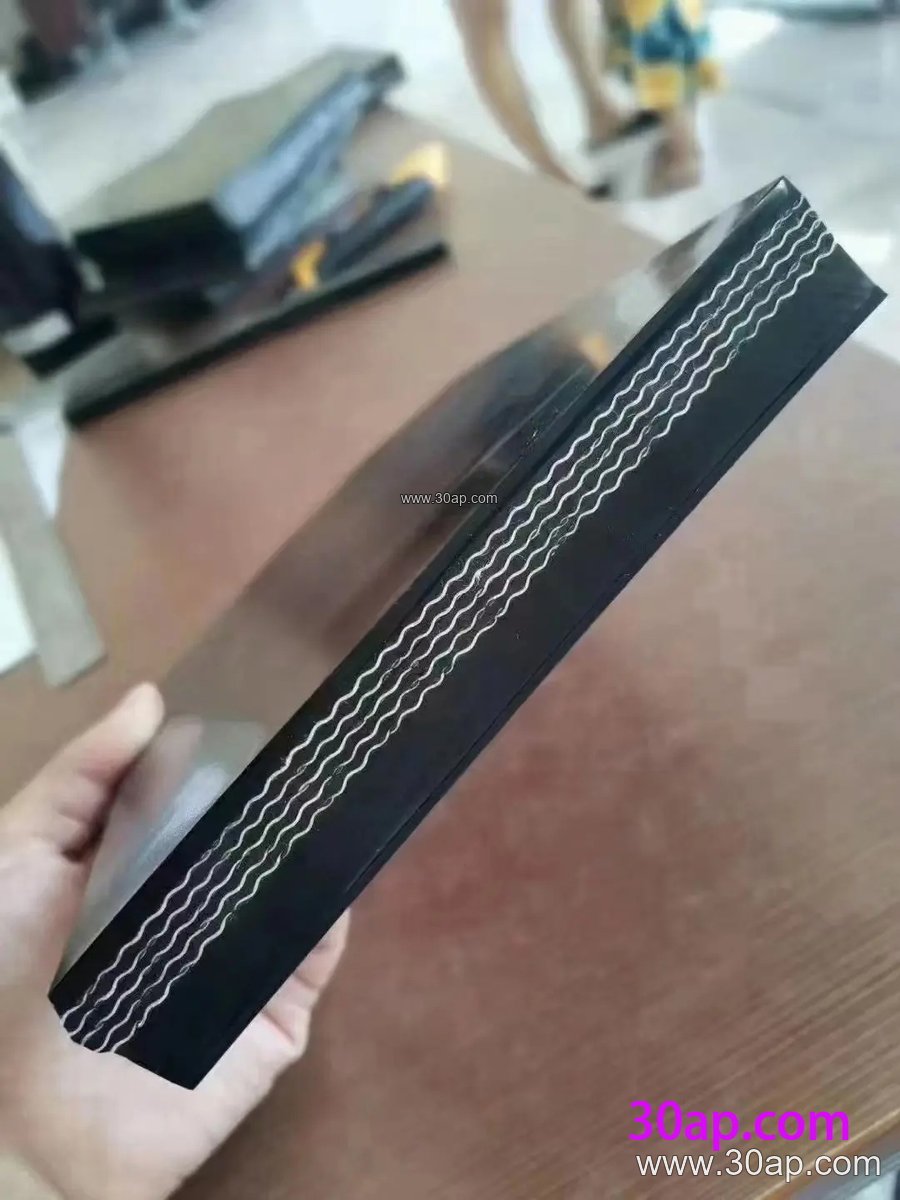
Construction and Common Specifications
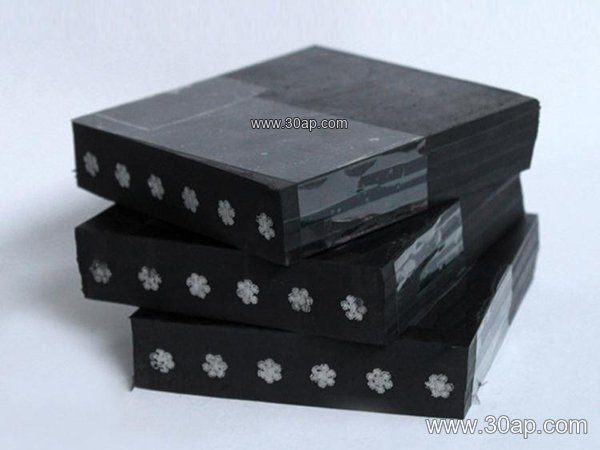
The carcass is usually a fabric core or a steel cord design. Fabric-core belts may use EP (polyester-polyamide) or NN (nylon-nylon) plies, while steel cord belts use embedded wire ropes for very long, high-tension runs. Cover rubber grade is selected for the duty: abrasion resistant for ore and aggregate, flame retardant for underground coal mining, heat resistant near clinker or sinter, and oil resistant where lubricants or oily material are present.
Typical reference values are shown below. These are common ranges, not fixed promises, and final construction is confirmed by the supplier against the conveyor design.
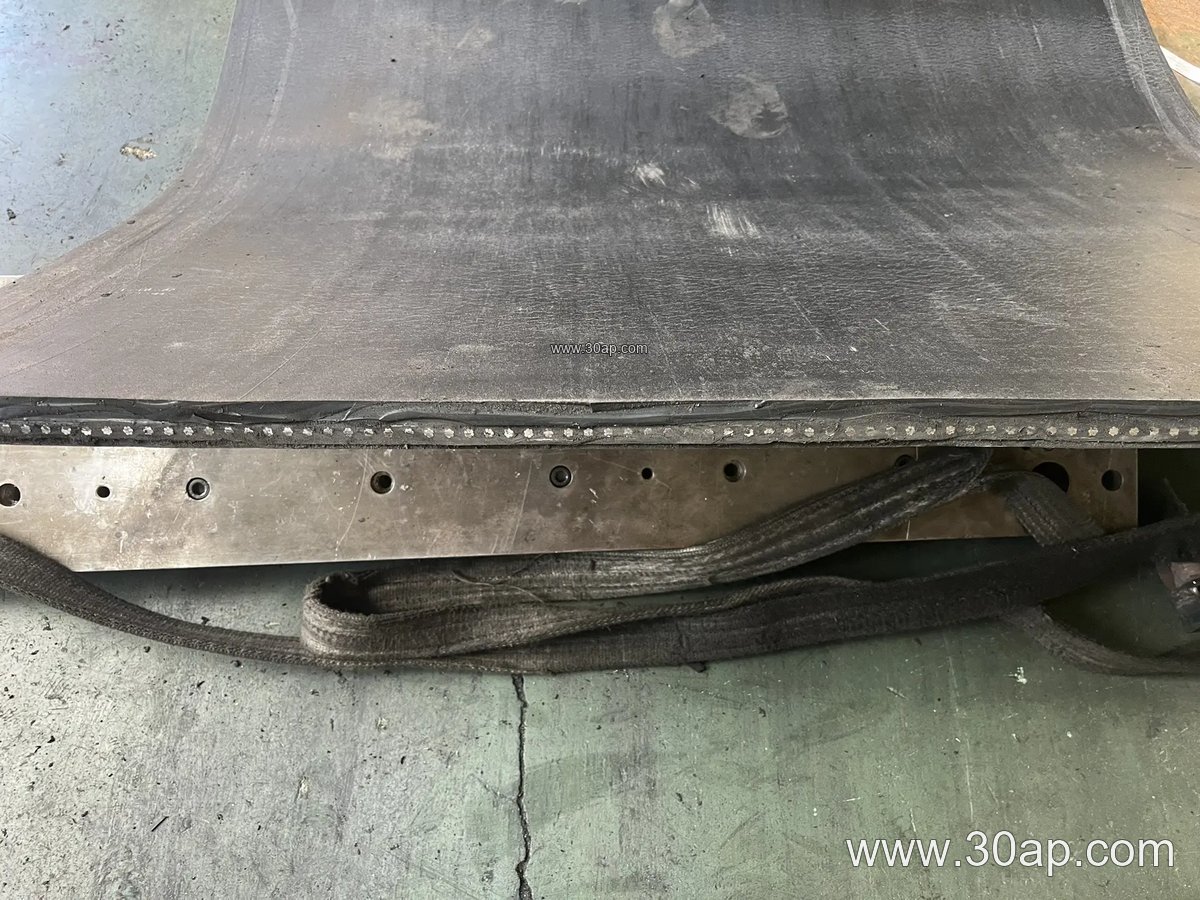
- Belt width: 1800mm (B1800)
- Carcass types: EP, NN, steel cord, PVC, PVG
- Fabric strength examples: EP200, EP400, EP630, EP1000, EP1250
- Steel cord strength examples: ST1250, ST1600, ST2000, ST2500
- Cover thickness examples: 6+2mm, 8+3mm
- Ply count: usually 3 to 6 for fabric core
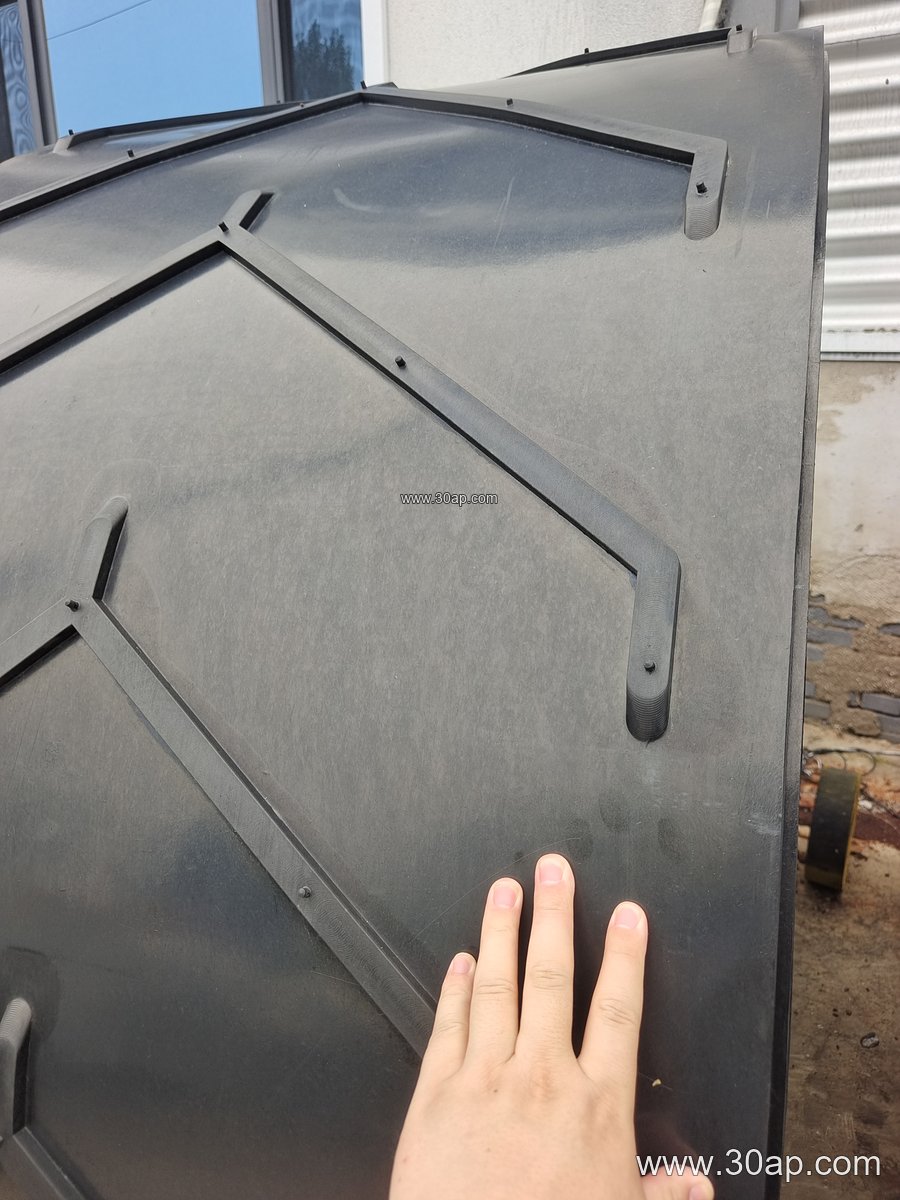
Surface forms such as chevron, corrugated sidewall or skirted edges can be applied when the route has an incline or needs material containment. A pipe conveyor belt is a different concept and is mentioned here only for comparison; it is not a substitute for an open 1800mm wide belt.
Where the Width Fits in a Conveyor
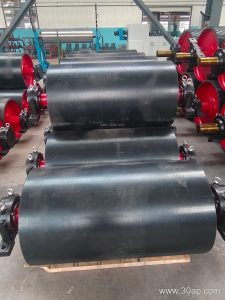
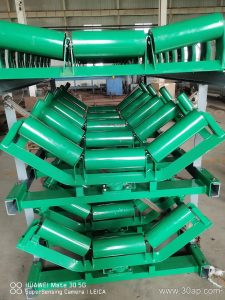
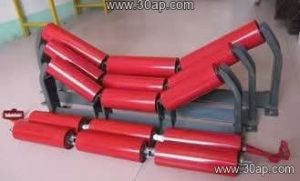
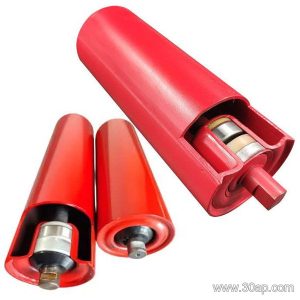
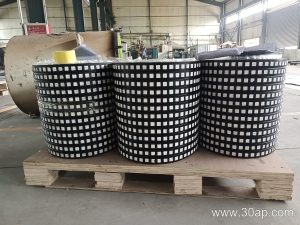
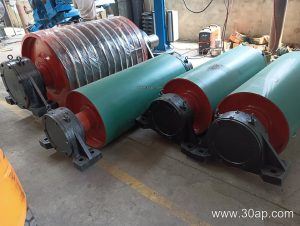
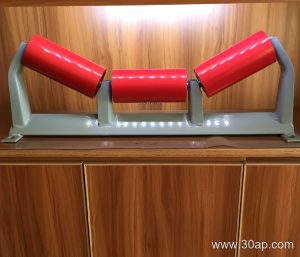
An 1800mm belt needs matching drive pulleys, tail pulleys and bend pulleys sized by the conveyor engineer. Belt width alone does not define pulley diameter, so the shaft, bearing and pulley face must be calculated from tension and load. The same applies to idler rollers: the trough angle, roll diameter and spacing are set by the belt speed, material weight and sag limits.
Support structures, conveyor brackets and frames should be checked for the wider belt’s weight and for wind or surge loads on outdoor installations. In a cement plant or power plant, an 1800mm belt may run on long overland sections; in a quarry or crusher circuit, it often handles primary crushed rock with high impact at the loading point.
Buyer Checklist
Before ordering, confirm the material type, lump size, moisture, temperature and any chemical exposure. State the required tensile strength and cover grade, and give the conveyor centers, incline and capacity so the supplier can verify the carcass. Ask for the splice method, edge condition and whether the belt should be supplied as an endless conveyor belt or in open lengths for field splicing.
For coal mining and underground mining, flame retardant and anti-static properties are usually specified. For iron ore, copper ore or gold mining duty, a high abrasion resistant cover extends service life. Cold resistant compounds suit winter operation in northern yards.
Installation and Maintenance Notes
Wide belts demand careful alignment. Check that the drive pulley, tail pulley and bend pulleys are square to the centerline, and that idler rollers are set at the correct trough angle. Keep the belt tracking straight during the first runs, and retighten the splice after the break-in period.
Inspect the cover for cuts, edge wear and impact damage, especially under crushers and transfer chutes. Clean carry-back and return-side material regularly, because buildup on pulleys can cause tracking faults. Store spare belt rolls flat, away from sunlight and ozone sources, and record the belt serial and splice date for maintenance planning.