What a Mining Fire Resistant Conveyor Belt Is
A Mining Fire Resistant Conveyor Belt is a heavy-duty belt designed to limit flame spread and resist ignition in underground and surface mining operations. It is also called a fire resistant conveyor belt or flame retardant conveyor belt, and the same product may appear under the shorthand FR conveyor belt. The belt is not simply a standard rubber belt with a label; its rubber compounds, cover grades, and sometimes its core construction are chosen so that the belt behaves predictably when exposed to sparks, friction heat, or a nearby fire source.
In coal mining, the risk profile is different from a quarry or a cement plant. A Coal Mining Conveyor Belt must often combine fire resistance with anti-static behavior, because moving belts can accumulate static charge. For this reason, buyers frequently specify an Anti-Static Conveyor Belt construction alongside flame retardant properties. The keyword here is balance: fire resistance should not come at the cost of abrasion resistance or load support.
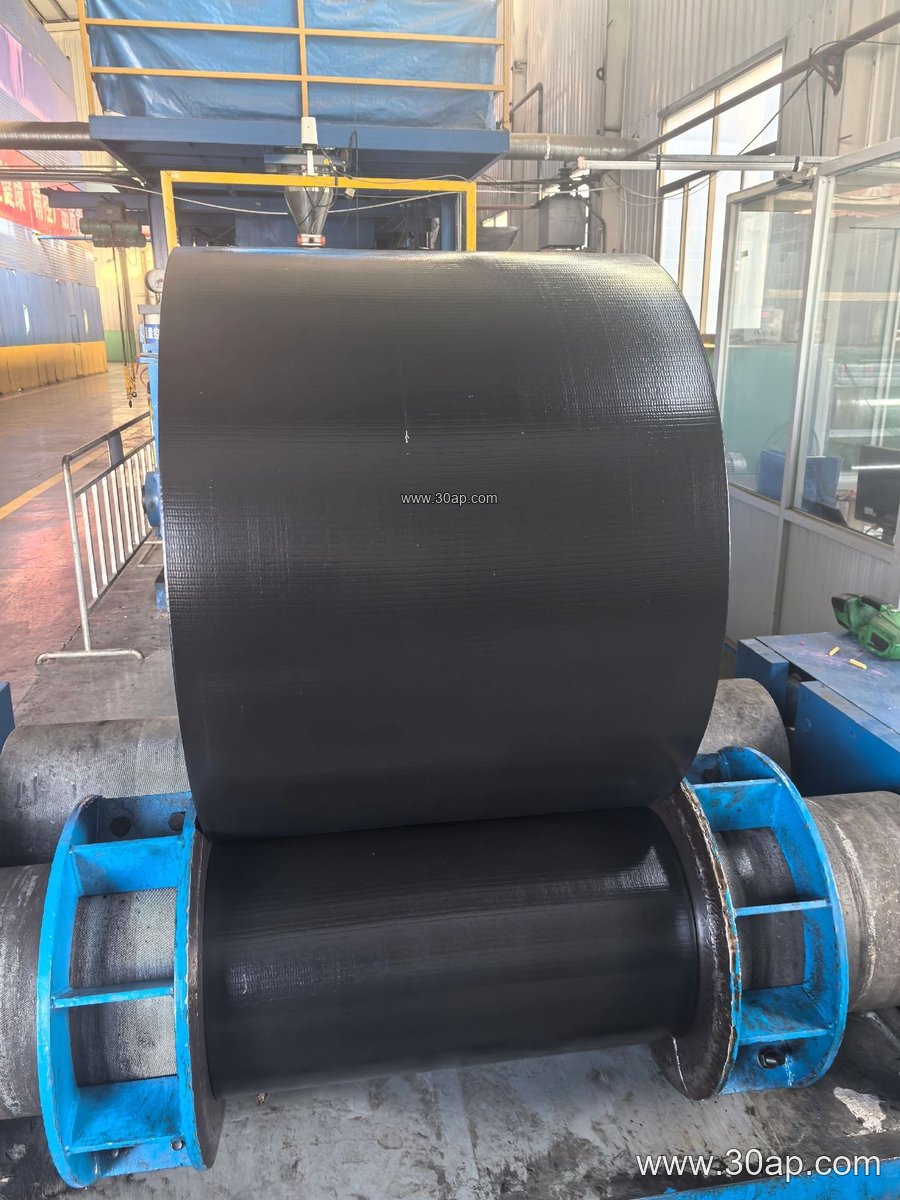
Construction and Material Choices
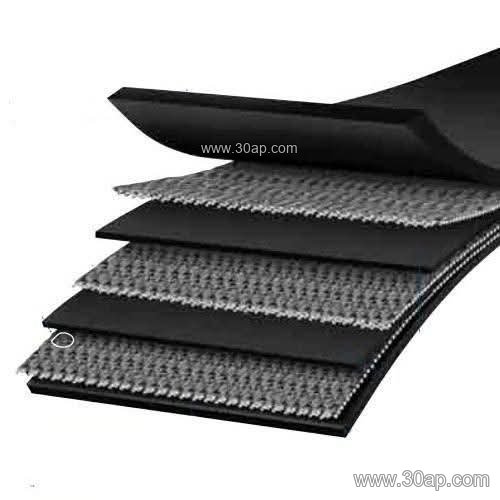
Most fire resistant belts for mining are built on a fabric core, a steel cord core, or a solid-woven PVC/PVG carcass, depending on the duty. A Fabric Core Conveyor Belt using EP or NN plies is common in main haulage and panel belts where flexibility and troughability matter. Heavier main lines may use a Steel Cord Conveyor Belt for long distances and high tension. In underground coal work, a PVG Conveyor Belt or PVC Mining Conveyor Belt is often chosen because the carcass itself contributes to flame resistance.
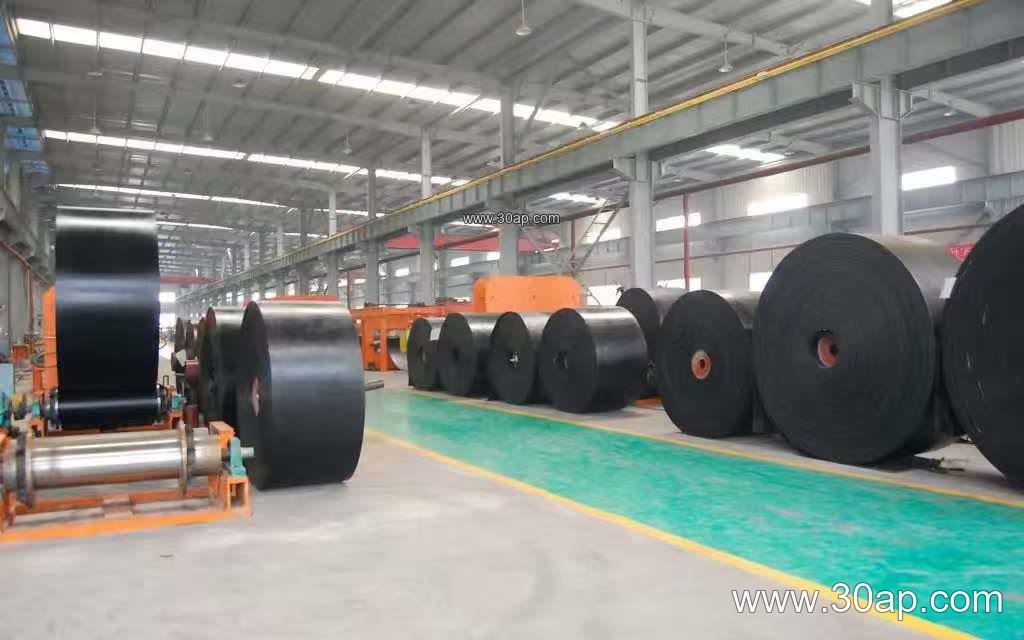
The cover compound is where fire resistance is most visible. Formulations typically use halogenated or non-halogenated flame retardants, and the cover grade is matched to the mine’s risk assessment. Cover thickness is usually stated as top plus bottom, for example 4+2 mm or 6+2 mm, while the carcass may have 2 to 6 plies. These are common reference values, not universal rules; final construction is determined by the conveyor design.
Common reference data for mining belts
| Property | Typical reference range |
|---|---|
| Belt width | B650, B800, B1000, B1200, B1400, B1600 |
| Fabric strength grades | EP200, EP400, EP630, EP800, EP1000 |
| Steel cord grades | ST1000, ST1600, ST2000 |
| Cover thickness | 4+2 mm, 5+2 mm, 6+2 mm, 8+3 mm |
| Carcass plies | 2 to 6 plies for fabric cores |
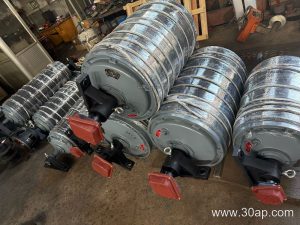
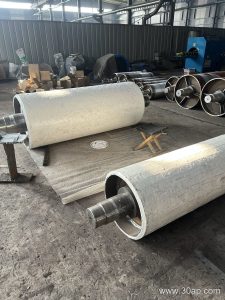
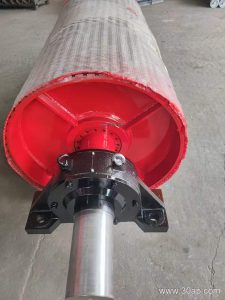
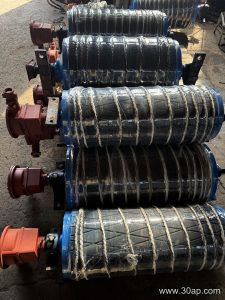
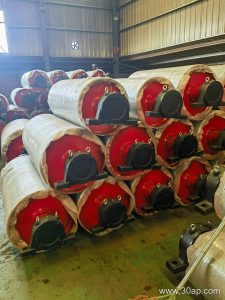
Widths and strength grades are selected together with the conveyor pulley and idler roller layout, not in isolation. A wider belt does not automatically dictate a particular pulley diameter, and shaft sizes are set by the conveyor designer.
Where It Is Used
The most demanding application is the Underground Coal Mining Conveyor Belt, where methane, coal dust, and limited escape routes make fire prevention critical. The same belt family appears in coal preparation plants, power plant coal yards, and port coal handling. In metalliferous mines, a Mining Conveyor Belt may be specified as fire resistant where welding, hot work, or oil-fired equipment is nearby, even if the ore itself is not combustible.
Other industries use the belt where a flame retardant conveyor belt is required by internal safety policy: cement plants handling coal or pet coke, steel plants with coke oven feeds, and sand and gravel operations that run belts through enclosed galleries. A Quarry Conveyor Belt or Aggregate Conveyor Belt may use a flame retardant cover for tunnel sections, while the open stockpile area may use a standard Abrasion Resistant Conveyor Belt. The distinction matters because fire resistance is a property of the whole belt, not a coating that can be added later.
Buyer Checklist
- Confirm the fire performance requirement with the mine safety plan, and ask for test documentation rather than assuming a grade.
- Match carcass type to tension and troughability: EP Conveyor Belt for general fabric duty, steel cord for long high-tension lines, PVG or PVC for underground coal.
- Check anti-static and surface resistance requirements together with flame resistance.
- Review cover thickness and abrasion grade against the material: sharp rock calls for a High Abrasion Resistant Conveyor Belt cover, while hot material may need a Heat Resistant Conveyor Belt compound.
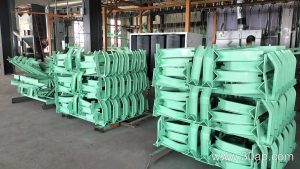
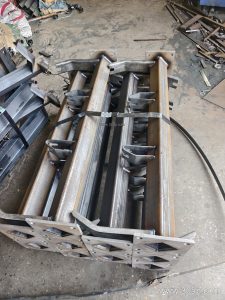
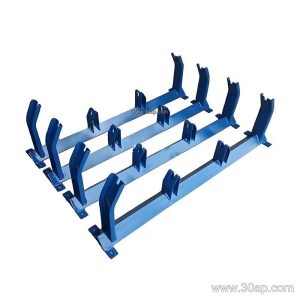
- Verify belt width, edge condition, and splice method against the conveyor pulley, idler roller, and conveyor bracket layout.
- Ask how the belt behaves after splicing; a field splice can affect flame resistance if the wrong material is used.
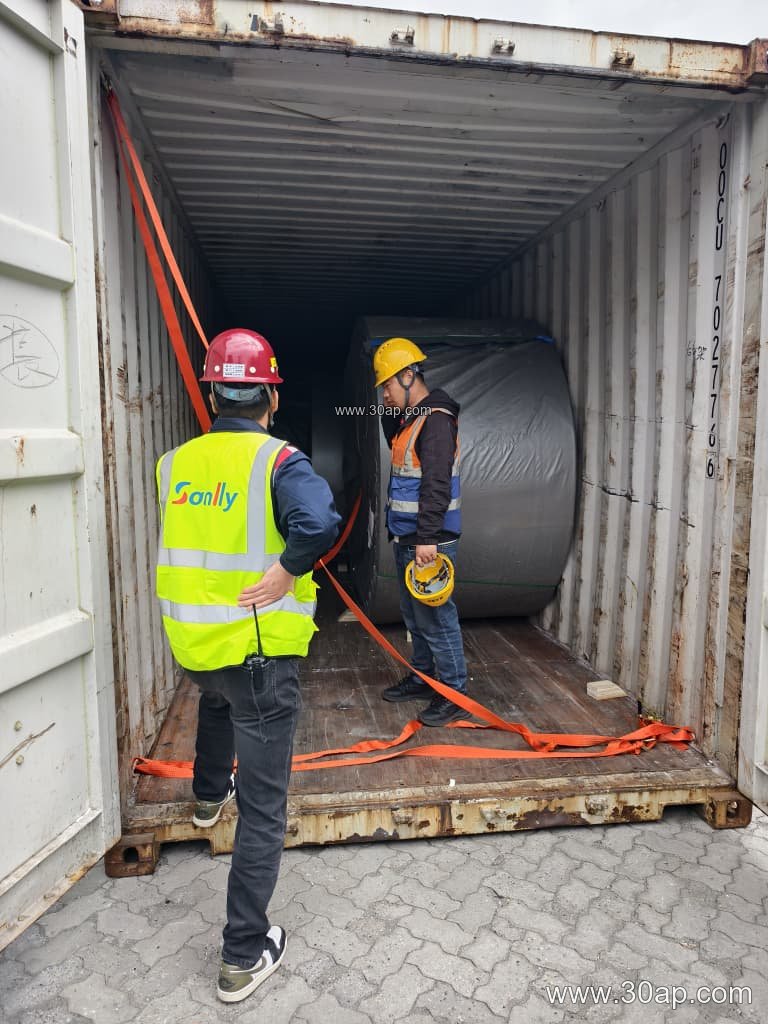
Maintenance also affects fire safety. Seized idler rollers, misaligned belts rubbing on structure, and spilled material around the tail pulley all create heat sources. A fire resistant belt buys time, but it does not replace housekeeping and correct conveyor pulley alignment. Store spare belts away from heat and oil, and keep splice kits matched to the original compound.
For more conveyor belt, idler roller and conveyor pulley guidance, visit kuangshan-shusongdai.com and review the technical notes before specifying a Mining Fire Resistant Conveyor Belt for a new project.