What a Belt Conveyor Idler Frame Does
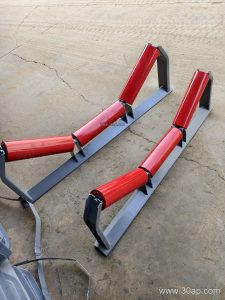
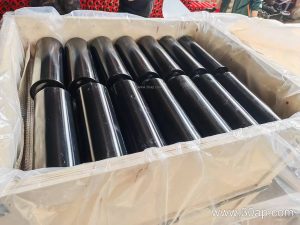
A Belt Conveyor Idler Frame is the structural element that holds idler rollers in the correct position under or above the conveyor belt. It is often called a conveyor idler bracket or idler support frame, and it is one of the quiet contributors to belt tracking, belt life, and energy use. In a quarry, a coal handling plant, or a cement kiln feed line, the frame keeps every roller aligned so the belt moves smoothly instead of rubbing against structure.
The frame itself does not carry the material. It carries the rollers, and the rollers carry the belt. When the frame is weak, misaligned, or corroded, the belt starts to wander, edges fray, and the drive pulley has to work harder. That is why buyers should treat the idler frame as an engineered part, not as a piece of scrap steel.
How the Frame Is Built
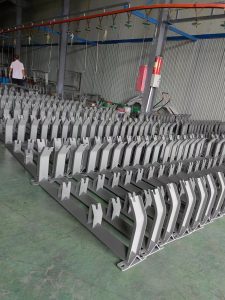
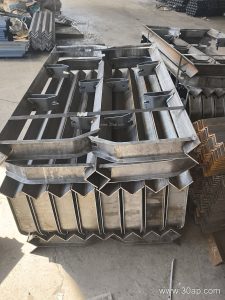
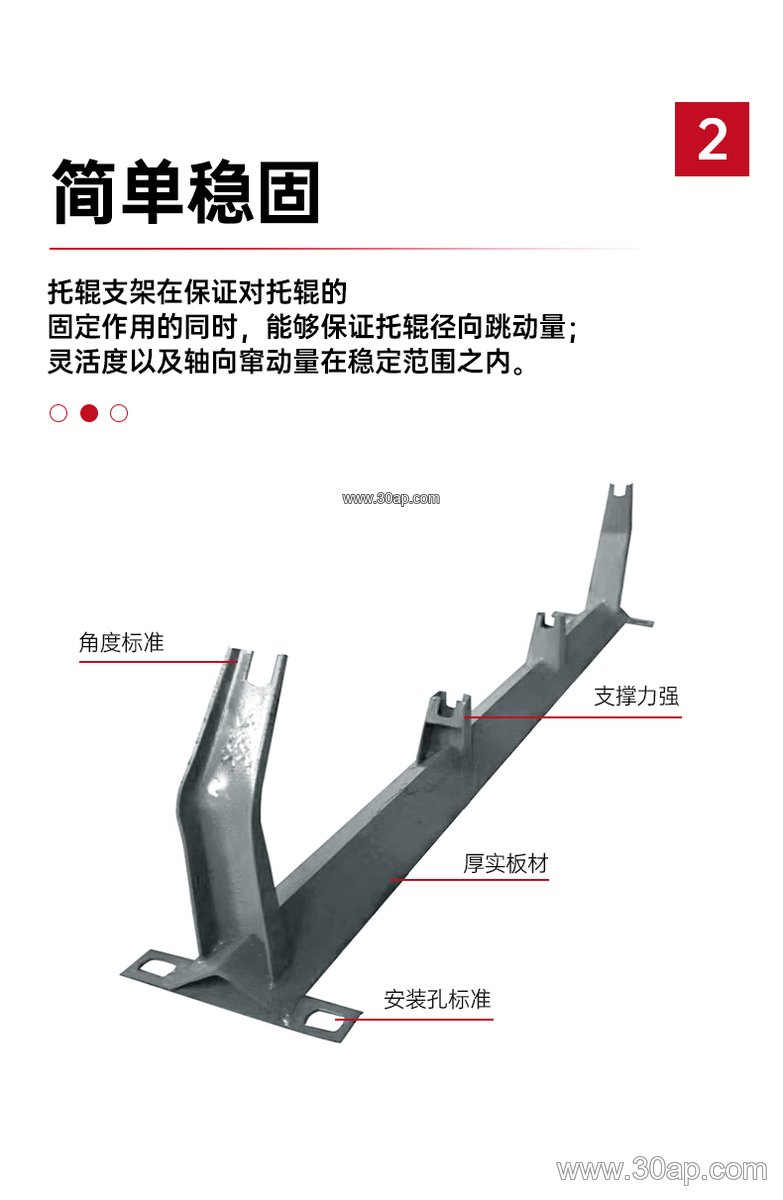
Most frames are fabricated from angle steel, channel steel, or folded steel plate. The material choice follows the duty: light aggregate lines often use folded plate, while heavy iron ore or underground coal mining conveyors tend to use channel sections. Welded joints should be straight and square, because a twisted frame tilts the rollers and disturbs belt tracking.
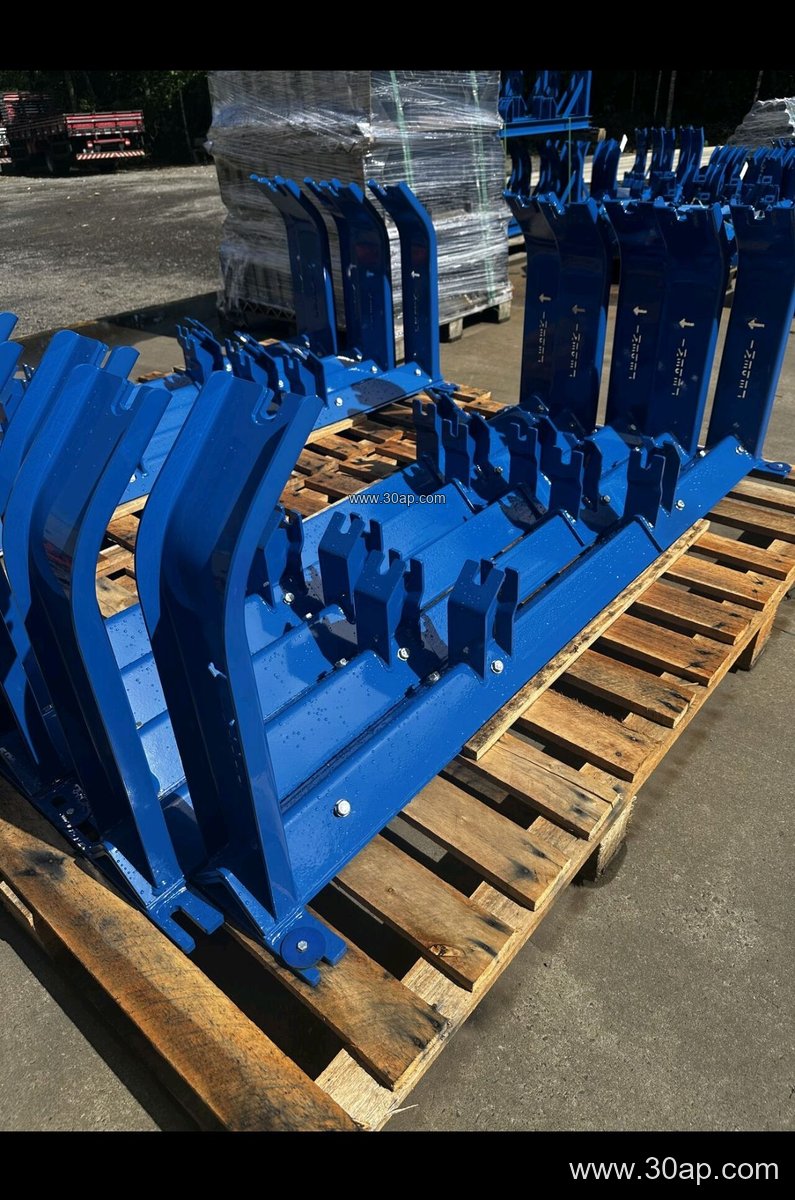
Common frame types include troughing frames on the carrying side, transition frames near pulleys, return frames and V-return frames on the lower run, impact frames under loading points, and self-aligning frames. Adjustable frames allow the trough angle to be changed on site, usually between 20, 30, 35, and 45 degrees. Forward-tilted frames, often around 1.5 to 2 degrees, are used to help center the belt.
Matching Frame, Roller, and Belt Width
Frame dimensions follow belt width, trough angle, and roller diameter. A B800 frame with a 35 degree trough and Ø108 rollers is a common combination, but it is not the only one. A B1200 conveyor might use 45 degrees and Ø133 rollers, while a B650 line may run 30 degrees with Ø89 rollers. Install hole spacing and crossbeam length change with these choices and should be confirmed from the drawing rather than assumed.
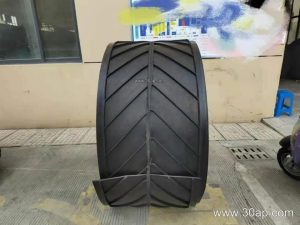
The belt also matters. A heavy-duty mining conveyor belt or a steel cord conveyor belt needs stiffer support than a light EP conveyor belt on a sand making plant line. Heat resistant conveyor belt and flame retardant conveyor belt installations may need frames that keep rollers clear of hot material buildup. For wider belts, such as a 1200mm wide conveyor belt or an 1800mm wide conveyor belt, frame stiffness becomes more important because sag between frames affects belt training.
Where Idler Frames Are Used
You will find these frames in limestone mines, coal washing plants, power plant coal yards, port ship loading systems, and aggregate crushing circuits. In a tunnel muck line, compact frames help fit the conveyor into a narrow profile. In a grain silo or fertilizer plant, corrosion protection matters more than extreme strength. Each site sets its own priorities, so the same basic frame design may be painted, galvanized, or built from heavier steel.
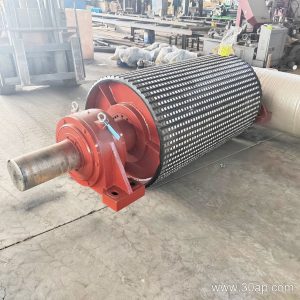
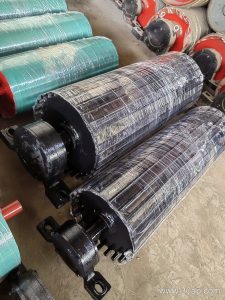
Frames work together with conveyor pulleys, conveyor brackets, and the belt itself. A misaligned frame near a bend pulley can cause edge damage that looks like a pulley problem. Checking frames before blaming the pulley saves time.
Buyer Checklist
- Confirm belt width, trough angle, and roller diameter against the conveyor drawing.
- State the duty: abrasive ore, coal, cement dust, or food-grade material.
- Ask for material thickness and surface treatment, not just the type name.
- Check that replaceable frames allow roller changes without cutting welds.
- Review installation hole spacing and crossbeam length before ordering.
For related components, buyers often review conveyor belt, idler roller, and conveyor pulley specifications together with the frame drawing. A frame that fits the roller but not the belt line will still cause tracking problems, so the whole support system should be checked as one unit.