What the ST1250 Conveyor Belt Is
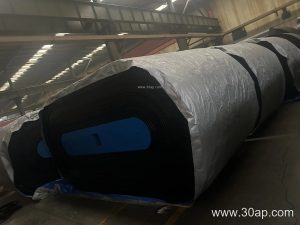
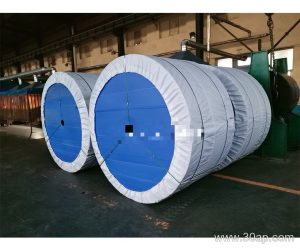
The ST1250 Conveyor Belt is a steel cord conveyor belt with a nominal tensile strength of 1250 N/mm. It belongs to the ST series, where the number indicates breaking strength per unit width rather than fabric ply count. In a long overland system, a coal mining conveyor belt or an iron ore conveyor belt of this class carries the load through a single high-strength carcass instead of multiple fabric plies.
Because the ST1250 rating sits in the middle of the common ST range, it suits medium-to-long conveyors that need more strength than an EP1000 or EP1250 fabric belt can offer, but do not yet call for ST1600 or ST2000. Engineers often compare it with a high strength fabric core belt when route length, splice efficiency and take-up travel are being weighed.
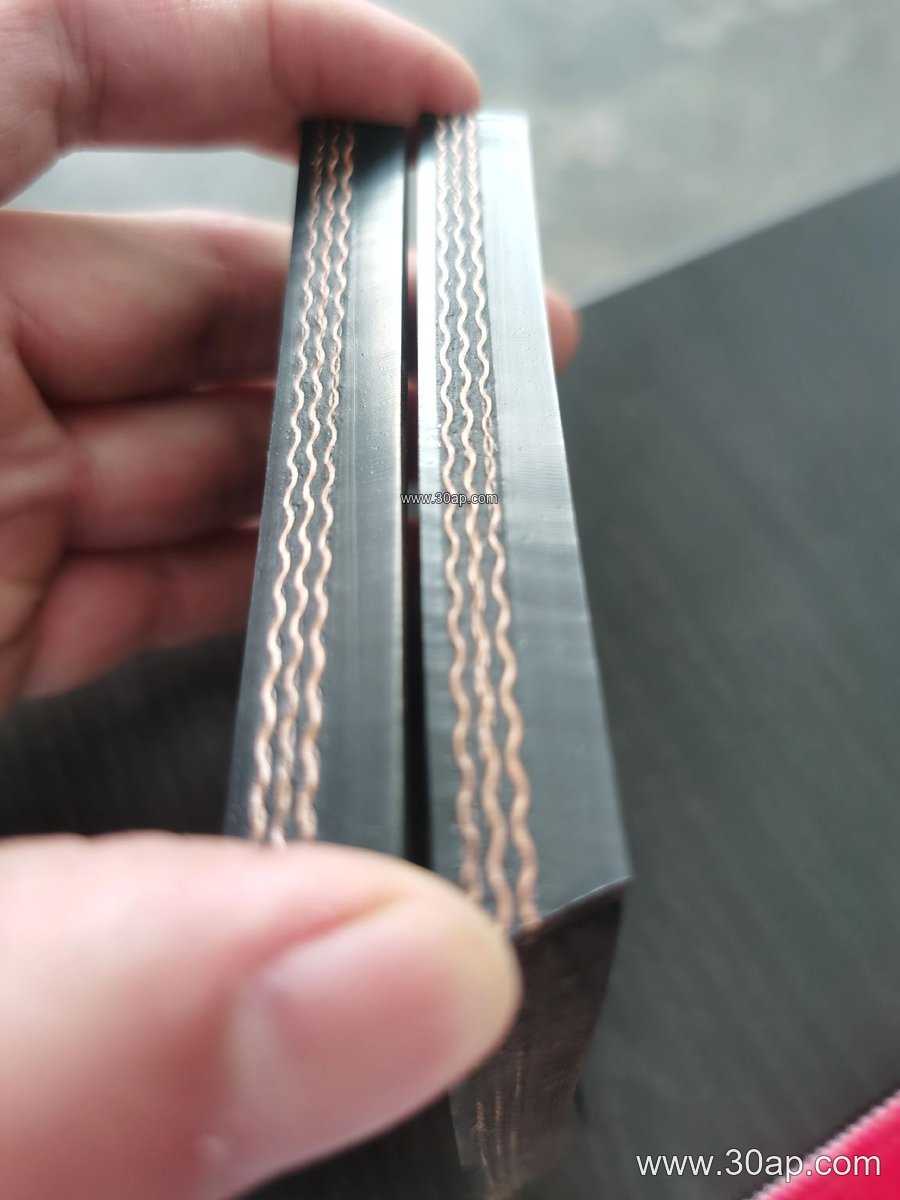
How the Belt Is Built
The carcass consists of parallel steel cords embedded in a rubber compound. A top cover and a bottom cover protect the cords from impact, abrasion and moisture, while a cord-to-rubber bond carries the tension. Cover grade and thickness are selected for the duty, for example an abrasion resistant conveyor belt for crushed rock or a heat resistant conveyor belt near clinker and sinter.
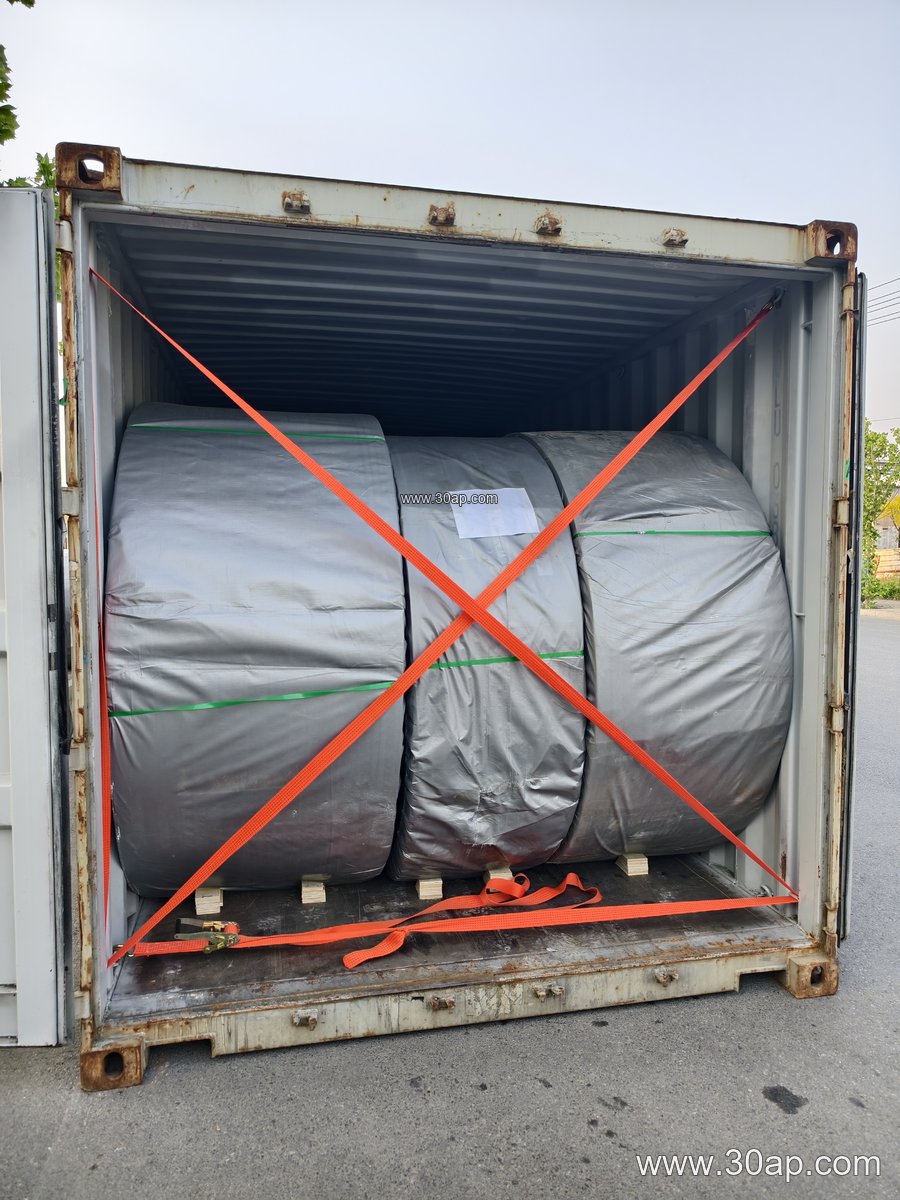
- Steel cord carcass for high tensile load per millimetre of width
- Top and bottom rubber covers in grades matched to the cargo
- Optional flame retardant conveyor belt construction for underground coal mining conveyor belt duties
- Optional anti-static conveyor belt compound where static build-up is a concern
Typical Specifications
The figures below are common reference values, not a fixed supply promise. Actual cover thickness, cord pitch and total belt thickness are confirmed by the manufacturer against the conveyor design.
| Parameter | Common reference |
|---|---|
| Strength grade | ST1250 (1250 N/mm) |
| Belt width | B800, B1000, B1200, B1400, B1600, B1800 |
| Cover thickness | 5+2 mm, 6+2 mm, 8+3 mm |
| Cover grades | Abrasion resistant, heat resistant, flame retardant, oil resistant, cold resistant |
| Splice method | Hot vulcanised stepped splice, usually multi-stage |
Width and strength are independent choices. A 1200mm wide conveyor belt and a 1800mm wide conveyor belt can both be built in ST1250; the pulley diameter, shaft and idler roller layout follow the actual tension and load calculation, not the width alone.
Where It Fits in the Plant
Steel cord belts of this grade appear in mines, cement works, power stations, ports and large quarries. A typical duty is a main haulage line from the crusher to the stockpile, or a ship loading conveyor belt running at high capacity. In a sand making plant conveyor belt circuit, ST1250 may be used on the primary discharge where lump size and impact are heavy, while shorter or lighter branches use an EP conveyor belt or NN conveyor belt.
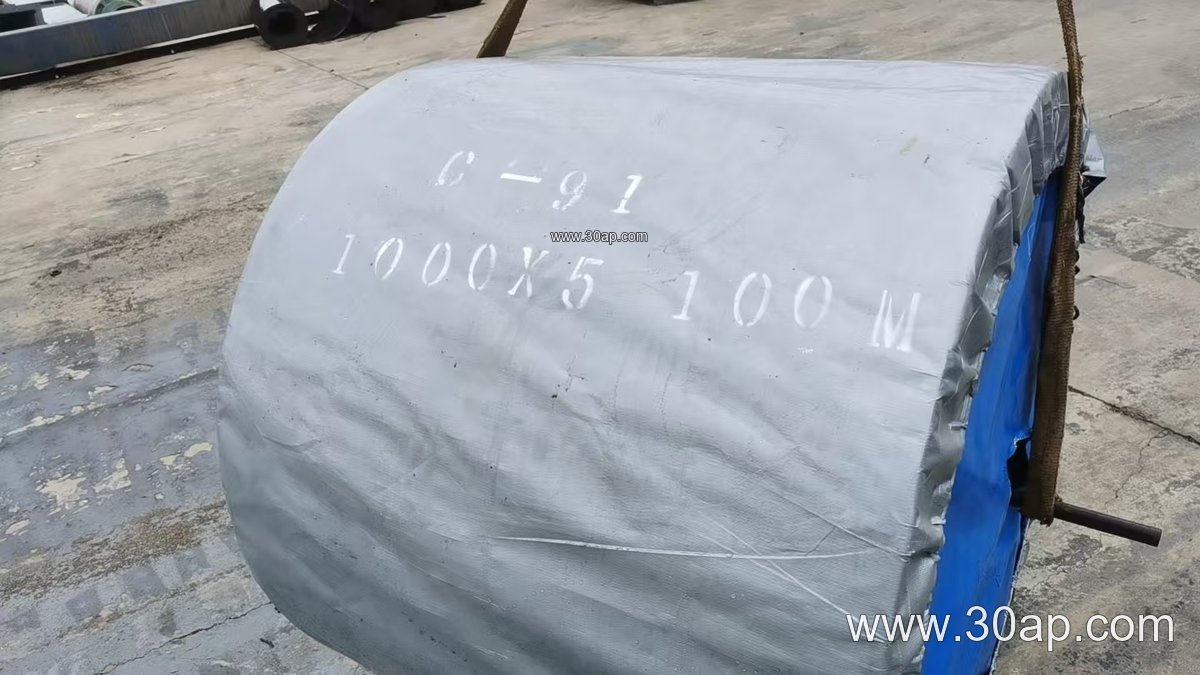
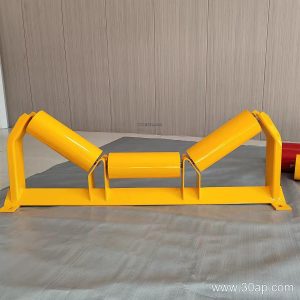
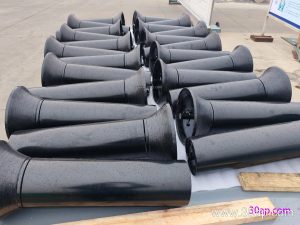
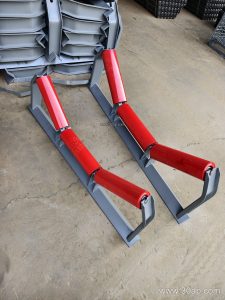
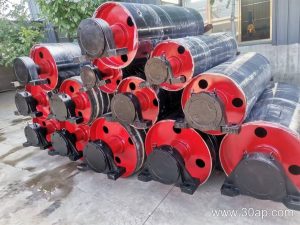
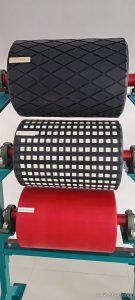
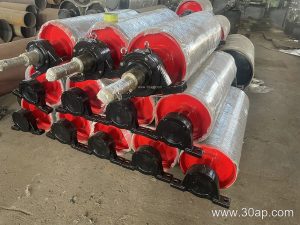
Supporting hardware matters as much as the belt. The conveyor pulley at the drive and tail ends, the idler roller spacing through the carrying run, and the conveyor bracket stiffness all influence belt life. A misaligned bend pulley or a seized idler can damage a steel cord carcass quickly, so alignment and rotation checks belong in the routine.
Selection and Use Notes
- Confirm the calculated maximum tension, then add a safety factor before choosing ST1250 rather than a lower or higher grade.
- Match cover grade to the material: hot clinker needs a heat resistant belt, oily scrap needs an oil resistant compound, and fine dry dust may call for anti-static properties.
- Check minimum pulley diameters recommended for the cord construction; do not assume a fixed shaft size from belt width.
- Plan the splice. Steel cord splices need space, time and controlled vulcanising conditions.
- For steep inclines, a chevron conveyor belt or corrugated sidewall conveyor belt may be a better fit than a smooth ST belt.
Buyers should ask for the cord construction, cover grade, total thickness, splice procedure and recommended pulley and idler roller data in writing. For a long overland route, that package is more useful than the strength number alone. Visit belt.top for conveyor belt reference information and idler roller guidance before finalising the specification.