When a Standard Bracket Will Not Fit the Frame
A non-standard conveyor bracket is a made-to-order support component that positions and holds idler rollers, pulleys or frame sections where catalog brackets cannot be used. It appears when a plant layout, an existing steel structure or an unusual belt line makes the standard hole spacing, crossbeam length or mounting angle impractical. In a quarry conveyor line, a coal preparation plant or a cement plant reclaim tunnel, the frame is rarely a clean copy of a catalogue drawing, so fabricators produce custom brackets to bridge the gap between the structure and the rotating components.
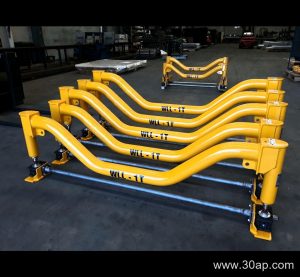
The part is not a single product family. It may be an upper troughing bracket, a return bracket, a transition bracket or an adjustable design, each made to suit the actual site geometry. This is why buyers should treat it as an engineered item rather than a stock SKU.
How the Bracket Is Built
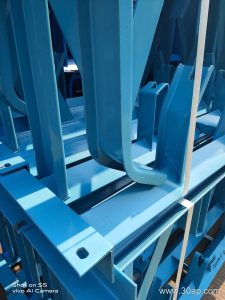
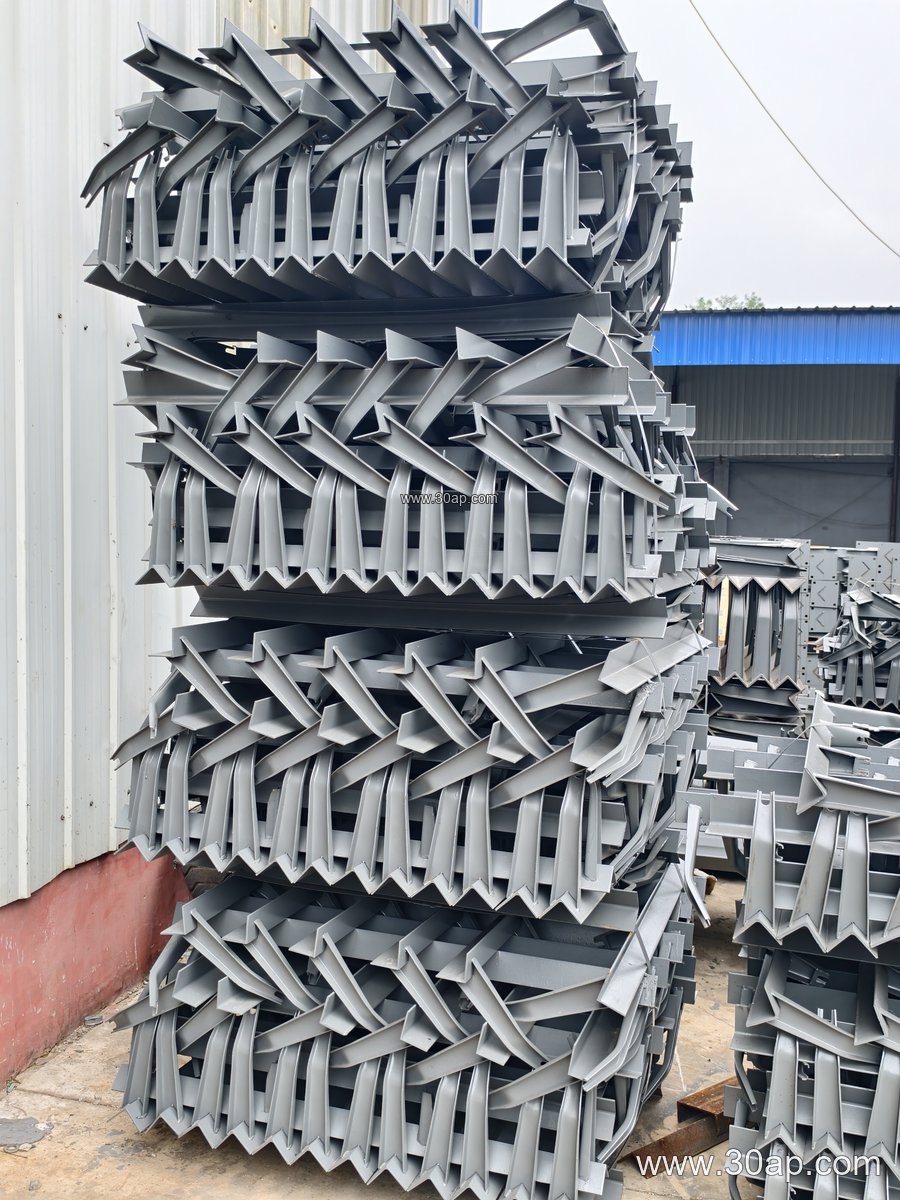
Most custom brackets are welded or bolted assemblies made from angle steel, channel steel or folded steel plate. The material choice follows the load and the environment: a dusty aggregate conveyor line may use heavier channel sections, while a lighter food or fertilizer handling line may use folded plate with a simpler profile.
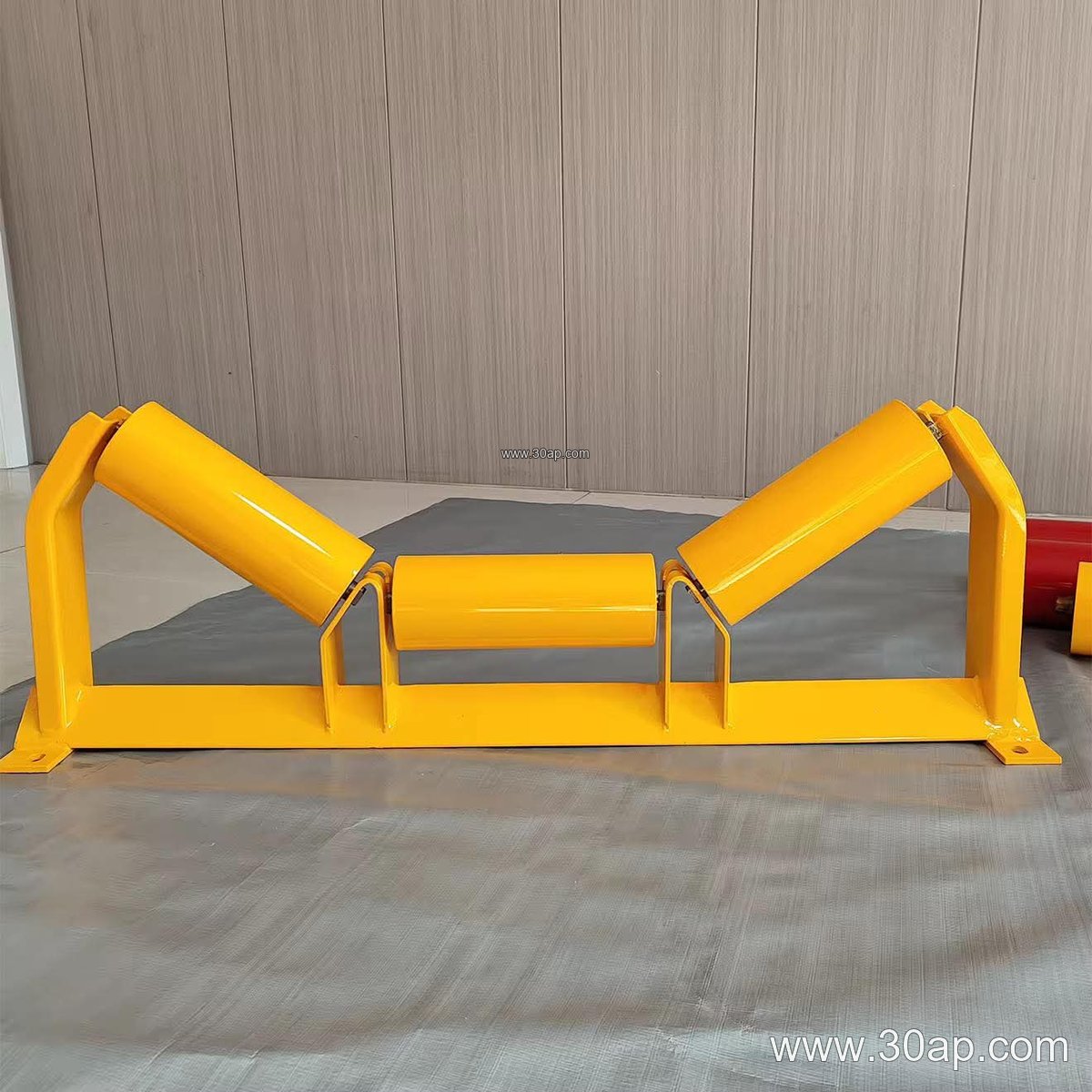
Typical features include:
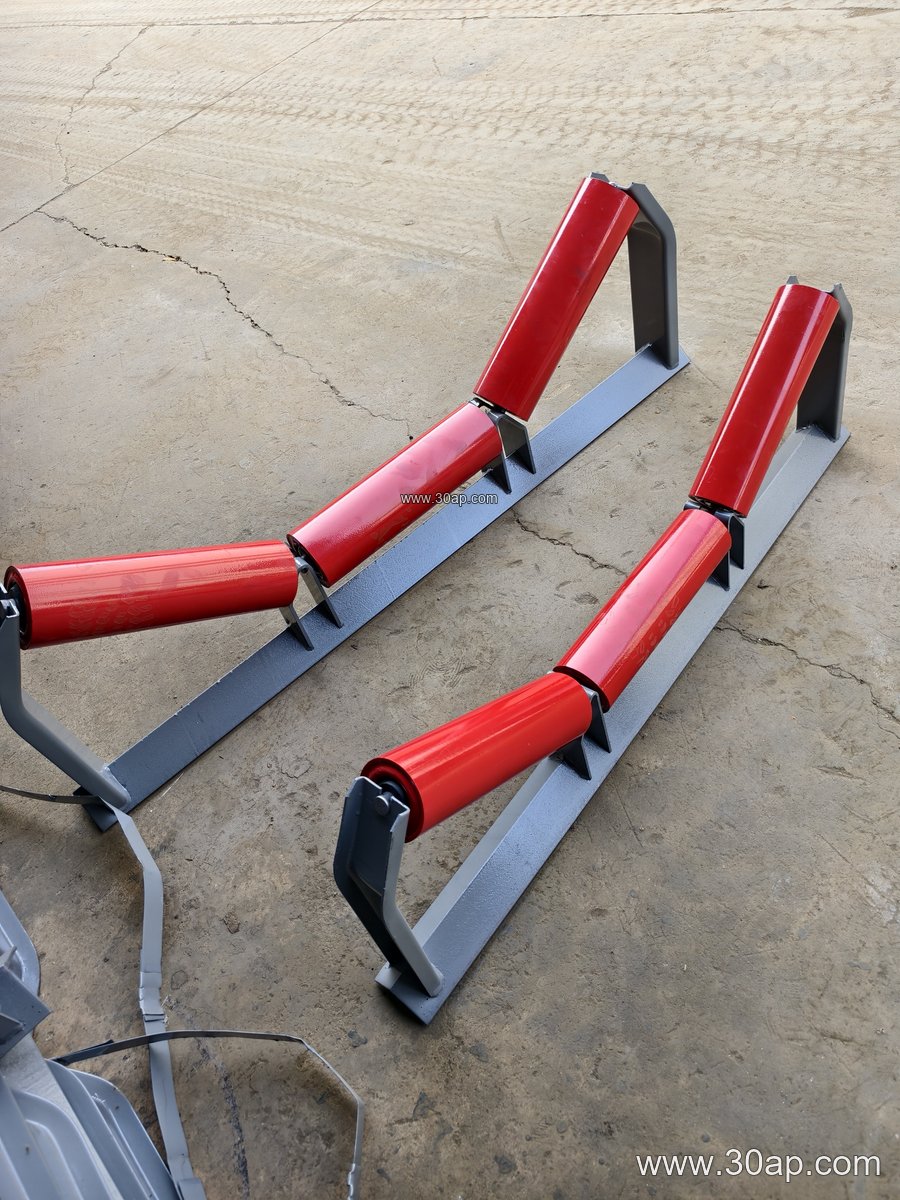
- Mounting plates drilled to match the existing frame hole pattern
- Troughing arms set at a specific trough angle, or adjustable between common angles
- Roller seats sized for the idler roller shaft and bearing housing
- Reinforcing ribs where the bracket carries impact or heavy belt tension
- Galvanized or painted finish depending on humidity and dust conditions
Surface treatment matters in a port conveyor or a power plant coal handling system, where salt air or fine dust can shorten the life of a plain painted bracket.
Where It Is Used and Why It Matters
Custom brackets are common in crushing and screening plants, limestone mines, iron ore handling, sinter plants and tunnel spoil removal. In these places the belt line often follows an existing structure, so the distance between stringers, the height of the frame and the available clearance vary from one section to the next.
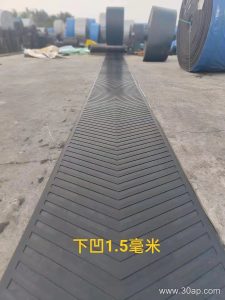
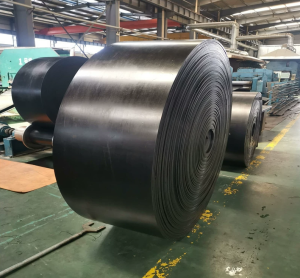
The bracket also interacts directly with the conveyor belt and the idler roller. A poorly matched trough angle can cause belt edge stress, while an inaccurate roller seat can lead to vibration and premature roller failure. On a heavy-duty mining conveyor belt carrying lump ore, the bracket must hold the rollers firmly under impact loads. On a long overland line using a steel cord conveyor belt, alignment accuracy becomes more important than raw strength alone.
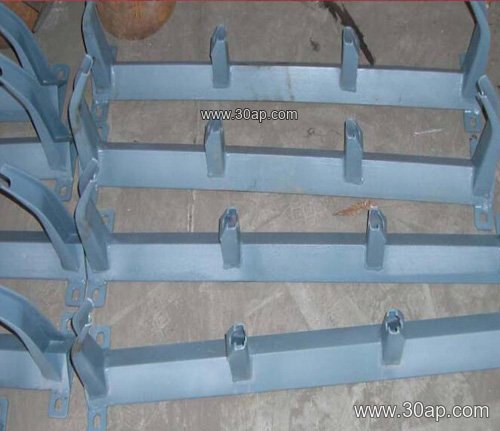
Adjustable versions are useful at transition zones, where the belt changes from flat to troughed. Fixed versions are simpler and cheaper where the geometry is already confirmed. A V-return bracket and a flat return bracket serve different return-side needs, and neither should be treated as a substitute for the other.
Common Reference Parameters
The values below are typical reference points, not universal specifications. Actual dimensions are confirmed by measurement or drawing for each project.
| Item | Common Reference Range |
|---|---|
| Belt width | B500 to B2200 |
| Trough angle | 20, 30, 35 or 45 degrees; adjustable brackets cover several of these |
| Roller diameter | Ø89, Ø108, Ø133, Ø159, Ø194 |
| Forward tilt (where used) | about 1.5 to 2 degrees |
| Material | angle steel, channel steel, folded steel plate |
A bracket for a B800 line at 35 degrees with Ø108 rollers is a different fabrication from one for a B1200 line at 45 degrees with Ø133 rollers. Hole spacing and crossbeam length change with belt width and trough angle, so they are always set by design rather than assumed. For example, an EP conveyor belt running at 1200mm width on a medium-duty frame will usually need a wider bracket span than a 650mm line, but the roller diameter is still a separate decision based on load and speed.
What a Buyer Should Confirm
Before ordering, collect the existing frame drawing or take direct measurements. Confirm the belt width, the required trough angle, the roller diameter and the mounting hole pattern. State the environment: a wash-down area, a coal mining conveyor belt section with flame retardant requirements, or a hot clinker zone may call for different steel grades and finishes.
Ask how the bracket will be aligned and adjusted after installation. Check whether the supplier can produce matched batches so that a long line does not end up with mixed tolerances. For replacement work, a small number of accurately made non-standard conveyor brackets can restore a line faster than rebuilding the whole frame.
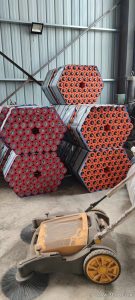
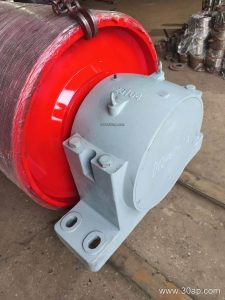
Related components such as the conveyor pulley, the idler roller and the conveyor belt all depend on the bracket doing its job quietly. Buyers who treat the bracket as part of the whole conveyor system, rather than a minor accessory, usually get a smoother running line with fewer tracking problems.