What a Ship Loading Conveyor Belt Does
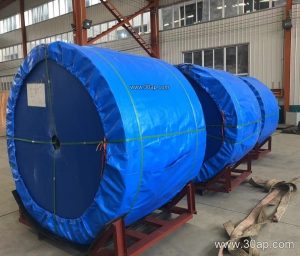
A ship loading conveyor belt is the working surface of the conveyor system that carries bulk material from the quay or stockyard to the ship’s hold. In a port, the belt runs along a long boom or a telescopic loading arm, often with a tripper or a slewing chute at the discharge end. The belt must move material fast, keep it centered on the carrying side, and resist the salt air, dust, and heavy starting loads that come with ship loading duty. Because the loading point may swing and the boom may luff up and down, the belt also has to tolerate changing tensions and occasional misalignment.
This is a port and terminal product rather than a general-purpose factory belt. It shares construction logic with other heavy-duty bulk material conveyor belts, but the duty cycle is different: short bursts of high tonnage, long idlers spans on the boom, and a discharge point that must be controlled precisely.
Construction and Typical Configurations
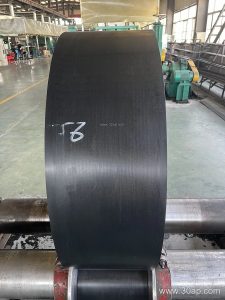
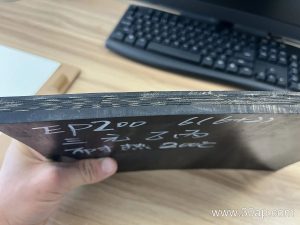
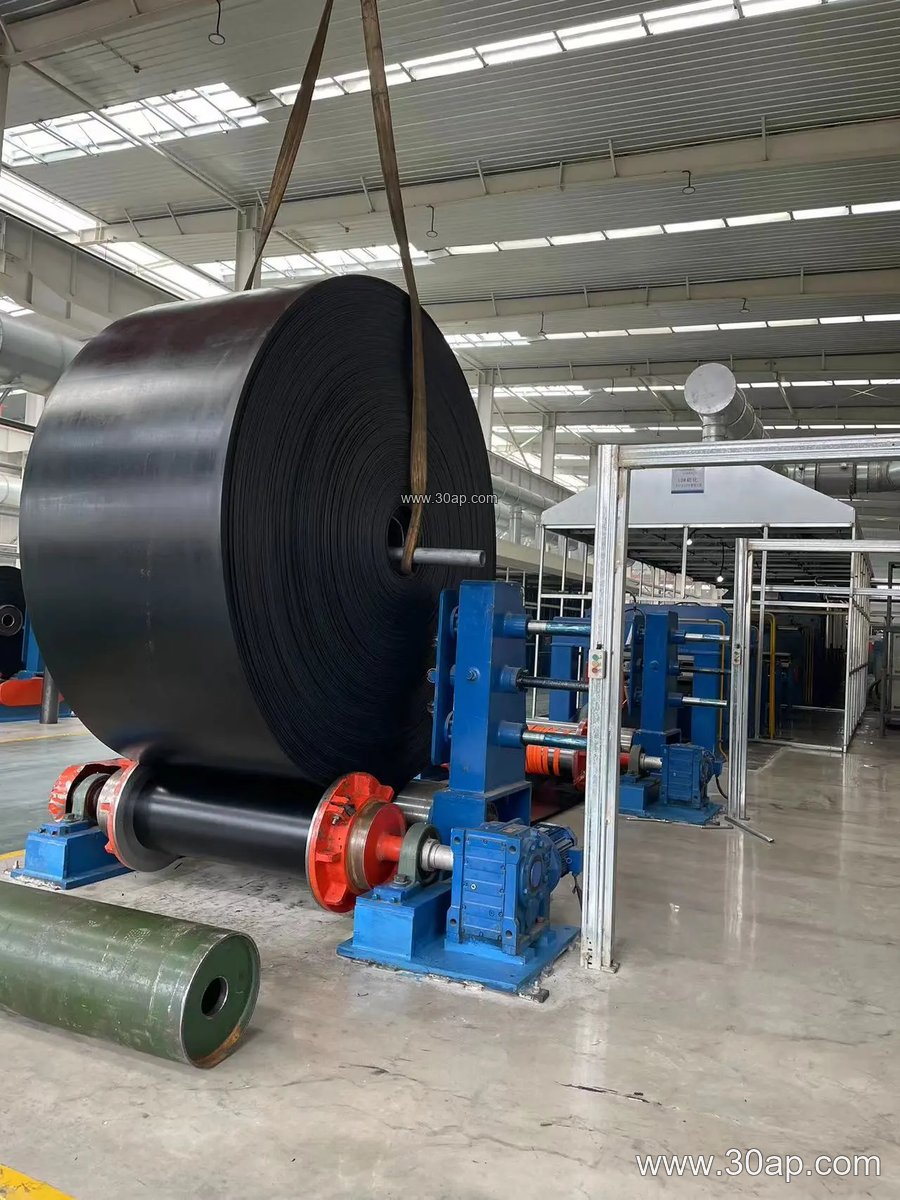
Most ship loading belts use a fabric core or a steel cord carcass, with rubber covers on both sides. Fabric core types such as EP conveyor belt and NN conveyor belt are common where flexibility over pulleys is useful. Steel cord conveyor belt is chosen when the boom is long and the belt must carry high tension with low stretch. For dusty coal and grain terminals, a flame retardant conveyor belt or anti-static conveyor belt may be specified. Terminals handling fertilizer or certain ores may ask for an oil resistant conveyor belt or a chemical resistant conveyor belt.
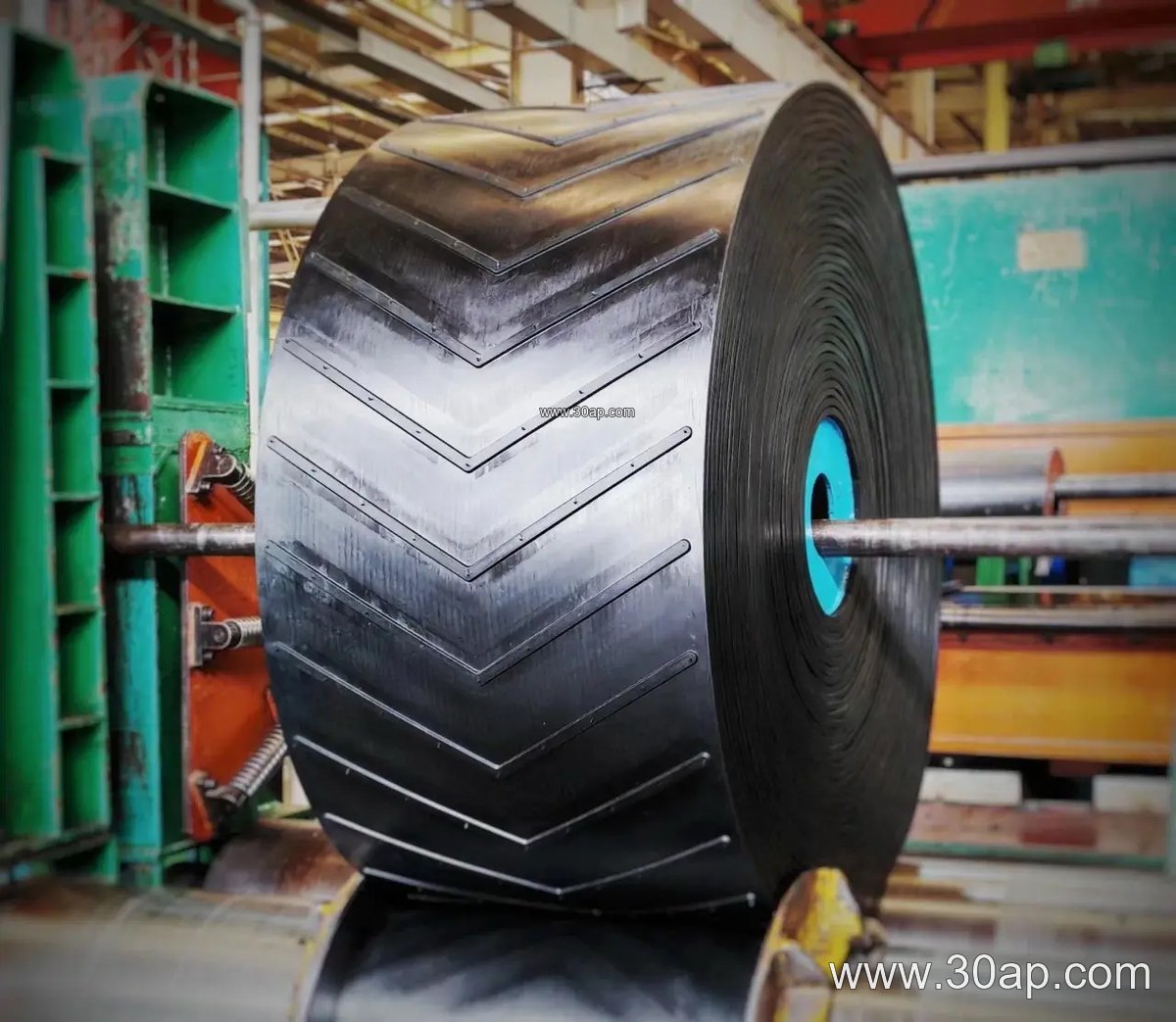
Belt edges matter on a ship loader. A skirted conveyor belt or a corrugated sidewall conveyor belt can help contain material at the loading point, while a chevron conveyor belt is sometimes used on inclined boom sections to stop roll-back. These are alternative edge and surface designs, not replacements for the base belt construction.
Common reference values
The values below are typical reference ranges, not fixed rules. Final selection depends on the conveyor design, the material, and the required capacity.
- Fabric core grades: EP200, EP315, EP400, EP500, EP630, EP800, EP1000, EP1250
- Steel cord grades: ST1000, ST1250, ST1600, ST2000
- Belt widths: B800, B1000, B1200, B1400, B1600, B1800, B2000
- Cover thickness examples: 4+2 mm, 5+2 mm, 6+2 mm, 8+3 mm
- Carcass layers: usually 2 to 6 plies for fabric core
Belt width and pulley diameter are matched by the conveyor designer, not by a single fixed rule. A wider belt does not automatically dictate one specific pulley size, and shaft diameter must be calculated from the actual load case.
Where It Is Used
Ship loading belts appear in port conveyor systems, bulk terminals, power plant coal unloading lines, cement plant ship loaders, and mineral export facilities. They handle coal, iron ore, copper ore, limestone, clinker, fertilizer, grain, and sand. In a quarry conveyor belt or aggregate conveyor belt feeding a barge or bulk carrier, the same belt may also serve as a crusher conveyor belt upstream of the loading boom. Mining conveyor belt users moving ore from stockpile to ship often prefer abrasion resistant conveyor belt covers because the material is sharp and heavy.
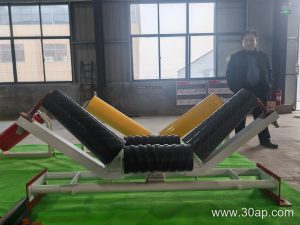
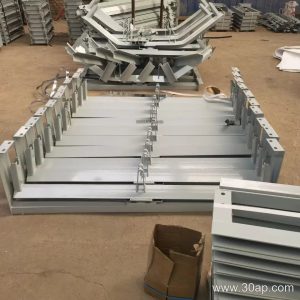
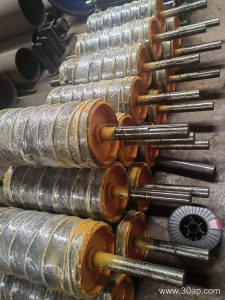
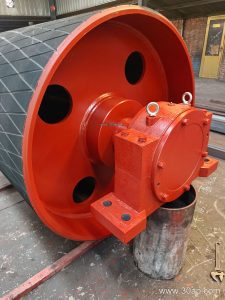
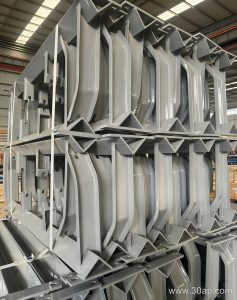
Because the belt works near water, corrosion protection for the conveyor pulley, idler roller, and conveyor bracket is as important as the belt itself. The belt is only one part of a system that includes the drive pulley, tail pulley, and bend pulleys, each with a distinct role. These pulley types are not interchangeable, and the belt tension and tracking behavior depend on how they are arranged.
Buyer Checklist
Before ordering, confirm the material type, lump size, bulk density, moisture, and whether the cargo is oily, hot, or dusty. Check the conveyor geometry: boom length, incline angle, loading point, and discharge chute. Ask for the required belt width, carcass grade, and cover thickness rather than assuming a standard. For coal or grain, request flame retardant and anti-static properties. For cold climates, a cold resistant conveyor belt may be needed. For hot clinker or sinter, a heat resistant conveyor belt is the relevant choice.
Also review the splice method, since an endless conveyor belt splice must be strong enough for the starting tension. Confirm that the idler roller spacing and conveyor pulley diameters suit the selected belt, and that the conveyor bracket supports align with the boom structure. A ship loading conveyor belt that is correctly matched to its pulleys, idlers, and loading chute will track better, last longer, and reduce spillage at the ship.