What a Construction Industry Conveyor Belt Has to Handle
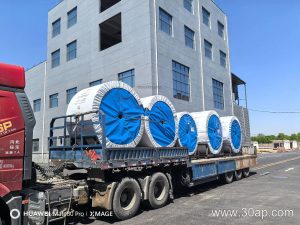
A construction industry conveyor belt is the moving working surface of a bulk material handling line, and on a construction site it rarely enjoys gentle conditions. It may carry crushed stone from a crusher, sand and gravel from a wash plant, cement clinker, recycled demolition debris, or hot asphalt components. Dust, sharp edges, impact from large lumps, and long shifts are normal. That is why the belt body, the cover rubber, and the carcass must be chosen as a system rather than as a single generic item. A belt that performs well in a clean, light-duty line can fail quickly under a steady stream of angular rock.
The term covers a family of products rather than one recipe. The same conveying duty may be met by an EP conveyor belt, an NN conveyor belt, a steel cord conveyor belt, or a PVC/PVG belt, depending on tension, fire rules, and the material being moved. Each has a different carcass and therefore a different behavior on the same conveyor structure.
How the Belt Is Built
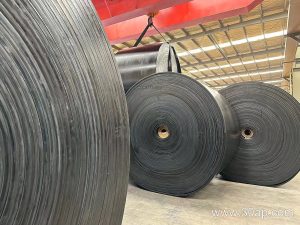
Most construction belts are layered composites. The carcass carries the tension, and the cover rubber protects the carcass from abrasion, impact, heat, oil, or fire. Fabric cores are built from multiple plies; steel cord belts use parallel steel cables instead of fabric plies when very high tension and long center distances are involved.
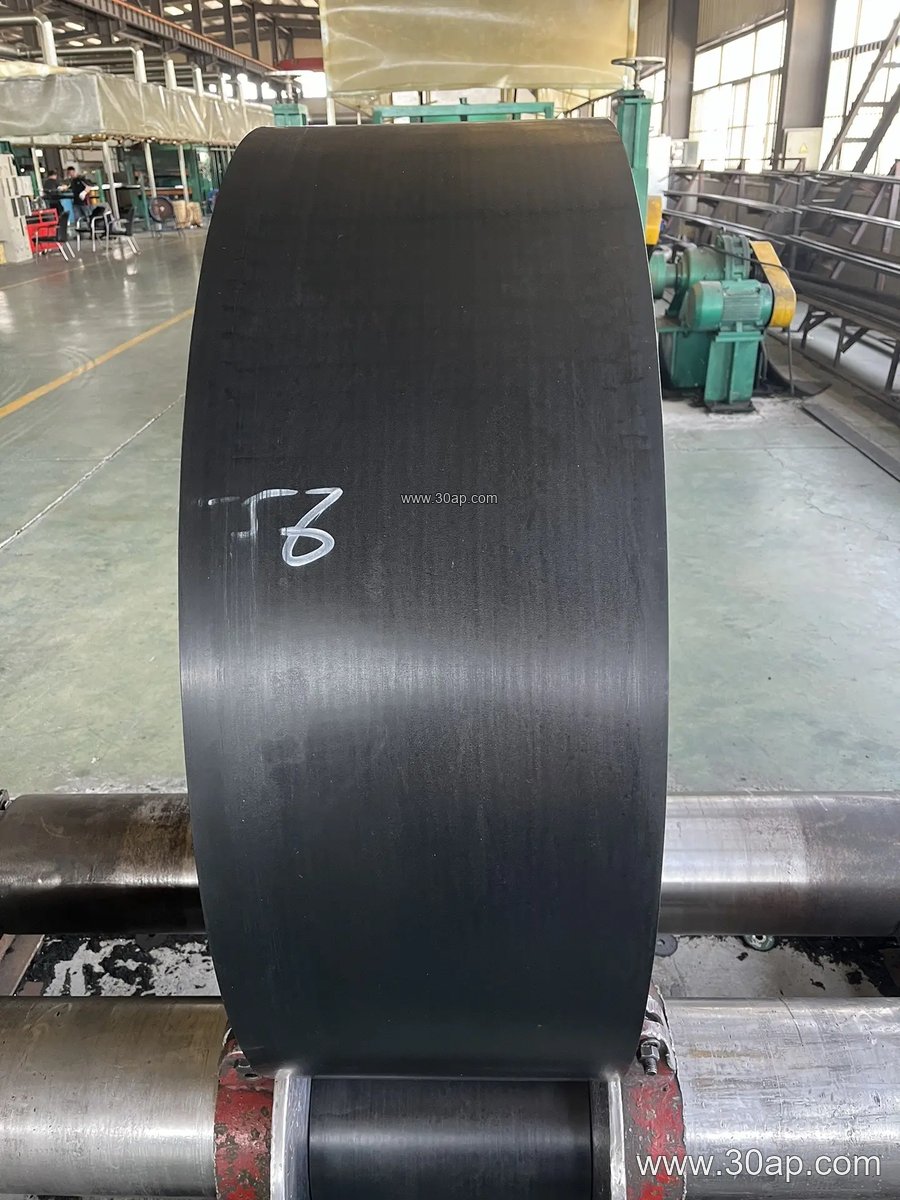
- Carcass: EP fabric (polyester warp, nylon weft), NN fabric (nylon warp and weft), or steel cord. Ply counts commonly range from 2 to 6 in fabric constructions.
- Cover rubber: top and bottom covers selected for abrasion, heat, oil, flame resistance, or cold. Common thickness combinations include 3+1.5, 4+2, 5+2, 6+2 and 8+3 mm.
- Edges and splices: cut edges or molded edges, with vulcanized or mechanical joints depending on the line and the belt type.
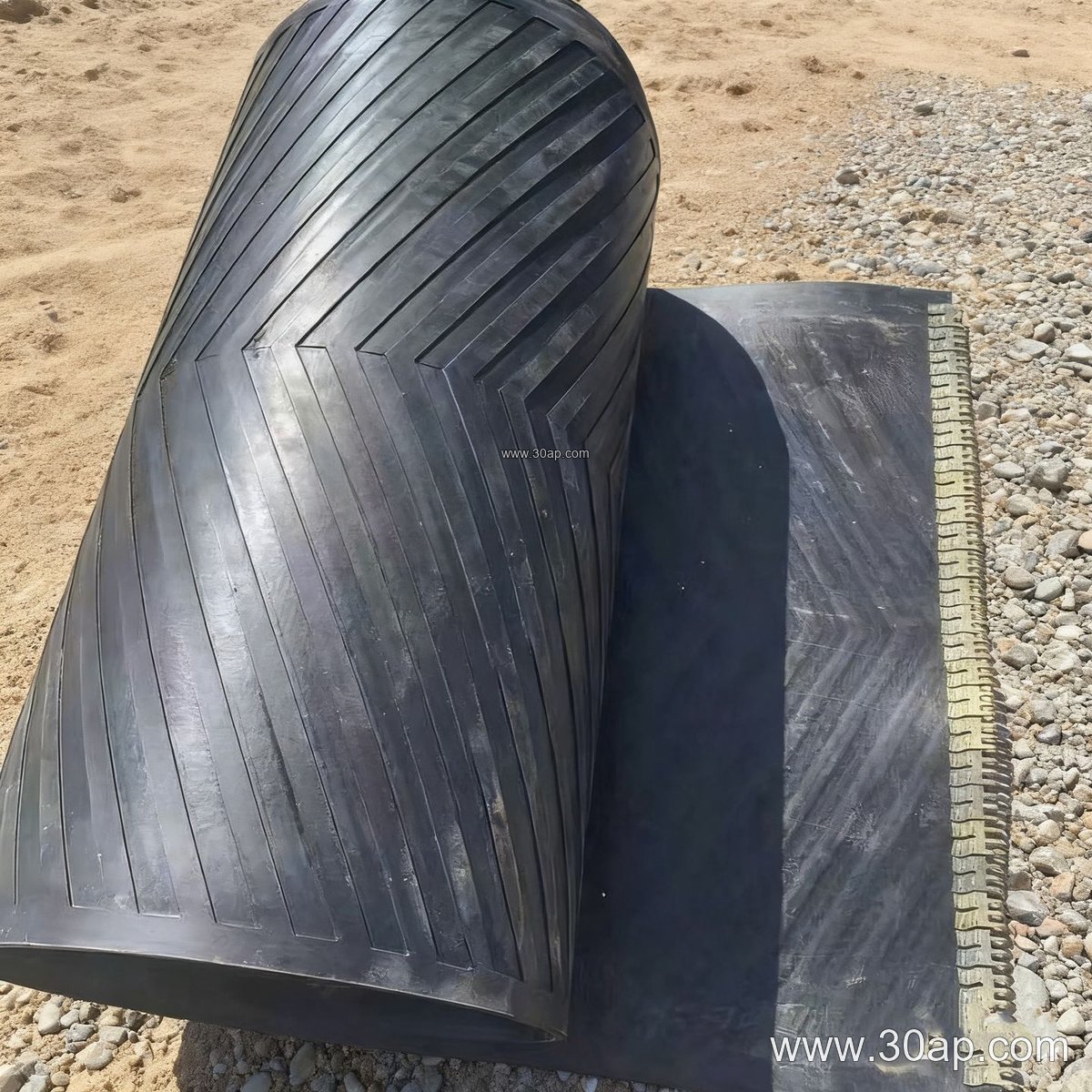
Surface forms change the way material behaves on the incline. A chevron conveyor belt uses raised ribs to hold material on a slope, while a corrugated sidewall belt with cleats allows steeper conveying and contains the load. These are different products from a plain flat belt and should not be treated as interchangeable.
Typical Construction Site Duties
In a quarry or aggregate plant, a quarry conveyor belt or aggregate conveyor belt moves blasted rock and screened stone between crushers and stockpiles. At a cement plant, the same conveying principle handles limestone, clinker, and cement, often with heat resistant conveyor belt grades near kiln areas. Power plants and steel plants move coal, coke, and slag, where a flame retardant conveyor belt or fire resistant conveyor belt may be required by the site’s safety rules. Sand making and stone crushing lines rely on abrasion resistant conveyor belt covers because the material is sharp and abrasive.
Tunneling and underground work add another dimension: an underground coal mining conveyor belt usually needs flame resistance and anti-static properties, and PVG or PVC constructions are common in such environments. Recycling yards use belts that tolerate mixed debris, including metal fragments and broken concrete. Ports and ship loading terminals use wide, high-strength belts for fast throughput.
Common Reference Specifications
The values below are typical reference points, not fixed rules. Actual selection depends on the conveyor design, the material, the loading pattern, and the environment.
| Parameter | Typical reference values |
|---|---|
| Fabric belt strength grades | EP200, EP315, EP400, EP500, EP630, EP800, EP1000, EP1250, EP1600, EP2000; NN100 to NN400 |
| Steel cord grades | ST1000, ST1250, ST1600, ST2000, ST2500, ST3150 |
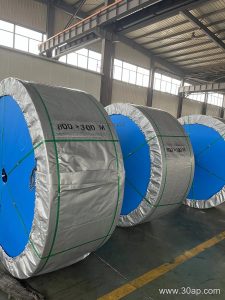
| Belt width | B500, B650, B800, B1000, B1200, B1400, B1600, B1800, B2000 (also written as 500mm, 800mm, 1200mm, 1800mm, 2000mm and so on) |
| Cover thickness | 3+1.5, 4+2, 5+2, 6+2, 8+3 mm |
| Fabric plies | 2 to 6 plies, depending on grade and duty |
Belt width and pulley diameter are matched by the conveyor designer, not by a single universal table. A wider belt does not automatically dictate one specific pulley size, and shaft diameter must be calculated from the actual load case.
Selection Points for Buyers
Start with the material: lump size, temperature, moisture, oil content, and abrasiveness. Then confirm the maximum tension and the center distance, which decide whether a fabric core or a steel cord construction is appropriate. Check the site’s fire and static rules early, because a flame retardant conveyor belt or anti-static belt may be mandatory in coal handling and enclosed spaces.
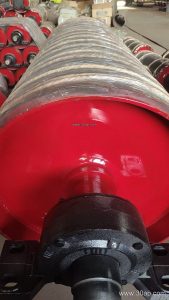
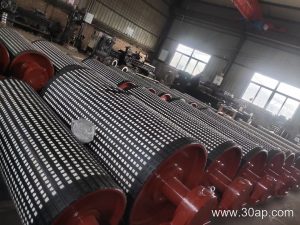
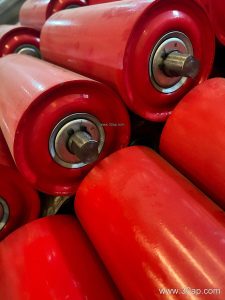
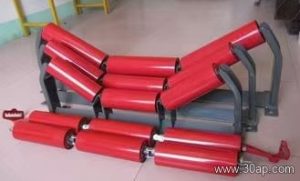
Look at the complete conveyor, not only the belt. Idler roller condition, conveyor pulley alignment, and conveyor bracket rigidity affect belt tracking and splice life. A poorly aligned tail pulley or a seized idler roller can damage a new belt within days. Ask for the cover grade, ply count, and splice method in writing, and confirm that the belt width suits the existing structure before ordering. For very abrasive rock, a high abrasion resistant conveyor belt grade is usually worth the cost; for hot material, a heat resistant conveyor belt is the right starting point rather than a standard cover.
Finally, keep spare belt sections and a splice kit matched to the installed belt type. In a busy quarry or cement plant, a short stoppage on the main line can idle the whole plant, and having the correct belt on hand shortens that downtime considerably.