What a Belt Conveyor Pulley Does on the Line
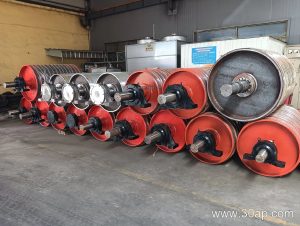
In a quarry or a limestone mine, the belt conveyor pulley is the component that transfers motion to the conveyor belt and keeps it tracking under load. It is not simply a rotating cylinder; it is a engineered assembly that must handle tension, abrasion, and the constant pull of bulk material. The same product is often called a conveyor pulley, and the two terms refer to the same item. A drive pulley at the head end grips the belt and pulls it forward, while a tail pulley at the loading point redirects it. Bend pulleys and take-up pulleys manage tension and change direction at other points. These are distinct positions with different duties, so they are not interchangeable in either design or maintenance planning.
Construction and Surface Options
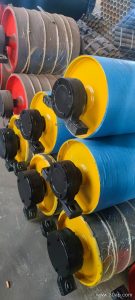
A typical belt conveyor pulley starts with a steel drum shell, welded to end discs and a shaft. The shaft diameter is usually determined by torque and load, with common sizes including Ø50, Ø80, Ø120, Ø160, and Ø200 mm, though the final size depends on the drive design. The shell face width is normally wider than the belt to allow for misalignment; for example, a B800 belt often runs on a pulley with a face around 950 mm, and a B1200 belt may use a face near 1400 mm. Diameters range from Ø200 for small units up to Ø1800 for heavy-duty head pulleys, and combinations such as B1200 × Ø1000 or B1400 × Ø800 are common in aggregate and cement plants.
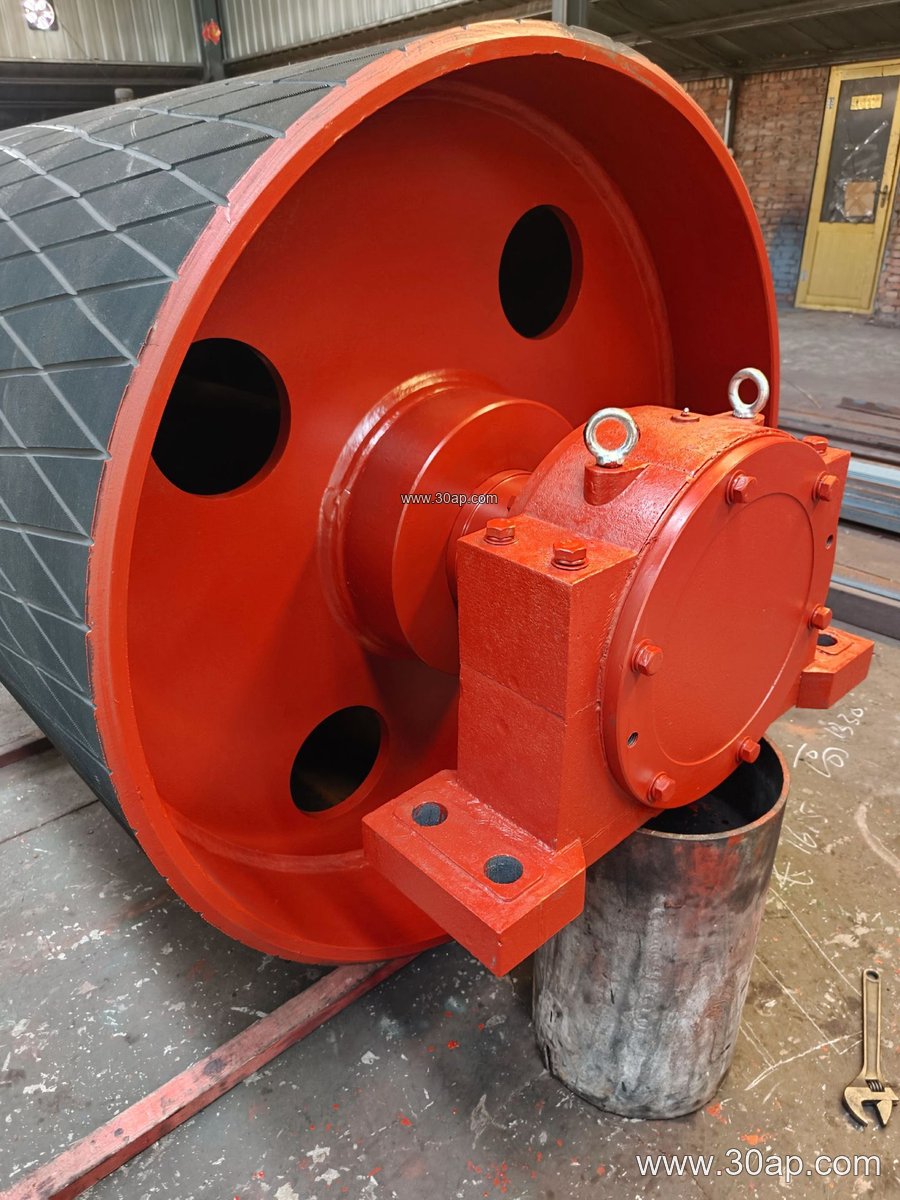
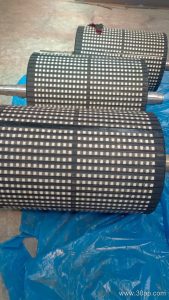
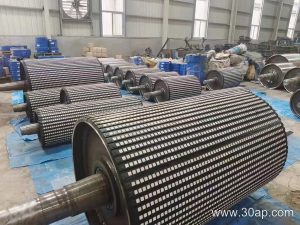
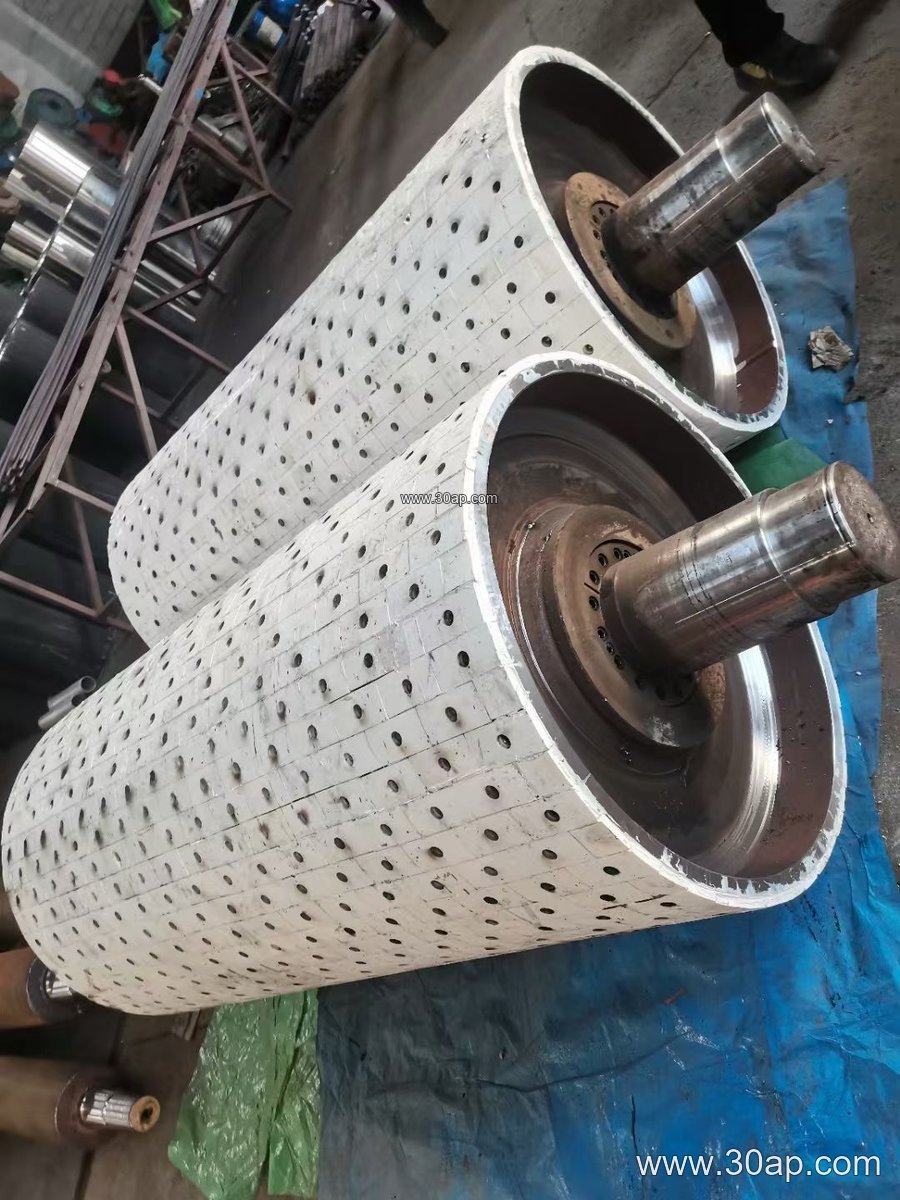
Surface treatment matters for grip and wear life. Plain steel is used in some non-drive positions, but drive pulleys frequently carry rubber lagging applied by hot vulcanization, cold bonding, or casting. Diamond and herringbone patterns improve traction and shed water, while ceramic lagging is chosen for high-abrasion service. Lagging thickness commonly falls between 8 mm and 20 mm. The right choice depends on the conveyor belt type and the material being handled, not on a single fixed rule.
Where It Fits in Different Industries
In a coal mining or underground mining operation, flame retardant and anti-static properties are critical for the belt, and the pulley must be matched to the belt’s tension and tracking behavior. A coal mining conveyor belt with a steel cord or fabric core needs a pulley that can handle the load without slipping. In a cement plant, heat resistant conveyor belts carrying clinker demand pulleys that tolerate elevated temperatures and abrasive dust. Aggregate and sand making plants often rely on abrasion resistant conveyor belts, and the head pulley’s lagging is chosen to resist the constant scrubbing of stone.
At a power plant or port terminal, long overland conveyors use larger pulleys with wide faces to match belts from 1000 mm to 2000 mm. A pipe conveyor belt or a corrugated sidewall conveyor belt may require special pulley profiles, but the basic function of the belt conveyor pulley remains unchanged. In a crusher conveyor belt circuit, the tail pulley sees impact and fines, so its bearing seals and lagging should be selected accordingly.
Selection and Maintenance Tips for Buyers
Buyers should start with the belt width and the required tension, then confirm shaft size from the drive torque rather than assuming a fixed ratio. A B650 belt does not automatically dictate a specific shaft diameter; the load and pulley position do. When specifying a belt conveyor pulley, state the application, belt type, ambient conditions, and whether lagging is needed. For a mining conveyor belt with heavy loads, a larger diameter and thicker lagging may extend service life. For a food grade conveyor belt or a cold resistant conveyor belt, choose a pulley finish that matches the environment.
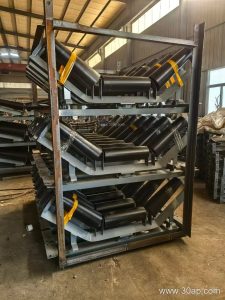
Maintenance focuses on bearing condition, lagging wear, and alignment. Check that the pulley remains square to the conveyor frame and that the conveyor bracket and idler roller set are in good order. Worn lagging reduces grip and can cause belt slip, while a misaligned pulley leads to edge damage. Keep spare lagging sheets and bearings on hand for critical circuits. A well-chosen belt conveyor pulley, matched to the conveyor belt and the duty of the plant, is a reliable investment for any bulk material handling system.