What a Cast-Welded Pulley Is
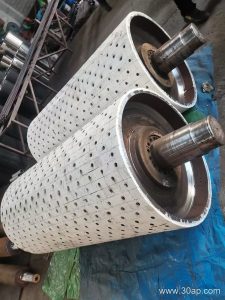
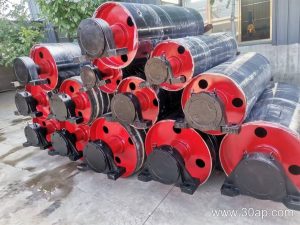
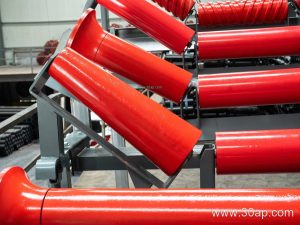
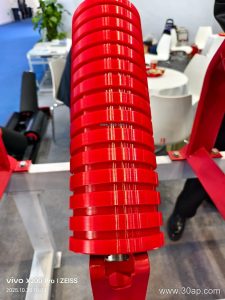
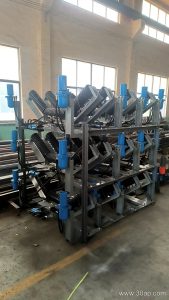
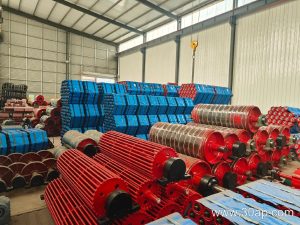
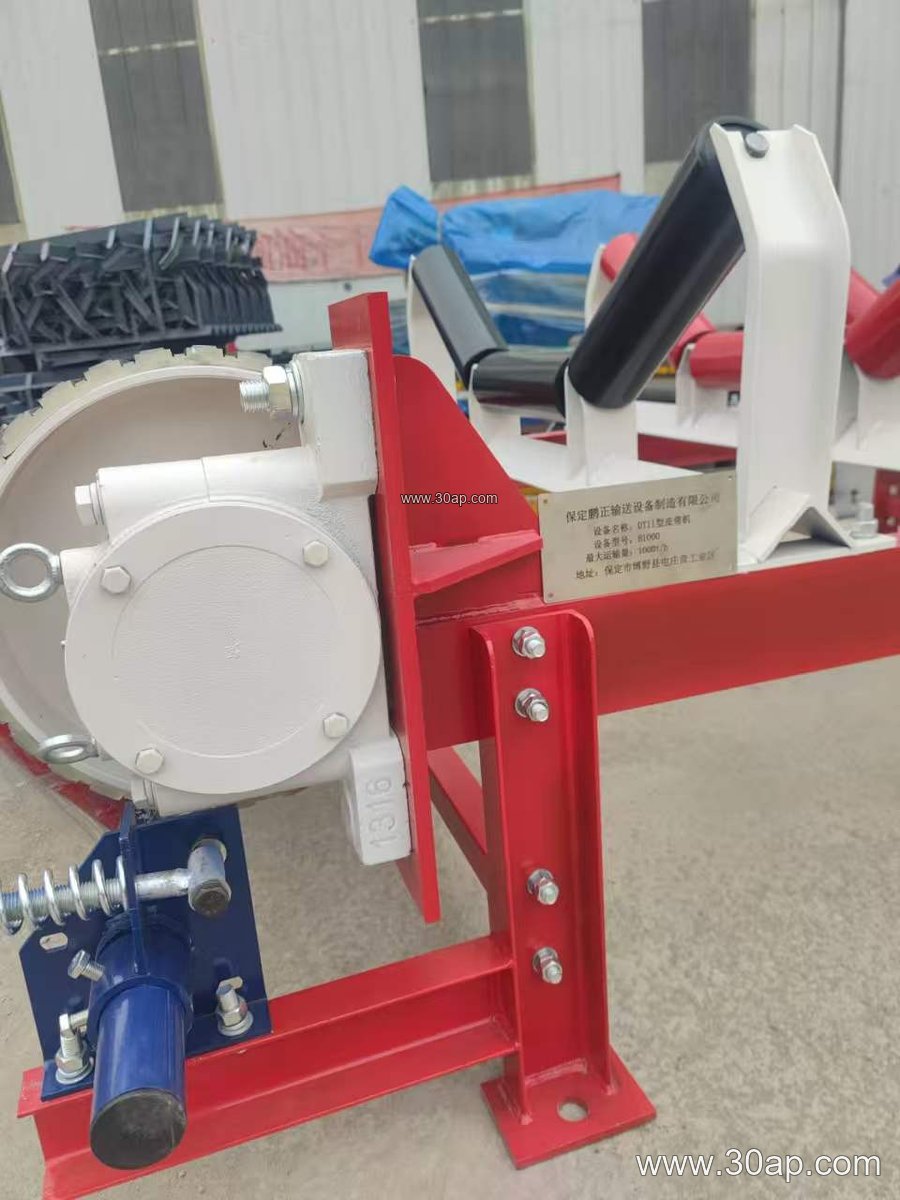
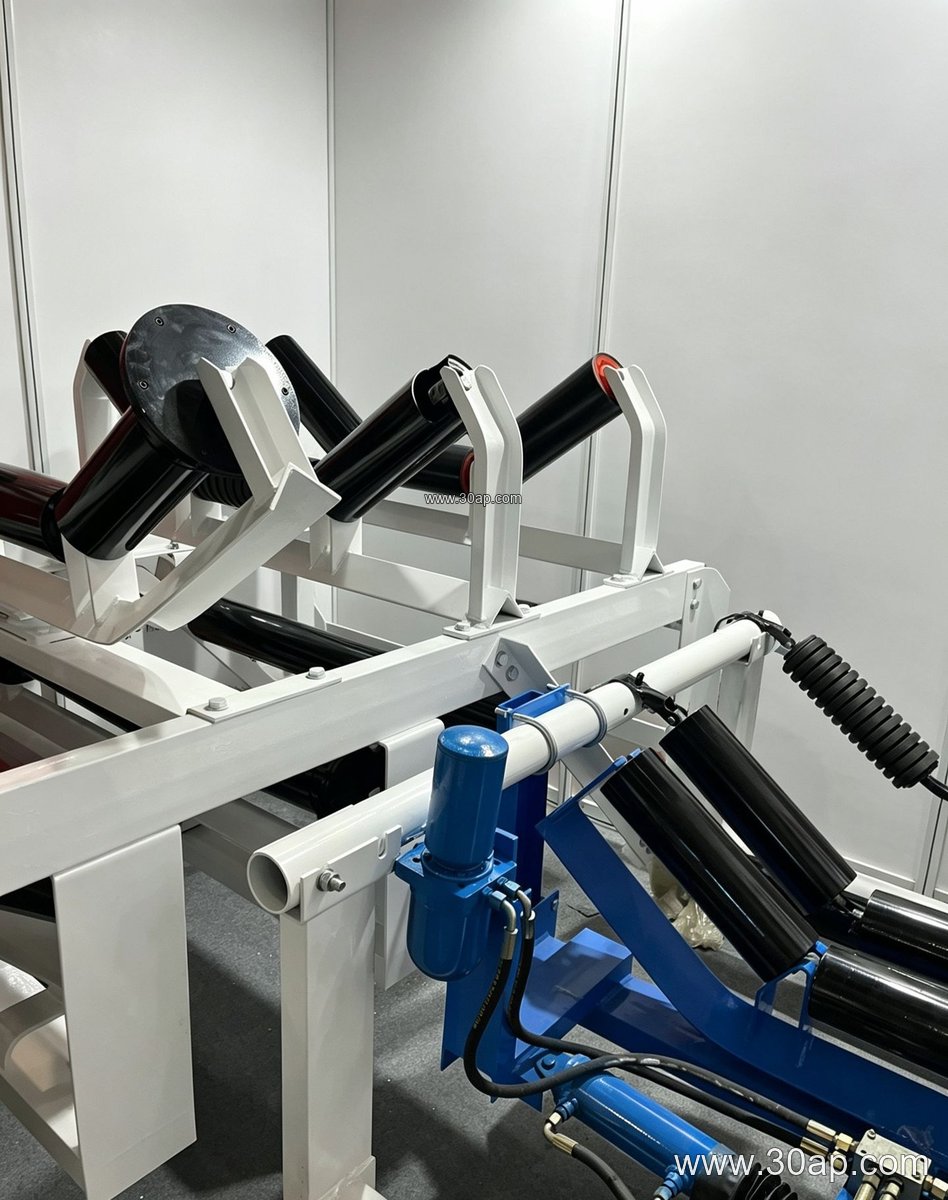
A cast-welded pulley is a conveyor pulley whose shell is produced by casting, then joined to a welded hub and shaft assembly. The casting gives the drum a consistent wall section and a smooth running face, while welding lets the manufacturer attach end discs, hubs and shaft connections with the flexibility of a fabricated structure. In a belt conveyor, this pulley carries the conveyor belt, transmits drive torque or redirects belt travel, and works alongside the idler roller, conveyor bracket and frame to keep the line tracking correctly.
The name describes the manufacturing route rather than a single duty. A cast-welded pulley can serve as a drive pulley, tail pulley, bend pulley or tension pulley, and each position places different demands on the shell, lagging and shaft.
How the Pulley Is Built
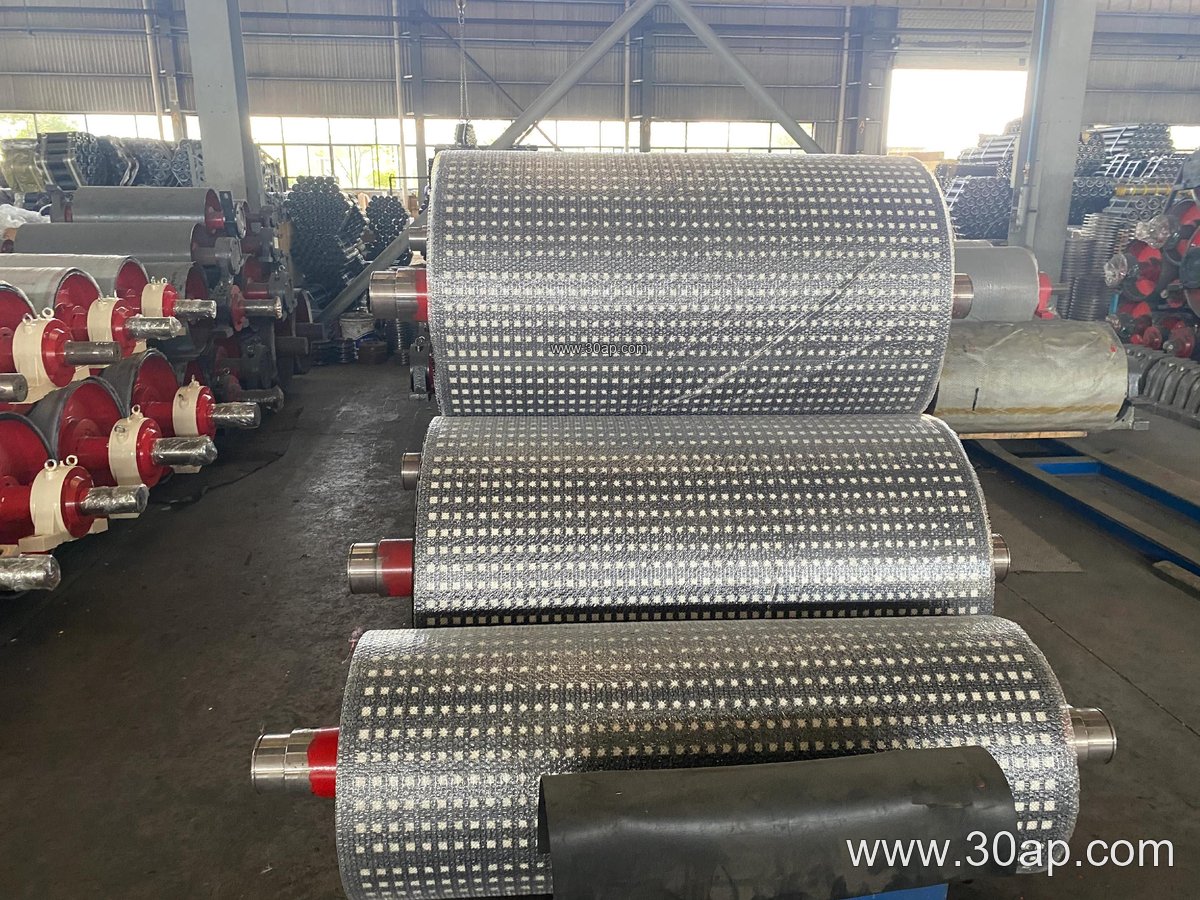
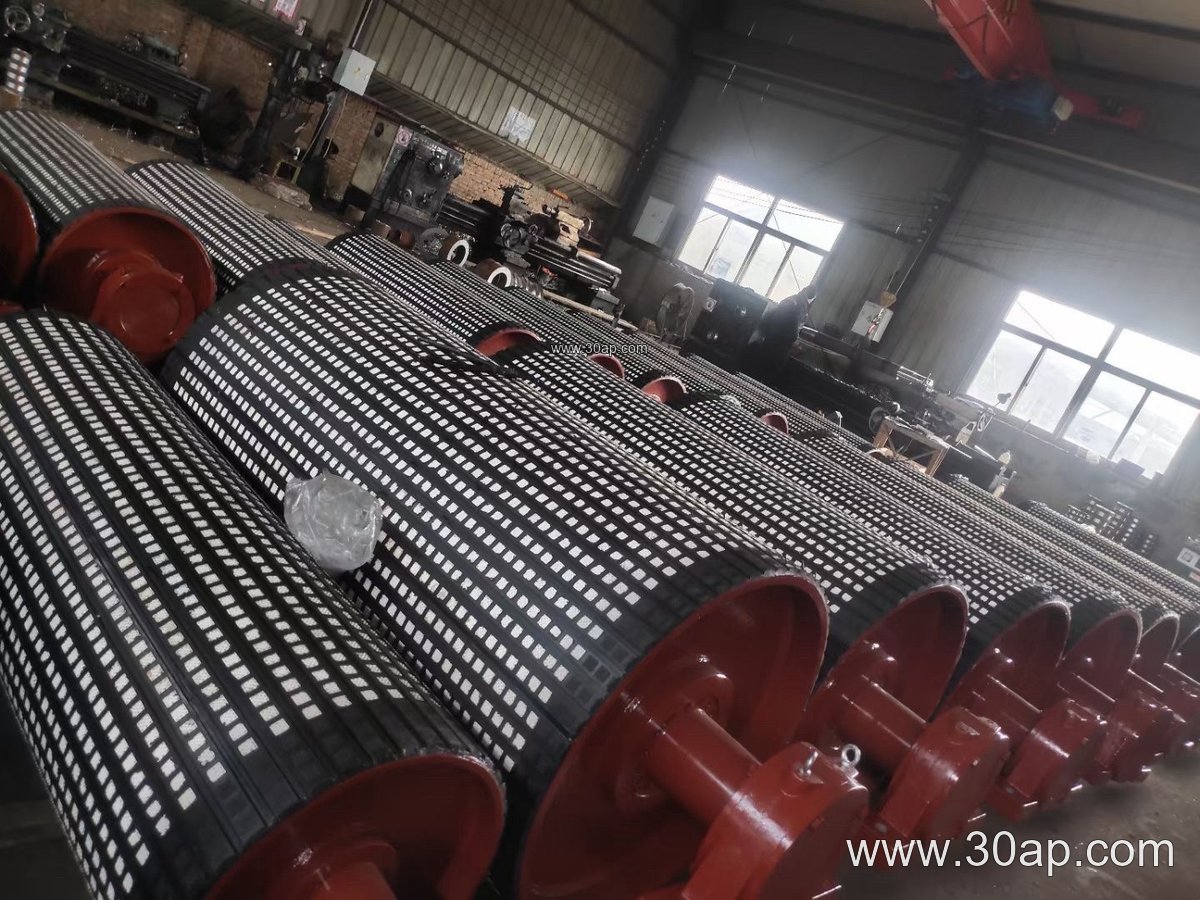
Production usually starts with a cast shell, often of cast steel or a suitable iron grade selected for the duty. End discs are welded to the shell, and the hub is joined to the disc assembly. The shaft is then fitted, usually by shrink fitting or keyed connection, and the whole unit is machined so the running surface is concentric with the shaft. Dynamic balancing follows, which matters on high-speed lines and on wide drums.
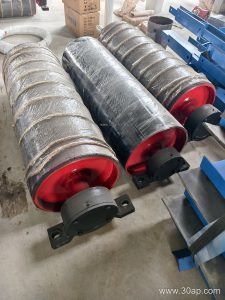
Surface treatment is chosen for grip and wear. Plain faces suit light duties and reversing arrangements where a clean surface is preferred. Cast rubber, cold-bonded rubber, hot-vulcanized rubber, diamond lagging, herringbone lagging and ceramic lagging are common alternatives. Lagging thickness is frequently 8, 10, 12, 15 or 20 mm, selected according to belt tension, abrasion and slip risk. A cast-welded pulley used with an abrasion resistant conveyor belt in a quarry or aggregate conveyor belt line may need thicker lagging than a clean, low-tension application.
Where It Fits in the Conveyor
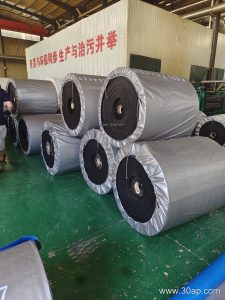
In a crushing and screening circuit, the drive pulley pulls a heavy-duty conveyor belt loaded with rock, while the tail pulley returns the belt after discharge. In a coal preparation plant or underground coal mining conveyor belt system, flame retardant conveyor belt and anti-static conveyor belt grades are often specified, and the pulley lagging must be compatible with that environment. Power plant coal handling and port bulk terminals use large drums on long flights, where a steel cord conveyor belt may run at high tension. Cement plants handling clinker, and fertilizer or grain silo operations handling less abrasive bulk, each set their own priorities for shell wear and surface grip.
Position matters. A head or discharge pulley sees the full belt tension and must shed material cleanly. A bend pulley changes direction with moderate load, and a tension pulley works with the take-up to hold belt sag within limits. These are different duties, so a bend pulley should not be treated as a substitute for a drive pulley in the same drive arrangement.
Common Size Reference
The table below shows typical combinations seen in catalogues and project designs. Values are reference data, not fixed rules; final dimensions follow torque, belt tension, shaft load and the conveyor layout.
- Belt width B400 with shell face about 500 mm
- Belt width B500 with shell face about 600 mm
- Belt width B650 with shell face about 750 mm
- Belt width B800 with shell face about 950 mm
- Belt width B1000 with shell face about 1150 mm
- Belt width B1200 with shell face about 1400 mm
- Belt width B1400 with shell face about 1600 mm
- Belt width B1600 with shell face about 1800 mm
- Belt width B1800 with shell face about 2000 mm
Diameter options commonly include Ø200, Ø250, Ø315, Ø400, Ø500, Ø630, Ø800, Ø1000, Ø1250 and larger sizes such as Ø1400 and Ø1600 on heavy drives. Shaft diameters are usually Ø50 to Ø200 depending on the calculated torque. A B800 × Ø500 drum and a B1200 × Ø1000 drum are both plausible, but the pairing is decided by engineering calculation rather than by belt width alone.
What Buyers Should Check
Ask for the duty position first, then the belt width, belt tension and required lagging. Confirm the shaft diameter and keyway against the drive or bearing housing, and check that the shell face is wider than the belt to allow for mistracking. On long overland or underground mining conveyor belt installations, balance grade and bearing selection deserve attention. Where the belt carries hot material, heat resistant conveyor belt grades and heat-tolerant lagging should be discussed together. For oily or chemical service, oil resistant conveyor belt and acid resistant conveyor belt choices affect how the pulley surface should be prepared.
A cast-welded pulley is a long-life component when the casting quality, weld procedure and machining tolerances are controlled. Buyers should request dimensional drawings, material reports and lagging details, and should verify that the pulley matches the conveyor bracket and bearing assembly before installation.