What a Carrying Trough Idler Does on the Load Side
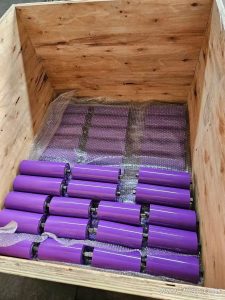
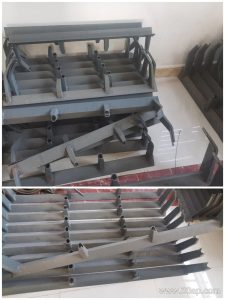
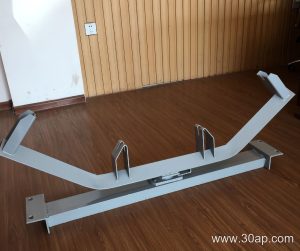
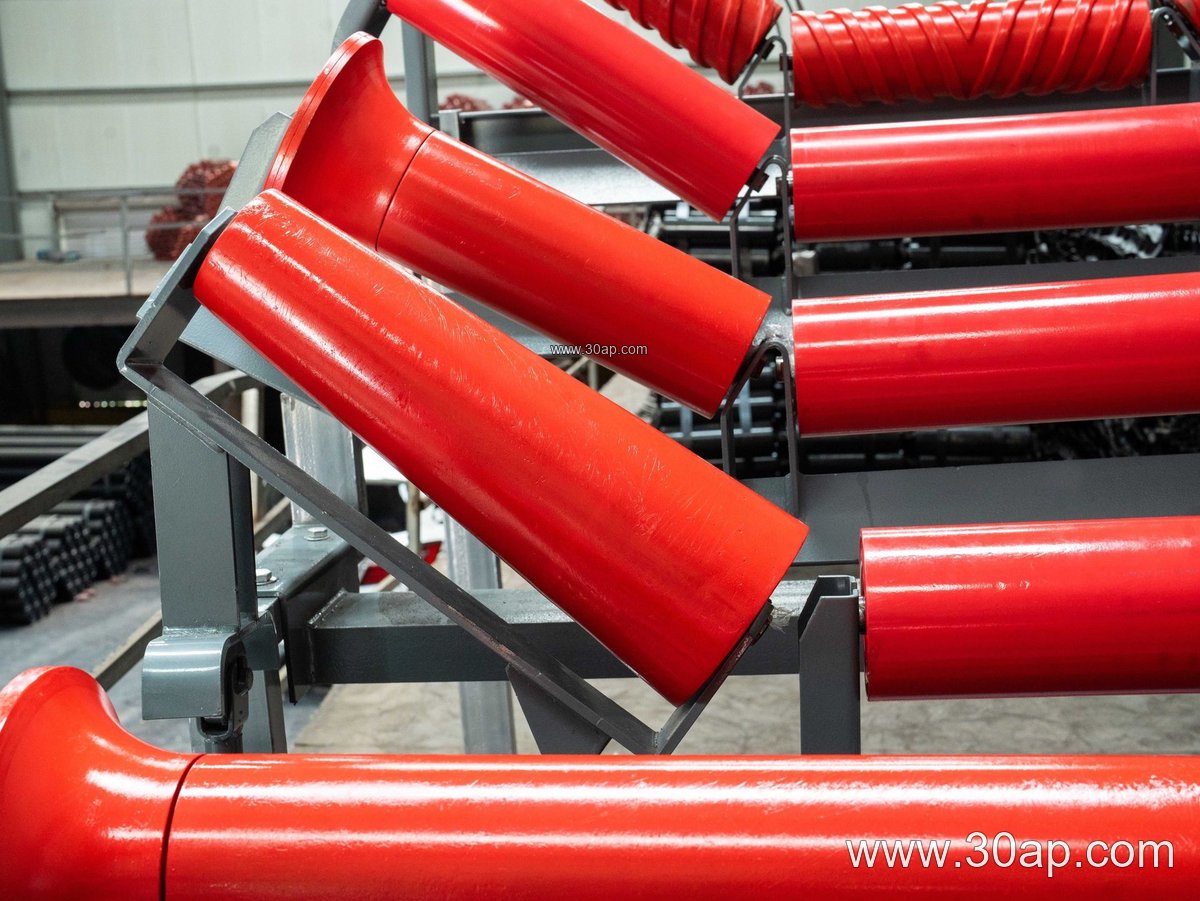
The carrying trough idler is the group of rollers that supports the loaded run of a conveyor belt and shapes it into a trough. On a three-roll arrangement, the two side rollers are inclined while the centre roller sits lower, so bulk material sits deeper and spills less. This is the working face of the conveyor, the part that takes the weight of rock, clinker, coal or aggregate hour after hour. In a quarry or a sand and gravel line, a well-matched trough set keeps the belt tracking and reduces spillage at transfer points. The same component is often called a troughing idler or load-carrying idler, and that is the exact product discussed here.
How the Trough Set Is Built
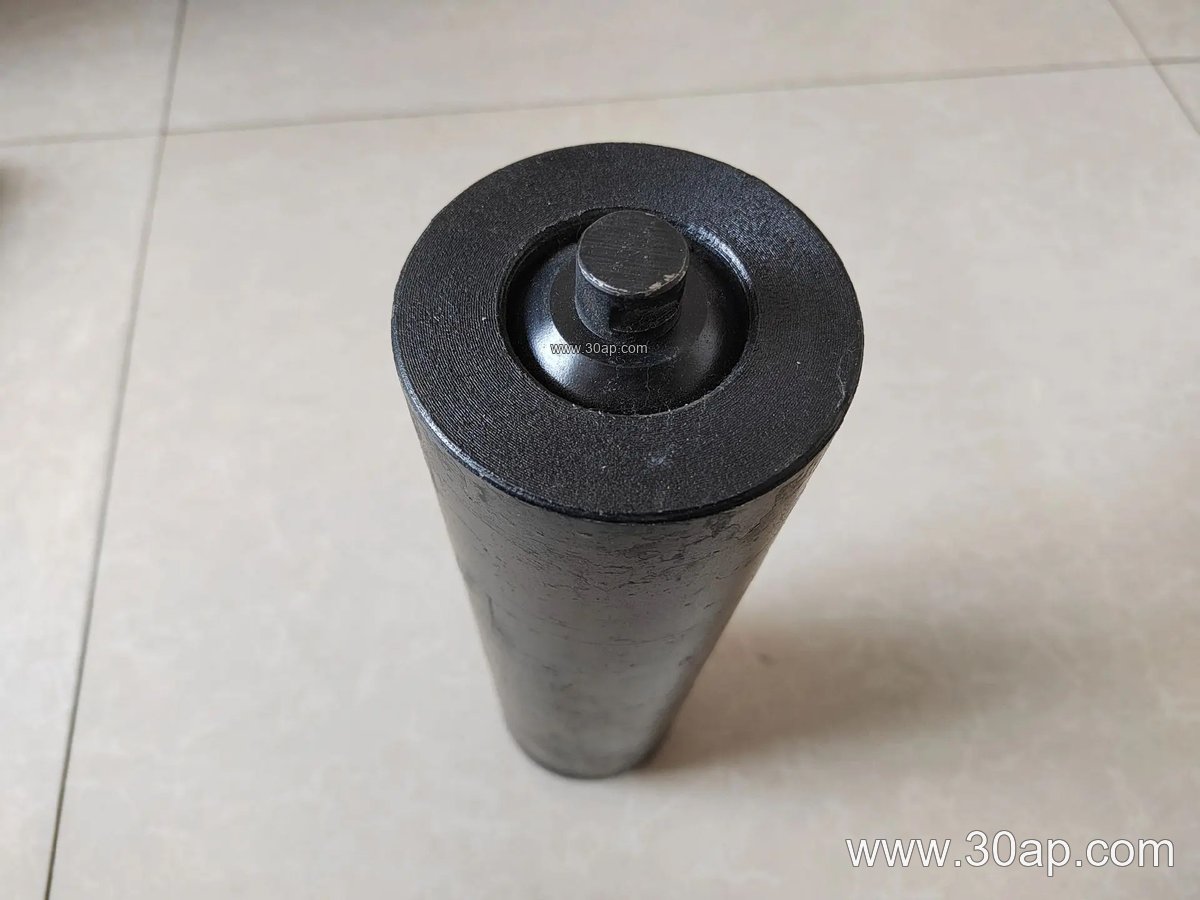
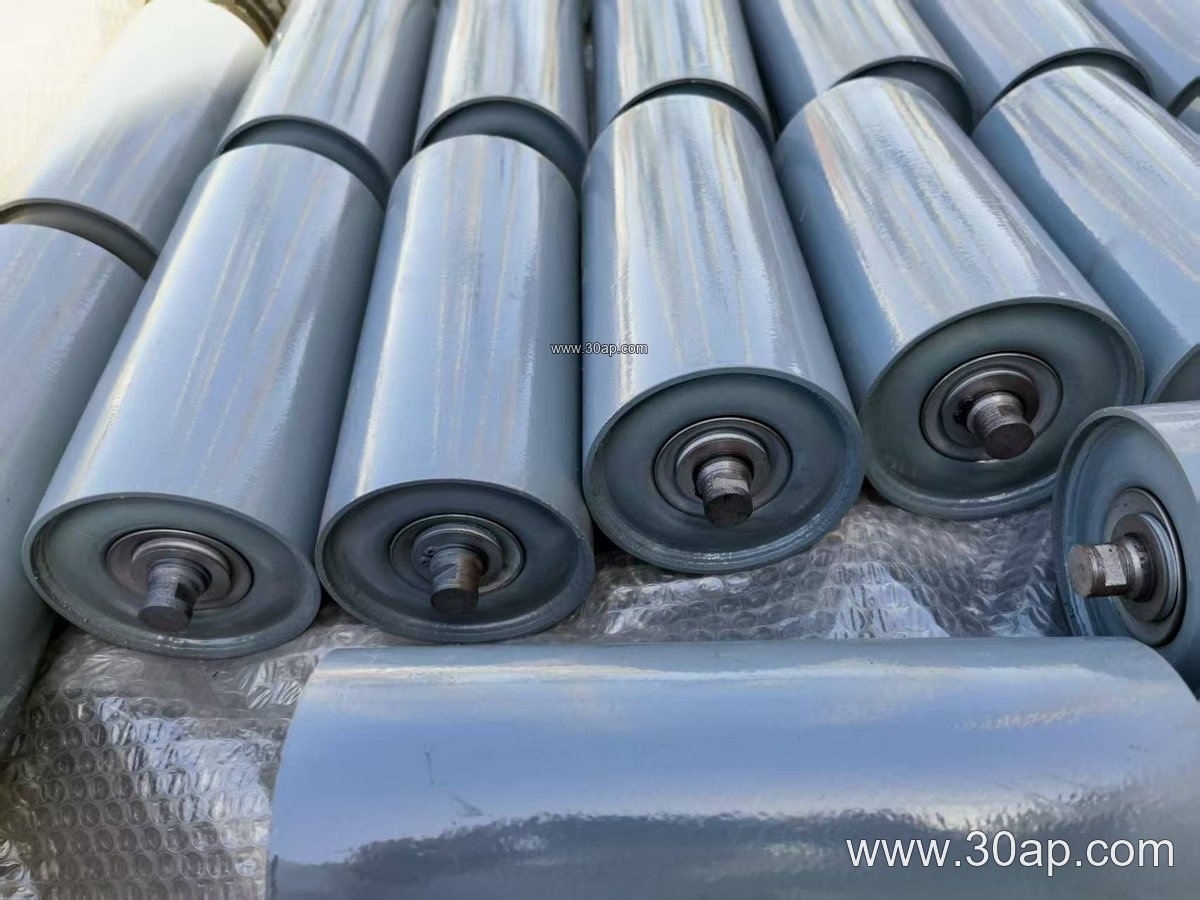
A typical station consists of a steel frame, two or three idler rollers, shaft ends and bearing housings. Roller shells are commonly steel tube, with nylon, ceramic or rubber rings offered for particular duties. Seals matter as much as the shell, because dust from crushing and screening quickly ruins a poor bearing cavity. Common bearing sizes include 6204, 6205, 6305, 6306, 6308 and 6310, matched to load and speed rather than to belt width alone. Trough angles are usually 20, 30, 35 or 45 degrees, and a small forward tilt of about 1.5 to 2 degrees is sometimes used to help centring. The roller length changes with belt width, trough angle and frame type; for a three-roll set, common centre-roll lengths run from about 200 mm at B500 up to roughly 750 mm at B2000, while side rollers may differ.
Where It Fits in the Plant
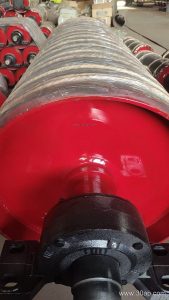
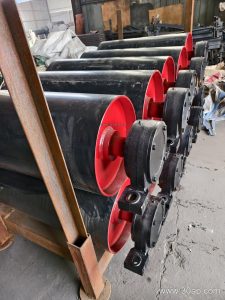
These idlers appear wherever a belt carries material uphill or along a gallery. In a coal preparation plant or a power station coal yard, they support the loaded strand on the main incline. In a cement plant they carry limestone and clinker, and in a copper or iron ore concentrator they handle abrasive ore. The load side is not the only place to think about: a bend pulley or a drive pulley turns the belt, while the carrying trough idler only supports it. Those pulleys are different components and are not interchangeable with trough sets. Downstream, a return idler supports the empty strand, and a transition idler eases the belt from flat to troughed near a conveyor pulley.
Matching the Idler to the Belt and the Duty
Selection starts with belt width and the conveyor layout, not with a single catalogue number. The table below gives common reference values; actual roller length and frame dimensions are set by the conveyor designer.
| Belt width | Common centre-roll length (three-roll trough set) | Typical trough angle |
|---|---|---|
| B500 | about 200 mm | 20–35 degrees |
| B650 | about 250 mm | 20–35 degrees |
| B800 | about 315 mm | 30–35 degrees |
| B1000 | about 380 mm | 30–35 degrees |
| B1200 | about 465 mm | 30–35 degrees |
| B1400 | about 530 mm | 30–35 degrees |
| B1600 | about 600 mm | 35–45 degrees |
| B1800 | about 670 mm | 35–45 degrees |
| B2000 | about 750 mm | 35–45 degrees |
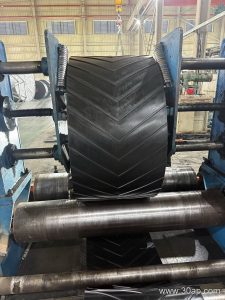
Roller diameters commonly range from Ø63 and Ø76 for light belts up to Ø159, Ø178, Ø194 and Ø219 for heavy-duty mining conveyors. A wider belt does not automatically dictate one pulley diameter, and shaft size should be confirmed from the load calculation. For abrasive ore or stone, a high abrasion resistant conveyor belt paired with rugged rollers is a sensible combination. In a coal mine, a flame retardant conveyor belt is often specified alongside sealed idlers. Where fine material is loaded, a rubber-ring impact idler may be used at the feed point, but that is a different subtype from the standard trough set.
Buyer Checklist Before Ordering
- Confirm belt width, trough angle and the number of rolls per set.
- State the material: coal, clinker, ore or aggregate, and whether it is wet or sticky.
- Check the roller diameter and bearing size against the actual load and speed.
- Ask about seal type and shell material for dusty or corrosive conditions.
- Verify frame dimensions and the conveyor bracket interface with the existing structure.
- Keep spare rollers and frames consistent across the line to simplify maintenance.
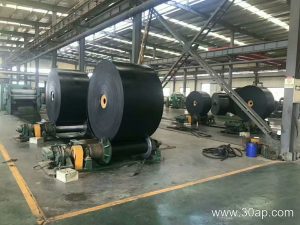
On a coal mining conveyor belt or an aggregate conveyor belt, misaligned or worn trough idlers show up as edge wear and spillage. Periodic inspection of roller rotation, seal condition and frame alignment prevents small faults from damaging an expensive rubber conveyor belt. For plants handling hot clinker, heat resistant conveyor belt grades and heat-tolerant idlers should be reviewed together. Where oil or chemicals are present, an oil resistant conveyor belt may be needed, and the idler seals should suit the same environment. A pipe conveyor belt or a corrugated sidewall conveyor belt uses different support arrangements, so the trough set must be specified for the actual belt type rather than assumed.
Installation and Care
Set the frames square to the belt centreline and at equal height so the belt sits evenly in the trough. Check that side rollers turn freely and that no roller touches the belt edge. After the first weeks of operation, recheck alignment and bolt tightness, especially on drives subject to vibration. Replacing a single damaged roller is normal maintenance, but repeated failures in one spot usually point to a loading problem or a worn conveyor pulley nearby. Keeping a small stock of common roller sizes and bearing types reduces downtime in a busy quarry or port terminal.