What a Ø133 Conveyor Idler Set Is
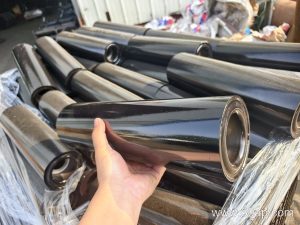
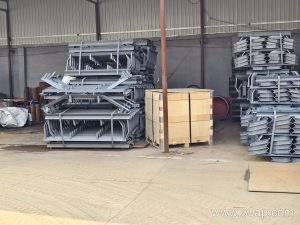
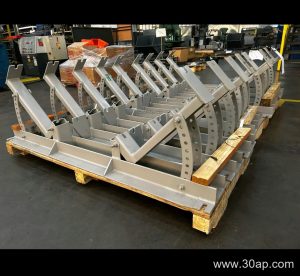
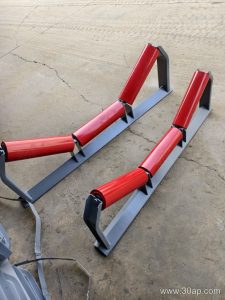
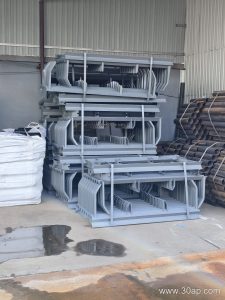
A Ø133 conveyor idler set is a group of 133 mm diameter rollers mounted in a frame to support the carrying or return side of a conveyor belt. In many plants the set is supplied as a complete assembly with rollers, shaft, bearings, seals and mounting brackets, so maintenance crews can replace a worn station as one unit rather than rebuilding it piece by piece. The size is common on medium to wide belts where the load is heavy and the belt needs steady support over long distances.
Because the roller diameter is fixed at 133 mm, the set is often chosen when a larger bearing and thicker roller shell are wanted without going to a very large diameter. The result is a robust idler roller that handles lumpy material and continuous duty in quarry, cement and bulk handling circuits.
How the Set Is Built
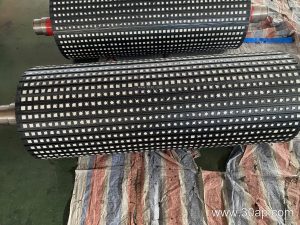
A typical assembly includes three troughing rollers, a steel frame, a through shaft and sealed bearing housings. The roller shell is usually steel tube, with nylon, ceramic or rubber ring surfaces available when abrasion or material build-up is a concern. Seals are the quiet workhorses of the design: a good labyrinth or contact seal keeps dust and water away from the bearing, which is what separates a long-life roller from one that seizes early.
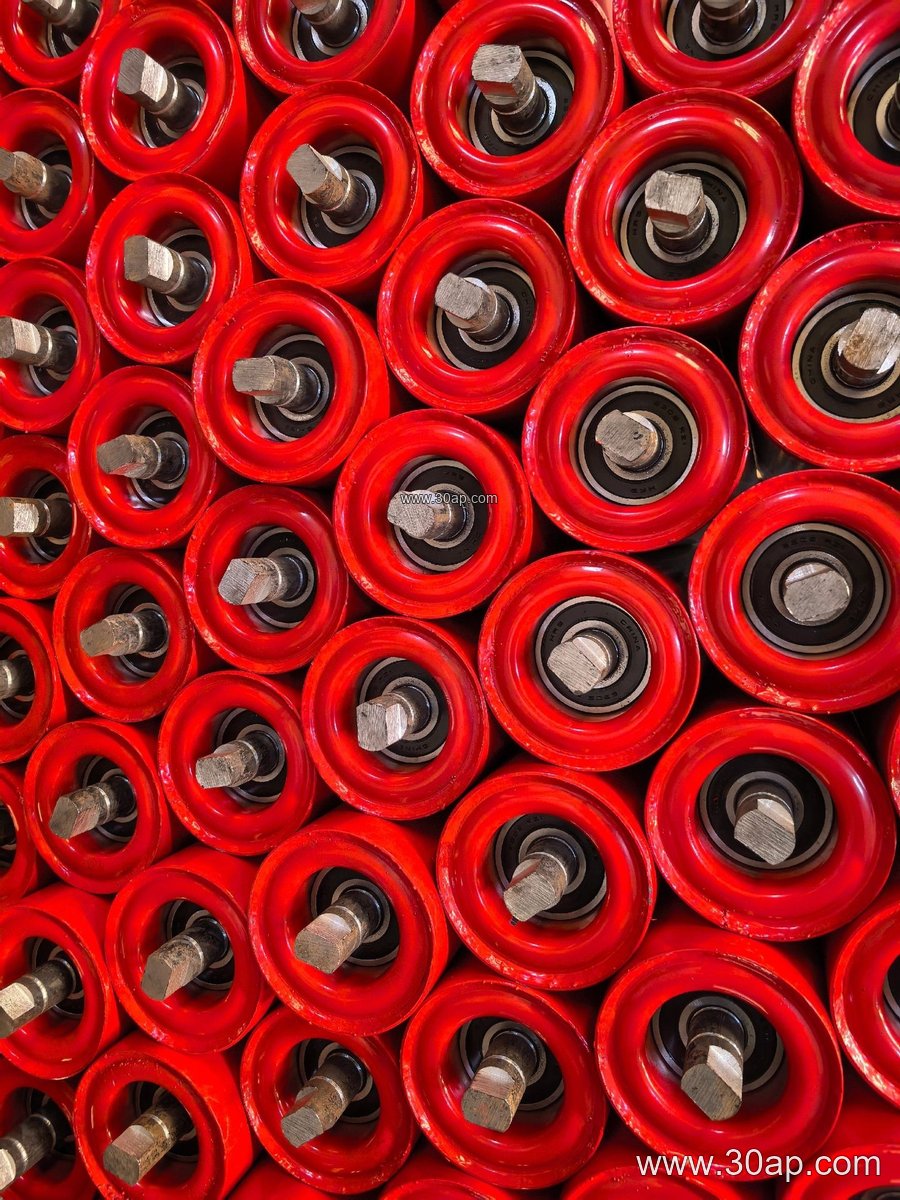
- Roller diameter: Ø133 mm
- Common bearing sizes: 6205, 6305, 6306, 6308
- Trough angles: 20, 30, 35 or 45 degrees
- Roller surface options: steel, nylon, ceramic, rubber ring
- Set forms: single roller, two-roller and three-roller troughing
Roller length is not fixed by belt width alone. It follows the belt width, trough angle and frame form, and side rollers may differ from the centre roller. A three-roller set on a B800 belt commonly uses rollers around 315 mm long, while a B1200 set often uses rollers near 465 mm, but these are examples rather than universal rules. The shaft diameter should always be confirmed from the frame design and load calculation, never guessed from belt width.
Where It Fits on the Conveyor
This idler set is most often used on the carrying side of a troughed conveyor, forming the trough that keeps bulk material centred on the belt. It suits primary and secondary crushing lines, aggregate transfer points and cement plant clinker handling. In a coal mining conveyor or a power plant coal yard, the same size may appear on main haulage belts where dust and fines are present, provided the seals and bearing protection match the environment.
The set is also used at transition zones where the belt changes from flat to troughed, though those positions often call for a transition idler with a shallower angle. Impact zones are a different matter: a buffer or rubber-ring impact idler is normally specified there instead of a standard troughing set, because the cushioning requirement is different. Likewise, a return run uses a flat or V-return idler rather than this carrying assembly. Keeping these roles separate matters when ordering spares.
Matching the Set to the Belt and Duty
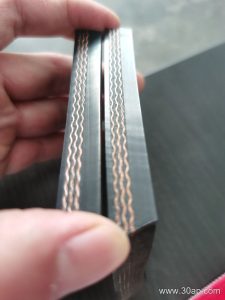
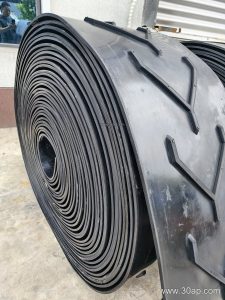
Selection starts with the conveyor belt itself. A heavy-duty mining conveyor belt carrying iron ore or copper ore at high tonnage needs a sturdier frame and bearing package than a light aggregate line. Abrasion resistant conveyor belt grades reduce wear on the belt cover, while the idler set protects the belt from sagging between stations. Where the material is hot, a heat resistant conveyor belt may be used, and the idler spacing and bearing lubrication should be reviewed with the higher ambient temperature in mind.
On a quarry conveyor belt or crusher conveyor belt, spillage and dust are constant, so seal quality is as important as shell thickness. On a port or ship loading conveyor belt, long spans and high belt tension put more load on each idler, and the frame must be checked for deflection. A flame retardant conveyor belt in an underground mining conveyor or coal mining conveyor brings its own requirements for static control and fire safety, and the idler set should be specified as part of that system rather than in isolation.
Buyer Checklist
- Confirm the belt width, trough angle and whether the set is two-roller or three-roller.
- State the roller length for each position, since centre and side rollers may differ.
- Give the bearing size and seal type expected, and ask how the housing is protected.
- Check the shaft and bracket dimensions against the existing conveyor bracket spacing.
- Confirm the roller surface: plain steel, nylon, ceramic or rubber ring.
- Ask whether the set is supplied assembled and pre-greased for direct installation.
Spare parts planning should include a small stock of complete sets plus individual idler rollers, because a single seized roller can damage the belt if it is left running. Inspecting for noisy bearings, wobbling rollers and material build-up on the shell is a simple routine that extends belt life and reduces unplanned stops.