What a 2000mm Conveyor Belt Is
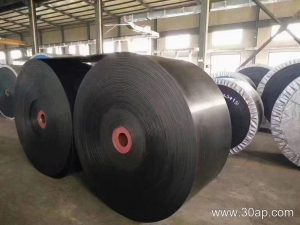
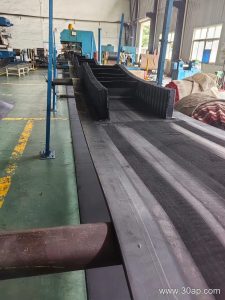
A 2000mm conveyor belt is a wide, heavy-duty belt built for conveying lines that must move large tonnages or bulky, abrasive material in a single pass. With a nominal width of two meters, it sits at the upper end of standard belt widths and is often specified where narrower belts would need to run faster or in parallel to keep up. In practice, the 2000mm conveyor belt is a complete system component, matched to the pulley faces, idler roller sets, and frame geometry of a wide conveyor.
Buyers sometimes describe this product as a 2000mm wide conveyor belt. Both terms refer to the same item; the width is the defining dimension, not the construction. The carcass and cover compound still need to be chosen for the duty.
How the Belt Is Built
The carcass carries the tension and the covers protect it from the material. For a two-meter width, fabric cores are usually multi-ply, while steel cord designs are used for long, high-tension routes.
- Fabric core: EP or NN plies, often 3 to 6 layers depending on strength class.
- Steel cord: a single layer of steel cords for very high tension and long center distances.
- Cover rubber: top and bottom covers selected for abrasion, heat, oil, or flame resistance.
- Edges: cut or molded edges, with optional corrugated sidewalls or skirting for steep inclines.
Common Reference Parameters
| Parameter | Typical Reference Range |
|---|---|
| Belt width | 2000 mm |
| Strength class (EP) | EP200 to EP2000 |
| Strength class (ST) | ST1000 to ST3150 |
| Cover thickness | 4+2, 5+2, 6+2, 8+3 mm |
| Carcass plies | 2 to 6 layers |
These are reference values only. Actual belt construction is confirmed by the manufacturer against the conveyor design.
Where 2000mm Belts Are Used
Wide belts appear where throughput is high and material is coarse. In mining and quarrying, a 2000mm conveyor belt can carry run-of-mine rock from a primary crusher to a stockpile. Cement plants use wide belts for clinker and limestone. Power plants and steel plants move coal and ore on heavy-duty lines, and port terminals use them for ship loading.
A heavy-duty mining conveyor belt at this width often combines an abrasion resistant conveyor belt cover with a flame retardant conveyor belt specification for underground coal mining conveyor belt service. In cement and aggregate duty, an EP conveyor belt or steel cord conveyor belt is common, while a heat resistant conveyor belt is selected near kilns and sinter lines.
Matching the Belt to the Conveyor
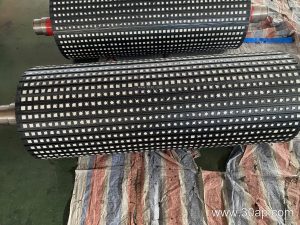
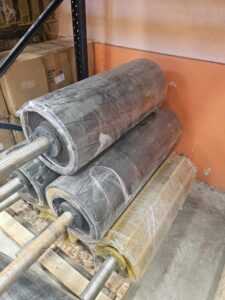
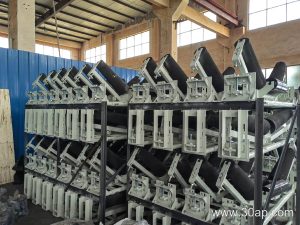
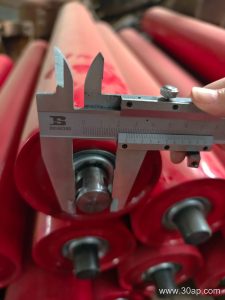
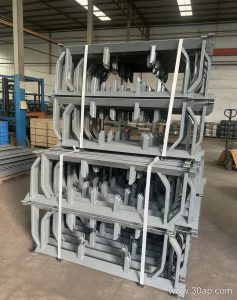
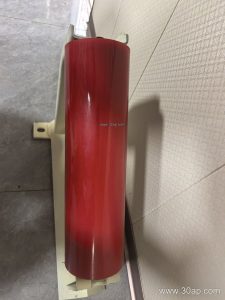
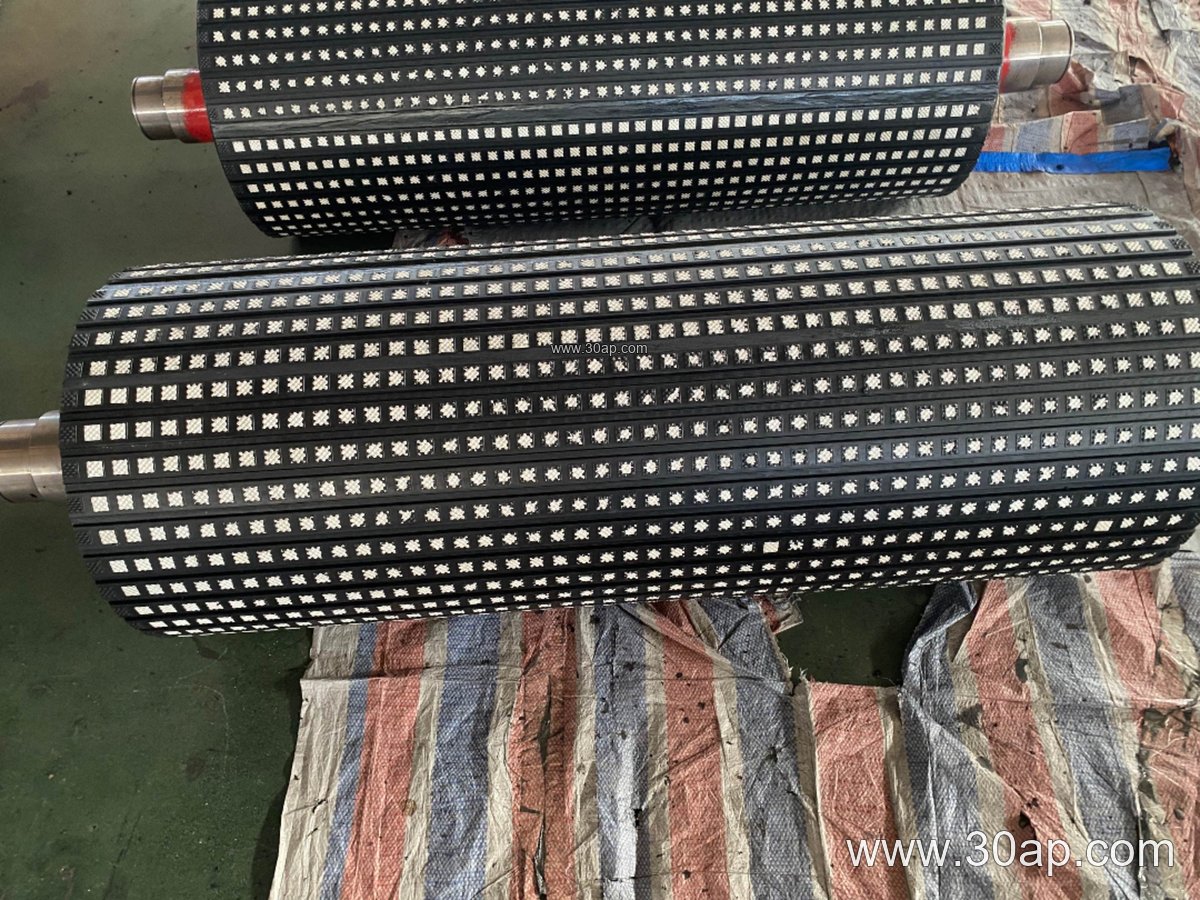
Width alone does not fix the pulley or shaft dimensions. A 2000mm conveyor belt can run on different conveyor pulley diameters, and the drive pulley, tail pulley, and bend pulley are separate components with their own sizing. The idler roller and conveyor bracket layout must suit the belt load and trough angle.
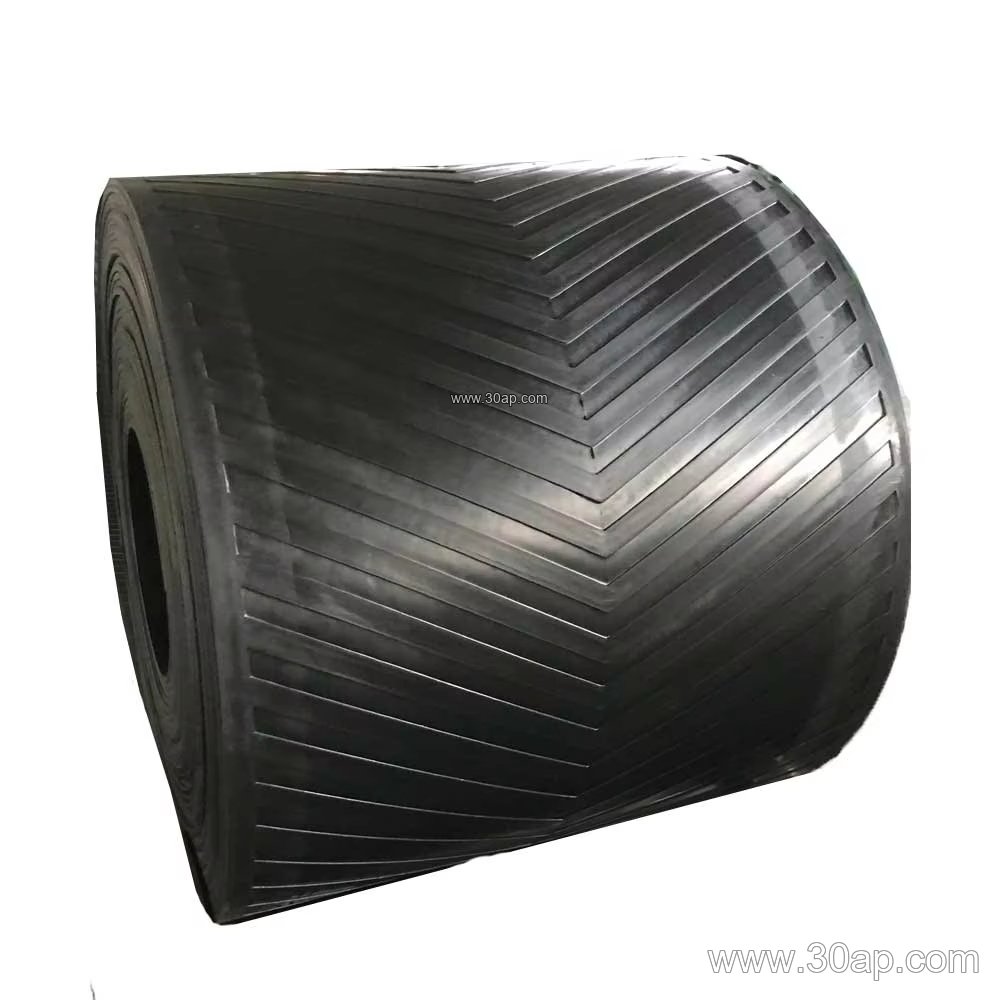
For steep inclines, a chevron conveyor belt or corrugated sidewall conveyor belt may be considered instead of a flat belt, but these are different belt types and should not be treated as substitutes for a standard 2000mm belt.
Buyer Checklist
- Confirm the material, lump size, and required tonnes per hour.
- Specify cover grade: abrasion, heat, oil, flame, or cold resistance.
- State the carcass type and strength class, not just the width.
- Check pulley face width and idler troughing angle.
- Ask for the splice method and edge condition.
Care and Longevity
Wide belts reward good alignment. Check idler roller rotation, keep the conveyor pulley clean, and inspect the conveyor bracket for movement. Store spare belting flat and away from heat. A well-matched 2000mm conveyor belt, with the right cover compound and carcass, gives reliable service across mining, cement, power, and port operations.