What a Power Plant Conveyor Belt Does
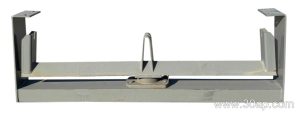
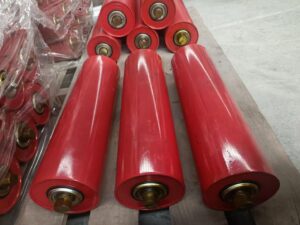
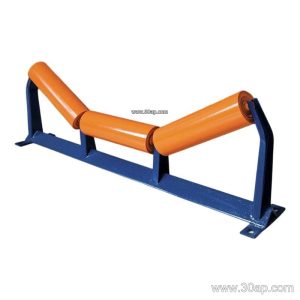
A power plant conveyor belt is the continuous carrying surface that moves coal, biomass, limestone, or ash between unloading points, stockpiles, crushers, and boilers. In a coal-fired unit, the belt often runs from the coal yard through transfer towers to the bunker bay; in a biomass plant it may handle wood chips or pellets. Because these materials vary in lump size, moisture, and temperature, the belt is selected as a system component rather than a simple rubber strip. The same conveying line usually includes conveyor pulleys at the head and tail, idler rollers along the carry and return sides, and conveyor brackets that hold the frames in alignment.
Construction and Common Belt Types
Most power plant belts use a fabric core or steel cord carcass covered with rubber. Fabric core belts are built with multiple plies of EP or NN fabric; steel cord belts use brass-plated wires for long center distances and high tension. The cover compound determines resistance to abrasion, heat, oil, and flame. A typical construction includes a top cover, a carcass, and a bottom cover, with cover thickness expressed as top plus bottom, such as 4+2 mm or 6+2 mm. Edge construction and splice type also matter because a poorly spliced belt can derail or fail under load.
Common constructions for power plant service include:
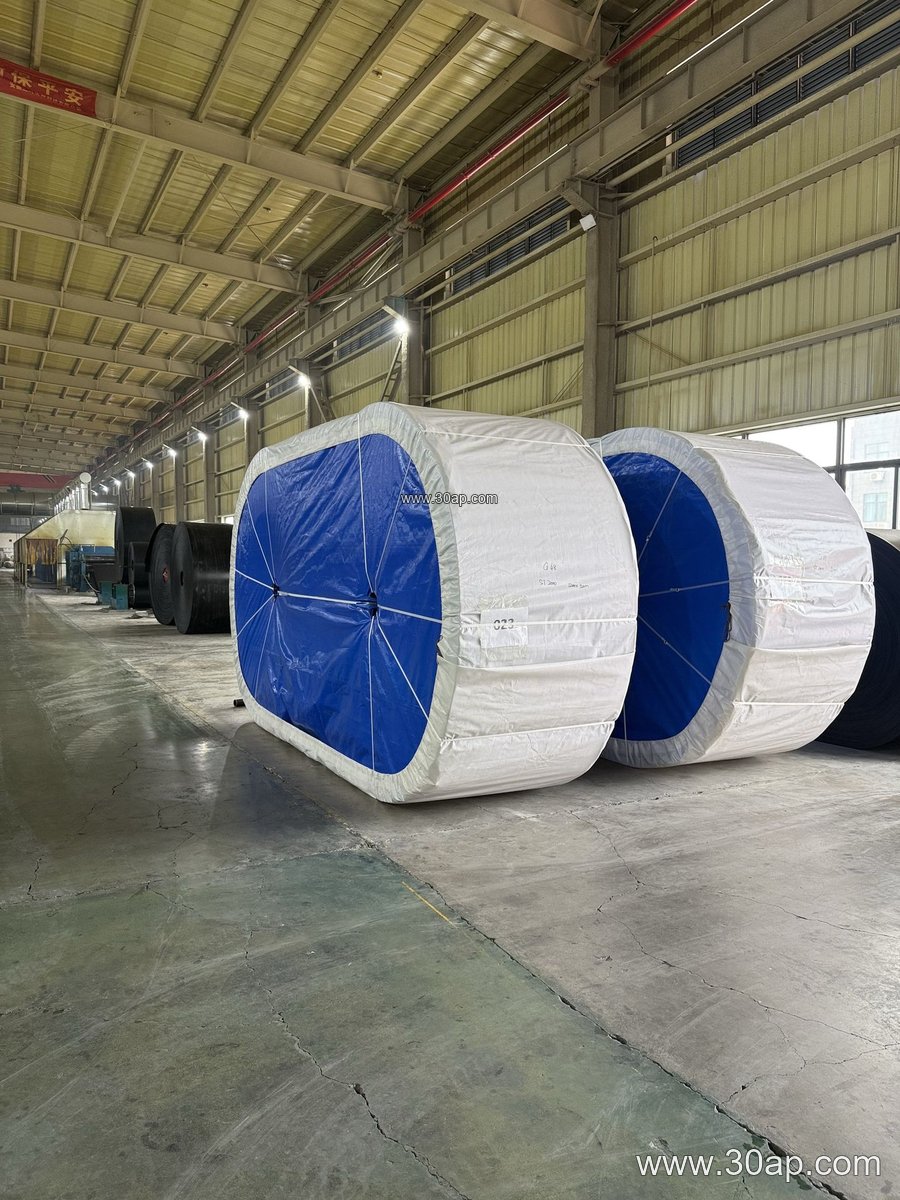
- EP conveyor belt with polyester-nylon fabric, often used for coal and limestone where moderate strength and low stretch are needed.
- Steel cord conveyor belt for high-capacity main lines and long conveyors; strength grades such as ST1000 or ST1600 are referenced by design.
- Flame retardant conveyor belt and fire resistant conveyor belt for coal handling and enclosed galleries where safety codes apply.
- Heat resistant conveyor belt for clinker, ash, or hot biomass areas.
- Abrasion resistant conveyor belt for limestone, bottom ash, and other abrasive bulk materials.
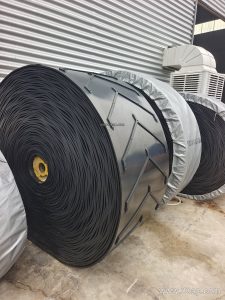
- Chevron conveyor belt or corrugated sidewall conveyor belt for inclined transfer points where material would otherwise slide back.
- Pipe conveyor belt for enclosed routing around plant boundaries or through sensitive areas.
Other constructions such as oil resistant conveyor belt, cold resistant conveyor belt, and anti-static conveyor belt may be specified when the site conditions require them. The product name should match the dominant duty; a heat resistant belt is not a substitute for a flame retardant belt unless the specification explicitly covers both.
Where It Fits in the Plant
Power plant conveyor belts appear in coal yards, boiler feed systems, limestone preparation, ash handling, and biomass receiving. In coal mining and coal mining conveyor systems, similar belts handle raw coal before it reaches the power station. In cement plants, quarry operations, and aggregate yards, the same family of belts moves clinker, limestone, and crushed stone. Port conveyor belts and ship loading conveyors also use heavy-duty fabric or steel cord belts. The working environment decides the cover grade: outdoor yards need sunlight and weather resistance, enclosed galleries need flame retardancy, and transfer points need impact resistance.
Dimensions and Reference Data
Belt width and strength are selected from the conveyor design, not from a single universal table. Common widths include B500, B650, B800, B1000, B1200, B1400, B1600, and B1800. Fabric core strengths are often written as EP200, EP400, EP630, EP1000, or EP1250; steel cord grades may be ST1000, ST1600, or ST2000. Cover thickness might be 3+1.5 mm, 4+2 mm, 5+2 mm, or 6+2 mm, with 2 to 6 fabric plies in typical fabric constructions. These values are reference data, not a fixed match between one belt width and one pulley diameter. The shaft diameter of a conveyor pulley is determined by the pulley design and load, not by belt width alone.
Buyer Checklist
- Confirm the material, lump size, temperature, and moisture content before choosing the cover compound.
- State the required flame retardancy and anti-static properties for coal handling and underground mining conveyor applications.
- Check whether the belt will run on a troughing idler roller set or a flat return, and confirm the transition distance.
- Review splice type and edge condition with the conveyor pulley and conveyor bracket layout.
- Ask for the actual cover thickness and carcass construction rather than relying on a generic grade name.
For plant expansion or replacement, keep a spare belt and a spare set of idler rollers on site. A power plant conveyor belt that matches the duty, the pulley arrangement, and the maintenance schedule will give more reliable service than a belt chosen only by width or price.