What an Impact Idler Bracket Does
At a transfer point, the conveyor belt takes a direct hit from falling material. The impact idler bracket is the steel support that holds the impact idler rollers in place under that load. It is not a roller itself, and it is not a pulley. It is the mounting frame that keeps the impact rollers at the right height and angle so the belt can absorb the shock without sagging into the structure. In a quarry, a coal preparation plant, or a cement plant, this bracket is often the difference between a belt that lasts and one that gets cut or bruised within weeks.
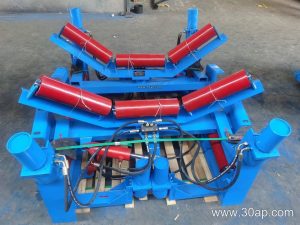
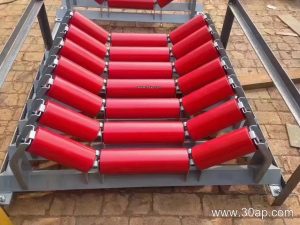
The bracket works together with the conveyor belt and the idler roller set. When a heavy lump of rock or ore drops onto the belt, the impact idler bracket spreads the force into the conveyor frame instead of letting it concentrate on one spot. That is why the bracket is usually built heavier than a standard carrying idler bracket.
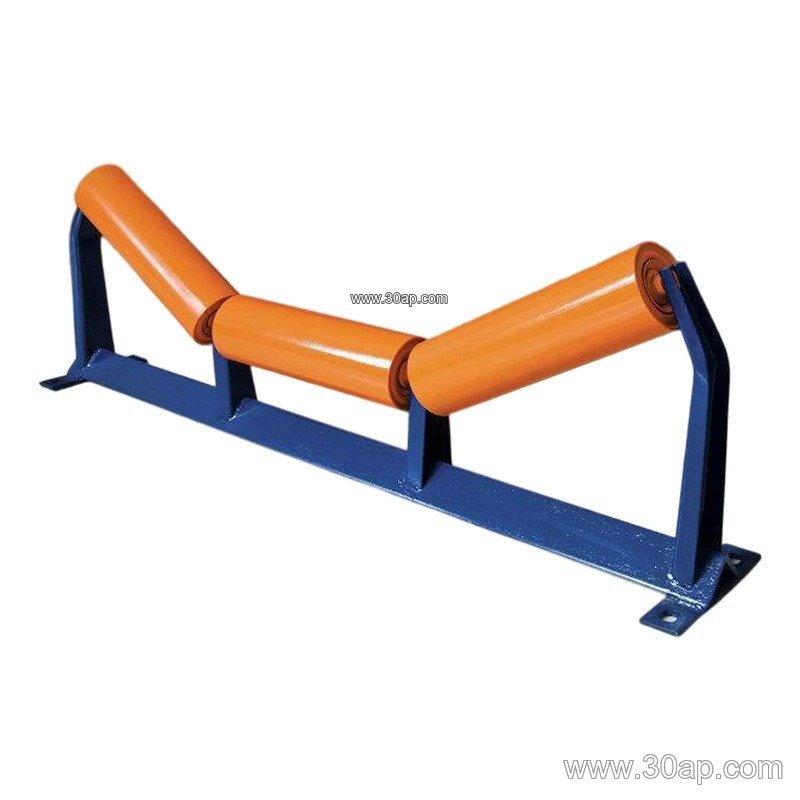
How the Bracket Is Built
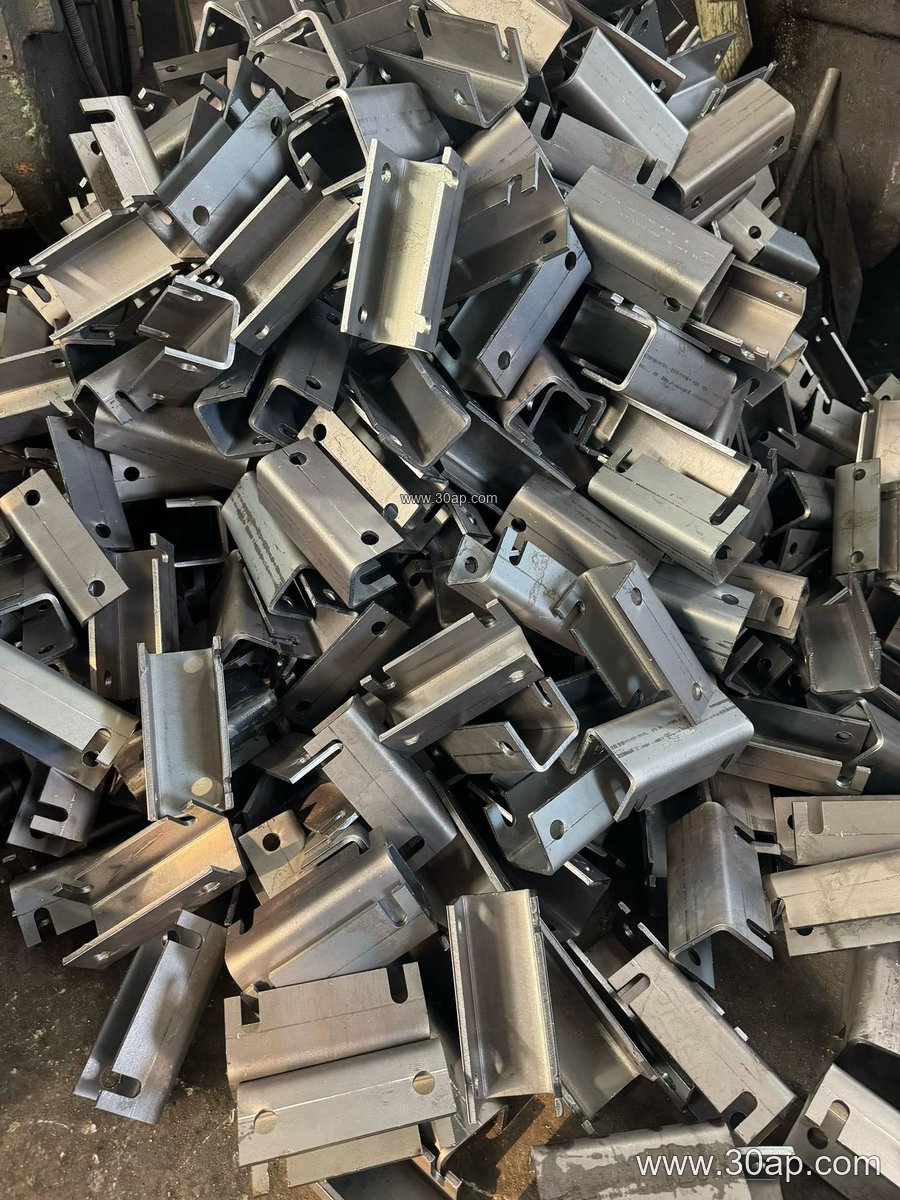
Most impact idler brackets are fabricated from angle steel, channel steel, or folded steel plate. The material grade and thickness are chosen according to the belt width and the expected impact energy, so a bracket for a B650 belt in a sand and gravel line will not be the same as one for a B1800 belt at an iron ore transfer chute. The bracket usually has a base that bolts to the conveyor stringer, a crossbeam that carries the idler shafts, and mounting slots that allow the roller position to be adjusted during installation.
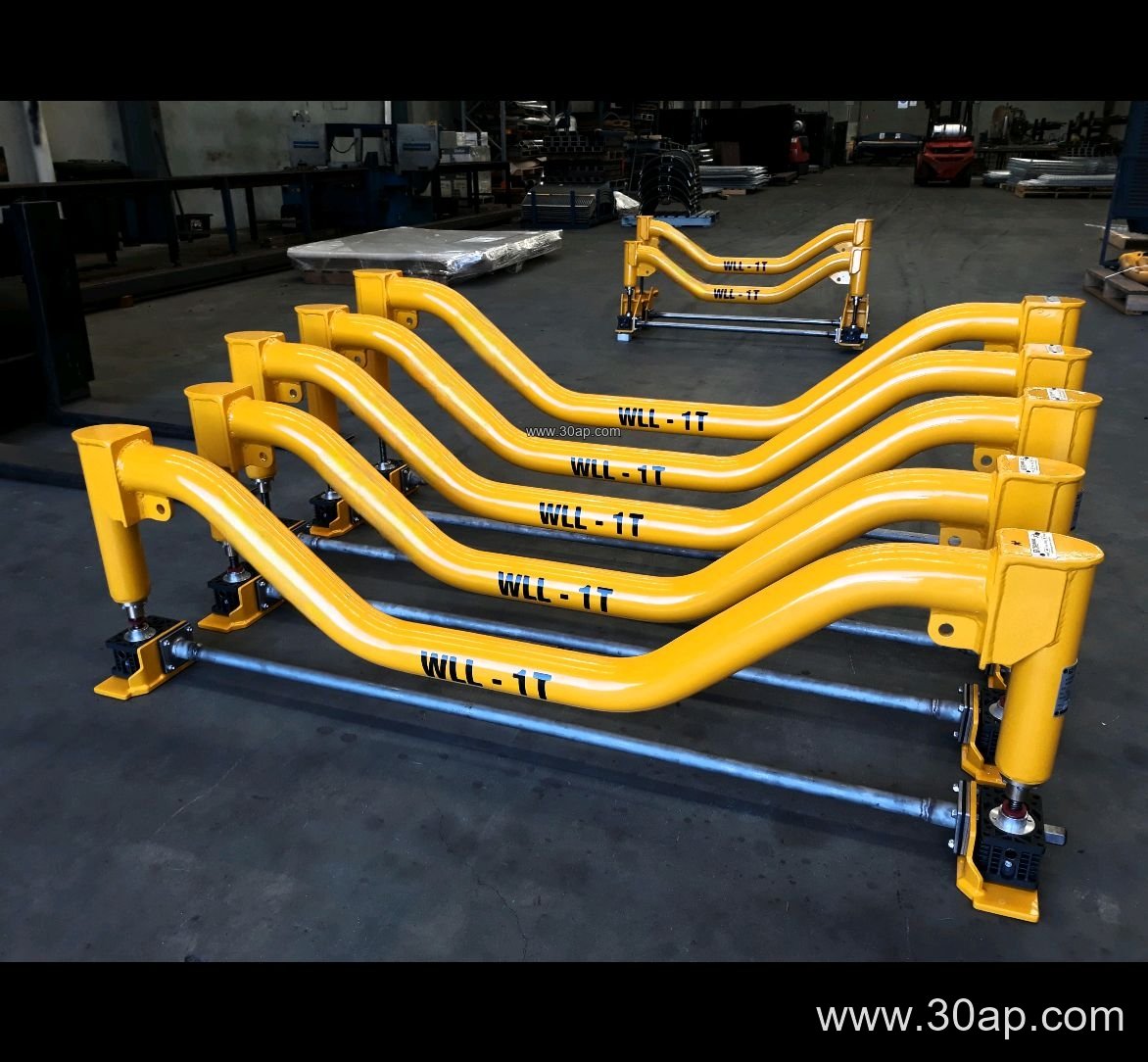
Some designs are fixed, with a set trough angle, while adjustable brackets let the maintenance team change the trough angle between common values such as 20, 30, 35, or 45 degrees. The bracket may also include a slight forward tilt of about 1.5 to 2 degrees to help center the belt, though this depends on the conveyor design. Rubber or polyurethane cushions are sometimes fitted between the bracket and the roller to further dampen shock.
Where It Fits on the Conveyor
The impact idler bracket is installed at the loading point, typically just downstream of the feed chute. In a crusher discharge conveyor at a stone crushing plant, or at a truck dump hopper in a limestone mine, this is the zone where the belt is most vulnerable. The bracket is placed in a group, often three to five sets in a row, to create an impact bed. It should not be confused with a bend pulley bracket or a drive pulley base, which serve completely different functions in the conveyor drive system.
In underground coal mining, flame retardant conveyor belt and anti-static properties matter for the belt itself, but the bracket also needs to resist corrosion and keep the rollers aligned in a damp environment. In a power plant coal yard, the bracket may be exposed to dust and occasional washdown, so drainage and coating quality become practical concerns.
Matching Bracket to Belt and Roller
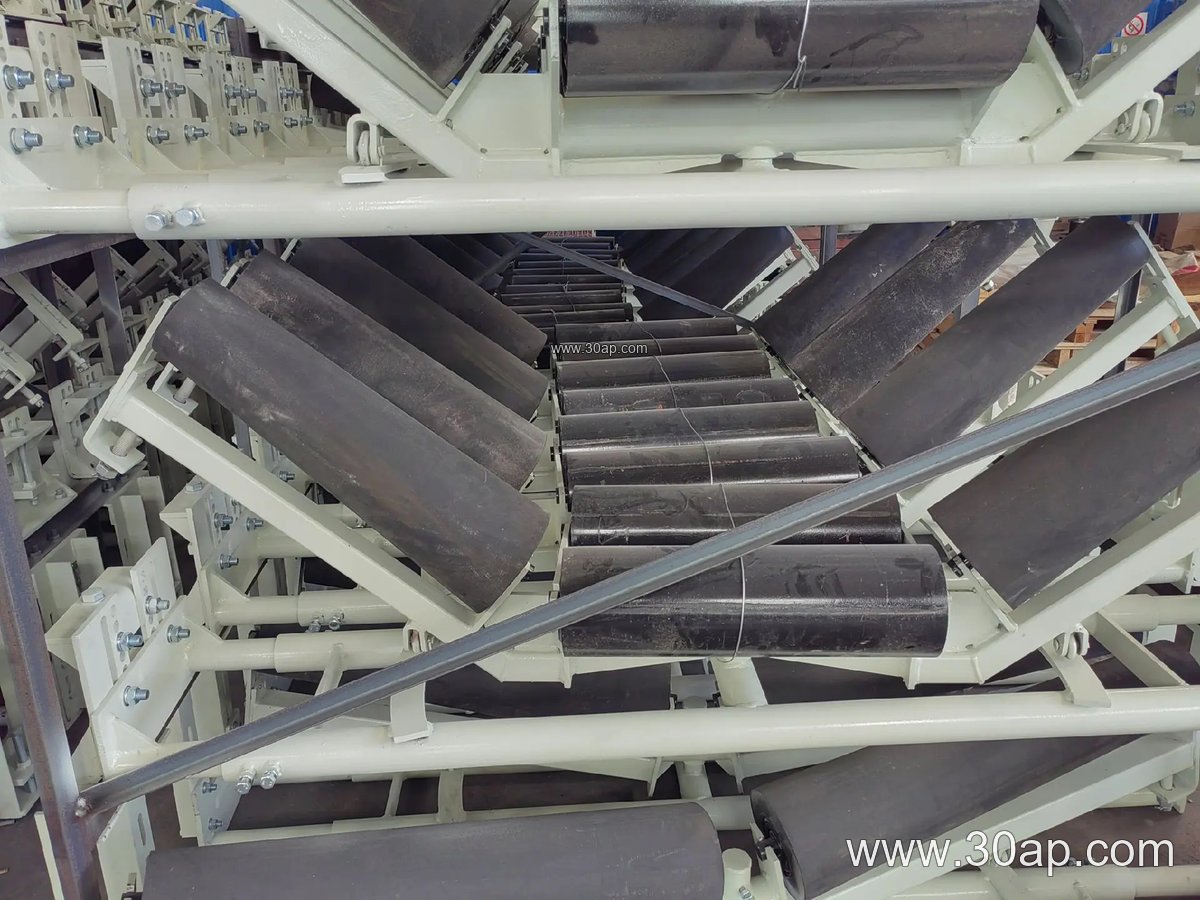
Buyers should know that the bracket is selected as part of a system. The belt width, trough angle, and roller diameter all influence the bracket dimensions, especially the mounting hole spacing and crossbeam length. These are not fixed numbers; they are determined by the conveyor design. A common combination might be B800 with a 35 degree trough and Ø108 impact rollers, or B1200 with a 45 degree trough and Ø133 rollers, but other combinations are equally valid depending on the load and belt speed.
Use the table below as a general reference for how bracket choices relate to common conveyor sizes. The values are typical ranges, not a supply promise for every project.
| Belt Width | Common Trough Angle | Typical Roller Diameter | Bracket Note |
|---|---|---|---|
| B500 | 20°–30° | Ø89 | Light duty, narrow frame |
| B650 | 30°–35° | Ø89–Ø108 | Adjustable or fixed |
| B800 | 30°–35° | Ø108–Ø133 | Common impact bed size |
| B1000 | 35°–45° | Ø133–Ø159 | Heavier crossbeam |
| B1200 | 35°–45° | Ø133–Ø159 | Reinforced mounting |
| B1400 | 35°–45° | Ø159–Ø194 | Heavy-duty fabrication |
| B1600–B2000 | 35°–45° | Ø159–Ø194 | Custom hole spacing |
When specifying, check the conveyor frame drawing for bolt hole centers and stringer height. A bracket that does not match the existing frame will require field drilling, which weakens the structure. Also confirm whether the bracket is for a fixed or adjustable trough, because the two are not interchangeable in the field.
Buyer Checklist
- Confirm belt width and the actual trough angle used at the loading point.
- Match the bracket to the impact roller shaft diameter and bearing housing type.
- Check material thickness and coating for the site environment, such as wet coal or abrasive ore dust.
- Ask for the mounting hole spacing drawing, not just a nominal size.
- Decide whether fixed or adjustable brackets suit your maintenance practice.
An impact idler bracket is a small part of the conveyor, but it protects the most expensive component, the belt. For more on conveyor components and rubber conveyor belt options for transfer points, visit www.example.com/conveyor-bracket and www.example.com/impact-idler-bracket. A well-chosen bracket keeps the impact rollers aligned, reduces belt damage, and extends the service life of the whole loading zone.