What a Self-Aligning Idler Bracket Does
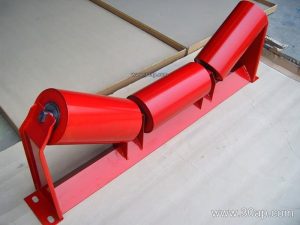
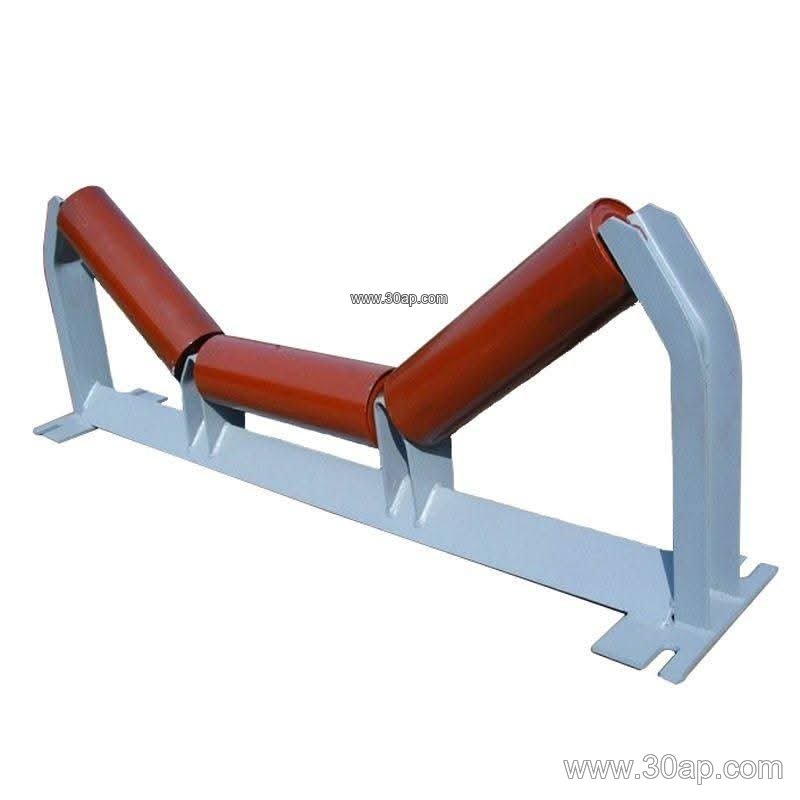
A self-aligning idler bracket is the mounting component that lets a carrying or return idler assembly pivot slightly so the belt can correct its own path. In a typical conveyor structure, the bracket holds the idler roller in a frame that rotates about a vertical or inclined axis. When the belt drifts to one side, the resulting force turns the bracket, and the skewed idler steers the belt back toward the center line. This is a mechanical correction that works without sensors or actuators.
On a quarry conveyor belt or a coal mining conveyor belt, small misalignment can grow quickly into edge damage and spillage. The self-aligning bracket is often the simplest line of defense, especially on long runs where manual adjustment is infrequent.
Construction and Mounting Position
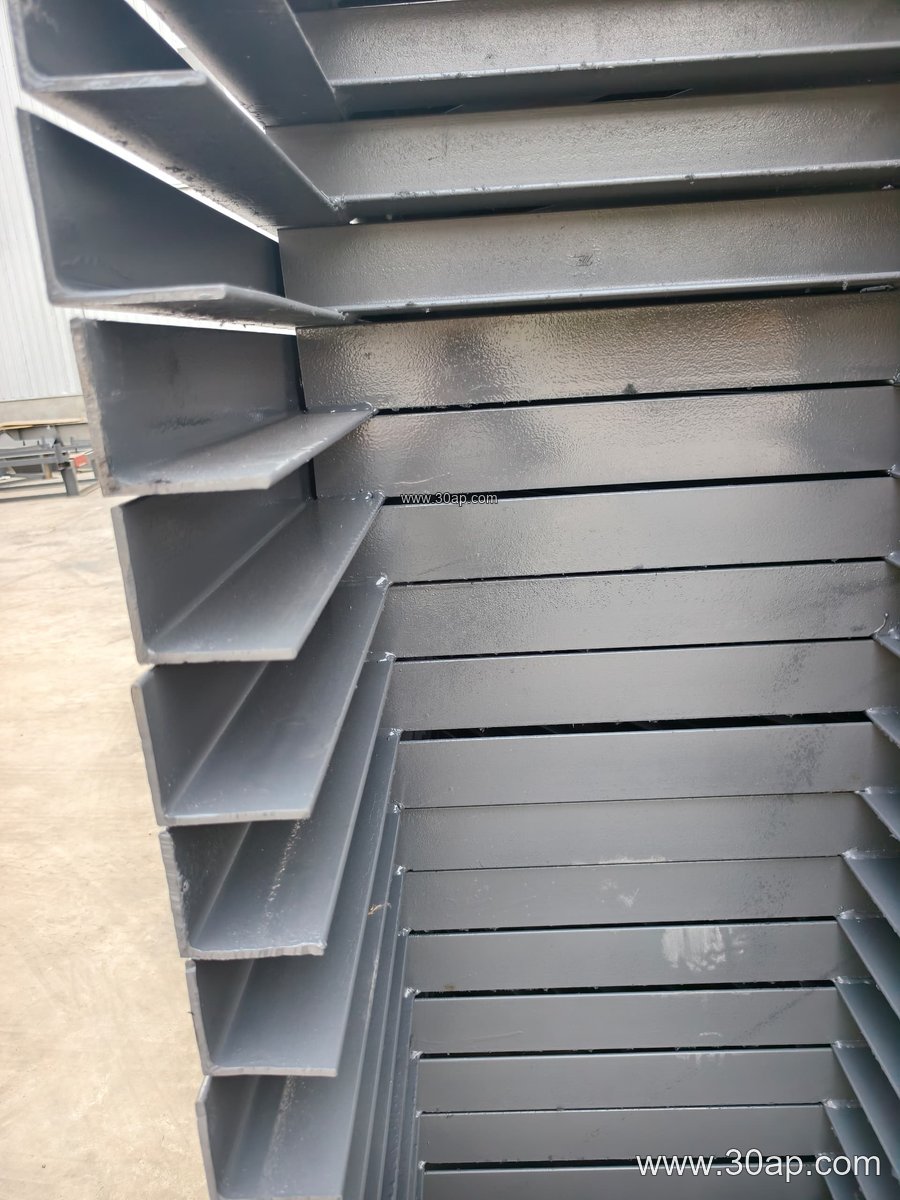
Most self-aligning idler brackets are fabricated from angle steel, channel steel, or folded steel plate. The pivot assembly usually includes a bearing or bushing that allows limited rotation, and stops that prevent over-travel. The bracket is bolted to the conveyor stringer or cross beam, and the idler roller sits in the bracket cradle.
Common mounting positions include:
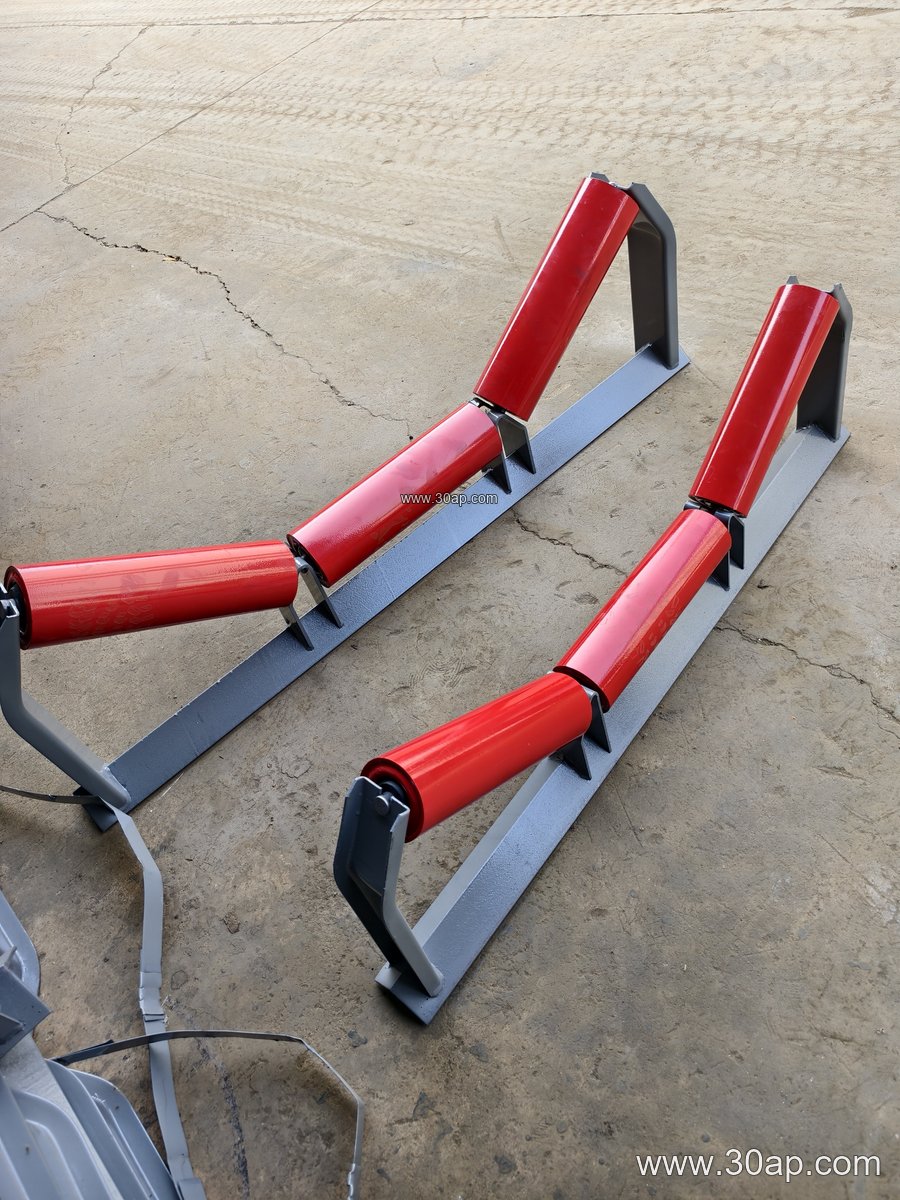
- Carrying side, just before a transfer point or loading zone
- Return side, where the belt has a tendency to wander
- Intermediate sections of long overland conveyors
- Transition areas near the tail pulley, where belt tension changes
The bracket should be installed square to the belt center line. A bracket that is itself misaligned will fight the belt rather than guide it.
Matching Belt Width, Trough Angle, and Roller Diameter
Selection starts with the conveyor layout, not with a single number. A self-aligning bracket for a B800 belt with a 35-degree trough angle and Ø108 idlers is a different assembly from one built for a B1200 belt at 45 degrees with Ø133 rollers. The table below shows common reference combinations; actual mounting hole spacing and beam length follow the conveyor design.
| Belt Width | Trough Angle | Roller Diameter | Typical Use |
|---|---|---|---|
| B500 | 20° / 30° | Ø89 | Light aggregate lines |
| B650 | 30° / 35° | Ø89 / Ø108 | Sand and gravel conveyors |
| B800 | 30° / 35° / 45° | Ø108 / Ø133 | Cement plant and crusher feed |
| B1000 | 35° / 45° | Ø108 / Ø133 / Ø159 | Power plant coal handling |
| B1200 | 35° / 45° | Ø133 / Ø159 | Iron ore and port terminals |
| B1400 | 35° / 45° | Ø159 / Ø194 | Heavy-duty mining conveyors |
| B1600–B2000 | 35° / 45° | Ø159 / Ø194 | Large bulk material systems |
These values are reference data, not fixed pairings. A wider belt does not automatically require a larger roller, and one belt width can work with more than one trough angle depending on the material and belt stiffness.
Adjustable and Fixed Versions
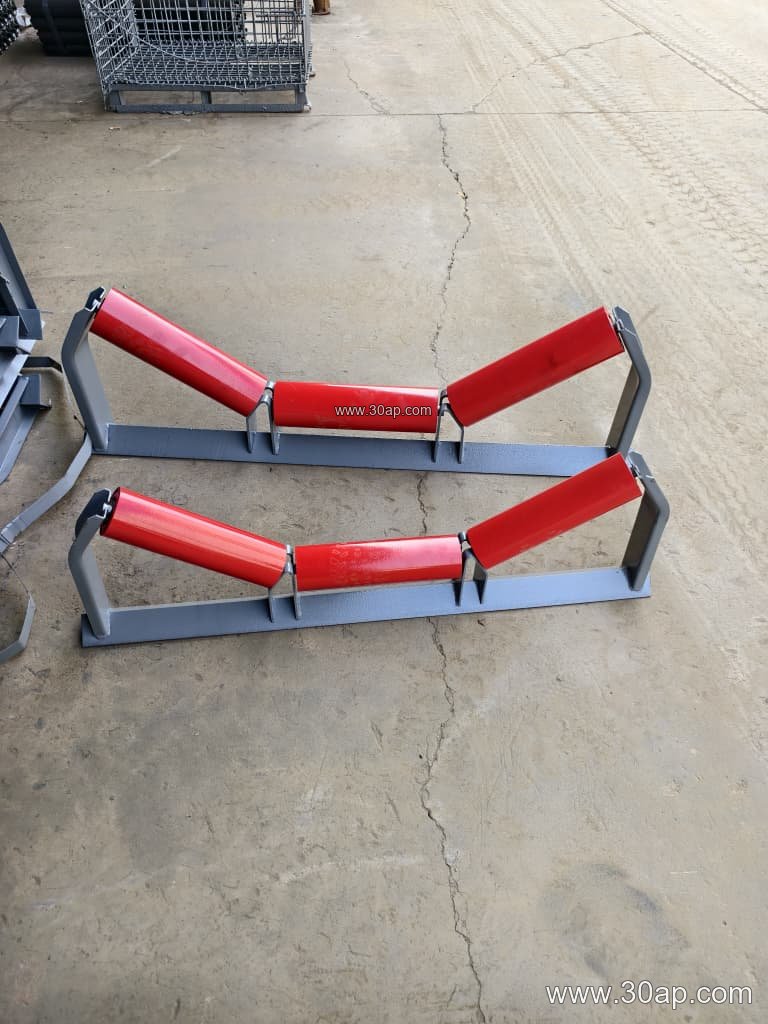
An adjustable self-aligning bracket allows the trough angle to be set within a range, commonly between 20 and 45 degrees. This is useful during commissioning or when the belt profile changes. A fixed version is welded or bolted at one angle and is simpler to maintain. Forward-leaning designs, often around 1.5 to 2 degrees, can add a gentle steering effect without a separate pivot mechanism.
For a heat resistant conveyor belt or a flame retardant conveyor belt in a power plant, the bracket material and clearance should suit the local temperature and dust conditions. The same applies to a food grade conveyor belt in a grain silo, where smooth surfaces and easy cleaning matter.
Buyer Checklist
Before ordering, confirm the belt width, trough angle, roller diameter, and mounting dimensions. Ask how the pivot is sealed and whether the bracket has travel stops. Check that the bracket is compatible with the idler roller end type and with the conveyor bracket spacing on the stringer. For a steel cord conveyor belt or a heavy-duty mining conveyor belt, the self-aligning bracket should be sized for the higher belt tension and load. On a pipe conveyor belt or a corrugated sidewall conveyor belt, self-aligning brackets are usually not the primary tracking method, so confirm the supplier’s recommendation.
Routine inspection of the pivot, bolts, and stops keeps the bracket effective. A bracket that seizes will act like a fixed bracket, and the belt may drift again.