What the V-Type Idler Bracket Does
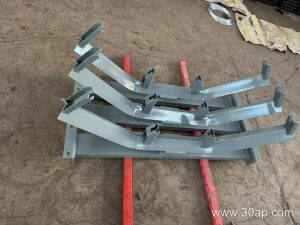
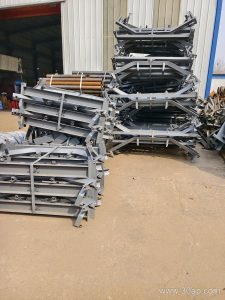
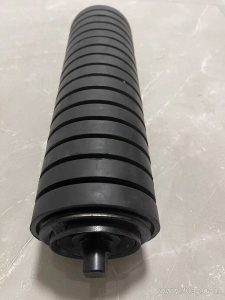
A V-Type Idler Bracket is the support frame that holds two idler rollers in a V shape under the return strand of a conveyor belt. Instead of a single flat roller, the bracket carries the belt in a shallow trough formed by the two angled rollers, which helps center the belt and shed loose material as it travels back toward the tail. In a quarry, a coal washing plant or a cement kiln line, this small steel frame is often the difference between a belt that tracks cleanly and one that wanders and spills.
The same component is also called a V-return idler bracket or V-type return bracket. It is a return-side frame, not a carrying frame, and it should not be confused with troughing brackets, transition brackets, or the pulleys at the drive, tail and bend positions.
Construction and Mounting Position
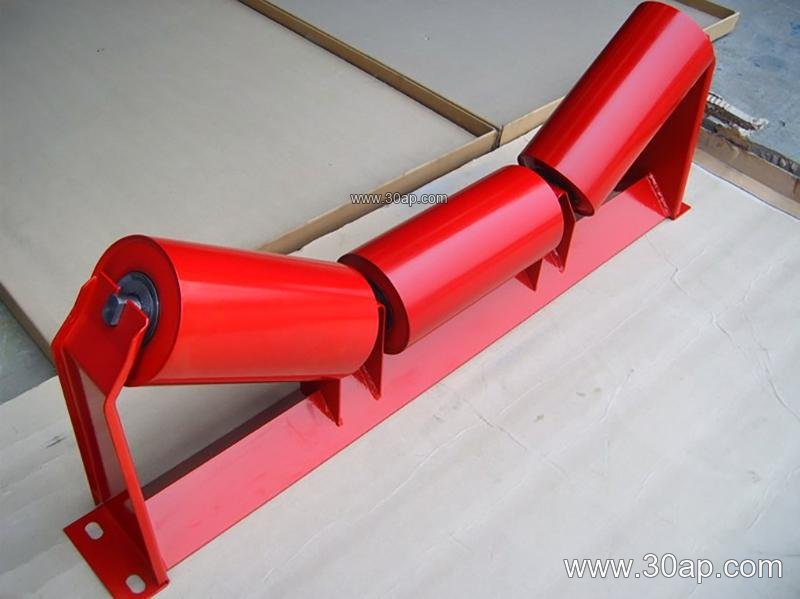
Most V-Type Idler Bracket frames are fabricated from angle steel, channel steel or folded steel plate, then drilled or punched so the two rollers sit at a fixed included angle. The bracket bolts to the conveyor stringer or to a cross beam, and the rollers drop into slots or are pinned in place for quick replacement.
- Two angled roller seats forming the V profile
- Welded or bolted cross member sized to the belt width
- Mounting holes matched to the stringer spacing
- Optional height adjustment for belt clearance
The bracket sits on the return run, generally between the tail pulley and the first return roller, and repeats at intervals along the conveyor. Because the two rollers are inclined toward each other, grit and fines tend to fall away from the belt rather than build up on the frame.
Where It Fits in the Conveyor Line
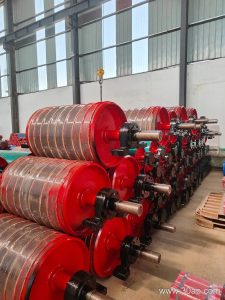
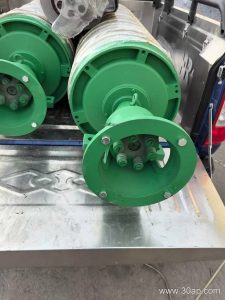
V-return brackets appear in bulk handling wherever a conveyor belt runs long and carries abrasive or wet material. Typical settings include sand and gravel lines, iron ore plants, power station coal handling, steel sintering, fertilizer plants and grain silos. They work together with the conveyor belt, the carrying idler rollers, the conveyor pulley at the head and the conveyor bracket assemblies along the structure.
On a belt that is prone to misalignment, a V-type return frame gives a gentle centering effect without the side load that a full training idler can impose. On a belt carrying sticky material, the open V leaves fewer flat surfaces for buildup.
Matching Width, Roller Diameter and Angle
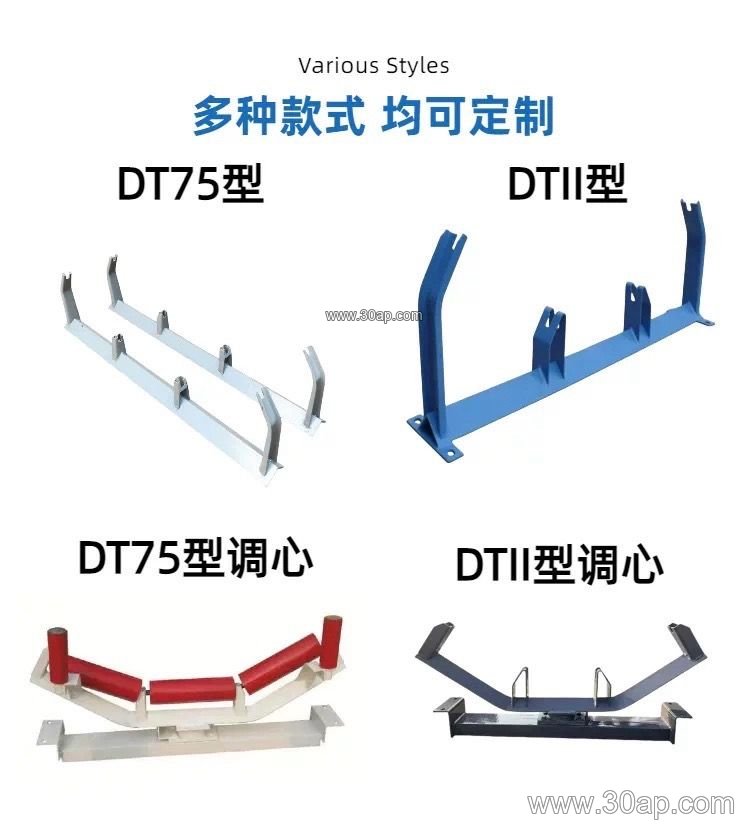
The bracket is usually ordered by belt width, roller diameter and V angle. These values are chosen together with the roller supplier and the conveyor designer; no single belt width locks the frame to one roller diameter or one angle. The table below shows common reference combinations only.
| Belt width | Typical V angle | Common roller diameter |
|---|---|---|
| B500 | 20 degrees | Ø89 |
| B650 | 30 degrees | Ø89 |
| B800 | 35 degrees | Ø108 |
| B1000 | 35 degrees | Ø108 or Ø133 |
| B1200 | 45 degrees | Ø133 |
| B1400 | 45 degrees | Ø133 or Ø159 |
| B1600 | 35 to 45 degrees | Ø159 |
| B1800 to B2200 | 35 to 45 degrees | Ø159 or Ø194 |
Installation hole spacing and cross beam length change with belt width and V angle, so the frame is normally made to order rather than picked from a single fixed size. A buyer should confirm the stringer spacing, the roller shaft ends and the required belt clearance before ordering.
Buying and Maintenance Notes
Ask for the frame material and finish, since a wash plant or a coastal port may need heavier galvanizing than a dry screening house. Check that the roller seats accept the idler roller you already stock, and confirm whether the bracket is fixed or adjustable. Adjustable versions allow the V angle to be trimmed on site, which is useful when a belt is being re-trained after a splice.
In service, inspect the bracket for bent arms, loose bolts and worn roller seats. A frame that has been knocked out of line will pull the belt sideways, and the symptom may be blamed on the conveyor pulley or the belt itself. Replacing a distorted V-Type Idler Bracket is usually quicker than trying to straighten it, and it keeps the return run tracking as designed.