What a Return Self-Aligning Idler Does
A return self-aligning idler is a training idler mounted on the return strand of a conveyor. Its job is to keep the belt centered as it travels back to the tail pulley, reducing edge damage and spillage. Unlike a standard flat return idler, this idler pivots or skews when the belt drifts, creating a corrective force that steers the belt back to the center line. In mining, quarry, and power plant coal handling, belt misalignment is a common cause of downtime, and a well-chosen return self-aligning idler helps address it without constant manual adjustment.
The same product is also called a self-aligning return roller or training return idler. These names refer to the same assembly; they are not interchangeable with drive pulleys, tail pulleys, or bend pulleys, which serve different functions in the conveyor system.
Construction and Working Principle
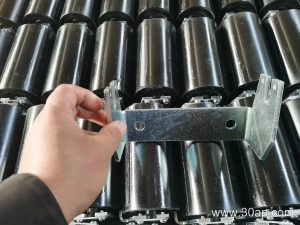
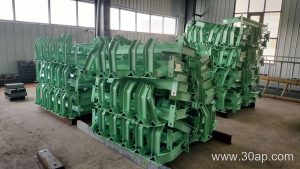
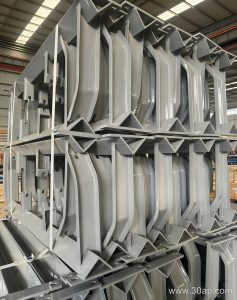
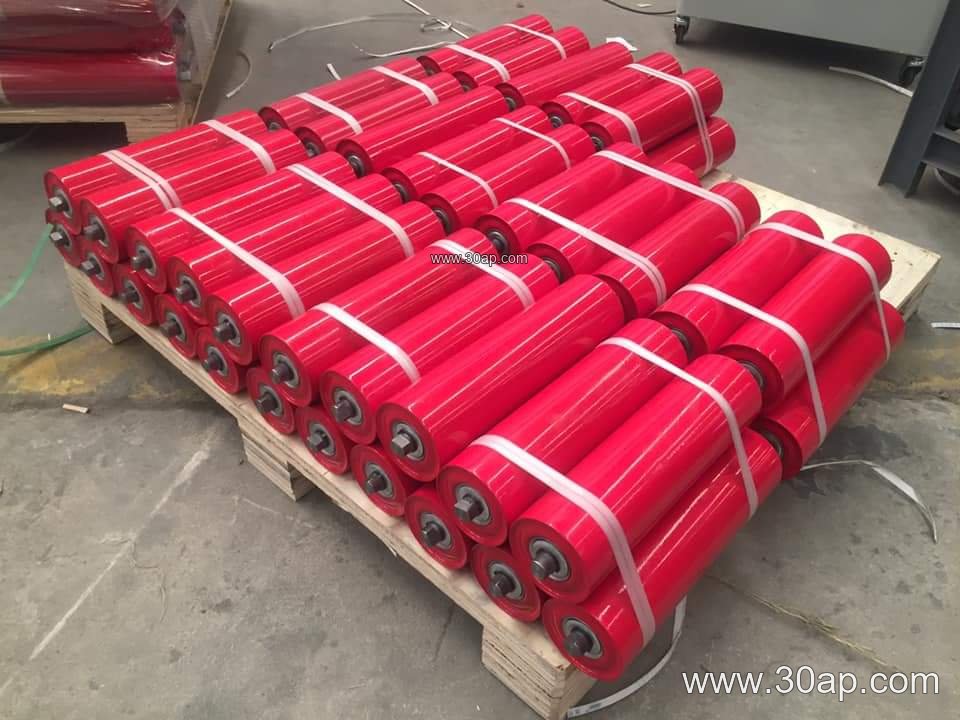
Most return self-aligning idlers use a pair of rollers mounted on a pivoting frame. The frame is supported by a central bearing or a vertical pivot, allowing the roller set to rotate slightly in the horizontal plane. When the belt contacts one roller more heavily due to misalignment, the resulting friction turns the frame, and the skewed roller angle pushes the belt back toward the center. Some designs use a single roller with a curved or crowned profile, but the two-roller arrangement is common for wider belts.
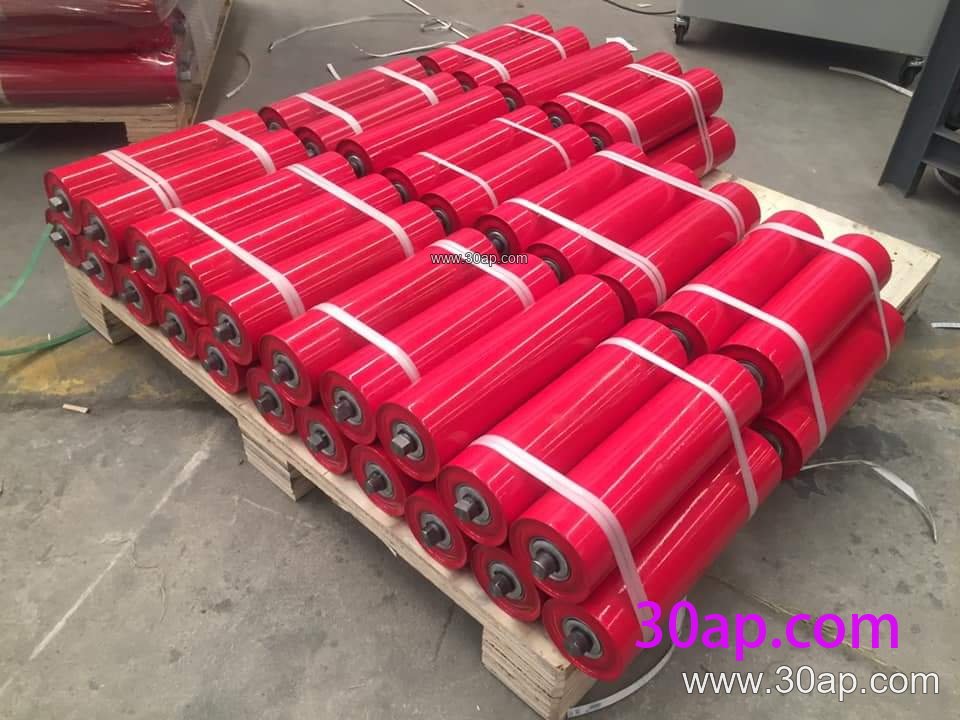
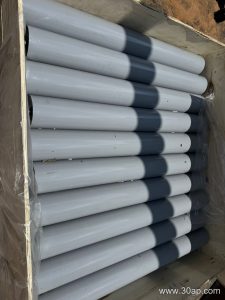
Key components include the idler roller shell, shaft, bearings, and seals. Roller surfaces may be steel, nylon, or rubber-covered depending on the application. Bearing sizes such as 6205, 6305, or 6308 are common, but the correct bearing is selected based on load and speed, not on belt width alone. The pivot mechanism must be protected from dust and water, especially in aggregate and cement plants where fine particles are present.
Where It Fits on the Conveyor
Return self-aligning idlers are installed on the return run, typically after the drive pulley or before the tail pulley, where the belt is most likely to wander. They are not a substitute for proper belt splicing, pulley alignment, or loading conditions. In a quarry conveyor or a coal mining conveyor, a return self-aligning idler may be placed every few standard return idlers, depending on belt length and tendency to misalign. For comparison, a bend pulley changes belt direction, while a return self-aligning idler corrects lateral position; the two are not interchangeable.
Common Sizes and Configurations
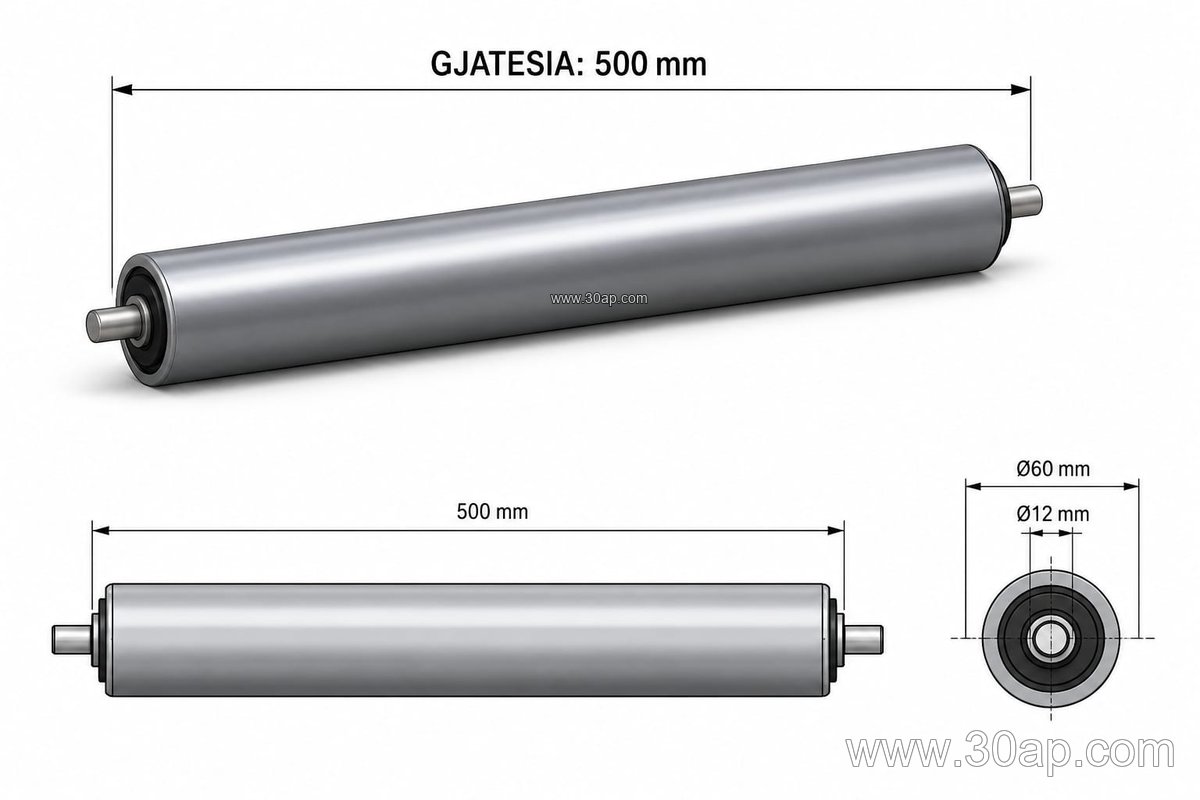
Return self-aligning idlers are available for a range of belt widths and roller diameters. The table below shows typical reference values; actual selection depends on conveyor design, belt tension, and material load.
| Belt Width (B) | Common Roller Diameter | Typical Roller Length (per roller) |
|---|---|---|
| B500 | Ø89, Ø102 | 200 mm |
| B650 | Ø89, Ø108 | 250 mm |
| B800 | Ø108, Ø127 | 315 mm |
| B1000 | Ø108, Ø133 | 380 mm |
| B1200 | Ø127, Ø133 | 465 mm |
| B1400 | Ø133, Ø159 | 530 mm |
| B1600 | Ø159, Ø178 | 600 mm |
| B1800 | Ø159, Ø178 | 670 mm |
| B2000 | Ø178, Ø194 | 750 mm |
These figures are examples only. The roller length and diameter are determined by the conveyor manufacturer based on belt width, trough angle, and load. A return self-aligning idler does not have a fixed shaft diameter derived solely from belt width; the shaft is sized for the load and bearing selected.
Buyer Checklist
- Confirm the belt width and return strand configuration before ordering.
- Check the roller surface material: steel, nylon, or rubber-covered, based on material buildup and abrasion.
- Verify the bearing and seal type for the environment, especially in cement plants and aggregate operations.
- Ensure the pivot mechanism is accessible for inspection and lubrication if required.
- Remember that return self-aligning idlers work with, not instead of, proper belt tracking and maintenance.
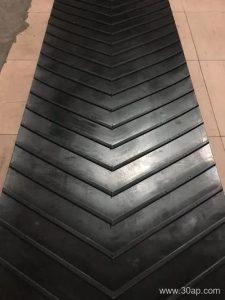
For reliable belt training, pair the return self-aligning idler with quality conveyor belt and compatible idler roller components. In hard rock mining and quarry conveyor belt systems, a correctly sized return self-aligning idler can extend belt life and reduce unplanned stoppages.