What the Ø159 Conveyor Idler Is
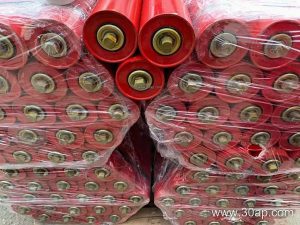
The Ø159 conveyor idler is a heavy-duty carrying roller with a nominal shell diameter of 159 mm. It is one of the larger standard roller sizes used on belt conveyors that move abrasive bulk materials, and it sits under the loaded side of the belt to support it between the head and tail ends of the conveyor. In many plants this component is simply called a 159 mm idler roller, and the two names refer to the same product. The diameter figure is a reference dimension; actual roller length, shaft size and bearing arrangement are set by the conveyor design rather than by the diameter alone.
Because of its size, the Ø159 idler is typically found in three-roll troughing sets on wider belts, where each roll carries a substantial share of the material load. It is not a drive pulley, tail pulley or bend pulley, and it should never be ordered as a substitute for those components.
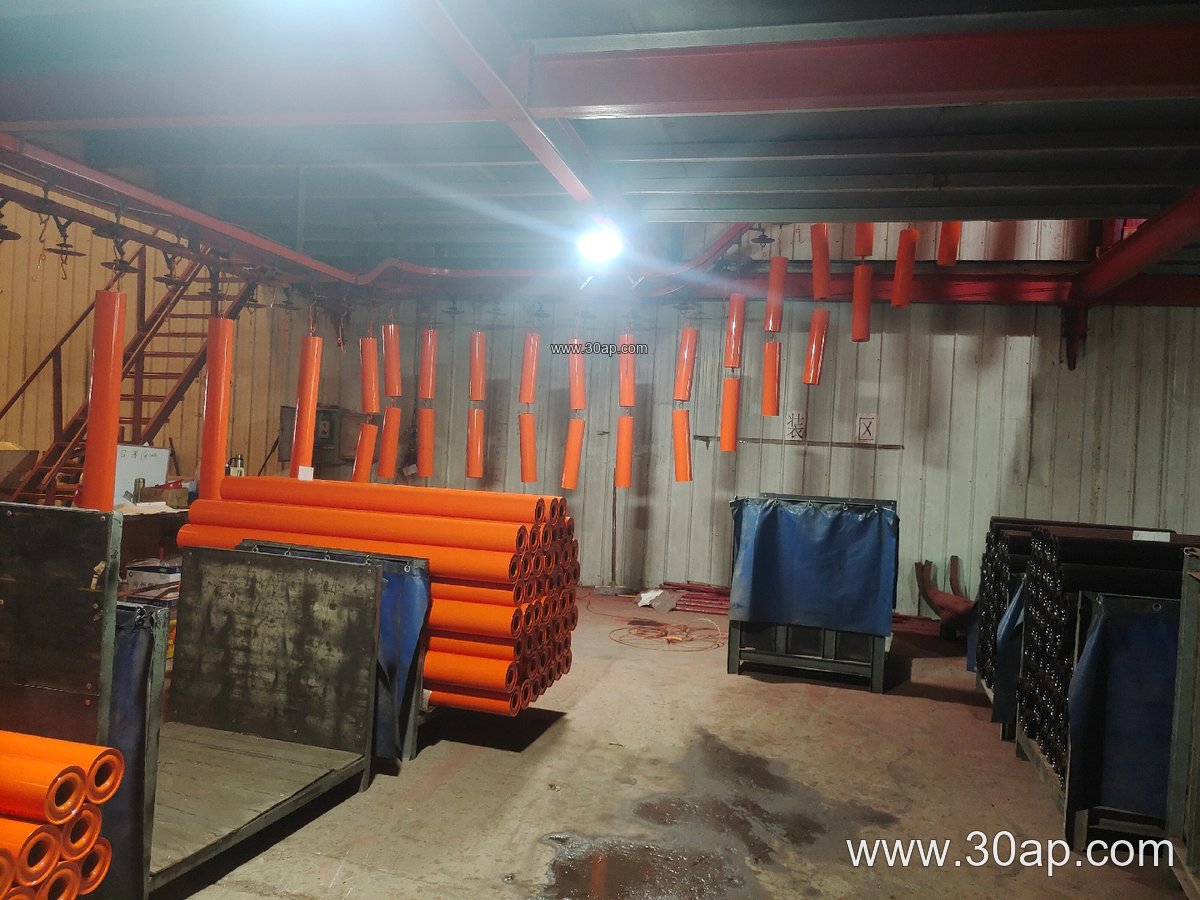
How the Roller Is Built
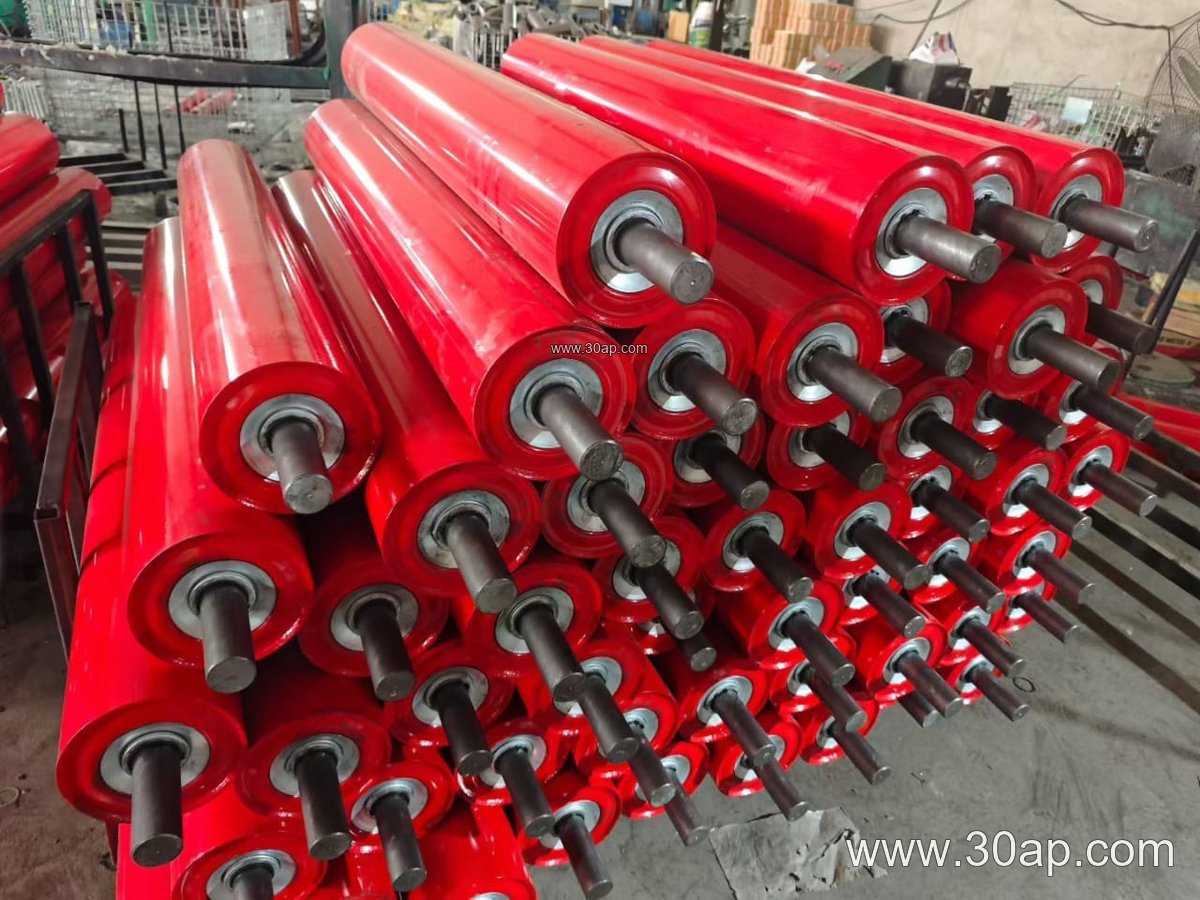
A typical unit combines a steel tube shell, welded end discs, a through shaft, bearing housings and a multi-stage seal. The shell is usually machined for concentricity so the belt runs smoothly. Sealing matters as much as the tube: dust from limestone, iron ore or coal fines will destroy a bearing quickly if the labyrinth and grease retention are poor.
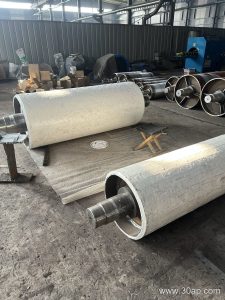
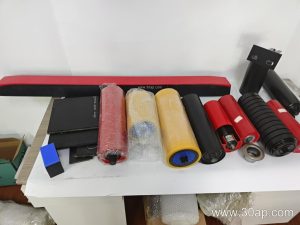
- Shell materials commonly offered include plain steel, nylon-coated, ceramic-coated and rubber-ringed versions.
- Bearing sizes are selected to match the load and shaft; common bearings in this class include 6308 and 6310, but the correct choice depends on the duty.
- Roller length follows belt width, trough angle and the roll position in the set.
Where It Fits on the Conveyor
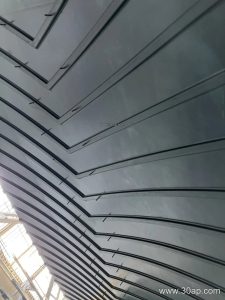
The Ø159 conveyor idler most often appears in three-roll troughing groups on the carrying side of wide belts. Common belt widths in this range include B1000, B1200 and B1400, with trough angles of 30, 35 or 45 degrees. In these groups the side rolls may be shorter than the centre roll, so a single length figure does not describe the whole set.
Related positions use different designs. Impact idlers with rubber rings are placed at transfer points below the loading chute. Return idlers and V-return rollers support the empty belt on the lower run. Transition idlers ease the belt from flat to troughed profile near the pulleys. Self-aligning idlers, including friction and tapered types, correct belt tracking on long runs. These are separate products and are mentioned here only to show where the 159 mm carrying roller sits in the overall conveyor layout.
Industries and Duty Conditions
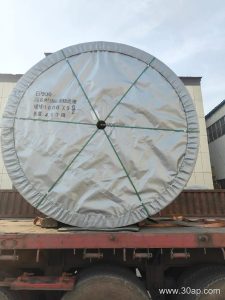
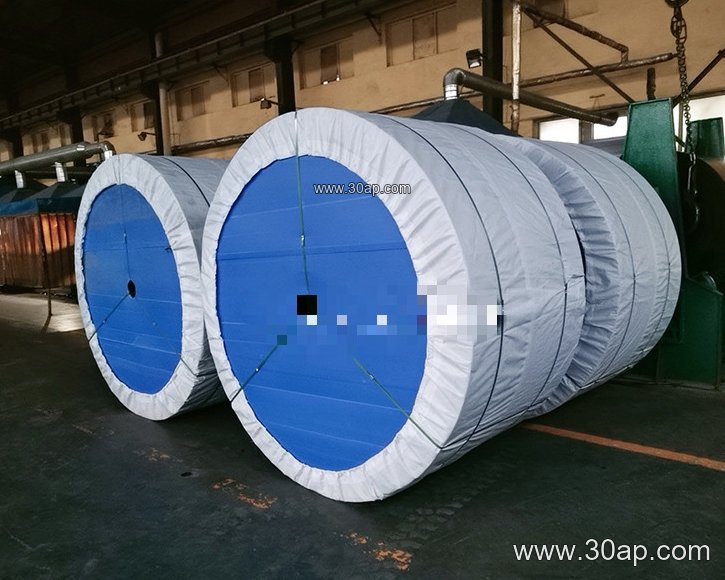
This roller size suits demanding duty. In a quarry or aggregate line it carries crushed stone after the crusher. In a coal washing plant or power plant coal yard it runs under belts handling damp, abrasive fuel. Cement plants use it on clinker and raw meal lines, and iron ore and copper ore operations rely on it where lump size and tonnage are high. The belt above it is often a heavy-duty mining conveyor belt, an abrasion resistant conveyor belt or a steel cord conveyor belt on the longest overland runs.
Where the environment is hot, a heat resistant conveyor belt may be paired with rollers fitted with suitable grease and seals. In underground coal mining, flame retardant conveyor belt and anti-static conveyor belt requirements usually govern the belt choice, while the idler must match the same fire and dust conditions. Choosing a robust idler roller is part of keeping the whole conveyor belt system reliable.
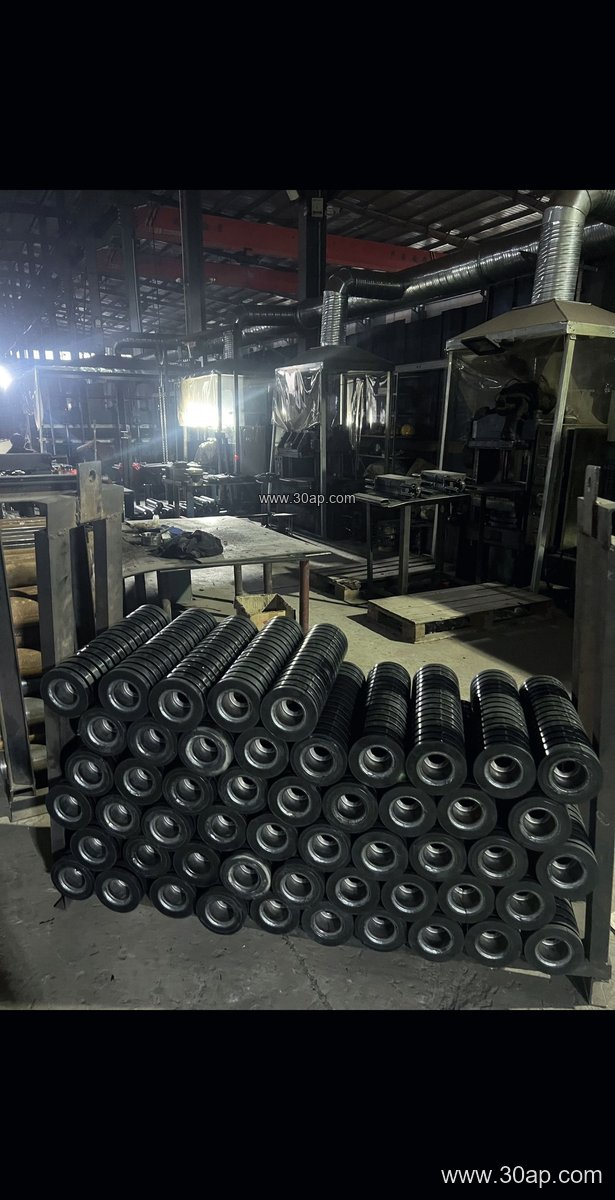
Size Reference and Selection Notes
The table below gives common reference values. Treat them as examples, not fixed combinations, and confirm final dimensions with the conveyor designer.
Reference Data
- Nominal roller diameter: Ø159 mm
- Other diameters in the same family: Ø127, Ø133, Ø178, Ø194 mm
- Typical belt widths: B800 to B2000 mm
- Trough angles: 20, 30, 35, 45 degrees
- Common roll lengths for three-roll sets: about 315 mm at B800, 380 mm at B1000, 465 mm at B1200, 530 mm at B1400, 600 mm at B1600
- Bearing options: 6305, 6306, 6308, 6310 depending on load
Buyers should confirm the shaft diameter, bearing type, seal class, shell thickness and coating before ordering. A wider belt does not automatically dictate one pulley or roller diameter, and belt width alone does not define the shaft size. Specify the actual load, belt speed, material and ambient conditions.
Installation and Maintenance
Check frame alignment and roller squareness during installation, because a misaligned conveyor bracket will cause belt drift no matter how good the roller is. Keep the trough angle consistent along the run. During service, listen for seized bearings, watch for shell wear and verify that grease points are accessible. Replacing a worn idler roller early protects both the belt and the conveyor pulley downstream. For more on matching rollers with belts and pulleys, visit the belt and roller resource pages at www.xinrisheng.com.