What a 1500mm Conveyor Belt Is
A 1500mm conveyor belt is a wide belting product with a nominal belt width of 1500 mm, often written as a 1500mm wide conveyor belt. It sits in the larger end of standard belt widths, between 1400mm and 1600mm conveyor belts, and is chosen when a single conveying line must carry a high tonnage of bulk material without excessive belt speed. The width is the headline dimension, but the belt is defined by its carcass, cover rubber, and construction as much as by the number 1500.
In practice, buyers ask for this width in fabric core constructions such as EP conveyor belt and NN conveyor belt, and in steel cord conveyor belt for long, high-tension runs. The same width can be supplied as a rubber conveyor belt with different cover grades, so the width alone does not describe the product.
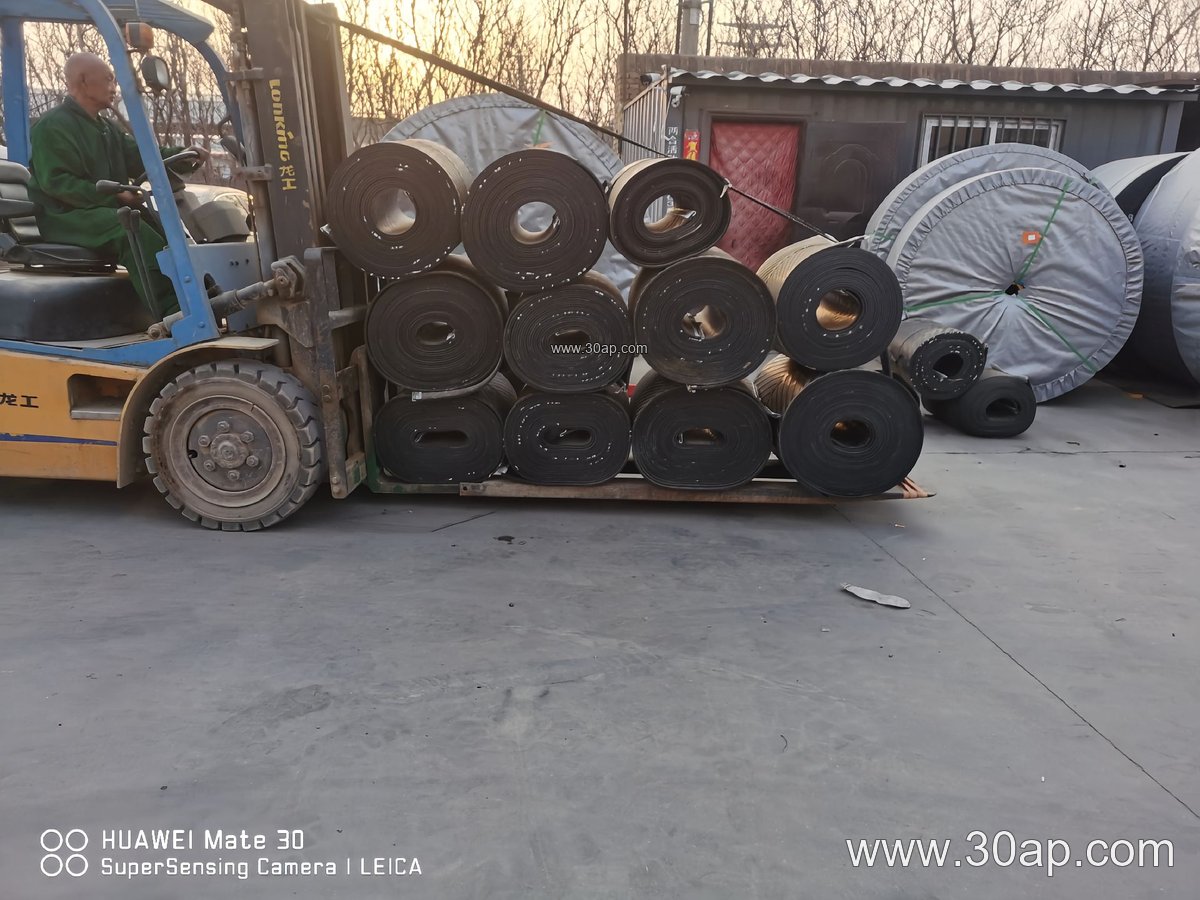
Construction and Common Specifications
The belt body is built around a tension-bearing carcass. Fabric core types use multiple plies of EP or nylon fabric; steel cord types use brass-plated wires. Cover rubber protects the carcass and is selected for abrasion, heat, oil, flame resistance, or cold. Edge construction, splice type, and cover thickness all change with duty.
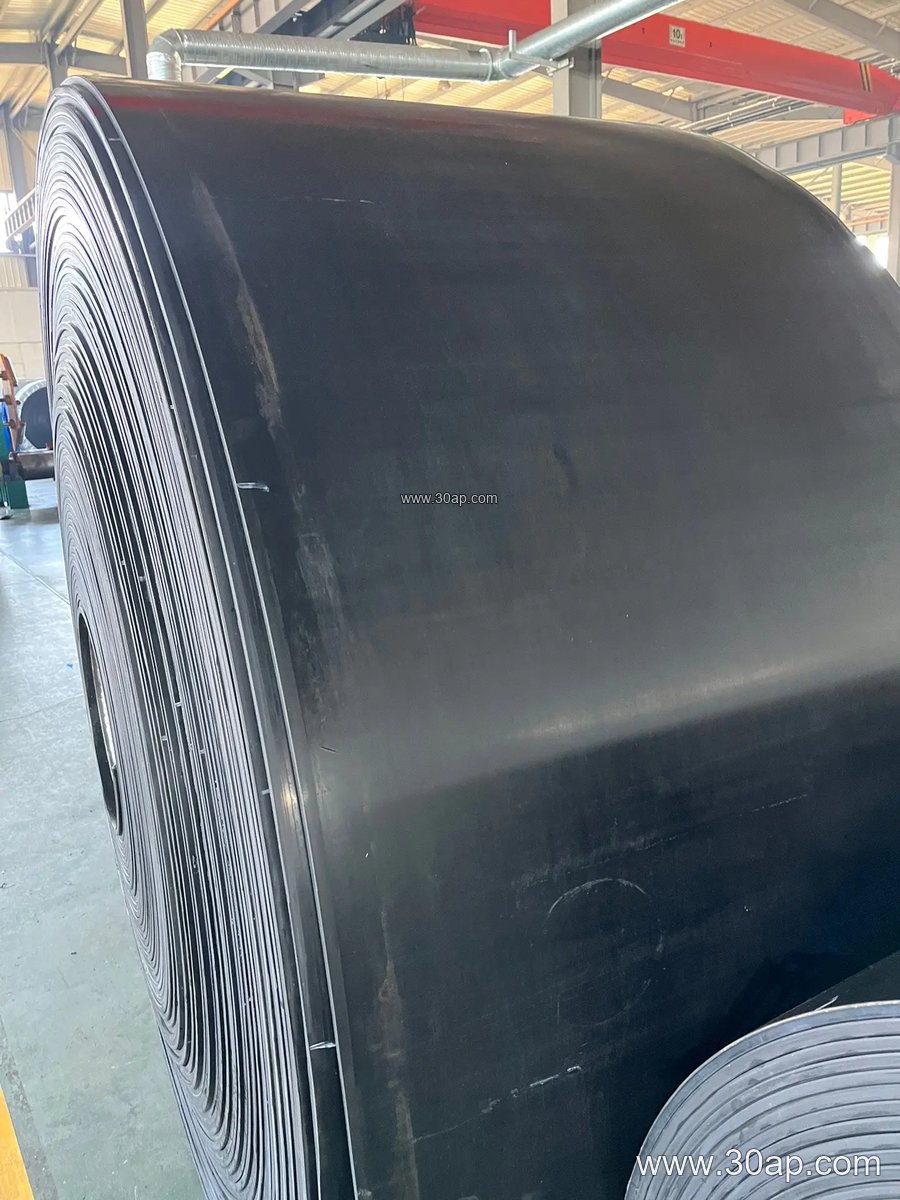
Typical reference values for a 1500mm conveyor belt are summarized below. These are common ranges, not fixed supply promises; final values follow the design of each conveyor.
- Belt width: 1500 mm nominal
- Fabric core strength grades commonly discussed: EP200, EP315, EP400, EP500, EP630, EP800, EP1000, EP1250
- Steel cord grades sometimes compared: ST1000, ST1250, ST1600, ST2000
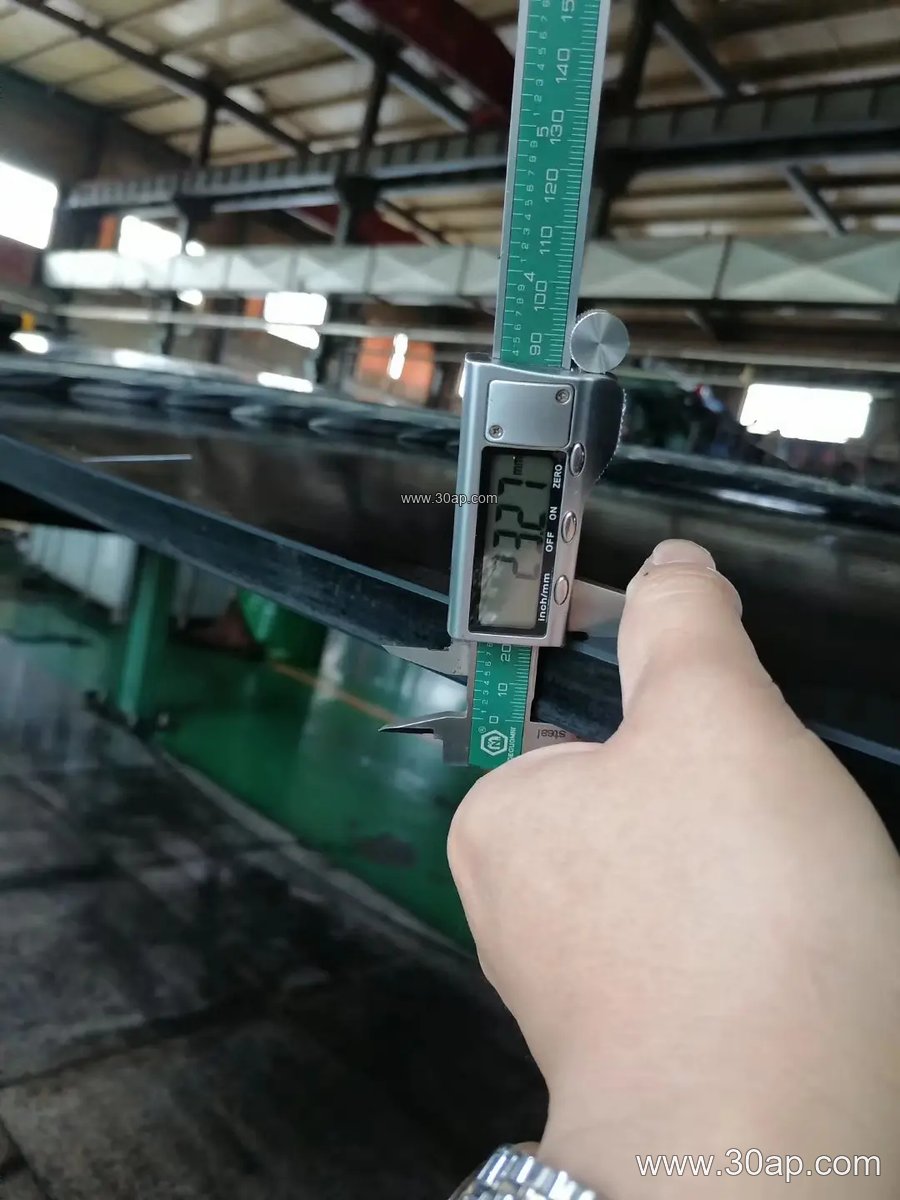
- Cover thickness examples: 4+2 mm, 5+2 mm, 6+2 mm, 8+3 mm
- Fabric plies: usually 2 to 6 layers depending on strength
Reference Table for Belt Construction
| Item | Common Reference | Notes |
|---|---|---|
| Nominal width | 1500 mm | Matches 1500mm wide conveyor belt |
| Carcass | EP fabric, NN fabric, steel cord | Selected by tension and splice method |
| Strength grade | EP400 to EP1250 | Higher grades for longer runs |
| Top cover | 4 mm to 8 mm | Thicker for abrasive rock |
| Bottom cover | 1.5 mm to 3 mm | Depends on pulley contact |
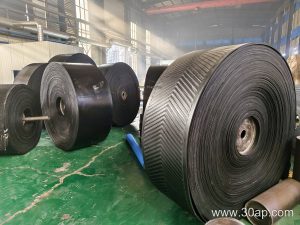
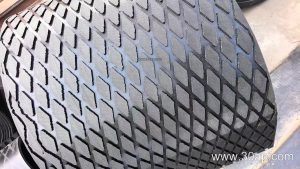
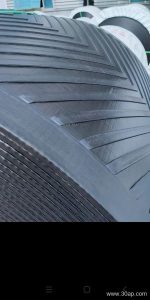
Special constructions are available in the same width, including chevron conveyor belt, corrugated sidewall conveyor belt, and skirted conveyor belt, where the added profile helps control material on an incline. These are separate designs, not substitutes for a plain 1500mm belt.
Where This Width Is Used
A 1500mm belt is a workhorse in mining, coal preparation, cement plants, power stations, quarries, and sand and gravel operations. It is common on primary crusher discharge lines, plant-to-stockpile conveyors, and ship loading systems where high capacity matters. In a coal mining conveyor belt duty, flame retardant and anti-static covers are often specified; in a quarry conveyor belt or aggregate conveyor belt line, abrasion resistant rubber is the usual choice.
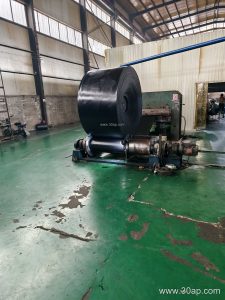
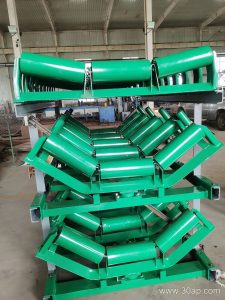
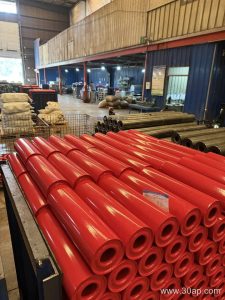
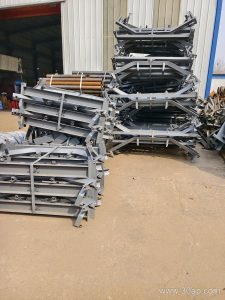
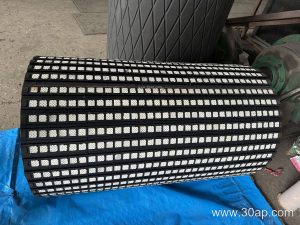
The belt runs over a conveyor pulley at the head and tail, supported by idler roller sets and a steel conveyor bracket frame. Drive, tail, and bend pulleys are distinct components with different roles, and each is sized to the conveyor design rather than to belt width alone. A 1500mm belt may run on a range of pulley diameters depending on tension and wrap angle.
Selection and Buyer Checklist
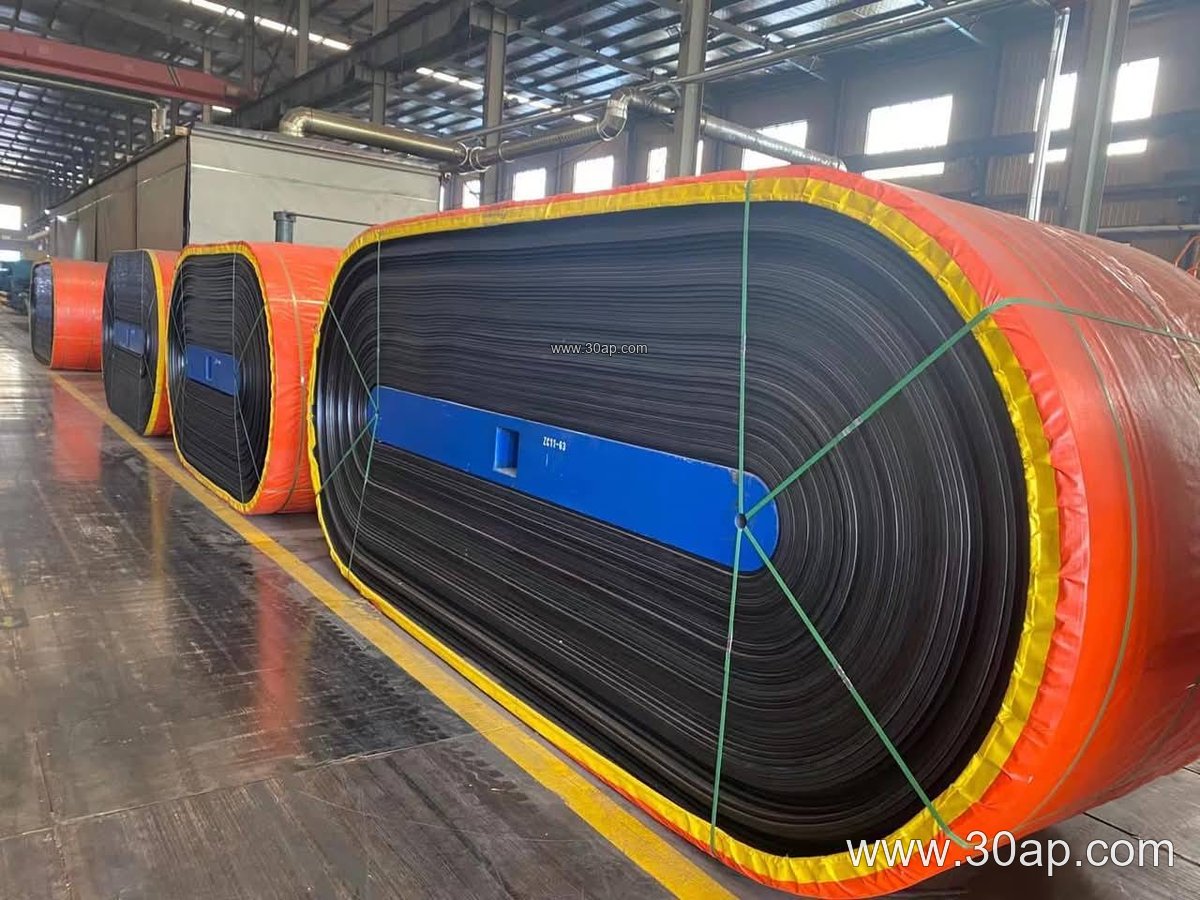
Start with the duty: material type, lump size, tonnage per hour, incline, and loading impact. Then confirm the carcass grade and cover class. A heavy-duty mining conveyor belt in abrasive rock usually needs a thicker top cover and a higher-strength carcass than a cement plant line handling fine clinker. For hot material, a heat resistant conveyor belt is specified; for oily scrap or recycled material, an oil resistant conveyor belt; for cold sites, a cold resistant conveyor belt.
Also confirm:
- Splice method and whether an endless conveyor belt is required on site
- Cover grade for flame retardant, anti-static, or fire resistant service
- Edge condition and whether sidewalls or cleats are needed
- Compatibility with existing pulley faces and idler roller spacing
Finally, ask for the actual data sheet. Width, grade, and cover thickness together define the product, and the 1500mm figure should always be read with those details. For matching components such as the conveyor pulley, idler roller, and conveyor bracket, confirm dimensions against the conveyor drawing before ordering.