What a Dual Drive Pulley Does on a Conveyor
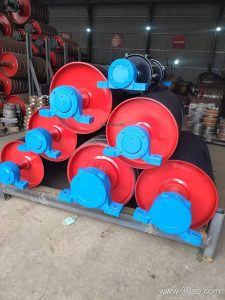
A dual drive pulley is a head or drive drum that receives torque from two drive units, one at each end of its shaft, and transfers that torque to the conveyor belt through friction at the drum surface. On long, high-capacity or steeply inclined conveyors, splitting the drive power across both shaft ends keeps the drum shell, shaft and bearings under more balanced load than a single-side drive arrangement. This is why the dual drive pulley is common in systems that move heavy bulk materials where starting torque and continuous traction are demanding.
It is a drive pulley, not a tail pulley or a bend pulley. Those perform different jobs at different points along the conveyor line, and none of them is a substitute for the drive drum. A dual drive pulley belongs at the discharge or head position, where it pulls the loaded belt and sets belt speed.
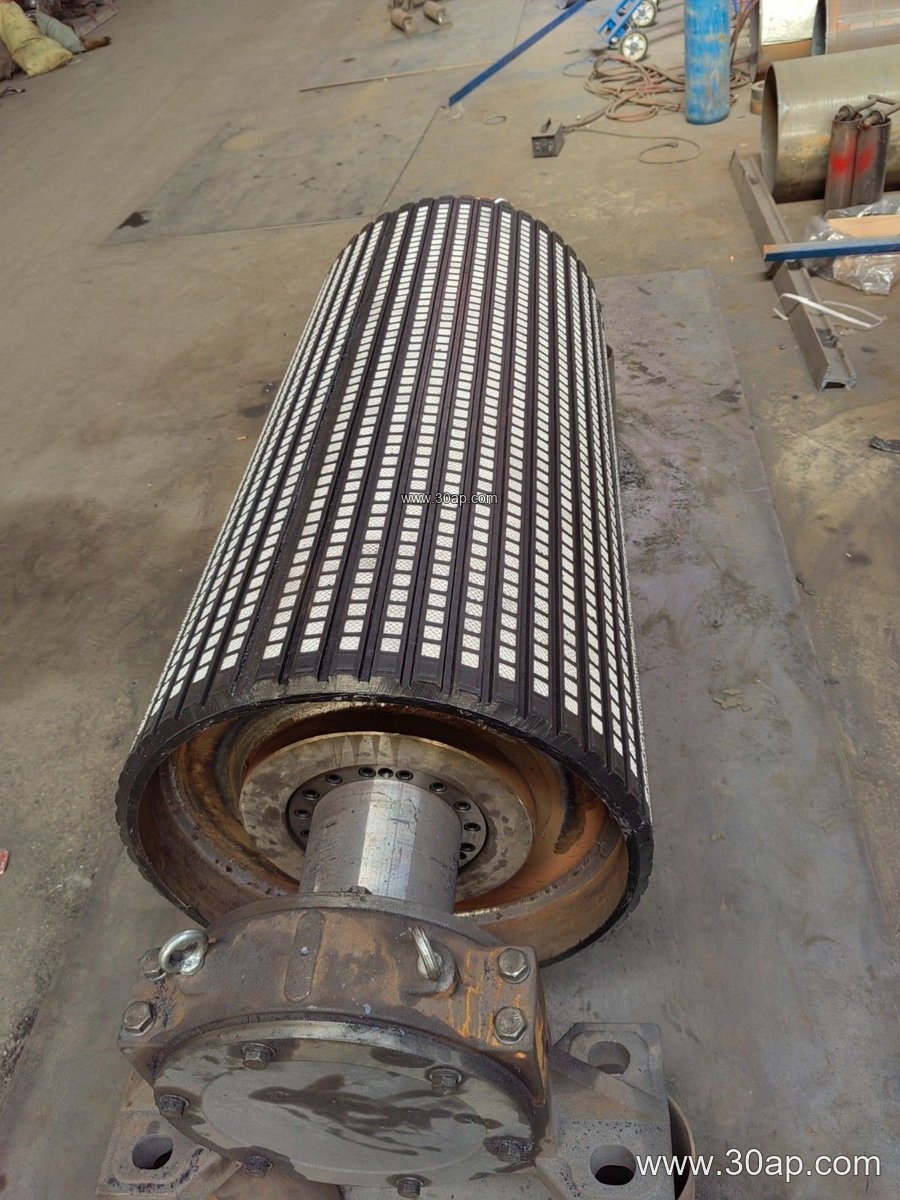
How the Drum Is Built
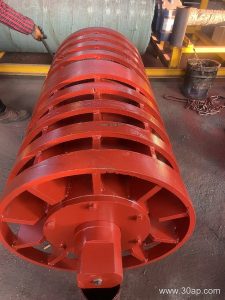
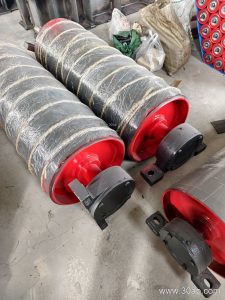
The assembly normally consists of a welded steel shell, a heavy-duty shaft, two bearing housings, a lagged surface, and a connection at each shaft end for a gearbox or motor. Key construction points include:
- Shell: rolled and welded steel plate, machined for concentricity so the belt tracks evenly.
- Shaft: sized by torque and radial load, not by belt width alone. Common shaft diameters include Ø80, Ø100, Ø120, Ø140, Ø160 and Ø180, with larger sizes used on heavy-duty mining conveyors.
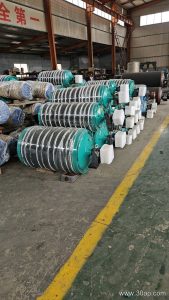
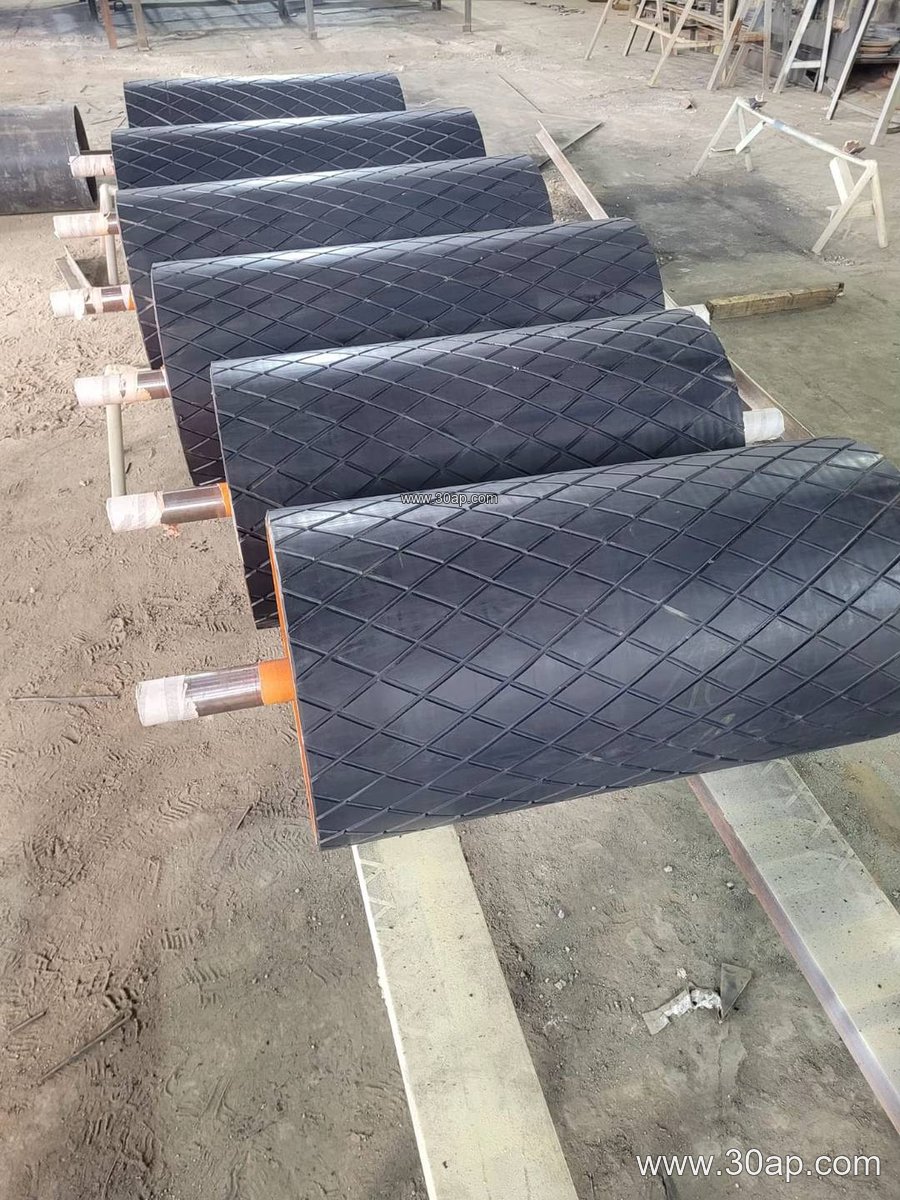
- Lagging: plain, cast rubber, cold-bonded rubber, hot-vulcanized rubber, diamond groove, herringbone, ceramic or flat rubber, usually 8 to 20 mm thick.
- Bearings and seals: selected for the combined load from both drive sides and protected against dust and water ingress.
Because two drives act on the same shaft, the torsional load path and the bearing arrangement need careful design. A dual drive pulley is often specified with a hollow-shaft or keyed shaft connection and with a torque arm or motor mount that keeps both drives aligned.
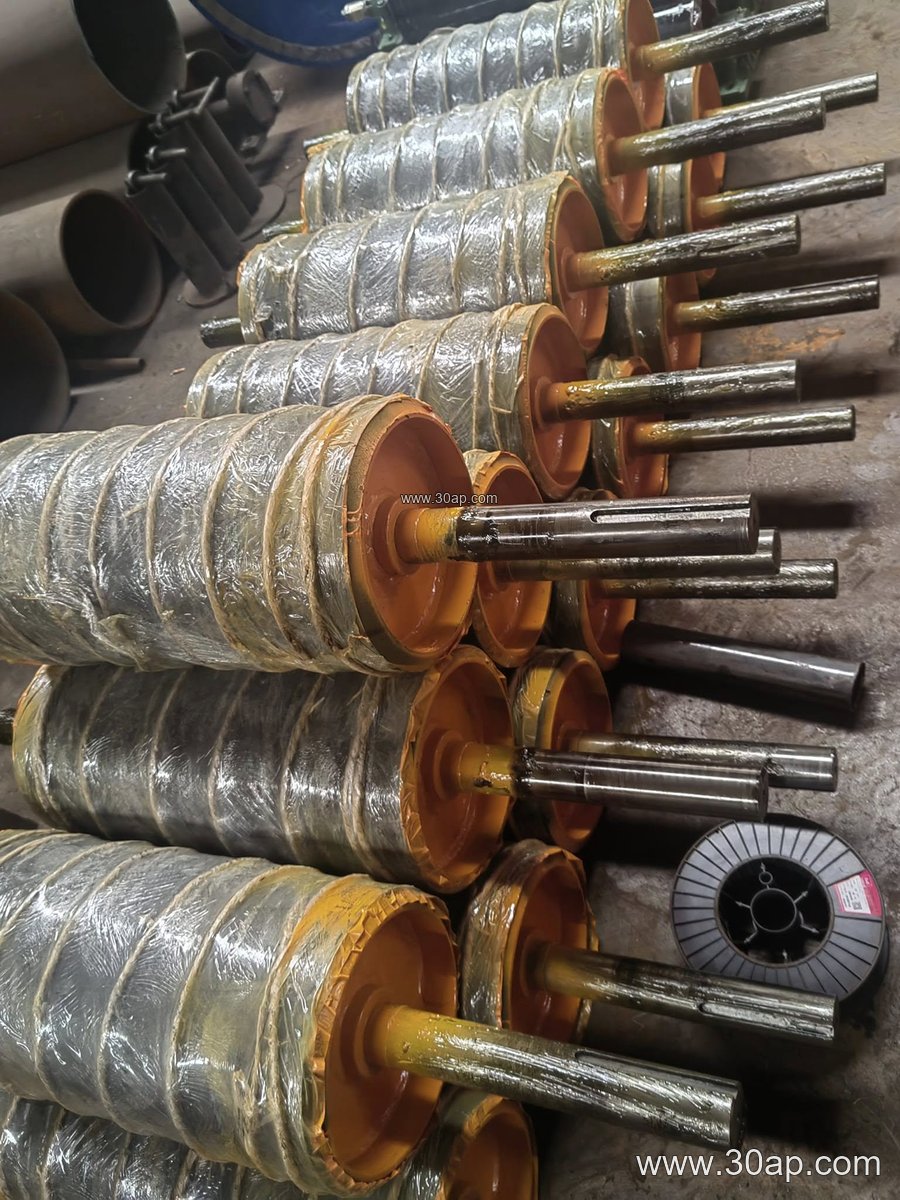
Typical Duty Points in Quarries, Coal Handling and Cement Plants
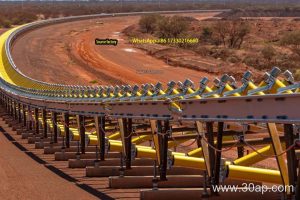
These pulleys appear where the conveyor must start under load and keep steady traction. In a limestone quarry or aggregate line, a dual drive pulley on the main haulage conveyor helps handle a wide, heavy belt carrying crushed rock. In a coal handling plant or coal mining conveyor system, the drum often works with a flame retardant conveyor belt and a robust conveyor bracket set. In cement plants, the drum may run with a heat resistant conveyor belt on clinker or raw meal lines. Power plant coal yards and port bulk terminals also use this arrangement on long inclined conveyors.
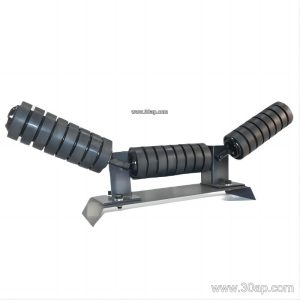
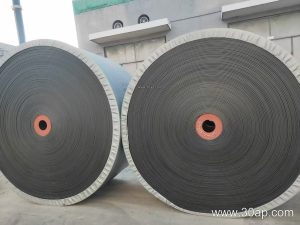
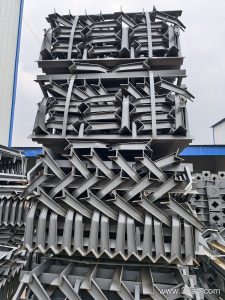
The drum itself is only one part of the system. It works with the conveyor belt, idler roller, conveyor pulley and conveyor bracket to keep the line running. Belt selection matters as much as drum selection: an EP conveyor belt, steel cord conveyor belt or multi-ply fabric core belt each has a different modulus and splice behavior, and that affects the friction and take-up requirements at the drive.
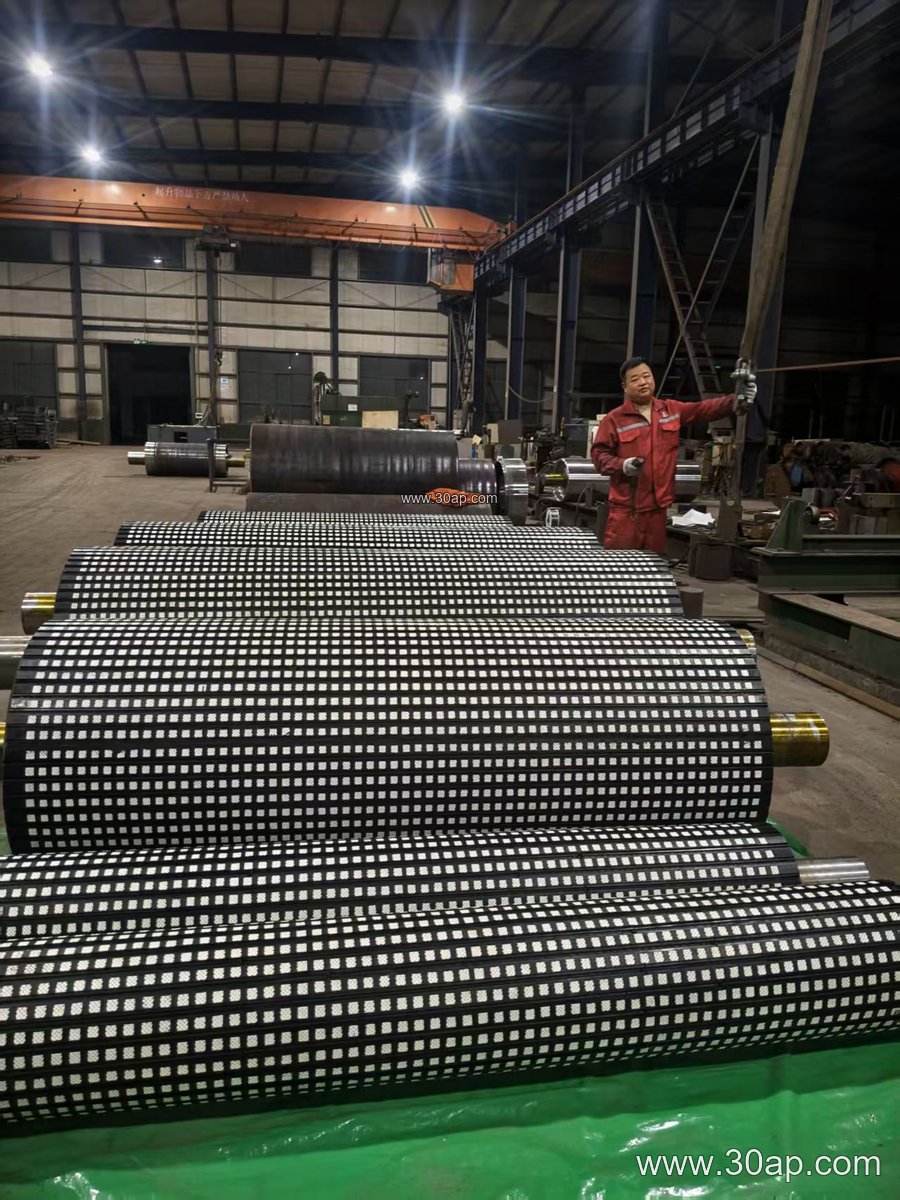
Sizes and Surface Options Buyers Should Review
Drum diameter and face width are chosen together with belt width, belt tension and wrap angle. The values below are common reference ranges, not fixed pairings. A given belt width can work with more than one drum diameter, and shaft size must be confirmed by the drive manufacturer.
| Belt width (reference) | Typical pulley face width | Common drum diameters |
|---|---|---|
| B650 | about 750 mm | Ø500, Ø630, Ø800 |
| B800 | about 950 mm | Ø500, Ø630, Ø800, Ø1000 |
| B1000 | about 1150 mm | Ø630, Ø800, Ø1000 |
| B1200 | about 1400 mm | Ø800, Ø1000, Ø1250 |
| B1400 | about 1600 mm | Ø1000, Ø1250, Ø1400 |
| B1600 | about 1800 mm | Ø1000, Ø1250, Ø1400, Ø1600 |
| B1800 | about 2000 mm | Ø1250, Ø1400, Ø1600 |
Surface choice depends on the material and the environment. Diamond rubber lagging is a common general-purpose choice for wet or dusty conditions. Herringbone lagging helps with water drainage. Ceramic lagging suits high-torque drives where slip must be minimized. For abrasive ore or quarry rock, a high abrasion resistant conveyor belt paired with a suitable lagging reduces wear on both surfaces.
Selection and Maintenance Notes
Before ordering, confirm the calculated belt tension, the wrap angle, the starting torque from both motors, and the belt type. A steel cord conveyor belt and an EP conveyor belt behave differently under the same drive, so the pulley specification should follow the belt data. Check that the lagging thickness leaves enough clearance in the chute and that the drum face is wider than the belt.
During operation, inspect lagging wear, bolt tightness at both drive connections, bearing temperature and seal condition. Uneven lagging wear on one side often points to drive misalignment or belt tracking problems. Re-lagging a dual drive pulley is usually possible on site with cold-bonded or hot-vulcanized rubber, which helps keep a quarry or cement line running without a long shutdown.
For more information on matching drums with conveyor belts, idler rollers and brackets, visit conveyor pulley and conveyor belt resources, or review the dual drive pulley range and idler roller options for your conveyor line.