What an Impact Idler Does at the Loading Point
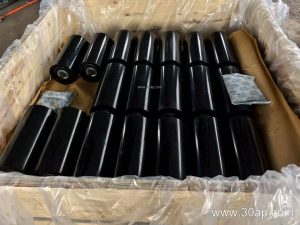
An impact idler, also called a buffer idler or shock-absorbing roller, is a specialized conveyor idler roller installed directly under the loading chute or transfer point. Its primary job is to absorb the kinetic energy of falling material and protect the conveyor belt from damage. Unlike standard carrying idlers that simply support the belt, an impact idler uses resilient rubber rings or discs to cushion the blow of large lumps, heavy ore, or sharp rocks. This reduces the risk of belt punctures, edge tears, and surface abrasion, extending the service life of the conveyor belt in demanding bulk material handling operations.
Construction and Key Components
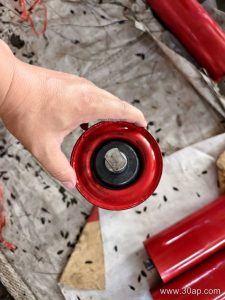
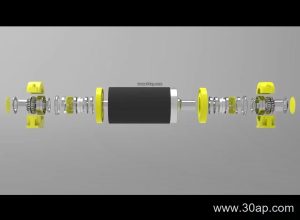
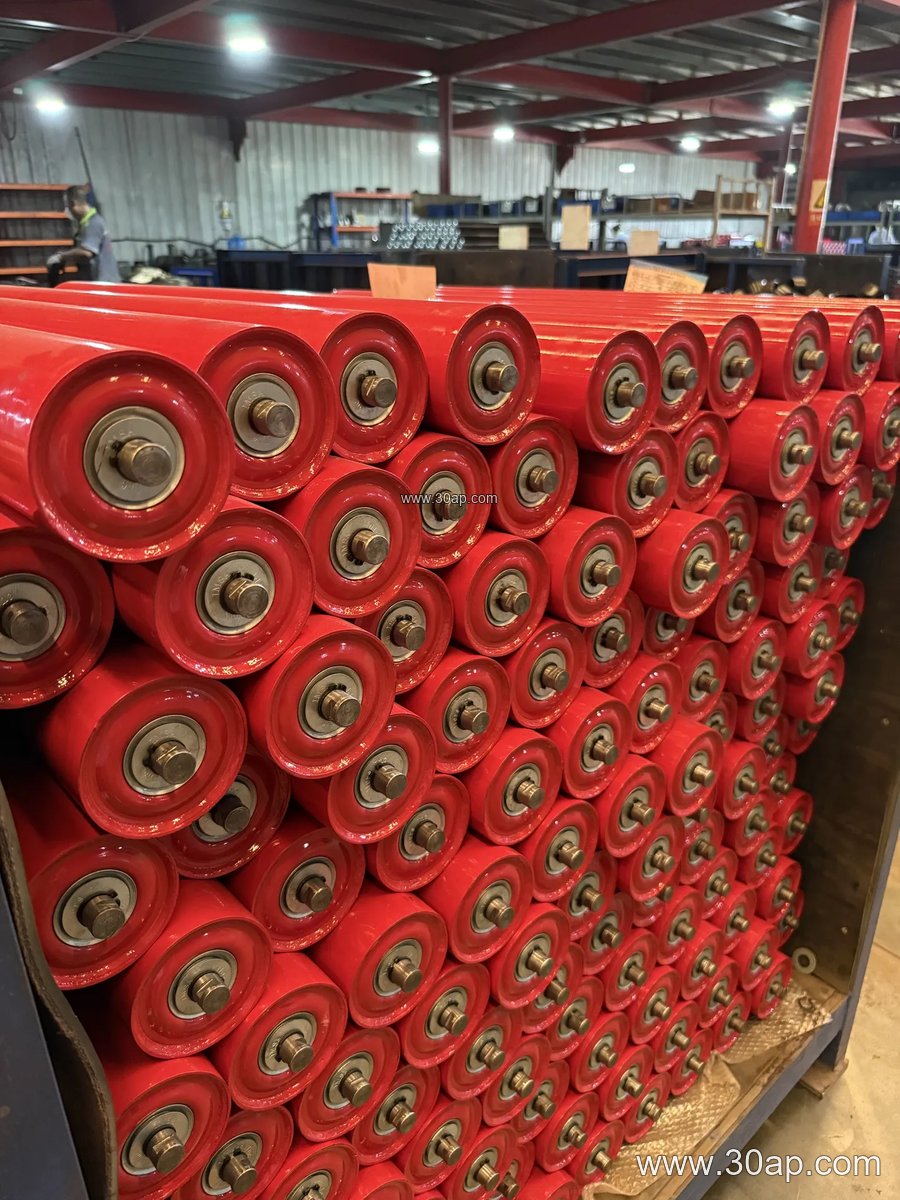
A typical impact idler consists of a steel tube or shaft fitted with a series of thick rubber rings or discs. These rubber elements are spaced along the roller body and can be made from natural rubber, synthetic rubber, or other elastomers with high resilience and abrasion resistance. The rubber rings are mounted on a heavy-duty steel core, and the assembly rotates on sealed bearings housed in the end caps. Common bearing sizes for impact idlers include 6205, 6305, and 6306, though the exact bearing is selected based on load and speed requirements, not solely on roller diameter. The rubber surface may be smooth or grooved to enhance grip and shock absorption. The idler frame, often a sturdy steel bracket, supports the roller assembly and mounts to the conveyor structure.
Where Impact Idlers Are Used
Impact idlers are critical in industries where material is dropped onto the belt from a height. In mining operations, whether an underground coal mining conveyor or an iron ore processing plant, impact idlers are placed at the receiving point to handle large, heavy lumps. Quarries and aggregate lines use them under crusher discharge points to protect the belt from sharp stone impacts. Cement plants and power plant coal handling systems also rely on impact idlers at transfer towers. The rubber rings also help center the belt and reduce spillage by maintaining a stable trough profile. In a stone crushing plant, for example, an impact idler set with three rolls and a 35-degree trough angle is common to match the belt width and material load.
Design Variations and Specifications
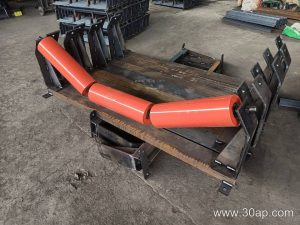
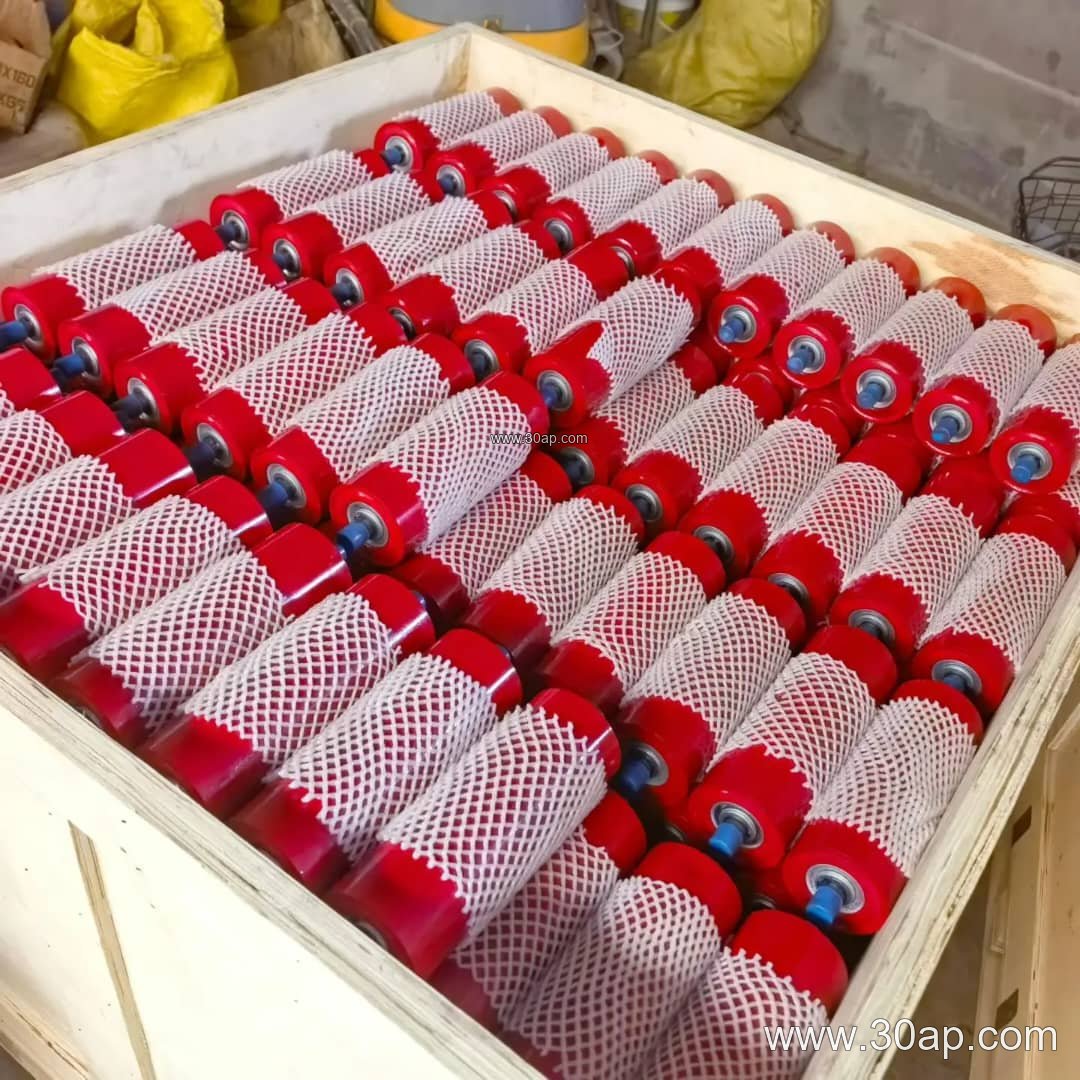
Impact idlers come in several designs to suit different belt widths and loading conditions. The most common configuration is a three-roll troughing set, but two-roll and single-roll versions exist for narrower belts or special applications. Roller diameters typically range from Ø89 mm to Ø159 mm, with larger diameters used for higher belt speeds and heavier loads. Belt widths from B500 to B2000 are commonly accommodated, and the roller length is matched to the belt width and trough angle. For instance, a B1000 belt might use a three-roll impact idler with a center roll length of about 380 mm, but side rolls may differ. The rubber rings can be specified in different hardness levels to balance cushioning and wear resistance. Some impact idlers feature a spiral or grooved rubber surface to improve material tracking and reduce buildup.
Selection and Maintenance Tips
When choosing an impact idler, consider the maximum lump size, drop height, and material density. The idler should be sized to handle the impact energy without bottoming out or deflecting excessively. The belt width and trough angle determine the roller length and mounting dimensions, but avoid assuming a fixed shaft diameter from belt width alone—consult the manufacturer’s data. Regular inspection of the rubber rings for wear, cracking, or chunking is essential; worn rings reduce cushioning and can damage the belt. Bearings should be checked for smooth rotation and re-lubricated if non-sealed types are used. Proper alignment of the idler frame with the belt path ensures even load distribution. For high-abrasion materials, consider impact idlers with extra-thick rubber rings or ceramic-enhanced surfaces for longer wear life.
Related Conveyor Components
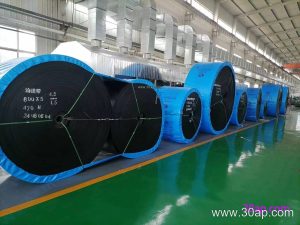
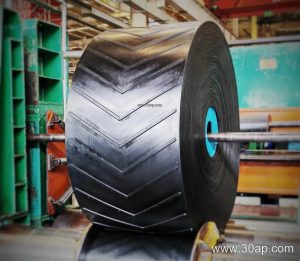
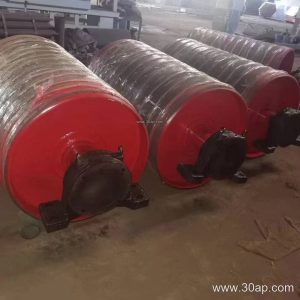
Impact idlers work alongside other conveyor components such as the conveyor pulley, conveyor bracket, and the conveyor belt itself. The choice of belt cover—for example, an abrasion resistant conveyor belt or a flame retardant conveyor belt—should complement the impact idler’s cushioning effect. In coal mining, a coal mining conveyor belt with good impact resistance pairs well with buffer idlers. Similarly, in a quarry, a quarry conveyor belt with reinforced fabric core (like EP conveyor belt) benefits from proper impact protection. Remember that drive pulleys, tail pulleys, and bend pulleys serve different functions and are not interchangeable with idlers. Always match the impact idler’s load capacity to the conveyor’s overall design to avoid premature failure.