What the Sand Making Plant Conveyor Belt Does
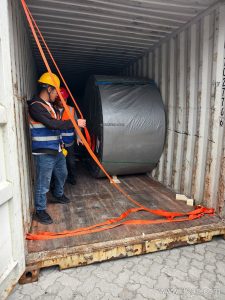
A sand making plant moves a lot of abrasive material in a short time. Crushed stone, manufactured sand, and screened aggregate pass from crushers to screens and stockpiles on a network of belts, and each transfer point puts stress on the belt surface. The sand making plant conveyor belt is the moving element that links these stages, so its cover compound, carcass, and edge construction need to suit sharp, dry, and often dusty loads rather than general-purpose duty.
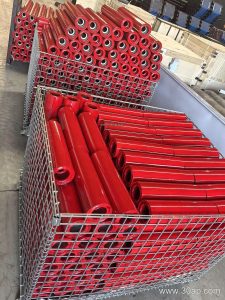
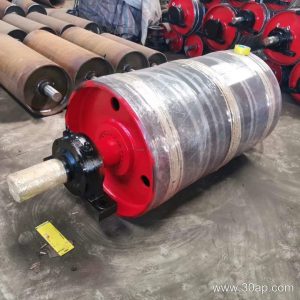
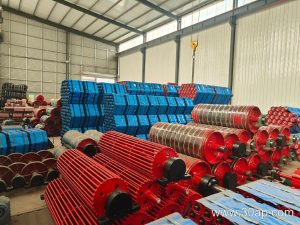
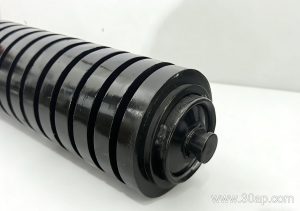
In practice, the belt works together with conveyor pulleys at the head and tail, carrying idler rollers along the run, and conveyor brackets that hold the frames in line. Drive, tail, and bend pulleys each do a different job, and none should be treated as a substitute for another when the layout is reviewed.
Construction of the Belt
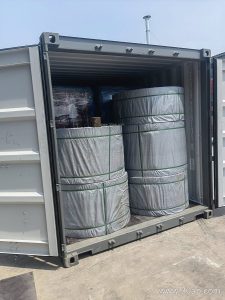
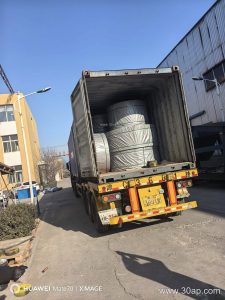
Most belts in this service use a fabric carcass with rubber covers. An EP conveyor belt (polyester warp, nylon weft) is common because it stretches less than an all-nylon carcass under steady load, while an NN conveyor belt offers high flexibility where impact is heavy. Multi-ply fabric core construction is typical for medium spans, and steel cord conveyor belt is chosen for long horizontal runs or high tonnage where low elongation matters.
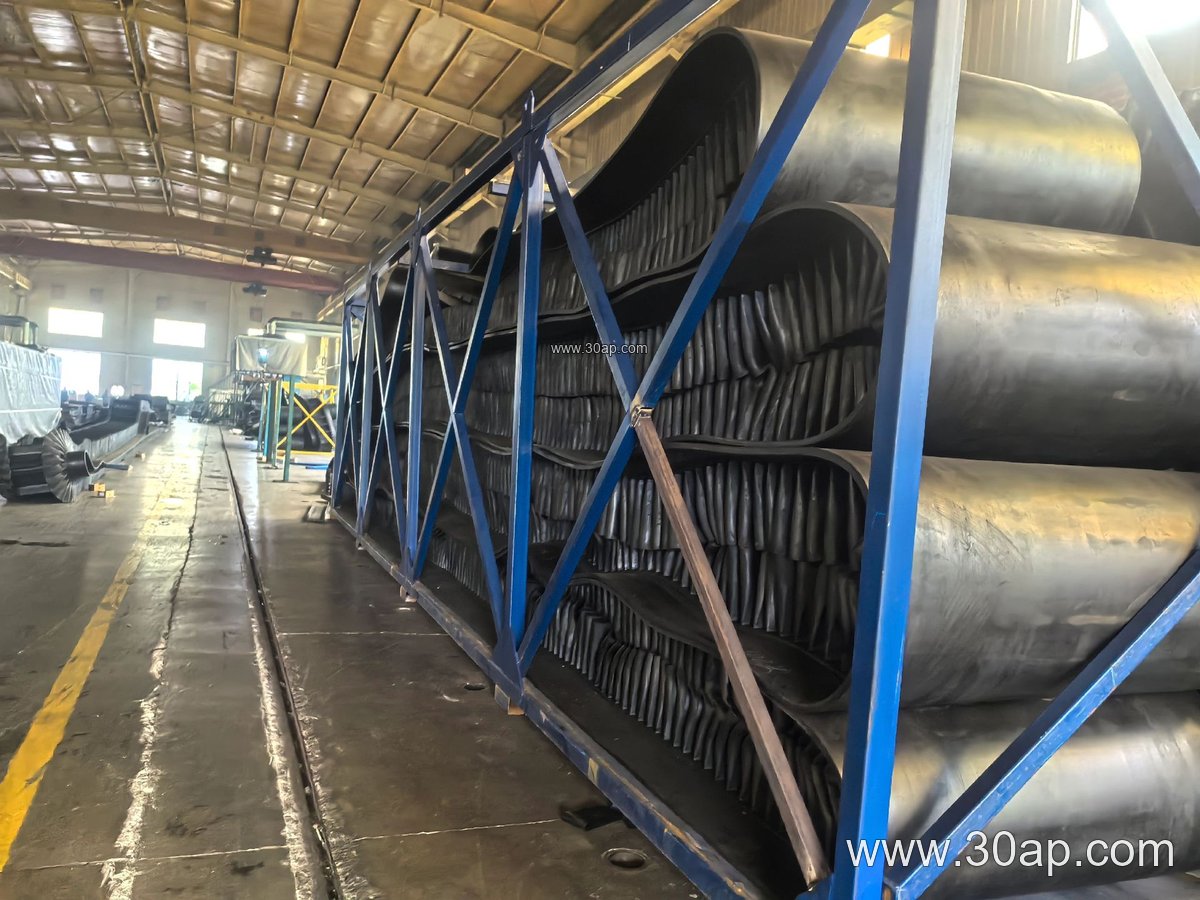
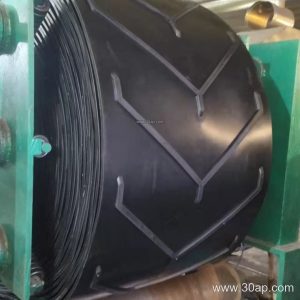
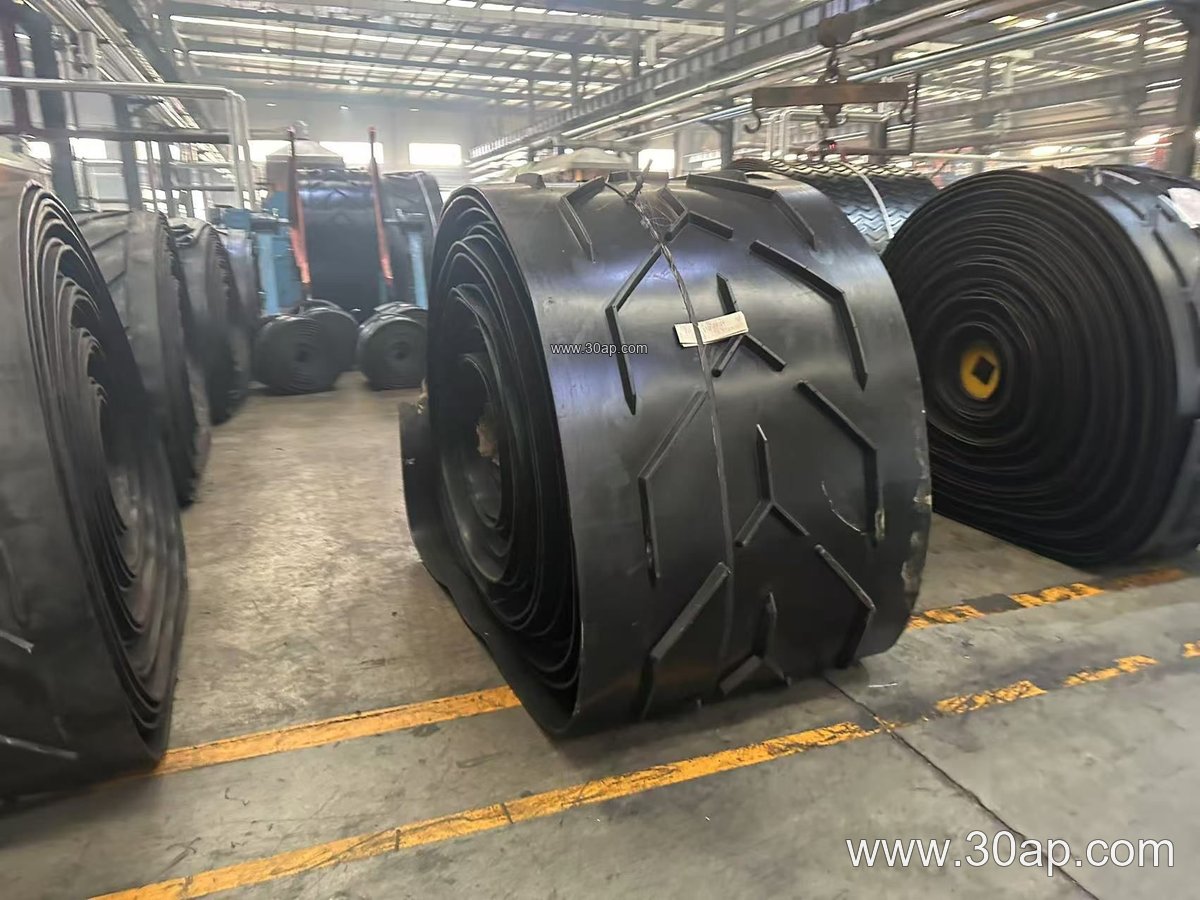
The top cover usually carries the abrasive load. An abrasion resistant conveyor belt compound helps against sharp sand and crushed rock, and a thicker cover adds wear life where drop heights are significant. Sidewalls and cleats are separate design choices: a corrugated sidewall conveyor belt or skirted conveyor belt keeps material from spilling at steep inclines, and a chevron conveyor belt improves grip on slopes. These are not replacements for a flat belt on a horizontal run; they solve a different handling problem.
Common Reference Specifications
The values below are typical reference points for planning discussions, not fixed supply promises. Final figures are confirmed by the belt designer for each conveyor.
| Item | Common Reference Range |
|---|---|
| Belt width | B500, B650, B800, B1000, B1200, B1400, B1600 |
| EP strength grades | EP200, EP400, EP630, EP800, EP1000, EP1250 |
| NN strength grades | NN100, NN200, NN300, NN400 |
| Steel cord grades | ST1000, ST1600, ST2000 |
| Cover thickness | 4+2 mm, 5+2 mm, 6+2 mm, 8+3 mm |
| Fabric plies | 2 to 6 layers, by design |
Width and pulley diameter are matched by calculation, not by a single rule. A wider belt does not automatically require one specific shaft size, and the pulley face width, crown, and lagging are selected from the actual belt tension and load.
Where It Fits in the Plant
Sand and gravel operations, quarry conveyor lines, and aggregate plants use this belt on crusher discharge, screen feed, and stockpile conveyors. In cement plants it may carry clinker or raw material, and in mining it can appear as a mining conveyor belt on ore conveyor routes. A rock conveyor belt and crusher conveyor belt often share the same specification family, while a quarry conveyor belt may need extra impact resistance at the loading point.
Where dust and fine particles are present, an anti-static conveyor belt helps control static buildup. In colder regions a cold resistant conveyor belt keeps the cover from cracking, and a heat resistant conveyor belt is used only where the material or ambient temperature requires it. A flame retardant conveyor belt belongs on underground or enclosed routes where fire safety rules apply.
Buyer Checklist
- Confirm the material: size, shape, moisture, and temperature, since these decide the cover compound and thickness.
- Check the conveyor layout: incline angle, transfer drop, and whether a corrugated sidewall or chevron profile is needed.
- Review pulley and idler details, including lagging and roller spacing, before finalizing belt tension.
- Ask for the carcass type and ply count in writing, and keep spare belt and splicing material on site.
- Plan regular inspection of edges, covers, and splices; small cover damage on an abrasion resistant conveyor belt can grow quickly in sand service.
For sand making plant conveyor belt inquiries, matching the belt to the actual load and layout is more useful than choosing the highest grade available. The right combination of carcass, cover, and accessory equipment keeps the line running and reduces downtime at the crushing and screening stages.